
So, you’re wondering, how long does it take to spay a female dog? The actual dog spay surgery time is typically between 30 to 60 minutes. This time frame covers the anesthesia, the surgical removal of the ovaries and uterus, and the initial closing of the incision. However, the total time for dog spaying from arrival at the clinic to going home is much longer, often several hours. This includes check-in, preparation, the surgery itself, recovery from anesthesia, and post-operative checks.
The decision to spay your female dog is a significant one, often driven by a desire to prevent unwanted litters, reduce the risk of certain health issues, and curb some behavioral tendencies. While the health benefits are widely accepted, many owners are curious about the specifics of the procedure, particularly the duration. Knowing the female dog sterilization duration can help you plan for your dog’s care and your own schedule.
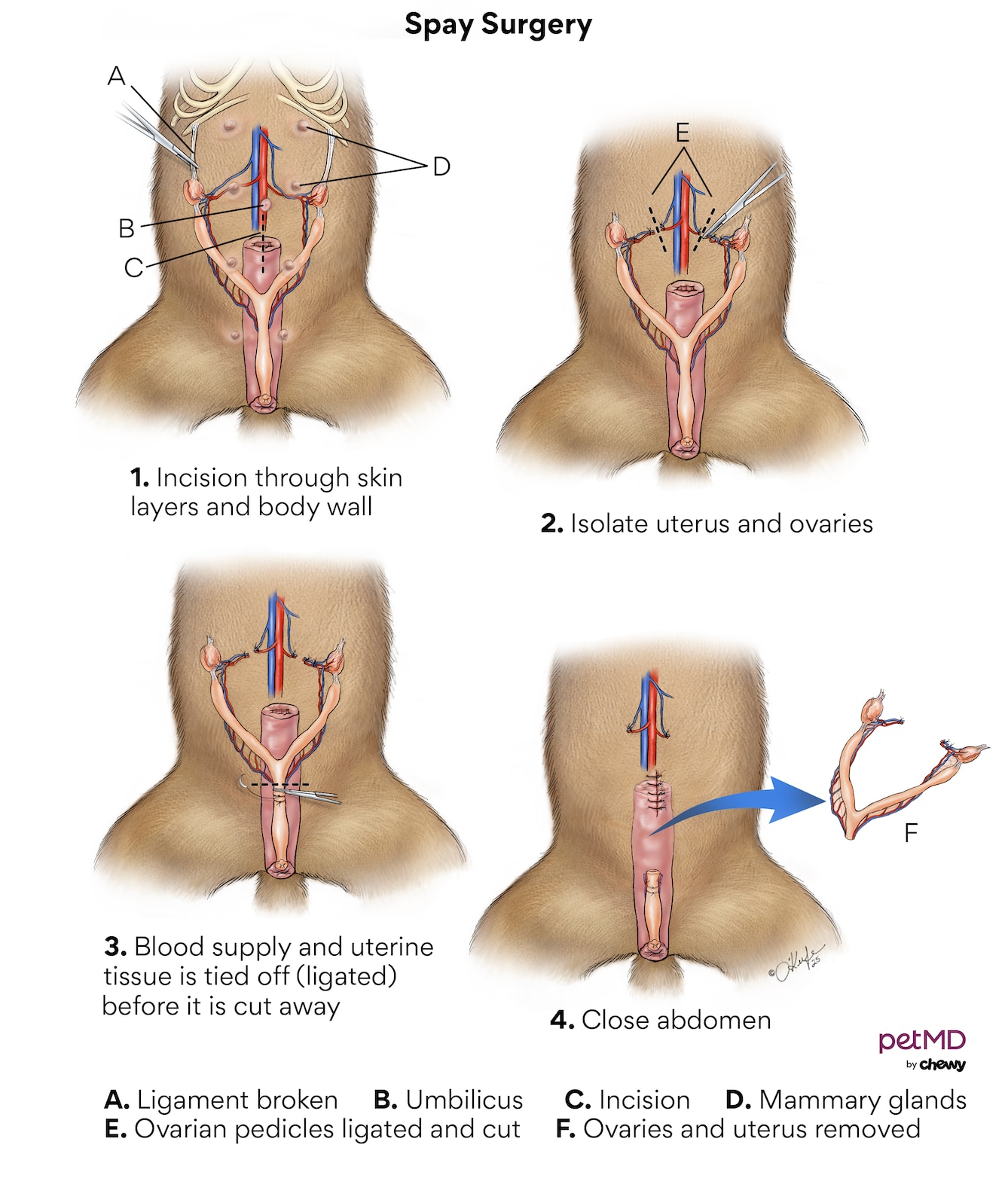
Image Source: image.petmd.com
Deciphering the Dog Spay Surgery Time
When we talk about the length of canine spay surgery, it’s important to differentiate between the time the actual cutting and sewing takes and the overall time spent at the veterinary clinic.
The Surgical Window
The core of the procedure, the ovariohysterectomy (the surgical term for spaying a female dog), is a relatively quick operation for a healthy adult dog. Veterinarians are highly skilled and efficient, especially with common surgeries like this.
- Anesthesia Induction and Monitoring: Before surgery, your dog will be sedated and then placed under general anesthesia. This process itself takes about 10-15 minutes. Throughout the surgery, an anesthesiologist or a trained veterinary technician will meticulously monitor your dog’s vital signs, including heart rate, blood pressure, respiration, and oxygen levels. This continuous monitoring is crucial for safety.
- The Surgical Incision and Removal: Once the dog is safely anesthetized, the surgeon will clip and sterilize the abdominal area. A small incision is made in the abdomen, typically along the midline. The ovaries and the uterus are then carefully identified, ligated (blood vessels are tied off) to prevent bleeding, and surgically removed. This part of the procedure usually takes around 20-40 minutes.
- Closing the Incision: After removing the reproductive organs, the internal tissues and the abdominal wall are closed with dissolvable sutures. The skin can be closed with sutures that need to be removed later, surgical glue, or staples, depending on the surgeon’s preference and the specific case. This closing process adds another 5-10 minutes to the dog spay surgery time.
So, when you hear that the how long is a dog spay procedure is about 30 to 60 minutes, this refers to the time the dog is actively on the operating table and being operated on.
The Entire Clinic Experience
The duration of dog ovariohysterectomy, in terms of the total time you and your dog will spend at the veterinary hospital, is significantly longer. This accounts for pre-operative procedures, the surgery itself, and post-operative recovery.
- Arrival and Pre-operative Checks: You’ll typically drop off your dog in the morning. The veterinary staff will review paperwork, go over consent forms, and ask any final questions. They will also perform a pre-anesthetic physical examination. This can take another 15-30 minutes.
- Preparation for Surgery: This includes placing an IV catheter for fluids and medications, administering pre-anesthetic medications to help calm the dog and reduce anxiety, and shaving and prepping the surgical site. This preparatory phase can add another 20-30 minutes.
- Surgery and Anesthesia Recovery: As mentioned, the surgery itself is 30-60 minutes. Following the surgery, your dog will be moved to a warm, comfortable recovery area. They will be closely monitored as they wake up from anesthesia. This recovery period can last anywhere from 1 to 3 hours, depending on the individual dog and the type of anesthesia used.
- Post-operative Observation and Discharge: Before you take your dog home, the veterinary team will ensure they are stable, comfortable, and awake enough to go home. They will review discharge instructions, including pain management, activity restrictions, and wound care. This final check and consultation can take another 15-20 minutes.
Therefore, the time for neutering female dogs (spaying is the equivalent term for females) from arrival to departure can easily be 4-8 hours or even longer.
Factors Influencing Dog Spay Surgery Time
While the average length of canine spay surgery is fairly consistent, several factors can influence the exact duration.
Breed and Size
Larger breeds or dogs with certain anatomical features might require slightly longer surgical times. For instance, larger dogs often have more substantial blood vessels to ligate, and their abdominal cavities might be larger, requiring a bit more time to access and manipulate the organs. However, for most routine spays, the difference is usually minimal.
Dog’s Health and Temperament
A dog that is generally healthy and calm will typically have a smoother and quicker surgical experience. If a dog is particularly anxious or has underlying health conditions that require extra precautions, the preparation and monitoring phases might be extended.
Surgical Approach
There are slightly different surgical approaches to spaying. The traditional method involves an incision along the midline of the abdomen. Increasingly, some veterinarians offer laparoscopic or keyhole spaying. This minimally invasive technique uses smaller incisions and a camera, which can sometimes lead to a slightly shorter surgical time and a faster recovery, although the setup time might be longer. The dog spay surgery time for laparoscopic procedures can be comparable or even slightly shorter for the surgical manipulation itself, but the overall process might take longer due to specialized equipment.
Complications During Surgery
While rare in routine spays, unexpected complications can arise. If the veterinarian encounters adhesions (scar tissue from previous inflammation), unexpected anatomy, or needs to manage more significant bleeding, the surgery time will naturally increase. This is why choosing an experienced and well-equipped veterinary clinic is paramount.
Post-Operative Recovery: What to Expect
The spaying a dog recovery time is as important as the surgery itself. While the surgical procedure is relatively short, your dog will need time to heal.
Immediate Post-Surgery (First 24-48 Hours)
After the duration of dog ovariohysterectomy, your dog will likely be groggy and may exhibit some changes in behavior.
- Pain Management: Your veterinarian will prescribe pain medication to keep your dog comfortable. It’s crucial to administer this medication exactly as directed.
- Activity Restriction: Your dog will need to be kept calm and quiet. This means no running, jumping, or strenuous play. Leash walks only for potty breaks.
- Incision Care: You’ll need to monitor the incision site for any signs of infection, such as redness, swelling, discharge, or heat. An Elizabethan collar (cone) or surgical suit is essential to prevent your dog from licking or chewing the incision.
- Appetite and Thirst: Your dog may have a reduced appetite for the first 24 hours but should be encouraged to drink water.
Weeks 1-2: The Main Healing Period
This is the most critical period for healing after the dog spay procedure.
- Continued Activity Restriction: This is the period where you need to be most vigilant. When can my dog resume activity after spaying? Most vets recommend strict activity restriction for at least 10-14 days. This means no off-leash running, no rough play with other pets, and keeping them on a leash for all outdoor excursions.
- Incision Monitoring: Continue to check the incision daily. If your vet used stitches that need removal, you’ll schedule a follow-up appointment, usually around 10-14 days after the surgery. If dissolvable sutures were used, they will disappear on their own.
- Behavioral Changes: Some dogs may be more lethargic or clingy during this time. Others might seem to bounce back quickly, which is why strict adherence to activity limits is so important.
Weeks 2-4: Gradual Return to Normalcy
By week two, most dogs are healing well, but it’s essential to proceed with caution.
- Resuming Activities: Your veterinarian will advise you on when your dog can gradually return to normal activities. This often involves slowly reintroducing longer walks and play sessions. However, full, unrestricted activity should generally wait until at least two weeks post-surgery, and potentially longer depending on the dog’s healing progress.
- Internal Healing: While the external incision may look healed, internal healing continues for several weeks. This is why a gradual return to activity is so important to prevent internal stitches from breaking or causing damage.
Frequently Asked Questions About Dog Spaying Duration
Here are some common questions owners have regarding the time involved in spaying their female dogs:
How long does the anesthesia last during a spay?
The anesthesia is administered for the duration of the surgery and a period afterward while the dog recovers. The actual time under anesthesia is directly related to the dog spay surgery time, typically between 30-60 minutes. However, the drug effects can linger, making the dog feel drowsy for several hours post-surgery.
Can a spay surgery take longer than expected?
Yes, while the average length of canine spay surgery is 30-60 minutes, it can take longer if the dog has unexpected anatomical issues, requires more extensive tissue manipulation, or if there are minor complications. Your veterinarian will always prioritize the safety and well-being of your dog, even if it means extending the surgical time.
How long until my dog is back to normal after spaying?
Most dogs are back to their usual selves in terms of energy and appetite within 24-48 hours, but the physical healing, especially internal healing, takes longer. Full recovery and the ability to resume all normal activities typically take about two weeks. Always follow your veterinarian’s specific post-operative instructions.
Is there a difference in time for spaying a puppy versus an adult dog?
The dog spay surgery time itself is generally similar for puppies and adult dogs. However, puppies may recover from anesthesia slightly faster. The primary consideration for spaying puppies is the timing of the procedure, which is often done around 6 months of age, before their first heat cycle.
What is the recovery time for laparoscopic spaying versus traditional spaying?
While the surgical procedure itself might have slightly different time components, laparoscopic spaying often leads to a shorter period of discomfort and a faster return to normal activity levels, sometimes within 7-10 days compared to the typical 14 days for traditional spaying. However, the spaying a dog recovery time still requires careful management of activity.
How long does it take to get the surgery scheduled?
Scheduling depends on your veterinarian’s availability and your dog’s heat cycle. Many vets prefer to spay dogs when they are not in heat, as this can reduce risks. It’s best to call your vet to discuss timing and availability. The waiting period for an appointment can vary from a few days to a few weeks.
When can my dog resume activity after spaying?
Generally, you can expect your dog to resume normal, unrestricted activity around 10 to 14 days after the spay surgery. However, it is absolutely crucial to consult with your veterinarian for personalized advice. They will assess your dog’s incision and overall condition at a post-operative check-up before giving the green light for a full return to play, running, and jumping. Until then, controlled leash walks and mental stimulation are key.
Conclusion: Planning for the Procedure
Knowing that the dog spay surgery time is relatively short, around 30-60 minutes, can be reassuring. However, the entire process, from arrival to departure, takes several hours. The most significant portion of the owner’s planning revolves around the spaying a dog recovery time, which typically requires at least two weeks of restricted activity.
By understanding the female dog sterilization duration, both in the operating room and during recovery, you can better prepare yourself and your beloved canine companion for a smooth and successful spaying procedure. Always communicate openly with your veterinarian about any concerns or questions you may have regarding the total time for dog spaying and the post-operative care. This will ensure the best possible outcome for your dog’s health and well-being.