
A common question for dog owners is: How long will my dog be in pain after neutering? Generally, most dogs experience mild to moderate post-surgery discomfort for a few days to a week after a neuter procedure. Significant pain typically subsides within 24-48 hours with proper pain management after neutering.
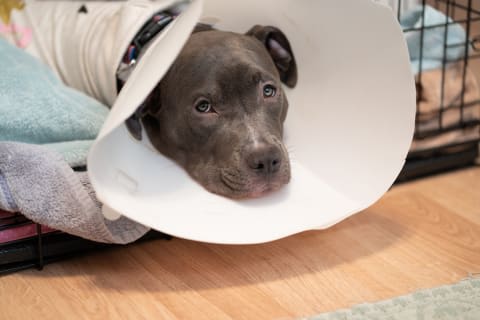
Image Source: d2zp5xs5cp8zlg.cloudfront.net
Deciphering the Neutering Pain Timeline
Bringing your furry friend home after a canine castration can be a mix of relief and concern. You’ve just gone through the procedure, and naturally, you want to know what to expect regarding their comfort levels. This guide aims to shed light on the typical neuter recovery time and what signs of pain after neuter you should be aware of.
Initial Discomfort: The First 24-48 Hours
The immediate period after surgery is when your dog will likely feel the most discomfort. This is due to the surgical incision and the effects of anesthesia. Your veterinarian will have provided pain medication to help manage this initial period.
- Activity Level: Expect your dog to be groggy and less energetic than usual. They may also be reluctant to move much.
- Appetite: Some dogs may have a reduced appetite in the first 24 hours.
- Behavior: Licking at the incision site is common, though they should have an Elizabethan collar (cone) or surgical suit to prevent this.
Gradual Improvement: Days 3-7
As the initial inflammation and anesthesia effects wear off, you should see a noticeable improvement in your dog’s comfort.
- Pain Level: The sharp pain will transition into a duller ache. They will become more willing to move around, though strenuous activity should still be restricted.
- Mobility: They will start to walk more normally, but jumping and running should be avoided.
- Incisional Site: The area around the incision might still be a bit red or swollen, which is normal.
Resuming Normalcy: Week 1 and Beyond
By the end of the first week, most dogs are well on their way to full recovery.
- Comfort: They should appear much more comfortable and energetic.
- Activity: You can gradually reintroduce normal activity levels as advised by your vet.
- Incision: The incision should be healing well, with no signs of infection.
Factors Influencing Your Dog’s Pain Experience
While the timeline above is a general guideline, several factors can influence how long your dog experiences post-surgery discomfort:
Breed and Size
Larger breeds might have a slightly longer neuter recovery time simply due to the mechanics of their bodies and potentially larger incisions. However, individual responses vary greatly.
Individual Pain Tolerance
Just like people, dogs have different pain thresholds. Some dogs are naturally more stoic and hide their discomfort, while others are more vocal.
Surgical Technique
The specific techniques used by your veterinarian can impact the level of pain and the speed of recovery. Minimally invasive techniques may result in less discomfort.
Post-Op Care
Following your vet’s instructions for post-op care dog is crucial for a smooth and comfortable recovery. This includes administering medications, preventing licking, and restricting activity.
Recognizing Signs of Pain After Neutering
It’s essential to know what to look for to ensure your dog is comfortable and healing properly. These signs of pain after neuter can range from subtle to obvious:
Behavioral Changes
- Lethargy: Excessive sleeping or unwillingness to engage in normal activities.
- Changes in Appetite: Refusing food or water, or eating much less than usual.
- Whining or Crying: Vocalizing more than usual, especially when trying to move.
- Restlessness: Difficulty finding a comfortable position, constantly shifting.
- Aggression or Irritability: Snapping, growling, or showing unusual grumpiness, especially when touched near the incision.
- Hiding: Seeking solitude in a quiet, secluded place.
Physical Signs
- Limping: Favoring one leg or showing reluctance to put weight on it.
- Swollen or Red Incision Site: While some minor swelling is normal, significant redness, swelling, or discharge could indicate a problem.
- Licking or Chewing at the Incision: This is a strong indicator of irritation or pain.
- Abdominal Discomfort: Guarding the abdomen or reacting with pain when the area is touched.
- Changes in Posture: Hunched back, tucked tail, or a generally uncomfortable stance.
Managing Your Dog’s Comfort: Essential Post-Op Care
Effective pain management after neutering goes beyond just giving medication. It involves a holistic approach to ensure your dog’s well-being during their healing after neuter.
Medication Protocol
Your veterinarian will prescribe pain relievers, often a combination of non-steroidal anti-inflammatory drugs (NSAIDs) and potentially opioids for more severe pain.
- Administer as Directed: It’s critical to give all medications exactly as prescribed and for the full duration recommended. Do not stop medication early, even if your dog seems better, without consulting your vet.
- Never Give Human Pain Relievers: Medications like ibuprofen or acetaminophen are toxic to dogs.
The Importance of the Elizabethan Collar (E-Collar) or Surgical Suit
This is perhaps the most crucial aspect of post-op care dog. Allowing your dog to lick or chew at the incision can lead to infection, dehiscence (the wound opening up), and significantly delay healing after neuter.
- Keep it On: The cone must be worn at all times, even if your dog seems to leave the incision alone. They can lick it without you noticing.
- Proper Fit: Ensure the cone is fitted correctly – it should extend beyond the tip of the nose to prevent access to the incision.
- Alternatives: If your dog tolerates it, a surgical recovery suit or a soft, flexible cone may be an option, but discuss this with your vet.
Activity Restriction: The Key to Proper Healing
This is another non-negotiable aspect of neuter recovery time. While your dog might feel better and want to run and play, their incision needs time to heal internally.
- No Running, Jumping, or Roughhousing: This includes playing fetch, wrestling with other pets, or jumping on/off furniture.
- Leash Walks Only: Keep walks short and on a leash, primarily for potty breaks. Avoid off-leash time in yards or parks.
- Crate Rest: Consider using a crate or a confined, safe space when you cannot directly supervise your dog to prevent accidental overexertion.
- When Can Dog Resume Activity? Generally, strenuous activity can be resumed after 10-14 days, or once the sutures are removed and the incision is fully healed. Always confirm this with your veterinarian.
Incision Site Monitoring
Regularly check the incision for any concerning changes.
- What to Look For: Mild redness and swelling are normal in the first few days.
- When to Call the Vet: Contact your veterinarian immediately if you observe:
- Excessive redness or swelling.
- Pus or foul-smelling discharge from the incision.
- The incision opening up.
- Significant bleeding.
- Your dog continuously trying to lick or chew the incision despite the cone.
Comfort Measures at Home
- Quiet Environment: Provide a comfortable, quiet resting area away from other pets and household commotion.
- Soft Bedding: Ensure your dog has a soft, supportive place to lie down.
- Assistance: Help your dog up or down stairs or onto furniture if they are struggling.
Veterinary Advice: When to Seek Professional Help
Your veterinary advice neuter is the most reliable source of information for your specific pet. However, here are common scenarios where you should contact your vet:
Signs of Infection
- Fever (lethargy, shivering, loss of appetite).
- Pus, foul odor, or excessive discharge from the incision.
- Increasing redness and swelling.
Incision Issues
- The incision appears to be opening or dehissing.
- Significant bleeding from the incision site that doesn’t stop with gentle pressure.
Persistent Pain or Discomfort
- If your dog remains in significant pain despite the prescribed pain medication.
- If your dog shows new or worsening signs of pain after the initial recovery period.
- If your dog is not eating or drinking after 24 hours post-surgery.
Other Concerns
- Vomiting or diarrhea.
- Difficulty urinating or defecating.
- Your dog seems generally unwell or you have any other concerns about their recovery.
Comparing Neutering Pain to Other Procedures
It’s helpful to put the canine castration pain into perspective. While it is a surgical procedure, neutering is generally considered to be one of the less painful surgeries performed on dogs. Procedures like orthopedic surgery (e.g., repairing a broken bone or cruciate ligament) typically involve much more significant pain and a longer, more intensive recovery period.
Timeline Summary: What to Expect
Here’s a simplified overview of the neuter recovery time and discomfort duration:
| Timeframe | Expected Pain Level | Key Observations & Care |
|---|---|---|
| 0-24 Hours | Mild to Moderate | Grogginess, reluctance to move, potential for some whining. Keep cone on, administer pain meds. |
| 24-48 Hours | Mild to Moderate | Gradually more alert, may start eating/drinking. Continue pain meds, restrict activity, keep cone on. |
| Days 3-7 | Mild | More mobile, but still needs restricted activity. Pain may be a dull ache. Monitor incision. |
| Week 1-2 | Minimal | Most dogs are back to normal energy levels. Gradual return to activity as advised by vet. |
| Beyond 2 Weeks | None | Full recovery expected. |
Frequently Asked Questions About Neutering Recovery
Q: Can I give my dog human pain medication if they seem to be in pain?
A: Absolutely not. Human pain medications like ibuprofen, naproxen, and acetaminophen are highly toxic to dogs and can cause severe kidney, liver, or gastrointestinal damage. Always use medications prescribed by your veterinarian.
Q: How soon can my dog resume normal activity after neutering?
A: Generally, strenuous activity like running, jumping, and playing rough can be resumed after 10-14 days, or once the sutures are removed and the incision is completely healed. Always confirm with your veterinarian based on your dog’s specific recovery.
Q: My dog is trying to lick the incision even with the cone on. What should I do?
A: This is common. Ensure the cone is properly fitted so it extends beyond your dog’s nose. If your dog is persistently bothering the incision and the cone is not preventing it, or if they manage to remove the cone, contact your vet. They might suggest an alternative, such as a surgical recovery suit.
Q: Is it normal for the incision site to be red and slightly swollen?
A: Yes, some mild redness and swelling around the incision are normal in the first few days as part of the healing process. However, if the redness or swelling increases significantly, or if there is discharge, you should contact your veterinarian.
Q: My dog is acting completely normal and seems to be in no pain. Can I take the cone off?
A: It’s crucial to keep the cone on for the entire recommended period (usually 10-14 days) and to restrict activity, even if your dog appears to be pain-free. Internal healing takes time, and without these precautions, you risk complications that can be more painful and costly in the long run.
Q: What are the signs that my dog is in too much pain?
A: Signs of excessive pain include constant whining or crying, extreme lethargy, refusal to move at all, aggressive behavior when touched, vomiting, or significant swelling/discharge from the incision. If you notice any of these, contact your veterinarian immediately.
By staying informed and attentive to your dog’s needs during their neuter recovery time, you can ensure a smooth and comfortable transition back to their happy, healthy selves. Always rely on veterinary advice neuter for the best care of your pet.