
The enduring question, “How many lives does a dog have?” is a fascinating blend of folklore and genuine affection for our canine companions. While dogs, like all living creatures, only possess one life, the myth that they have multiple lives often stems from their incredible resilience and the deep emotional bonds we share with them. This idea is particularly prevalent when compared to the well-known cat lives and the nine lives myth associated with felines.
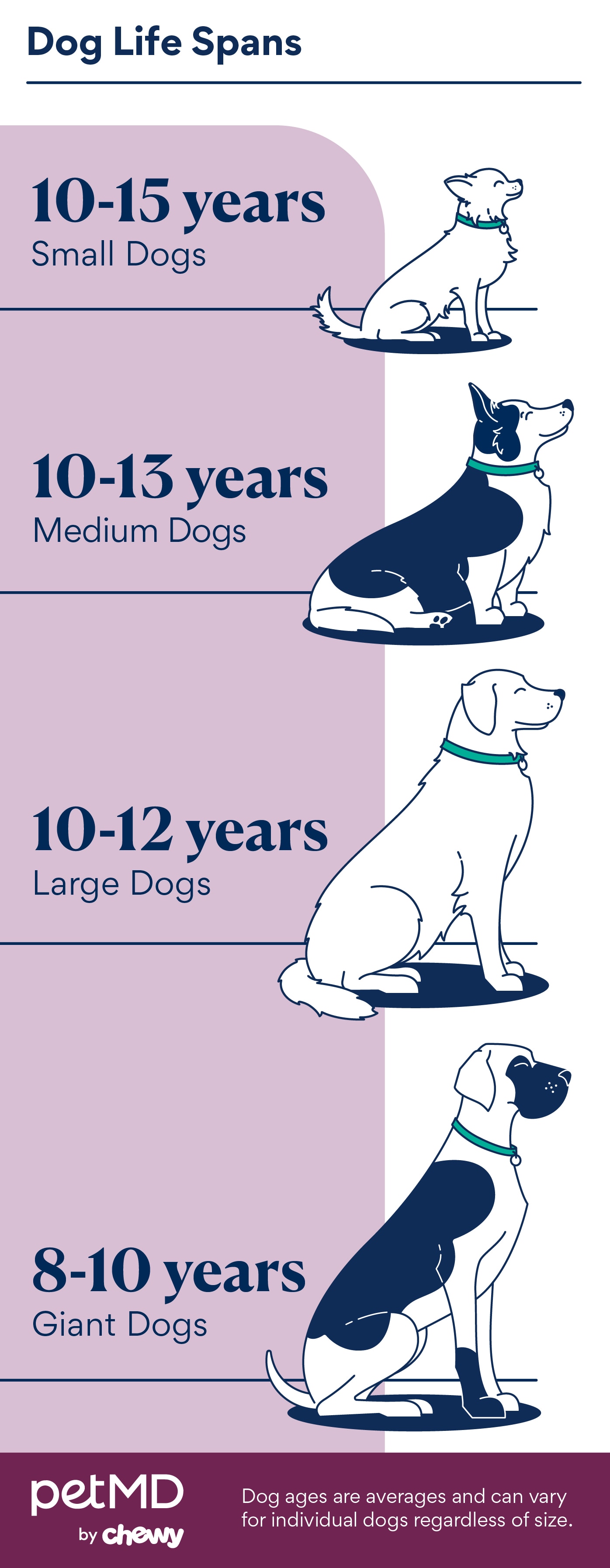
Image Source: image.petmd.com
Tracing the Origins of the “Multiple Lives” Idea
The notion of animals, especially dogs and cats, having more than one life is deeply rooted in animal folklore and ancient beliefs. These stories often served to explain the seemingly miraculous recoveries of animals from injury or illness, or to imbue them with a touch of the mystical.
The “Nine Lives” Phenomenon
When we think about animals having multiple lives, the first creature that usually comes to mind is the cat, famously attributed with possessing nine lives. This belief is so widespread that it’s become almost a universal truth in many cultures. But where did this specific number originate?
Historical Roots of the Nine Lives Myth
The number nine itself holds significant mystical and symbolic meaning across many ancient cultures and religions. It’s often associated with completion, magic, and the celestial realms.
- Ancient Egypt: Cats were revered in ancient Egypt and associated with deities like Bastet, the cat goddess. Their ability to land on their feet and their often elusive nature may have contributed to the aura of mystery and resilience that eventually evolved into the nine lives concept.
- Norse Mythology: The number nine appears frequently in Norse mythology, often signifying completeness or a significant cycle. Odin, the Allfather, is said to have hung for nine days and nine nights on the world tree, Yggdrasil, to gain wisdom.
- Christianity: The number nine is also present in Christian tradition, such as the nine orders of angels.
While the nine lives myth is most strongly linked to cats, it’s not unusual for similar sentiments to be projected onto other beloved animals, including dogs.
Why Dogs? Love, Loyalty, and Resilience
The affection humans have for dogs is profound. Their unwavering loyalty, their eagerness to please, and their ability to bounce back from various challenges can easily lead to a perception of them being unusually hardy or even possessing an extraordinary capacity for survival. When a dog overcomes a serious illness or recovers surprisingly well from an accident, it’s natural for owners to feel that their pet has “beaten the odds” and perhaps even used up one of its “extra lives.”
Debunking the Myth: The Biological Reality
From a biological standpoint, the idea of a dog having multiple lives is purely metaphorical. Dogs, like all mammals, have a singular biological lifespan.
What is Dog Life Expectancy?
The dog life expectancy varies significantly depending on several factors, including breed, size, genetics, diet, exercise, and overall healthcare.
Breed and Size Influence
Generally, smaller dog breeds tend to live longer than larger breeds. For instance, a Chihuahua might live for 15-20 years, while a Great Dane might have a lifespan of 7-10 years.
| Breed Type | Typical Lifespan (Years) | Examples |
|---|---|---|
| Small Breeds | 12-18 | Yorkshire Terrier, Dachshund, Shih Tzu |
| Medium Breeds | 10-14 | Beagle, Border Collie, Bulldog |
| Large Breeds | 8-12 | German Shepherd, Labrador Retriever |
| Giant Breeds | 6-10 | Great Dane, Mastiff, Saint Bernard |
These are average figures, and individual dogs can live shorter or longer lives.
Factors Affecting Animal Lifespan
Beyond breed, numerous other elements contribute to an animal lifespan:
- Genetics: Predisposition to certain diseases is inherited.
- Diet: A balanced, nutritious diet is crucial for overall health.
- Exercise: Regular physical activity keeps dogs fit and can prevent obesity-related health issues.
- Veterinary Care: Regular check-ups, vaccinations, and prompt treatment of illnesses significantly impact longevity.
- Environment: Safe and stimulating environments reduce stress and the risk of accidents.
- Spaying/Neutering: These procedures can reduce the risk of certain cancers and behavioral problems.
The Concept of Animal Resurrection and Reincarnation
While the idea of multiple lives for a dog is folklore, the human desire for continuity and the enduring nature of love has led to concepts like animal resurrection and animal reincarnation in various spiritual and philosophical traditions.
Spiritual and Philosophical Views
- Animal Resurrection: In some belief systems, there’s a concept of a spiritual revival or reunion with a pet in an afterlife. This isn’t about a physical return with more lives, but a spiritual continuity of the bond.
- Animal Reincarnation: Other traditions suggest that souls can be reborn into new bodies, implying a cycle of life, death, and rebirth. In this context, a beloved pet might return in a new form, but again, this is about a soul’s journey, not a dog literally having multiple lives in one existence.
These concepts, while comforting for many, are distinct from the literal interpretation of a dog having several physical lives to live. They speak to the deep connection and the hope that the love shared transcends physical existence.
Superstitions About Dogs and Their Lives
Superstitions about dogs are as old as our association with them. Many of these beliefs, while lacking scientific basis, reflect our awe and sometimes fear of these animals and their perceived connection to the unseen world.
Common Dog-Related Superstitions
- Barking at Night: In many cultures, a dog barking incessantly at night was believed to be sensing spirits or foretelling an impending death.
- Dreaming Dogs: Some superstitions suggest that dogs in dreams can represent loyalty, protection, or even a warning.
- A Dog Crossing Your Path: While often seen as good luck, in some traditions, a dog crossing your path could signify a change in fortune, good or bad.
The “multiple lives” idea, though less common as a specific superstition than with cats, can be seen as a broader belief in the extraordinary nature of dogs, their ability to endure hardship, and the almost magical quality of their companionship.
The Difference Between Myth and Reality in Animal Lifespans
It’s crucial to distinguish between the romanticized notions in animal folklore and the scientific realities of animal lifespan.
Why the Myth Persists
The persistence of the “multiple lives” myth, particularly the comparison to how many lives does a cat have, can be attributed to several factors:
- Emotional Attachment: We love our dogs deeply. When they survive a close call, it feels like a miracle, and attributing it to extra lives is a way to express that wonder.
- Observational Bias: We might notice more instances of dogs recovering from minor ailments than we remember, or we might focus on the dramatic recoveries while overlooking the times they were simply healthy.
- Cultural Osmosis: Like the nine lives myth, ideas about animal resilience can be passed down through generations and become ingrained in our collective consciousness.
- Anthropomorphism: We tend to project human qualities and experiences onto animals. If we wish for more time with them, we might imagine they have more “chances” to spend with us.
Scientific Facts About Animal Existence
Scientifically, an animal resurrection is not possible in the way folklore might suggest. Once an organism dies, its biological processes cease. Similarly, animal reincarnation, while a concept in some spiritual beliefs, is not scientifically verifiable. The focus for dog owners should be on providing the best possible care to ensure a long, healthy, and happy single life.
Maximizing Your Dog’s Single Life
Given that dogs have just one precious life, our focus should be on maximizing its quality and duration.
Essential Aspects of Canine Care
- Nutrition: Providing a high-quality, balanced diet appropriate for your dog’s age, breed, and activity level.
- Exercise: Ensuring regular physical activity to maintain muscle tone, cardiovascular health, and mental stimulation.
- Veterinary Wellness: Consistent vet visits for check-ups, vaccinations, parasite prevention, and early detection of health issues.
- Mental Stimulation: Engaging your dog with training, puzzle toys, and interactive play to prevent boredom and cognitive decline.
- Safe Environment: Protecting your dog from hazards, both in the home and outdoors.
- Socialization: Proper socialization from a young age helps dogs become well-adjusted and less prone to fear-based behaviors.
The Role of Love and Companionship
While not a scientific factor in lifespan, the emotional well-being of a dog is paramount. Dogs thrive on interaction and affection. A loving home environment, filled with attention and positive reinforcement, contributes significantly to a dog’s overall happiness and can indirectly support their health. The deep bond we share with our dogs makes their single life incredibly valuable to us.
Frequently Asked Questions (FAQ)
Q1: Do dogs really have nine lives like cats?
A1: No, dogs do not have nine lives. This is a myth, often associated with cats and their perceived agility and resilience. Dogs, like all living beings, have only one life.
Q2: Where did the idea of cats having nine lives come from?
A2: The nine lives myth for cats likely originates from ancient Egypt, where cats were revered and associated with deities. The number nine itself has mystical significance in many cultures, symbolizing completeness or good fortune, and cats’ ability to often land on their feet and survive falls may have reinforced this belief.
Q3: How long does an average dog live?
A3: The dog life expectancy varies greatly by breed, but generally, smaller dogs live longer (12-18 years) than larger dogs (6-12 years). Many factors influence this, including genetics, diet, exercise, and veterinary care.
Q4: Can a dog come back to life after dying?
A4: In a biological sense, no. Animal resurrection as a physical return from death is not possible. However, some spiritual beliefs include concepts of an afterlife or reincarnation where a pet’s spirit might continue in some form.
Q5: What are some common superstitions about dogs?
A5: Common superstitions about dogs include believing their barking at night predicts death or misfortune, or that a dog crossing your path has a specific meaning regarding luck.
Q6: How can I help my dog live a longer, healthier life?
A6: You can maximize your dog’s single life by providing proper nutrition, regular exercise, consistent veterinary care, mental stimulation, and a safe, loving environment.
Q7: Is there any truth to animal reincarnation?
A7: Animal reincarnation is a spiritual belief held by some, suggesting that animal souls may be reborn into new bodies. This is not a scientifically proven phenomenon but rather a matter of faith and philosophy.
Q8: Why is the concept of “multiple lives” so appealing for pets?
A8: The idea is appealing due to our deep emotional attachment to our pets. Their resilience in recovering from illness or injury, combined with our desire for more time with them, leads to metaphorical interpretations of them having “extra chances” or lives.
Q9: How does the lifespan of a dog compare to that of a cat?
A9: While generalizations can be difficult, on average, many smaller dog breeds have a similar or slightly longer lifespan than the average domestic cat. However, breed and individual care play more significant roles than species comparison alone.
Q10: What is the folklore behind “how many lives does a cat have”?
A10: The folklore behind how many lives does a cat have is primarily the “nine lives” myth, stemming from ancient beliefs about cats’ agility, their mysterious nature, and the mystical significance of the number nine in various cultures. This contrasts with the more straightforward reality of a dog’s single life.