
So, how many miles can a dog walk safely? Generally, most adult, healthy dogs can safely walk between 1 to 5 miles, but this is a very broad estimate and depends heavily on individual factors like breed, age, fitness, and health.
Figuring out the right dog walking distance for your furry friend is key to keeping them happy, healthy, and safe. Too little exercise and they might become bored or overweight; too much, and you risk injury or exhaustion. This guide will help you decipher how far can my dog walk and tailor a daily dog walking routine that’s perfect for them. We’ll delve into dog exercise needs, dog breed walking limits, puppy walking distance, senior dog walking, dog stamina, and the importance of safe dog walking practices to build strong dog fitness levels.
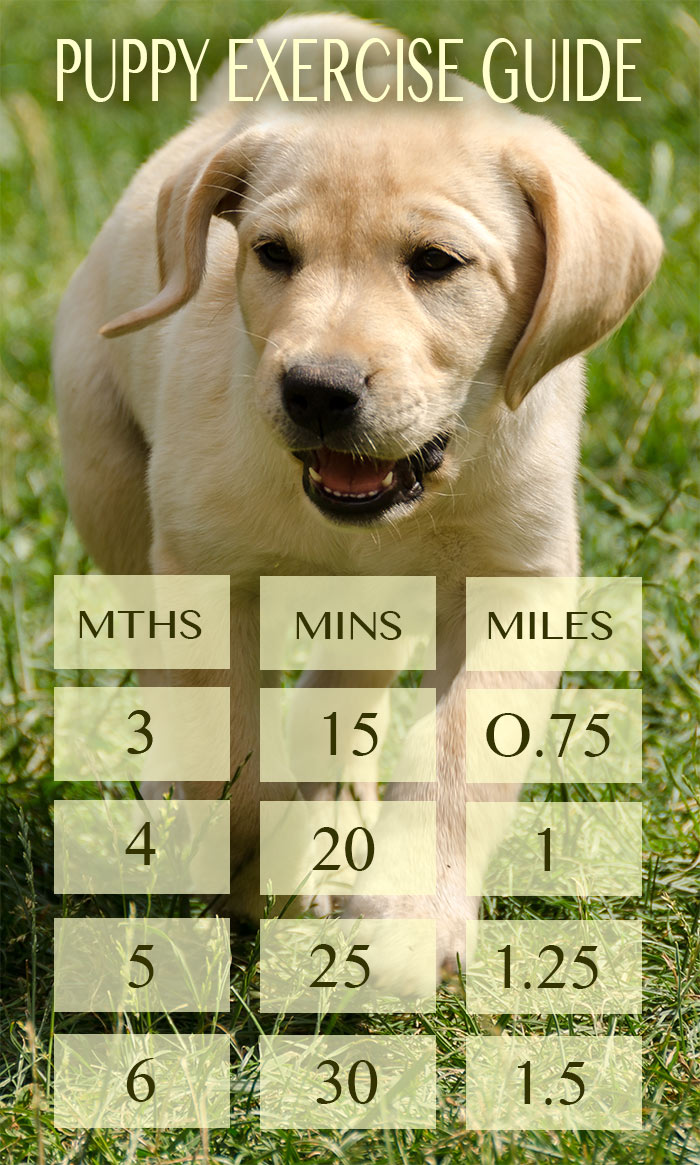
Image Source: www.thelabradorsite.com
Fathoming Your Dog’s Walking Capacity
Every dog is an individual, and their ability to cover ground on a walk varies significantly. It’s not just about how long they can go, but also about the intensity and terrain. The goal is to provide enough exercise to meet their dog exercise needs without pushing them beyond their limits.
Factors Influencing Dog Walking Distance
Several elements contribute to how many miles a dog can comfortably and safely cover:
- Breed: Some breeds are built for endurance, while others are not. Think of a Border Collie versus a Pug.
- Age: Puppies and senior dogs have different stamina levels and physical capabilities than adult dogs.
- Health: Underlying health conditions, joint issues, or cardiovascular problems can significantly impact how far a dog can walk.
- Fitness Level: A dog that walks regularly will be able to go further than one that is mostly sedentary.
- Weather Conditions: Extreme heat or cold can reduce a dog’s walking tolerance dramatically.
- Terrain: Walking on soft trails is less taxing than walking on hard pavement or uphill.
- Pace: A brisk walk requires more energy than a leisurely stroll.
Breed-Specific Walking Limits
Your dog’s breed is often the most significant indicator of their natural stamina and predisposition for long-distance walking. Some breeds are genetically predisposed to covering long distances, while others are better suited for shorter excursions.
High-Energy Breeds and Their Walking Potential
Breeds known for their high energy levels and endurance often excel at longer walks. These dogs typically have a strong drive, excellent cardiovascular systems, and the physical build for sustained activity.
- Herding Breeds: Border Collies, Australian Shepherds, and German Shepherds were bred to work long hours in open fields. They often have exceptional stamina and can happily walk for miles.
- Sporting Breeds: Labrador Retrievers, Golden Retrievers, and Vizslas are bred for retrieving game over varied terrain, often for extended periods. Many of these dogs enjoy long hikes and can cover significant distances.
- Sled Dogs: Alaskan Malamutes, Siberian Huskies, and Samoyeds are built for pulling sleds over long distances in harsh conditions. They possess incredible stamina and can often handle very long walks, provided they are properly conditioned.
For these breeds, a 5-mile walk or even longer might be achievable and beneficial, assuming they are well-conditioned and the conditions are suitable.
Moderate-Energy Breeds
Many breeds fall into the moderate-energy category. They enjoy walks and need regular exercise, but might not be suited for marathon distances on a daily basis.
- Working Breeds: Boxers, Doberman Pinschers, and Standard Poodles generally need good daily exercise but may not have the same extreme endurance as herding or sled breeds. A 2-4 mile walk could be a good starting point for them.
- Terriers: Many terrier breeds, like the Airedale Terrier or Wire Fox Terrier, have bursts of energy and can enjoy a decent walk, perhaps 2-3 miles, but might also appreciate more varied playtime.
Low-Energy Breeds and Their Limits
Brachycephalic (short-nosed) breeds and breeds with a more compact build often have lower endurance and can overheat more easily. These dogs require careful monitoring during walks.
- Brachycephalic Breeds: Pugs, Bulldogs, and Boston Terriers have breathing difficulties that can be exacerbated by strenuous exercise or heat. Shorter, more frequent walks of 1-2 miles, in cooler temperatures, are generally recommended.
- Small Breeds: While some small breeds are energetic, their smaller size means they may tire more quickly over longer distances. Breeds like Chihuahuas or Yorkshire Terriers might be happiest with 1-2 miles.
- Giant Breeds: While large, breeds like Great Danes or Mastiffs may not have the same stamina for very long walks as some other large breeds. They need moderate exercise to prevent joint strain, so 1-3 miles might be more appropriate, depending on their conditioning.
It’s crucial to remember that these are general guidelines. Even within a breed, individual dogs can vary greatly.
Age Considerations: From Puppy Paws to Senior Strides
A dog’s age is a critical factor in determining how far can my dog walk. Puppies and senior dogs have unique needs and limitations.
Puppy Walking Distance
Puppy walking distance needs to be carefully managed to protect their developing joints and bones. Overexertion can lead to long-term orthopedic problems. A common guideline is the “5-minute rule”: 5 minutes of walking per month of age, per day.
- Under 3 months: Very short walks, 5-10 minutes, perhaps twice a day, focusing on socialization and potty training.
- 3-6 months: Walks can gradually increase to 15-30 minutes, twice a day. If your puppy is 4 months old, a 20-minute walk is a good maximum.
- 6-12 months: As they approach maturity, walks can lengthen to 30-45 minutes, twice a day. Some larger breeds may need slower increases.
It’s also important to consider the surface. Puppies should not be walked on hard surfaces for extended periods. Allow them to play and explore safely. Over-exercising a puppy can do more harm than good.
Senior Dog Walking
Senior dog walking requires a gentler approach. As dogs age, their energy levels naturally decrease, and they may develop health issues like arthritis or heart conditions.
- Observe for Fatigue: Senior dogs may tire more easily. Watch for signs like lagging behind, excessive panting, or a slower pace.
- Shorter, More Frequent Walks: Instead of one long walk, several shorter, more leisurely strolls might be better.
- Monitor Joint Health: If your senior dog has arthritis, the impact of walking on hard surfaces should be minimized. Softer trails or even swimming can be good alternatives.
- Consult Your Veterinarian: Discuss your senior dog’s activity level with your vet. They can offer personalized advice based on your dog’s specific health status. A senior dog might be comfortable with 1-2 miles, or even less, depending on their condition.
Assessing and Building Dog Stamina
Dog stamina isn’t just about genetics; it’s also about conditioning. A dog that is regularly walked will build up their endurance over time.
How to Gauge Your Dog’s Stamina
Pay close attention to your dog’s behavior during and after a walk:
- During the Walk:
- Panting: Some panting is normal, but excessive, heavy panting could indicate they are overexerting themselves.
- Pace: Are they keeping up with you easily, or are they lagging behind and looking tired?
- Interest: Are they still sniffing and engaged, or are they just trying to get through it?
- After the Walk:
- Recovery Time: How long does it take for them to stop panting heavily and return to a normal resting state?
- Lethargy: Are they unusually tired or sore the next day?
- Appetite: Are they still interested in food?
If your dog shows signs of fatigue or extreme tiredness, you’ve likely gone too far.
Gradual Conditioning for Increased Distance
If you want to increase the dog walking distance you cover with your dog, do it gradually.
- Start Slow: Begin with distances your dog can comfortably manage.
- Incremental Increases: Add no more than 10-15% to the distance or duration each week.
- Rest Days: Allow for rest days, especially when increasing distance.
- Monitor Closely: Always watch for signs of fatigue or discomfort.
This approach helps build dog fitness levels safely and effectively.
Safe Dog Walking Practices
Safe dog walking is paramount to ensuring your dog has a positive and healthy experience. This includes more than just distance.
Essential Gear for Safe Walks
- Leash: A sturdy, well-maintained leash is crucial. Retractable leashes can be dangerous as they offer less control and can break.
- Collar/Harness: Ensure the collar or harness fits properly. A collar should allow two fingers to slip underneath. A harness can distribute pressure more evenly, especially for dogs that pull or have neck issues.
- Identification: Make sure your dog has an ID tag with your contact information and is microchipped.
- Water: Especially on longer walks or in warm weather, bring fresh water and a portable bowl.
- Poop Bags: Always pick up after your dog.
- Visibility Gear: For walks in low light conditions, consider reflective gear for both you and your dog.
Recognizing and Preventing Overexertion
- Heatstroke: This is a serious risk, especially for brachycephalic breeds, dark-coated dogs, or dogs with thick fur in warm weather.
- Signs: Excessive panting, drooling, bright red gums, vomiting, diarrhea, weakness, collapse.
- Prevention: Walk in cooler parts of the day, avoid hot pavement, provide plenty of water, and know when to cut a walk short.
- Paw Injuries: Hot pavement can burn paw pads. Rough terrain can cause cuts or blisters. Check your dog’s paws regularly.
- Muscle Strain or Sprains: Overexertion, especially in dogs not conditioned for it, can lead to injuries.
- Dehydration: Ensure your dog has access to water before, during, and after walks.
Terrain and Environmental Considerations
- Pavement: Hot pavement can burn paws, especially in summer. It also offers less cushioning than natural surfaces.
- Trails: Softer trails are generally easier on joints. Be aware of potential hazards like sharp rocks, thorns, or poisonous plants.
- Water Crossings: Ensure your dog is comfortable and safe when crossing streams or rivers.
- Weather: Extreme heat, humidity, cold, or ice can all pose risks.
Tailoring Your Daily Dog Walking Routine
A consistent daily dog walking routine is vital for your dog’s physical and mental well-being. The ideal routine will vary based on the factors discussed.
Creating a Balanced Routine
- Frequency: Most dogs benefit from at least one good walk per day, but many, especially active breeds, do well with two.
- Duration and Distance: Adjust based on your dog’s age, breed, and fitness.
- Intensity: Mix up brisk walks with more leisurely sniffing expeditions.
- Variety: Explore different routes to keep walks interesting and mentally stimulating for your dog.
- Other Activities: Supplement walks with playtime, fetch, or dog sports if your dog enjoys them.
What if My Dog Isn’t a Long-Distance Walker?
Not all dogs are built for miles-long treks, and that’s perfectly fine!
- Focus on Quality, Not Quantity: A shorter, more engaging walk with plenty of sniffing, training opportunities, and positive interaction can be more beneficial than a long, monotonous walk where the dog is struggling.
- Mental Stimulation: Puzzle toys, scent games, and training sessions can provide excellent mental exercise that complements physical activity.
- Short, Frequent Outings: For very young, very old, or less active dogs, several short walks throughout the day can meet their needs without overexertion.
Frequently Asked Questions (FAQ)
Here are some common questions about dog walking distance and dog exercise needs:
Q1: How far is too far for a dog to walk?
It’s too far if your dog shows persistent signs of exhaustion, severe panting, lagging behind, reluctance to move, or muscle soreness the next day. For most adult dogs, going significantly beyond 5 miles without proper conditioning and monitoring could be pushing it. Always err on the side of caution.
Q2: Can I walk my dog every day?
Yes, most dogs benefit from daily walks. The duration and intensity should be adjusted based on their individual needs. Consistency is more important than extreme distances.
Q3: How do I know if my dog is getting enough exercise?
Signs of sufficient exercise include a healthy weight, good muscle tone, a happy and engaged demeanor, and sleeping well. If your dog is destructive, overly energetic indoors, or gaining weight, they may need more exercise. If they are lethargic, sore, or unwilling to walk, they may be getting too much.
Q4: My dog is a mixed breed. How do I figure out their walking limits?
Mixed breeds can be tricky! Try to identify which breeds might be dominant in their appearance and temperament, as this can give you clues. More importantly, observe your dog. Start with moderate walks (e.g., 2-3 miles) and see how they handle it. Pay close attention to their energy levels and recovery. Gradually increase distance if they seem comfortable.
Q5: Is it okay to walk my dog in the heat?
It’s generally best to avoid strenuous walks in the heat, especially during the hottest parts of the day. Opt for early mornings or late evenings. Always provide water and watch for signs of heatstroke. Dogs can overheat very quickly.
Q6: How much walking does a puppy really need?
As mentioned, the 5-minute rule (5 minutes per month of age, per day) is a good guideline for formal walks. Puppies need socialization and exploration, but over-exercising their developing bodies can cause harm. Focus on short, frequent outings and playtime.
By carefully considering your dog’s individual characteristics and following safe dog walking practices, you can ensure that your daily dog walking routine contributes positively to their health, happiness, and longevity. Happy trails!