
The word “dog” appears in the Bible a total of 36 times. These scriptural mentions of dogs are spread across both the Old and New Testaments, offering a glimpse into how these animals were viewed and interacted with in biblical times. While not always presented in a positive light, dogs in scripture provide fascinating insights into ancient life and culture.
The role and perception of canines in the Bible are multifaceted, often reflecting societal attitudes and theological symbolism. While some passages may seem harsh, a deeper examination of the context reveals a more nuanced picture of dogs in scripture. This exploration will delve into these references, examining the specific instances and the broader implications of canine imagery in the bible.
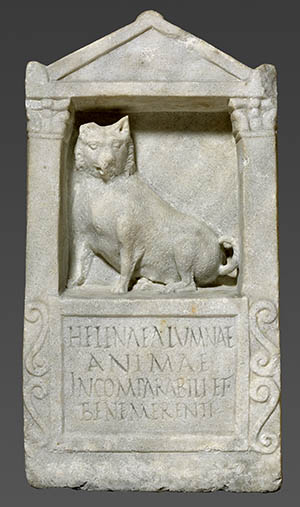
Image Source: www.biblicalarchaeology.org
Dogs in the Old Testament: A Closer Look
The Old Testament features a number of explicit dog mentions bible, providing us with a foundational understanding of their presence in ancient Israel. These references often paint a picture of dogs as scavengers or associated with less desirable roles.
Early Mentions and Societal Roles
In the early books of the Old Testament, dogs are frequently depicted in a way that might seem unflattering to modern pet owners.
- Scavengers and Outcasts: Many of the earliest references portray dogs as belonging to the streets, feeding on refuse, or acting as scavengers. This aligns with common ancient practices where stray dogs were prevalent in urban environments.
- Devaluation and Disgrace: The imagery of dogs is sometimes used metaphorically to denote extreme contempt or worthlessness. For example, in passages describing defeat or ruin, the enemy might be depicted as being eaten by dogs.
Specific Passages and Their Meanings
Let’s examine some key passages that highlight the presence of dogs in the Old Testament.
Psalm 22:16 (KJV)
“For dogs have compassed me about: the assembly of the wicked have inclosed me: they have digged my hands and my feet.”
This verse, often applied to the suffering of Christ, uses the imagery of dogs to describe the hostile and menacing crowd surrounding the psalmist. The dogs are depicted as a pack, surrounding and threatening.
Proverbs 26:11
“As a dog returneth to his vomit, so a fool returneth to his folly.”
Here, the dog’s behavior is used as a simile for foolishness and a lack of moral progress. It’s a stark image meant to illustrate the cyclical and self-destructive nature of a fool’s actions. This is one of the clearer scriptural mentions of dogs.
Exodus 11:7
“But against any of the children of Israel shall not a dog move his tongue, against man or beast: that ye may know how that the LORD doth put a difference between the Egyptians and Israel.”
This verse is significant because it suggests a protective divine intervention for the Israelites, where even the animals, including dogs, would remain silent and inactive in their presence during a period of divine judgment. It highlights a distinction being made, showing that “dogs” were indeed present in Egypt.
1 Samuel 24:14
“After whom is the king of Israel come out? after a dead dog, after a flea, after a partridge, huntest thou?”
King David uses the term “dead dog” to describe himself in relation to King Saul. This self-deprecation emphasizes his perceived lowliness and insignificance compared to the powerful king he is fleeing from. The phrase “dead dog” certainly reflects a negative connotation for canines in this context.
2 Samuel 9:8
“And he answered, What is thy servant, that thou shouldest look after a dead dog like me?”
Mephibosheth, crippled and exiled, refers to himself as a “dead dog” when speaking to David. This again highlights the association of dogs with worthlessness or a lowly status.
Dogs in Old Testament Law and Ritual
While not explicitly detailed, there are implications in the Mosaic Law regarding animals, including canines.
- Unclean Animals: While dogs are not specifically listed as “unclean” in the same way as pigs or certain birds in Leviticus 11, their association with scavenging and the streets often placed them outside the realm of prized domestic animals used for sacrifices or even as pets in the same way some other animals might have been. However, the absence of an explicit “unclean” designation means they were not universally forbidden.
The consistent depiction of dogs in these less-than-ideal roles suggests that their place in ancient Israelite society was primarily that of functional animals, often on the fringes.
Canines in the New Testament: A Shift in Perspective?
The New Testament continues to mention dogs, but the context and implications can sometimes differ. While still not always elevated, the references can offer slightly different shades of meaning.
Explicit Dog Mentions Bible in the Gospels
The Gospels provide some of the most memorable and debated biblical references to dogs.
Matthew 15:26-27 and Mark 7:27-28
These parallel passages record Jesus’ interaction with the Syrophoenician woman.
* Matthew 15:26-27 (NIV): “He replied, ‘It is not right to take the children’s bread and toss it to their dogs.’ ‘Yes, Lord,’ she said, ‘but even the dogs eat the crumbs that fall from their masters’ tables.'”
* Mark 7:27-28 (NIV): “He told her, ‘First let the children eat their fill; it is not right to take their food and toss it to their dogs.’ ‘Lord,’ she replied, ‘even the dogs under the table eat the children’s crumbs.'”
This is a pivotal exchange. Jesus’ initial statement, “It is not right to take the children’s bread and toss it to their dogs,” uses “dogs” to refer to Gentiles (non-Jews). While this might sound harsh, scholars debate whether Jesus was simply stating a common, albeit prejudiced, societal view, or if he was testing the woman’s faith and humility. The woman’s astute reply, comparing herself and her people to dogs waiting for crumbs, demonstrates her faith and leads to Jesus granting her request. This narrative, therefore, redeems the word “dog” from being purely derogatory, showing a compassionate interaction. It is a key example of the nuance in scriptural mentions of dogs.
Dogs in the Epistles
The Epistles offer further context for the portrayal of canines.
Philippians 3:2
“Watch out for those dogs, those evildoers, those mutilators of the flesh.”
The Apostle Paul uses “dogs” here as a derogatory term to describe a group of people who insisted on the necessity of circumcision for salvation, a practice Paul vehemently opposed. This is a clear example of the word being used pejoratively, indicating a lack of spiritual integrity or a dangerous opposition to the truth. These are strong examples of the symbolic use of canines in the bible.
Revelation 22:15
“Outside are the dogs and sorcerers and the sexually immoral and murderers and idolaters and everyone who loves and practices falsehood.”
In the final book of the Bible, the Book of Revelation, dogs are listed among those excluded from the New Jerusalem. Similar to Paul’s usage in Philippians, this reference uses “dogs” as a term of exclusion and disapproval, associating them with those who practice wickedness and deception.
Scriptural Mentions of Dogs: A Statistical Overview
While pinpointing an exact count can sometimes depend on translation and how certain animal terms are interpreted, the general consensus for explicit dog mentions bible is around 36. This number allows us to analyze the frequency and context of their appearance.
Here’s a breakdown of the approximate number of times dogs are mentioned, categorized by testament:
| Testament | Approximate Mentions | Key Themes |
|---|---|---|
| Old Testament | ~25 | Scavengers, outcasts, associated with shame and contempt, metaphorical uses for enemies or low status. Examples: Proverbs, Psalms, Samuel. |
| New Testament | ~11 | Used metaphorically for groups opposing Christian teachings (Paul), and in a challenging but ultimately compassionate interaction (Jesus with the Syrophoenician woman), and in lists of those excluded from God’s kingdom. Examples: Matthew, Mark, Philippians, Revelation. |
It’s important to note that some scholars might include passages where “dogs” is implied or used in a very broad sense. However, focusing on direct references gives us the 36 count. This number highlights that while not a central theme, dogs are present enough to offer commentary on their societal standing and symbolic representation.
Dog Symbolism Bible: Interpreting the Canine Presence
The various scriptural mentions of dogs lead to an exploration of dog symbolism bible. What did the presence and depiction of canines signify within the biblical narrative?
- Lowliness and Humiliation: As seen in David’s and Mephibosheth’s self-references, dogs were associated with being lowly, insignificant, or even despised.
- Vigilance and Protection (Less Common): While not the primary symbolism, in some ancient Near Eastern cultures, dogs were kept as guards. This aspect is less prominent in the biblical text, which tends to focus on their more common, less flattering roles.
- The “Other” or Outsider: The use of “dogs” to refer to Gentiles by the Syrophoenician woman and by Paul in Philippians indicates that dogs could symbolize those outside the covenant community or those considered ritually impure in certain contexts.
- Uncleanliness and Corruption: Their association with scavenging and refuse links them to a state of uncleanness, making the term a potent descriptor for moral or spiritual corruption in passages like Revelation.
These symbolic interpretations are crucial for grasping the full meaning behind the scriptural mentions of dogs. The canine imagery bible provides a window into the authors’ and audience’s perceptions.
Animals in the Bible: Dogs in Context
To fully appreciate the scriptural mentions of dogs, it’s helpful to place them within the broader context of animals in the bible. The Bible mentions a vast array of creatures, each carrying its own set of associations.
- Livestock: Animals like sheep, goats, cattle, and donkeys were central to ancient Israelite life, providing food, labor, and materials for clothing. They are often associated with provision, sacrifice, and daily sustenance.
- Wild Animals: Lions, bears, wolves, and serpents appear frequently, often symbolizing danger, power, or wildness.
- Birds: Birds are mentioned in various contexts, from sacrifices (doves and pigeons) to food and even as metaphors for freedom or vulnerability.
- Insects and Reptiles: Even smaller creatures like locusts and snakes have significant roles, often symbolizing judgment or pestilence.
Compared to animals like sheep (central to the shepherd metaphor for God and leaders) or doves (symbolizing the Holy Spirit), dogs occupy a less prominent and often less favorable position in the biblical narrative. However, their consistent, albeit infrequent, presence means they are not entirely absent from the tapestry of animals in the bible.
Fathoming the Nuances of Canine References
The explicit dog mentions bible are not uniform in their presentation. Fathoming the nuances requires careful attention to the surrounding verses and the specific theological or social point being made.
- Figurative vs. Literal: It’s essential to distinguish when “dog” is used literally (referring to the animal) and when it’s figurative (as a metaphor or insult). Most of the New Testament references lean towards the figurative, while many Old Testament references are more literal, though often imbued with negative connotations.
- Cultural Context: The perception of dogs in the ancient Near East was generally different from modern Western views. While some cultures kept dogs as companions or guards, their presence often meant stray animals scavenging in public spaces. This context informs many of the biblical portrayals.
Frequently Asked Questions (FAQ)
Q1: Are dogs considered clean or unclean animals in the Bible?
The Bible doesn’t explicitly classify dogs as “unclean” in the same way it does animals like pigs in Leviticus 11. However, their association with scavenging and the streets meant they were often considered ritually impure by association, or at least not highly regarded.
Q2: Did Jesus like dogs?
Jesus’ interaction with the Syrophoenician woman in Matthew 15 and Mark 7 is complex. While his initial statement about “dogs” might seem harsh by modern standards, his eventual praise of the woman’s faith and granting her request shows compassion. It suggests that he recognized the value of all who sought Him, even using a culturally loaded term in a way that ultimately led to a profound demonstration of grace.
Q3: Are there any positive mentions of dogs in the Bible?
Positive mentions are rare. The most significant aspect that leans towards a less negative view is the woman’s retort in the Gospels, which reframes the “dog” as one who can still receive blessings. Otherwise, the mentions tend to be neutral or negative, often used metaphorically for contempt or shame.
Q4: What does it mean when the Bible calls someone a “dog”?
When the Bible calls a person a “dog,” it is almost always a severe insult. It implies they are contemptible, worthless, impure, or aggressively hostile and wicked, as seen in Philippians 3:2 and Revelation 22:15.
Q5: Why are dogs mentioned so infrequently compared to other animals?
The primary reason is likely their societal role and perception. Animals central to daily life like sheep and cattle, or those with strong symbolic meaning like doves and lions, naturally appear more often. Dogs, while present, didn’t hold the same prominent position in religious observance or as primary metaphors for divine care or even divine judgment in the way some other animals did.