
A dog typically has about 70-80 milliliters of blood per kilogram of body weight. This means a 20-pound (9 kg) dog will have roughly 630-720 ml of blood, while a 70-pound (32 kg) dog could have 2.2-2.5 liters.
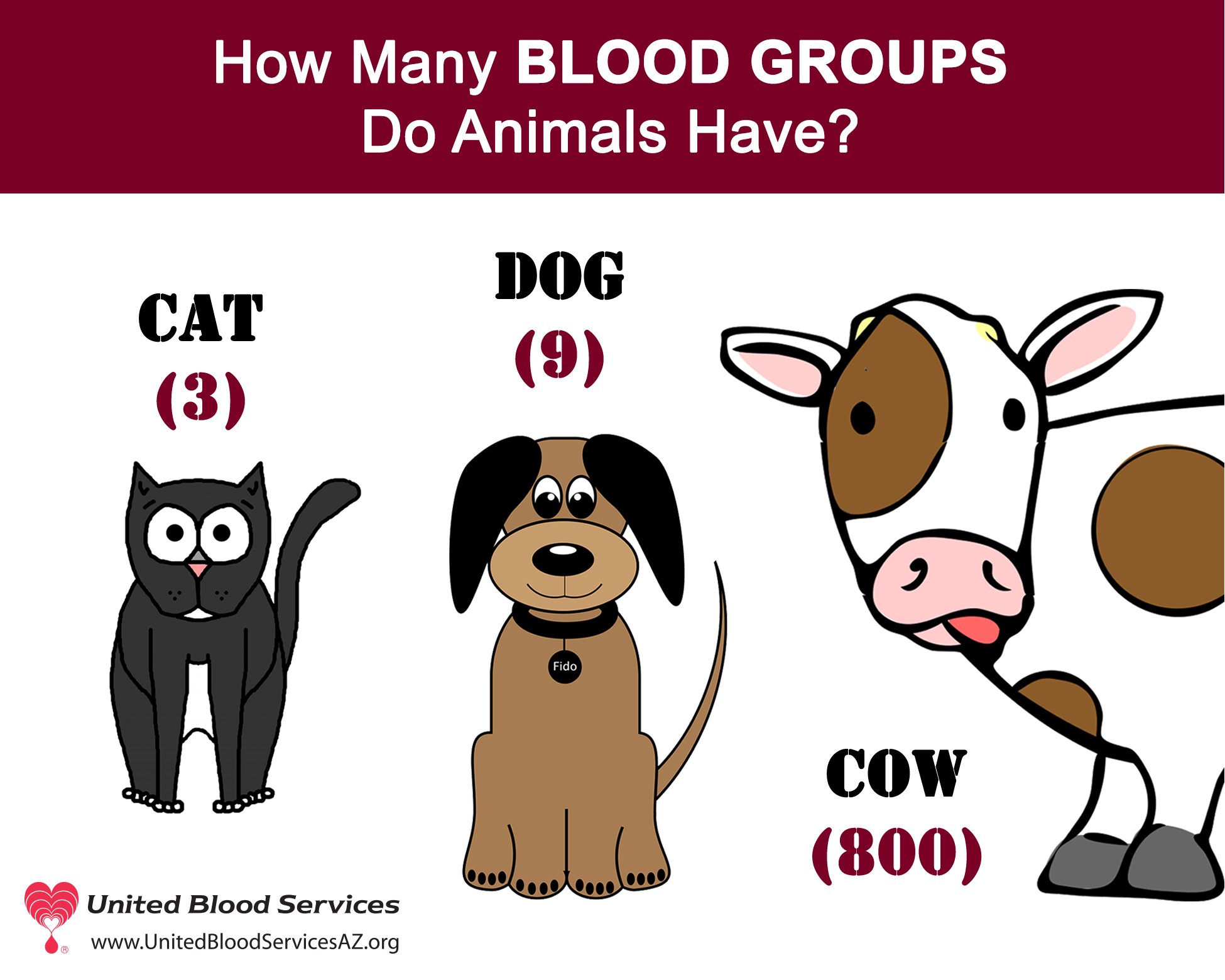
Image Source: pbs.twimg.com
Estimating Your Dog’s Blood Quantity
Knowing how much blood a dog has is important for pet owners, especially in emergencies or when discussing medical treatments with a veterinarian. The dog blood volume is a crucial factor in many health assessments. This article aims to shed light on the canine blood quantity, what influences it, and how it’s measured.
What Determines Dog Blood Volume?
Several factors play a role in determining the blood amount in dogs. These include:
- Body Weight: This is the primary factor. Larger dogs naturally have more blood than smaller dogs.
- Breed: While weight is key, some breeds might have slightly different blood volumes due to their body composition.
- Age: Puppies generally have a lower blood volume relative to their body weight compared to adult dogs. As dogs age, their body composition can change, which might subtly influence blood volume.
- Health Status: Dogs with certain medical conditions, like anemia or dehydration, will have a lower circulating blood volume. Conversely, conditions leading to increased fluid retention could temporarily affect this.
- Body Composition: The ratio of muscle to fat can influence blood volume. Muscle tissue is more vascularized than fat tissue, meaning areas with more muscle might support a slightly higher blood volume.
The Science Behind Blood Volume in Canines
The total blood volume in a dog is not a fixed number; it fluctuates. It’s a dynamic system that helps maintain homeostasis. Blood has many jobs, like carrying oxygen, nutrients, and hormones, and removing waste products.
Components of a Dog’s Blood
A dog’s blood is made up of two main parts:
- Plasma: This is the liquid component, mostly water, but it also contains proteins, salts, and other essential substances. Plasma makes up about 50-60% of a dog’s blood volume.
- Blood Cells: These are suspended in plasma and include:
- Red Blood Cells (Erythrocytes): These carry oxygen from the lungs to the rest of the body.
- White Blood Cells (Leukocytes): These are part of the immune system, fighting infections.
- Platelets (Thrombocytes): These help in blood clotting to stop bleeding.
Normal Blood Levels in Dogs
Veterinarians often check normal blood levels in dogs as part of routine health exams or when diagnosing illnesses. These levels are measured through blood tests and provide vital insights into a dog’s health. Some key dog blood parameters include:
- Red Blood Cell Count (RBC): Measures the number of red blood cells.
- Hemoglobin (HGB): The protein in red blood cells that carries oxygen.
- Hematocrit (HCT): The percentage of blood volume that is made up of red blood cells. This is a common indicator used when estimating dog blood volume. A typical HCT for dogs is between 35% and 55%.
- White Blood Cell Count (WBC): Measures the number of white blood cells.
- Platelet Count: Measures the number of platelets.
Calculating Dog Blood Volume
Estimating dog blood volume is essential for veterinary medicine, especially when preparing for surgery, blood transfusions, or managing blood loss.
A Simple Formula for Estimation
A common method for estimating dog blood volume uses a simple calculation based on body weight. The widely accepted estimate is:
Blood Volume (in milliliters) = Body Weight (in kilograms) × 70 to 80 ml/kg
Let’s break this down with an example:
- Dog’s Weight: 15 kg (approximately 33 pounds)
- Calculation: 15 kg × 70 ml/kg = 1050 ml
- Calculation: 15 kg × 80 ml/kg = 1200 ml
- Estimated Blood Volume: 1050 ml to 1200 ml (or 1.05 to 1.2 liters)
This formula provides a good approximation for the blood volume of a pet.
Advanced Measurement Techniques
While the estimation formula is practical, more precise methods exist, though they are typically used in research or specific clinical scenarios:
- Dye Dilution Method: A known amount of a dye that binds to plasma proteins is injected into the bloodstream. After the dye mixes throughout the blood, a blood sample is taken, and the dye concentration is measured. This helps determine the plasma volume, from which total blood volume can be calculated.
- Red Blood Cell Labeling: Similar to the dye dilution method, a known amount of a dog’s own red blood cells, labeled with a radioactive isotope or a fluorescent dye, is reinjected. The concentration of these labeled cells in a subsequent blood sample allows for the calculation of red blood cell volume and, subsequently, total blood volume.
These advanced techniques offer greater accuracy but are more complex and time-consuming than simple weight-based estimations.
How Much Blood Can a Dog Lose Safely?
This is a critical question for pet owners and veterinarians. The amount of blood a dog can lose before it becomes life-threatening depends on its total dog blood volume.
Maximum Blood Loss Tolerance
Generally, a dog can tolerate losing up to 10-15% of its total blood volume without severe consequences. This is considered mild blood loss.
- Mild Blood Loss (10-15%): Symptoms might be subtle, such as slight paleness of the gums or mild weakness.
- Moderate Blood Loss (15-25%): This can lead to more noticeable signs like pale gums, increased heart rate, weakness, and rapid breathing.
- Severe Blood Loss (25-40%): This is a critical situation. Signs include very pale or white gums, rapid and weak pulse, extreme lethargy, collapse, and potentially shock.
- Life-Threatening Blood Loss (Above 40%): Losing more than 40% of a dog’s blood volume is usually fatal without immediate and aggressive intervention.
Estimating dog blood volume is crucial here. For a 15 kg dog with an estimated blood volume of 1050-1200 ml:
- 10% loss: 105-120 ml lost.
- 20% loss: 210-240 ml lost.
- 40% loss: 420-480 ml lost.
This means a 15 kg dog could potentially lose up to about 420-480 ml of blood before it’s in grave danger.
Factors Influencing Blood Loss Tolerance
The ability of a dog to withstand blood loss is also influenced by:
- Rate of Blood Loss: Slow, chronic blood loss can be better tolerated than sudden, acute bleeding because the body has time to compensate.
- Overall Health: A healthy dog with good cardiovascular function will cope better than a dog with underlying heart disease or other health issues.
- Age: Very young puppies and elderly dogs may be more susceptible to the effects of blood loss.
Blood Transfusions and Blood Volume
Blood transfusions are a critical medical intervention for dogs experiencing significant blood loss, anemia, or certain diseases. The blood volume calculation for dogs is paramount in determining the appropriate amount of blood to transfuse.
Why Transfusions Are Needed
- Trauma: Accidents leading to internal or external bleeding.
- Surgery: Blood loss during surgical procedures.
- Anemia: Conditions where the body doesn’t produce enough red blood cells or they are destroyed too quickly.
- Diseases: Certain infections or immune-mediated diseases can affect blood cell production or survival.
- Toxins: Ingestion of certain substances can damage red blood cells.
Calculating Transfusion Volume
Veterinarians use the dog’s weight and packed cell volume (PCV) or hematocrit (HCT) to calculate the volume of packed red blood cells needed. A typical transfusion aims to raise the recipient dog’s PCV by a certain percentage.
The formula for calculating the volume of packed red blood cells (PRBCs) to transfuse is:
Volume of PRBCs (in ml) = [Target PCV (%) – Recipient PCV (%)] / Donor PCV (%) × Recipient Blood Volume (ml)
Let’s use our 15 kg dog example again. Assume its current PCV is 25%, and the donor blood has a PCV of 40%. The veterinarian wants to raise the recipient’s PCV to 35%.
- Recipient Blood Volume: 1125 ml (using the midpoint of 75 ml/kg for this example)
- Volume of PRBCs: [(35 – 25) / 40] × 1125 ml
- Volume of PRBCs: (10 / 40) × 1125 ml
- Volume of PRBCs: 0.25 × 1125 ml = 281.25 ml
So, approximately 281 ml of packed red blood cells would be transfused. This is a significant portion of the dog’s total blood volume, highlighting the importance of accurate dog blood volume calculations.
Factors Affecting Dog Blood Volume in More Detail
We’ve touched on several factors, but let’s delve deeper into how they influence a dog’s blood volume.
Breed and Size Specifics
While weight is the most significant predictor, breed can introduce nuances. Some large breeds with very lean, muscular builds might have a slightly higher blood volume relative to their weight compared to breeds with a stockier build or a higher percentage of body fat. However, these differences are generally minor and often overshadowed by individual variations in body composition.
Age-Related Changes
- Puppies: Their developing bodies require a significant amount of blood to support growth and oxygenation. However, the sheer size difference means a puppy has less total blood than an adult dog. Furthermore, the percentage of plasma to cells might differ slightly in very young animals.
- Senior Dogs: As dogs age, body composition can change. Muscle mass might decrease, and fat mass might increase. This shift could theoretically lead to a slight decrease in overall blood volume capacity, as muscle is more vascularized. Also, age-related diseases can impact the body’s ability to maintain optimal blood volume.
Physiological States
- Hydration: Dehydration directly reduces plasma volume, thus lowering total blood volume. Conversely, overhydration can temporarily increase plasma volume.
- Pregnancy and Lactation: Pregnant and nursing dogs have increased physiological demands. Their blood volume typically expands to support fetal development and milk production. This is a normal physiological response.
- Excitement and Stress: During periods of excitement or stress, a dog’s body can release hormones like adrenaline. This can cause a temporary shift of fluid from tissues into the bloodstream, potentially increasing plasma volume slightly for a short duration. This is often referred to as “excitement hemoconcentration.”
Pathological Conditions
- Anemia: This is a condition characterized by a deficiency of red blood cells or hemoglobin, resulting in reduced oxygen-carrying capacity of the blood. While the total blood volume might be normal, the effective blood volume (meaning the volume carrying sufficient oxygen) is reduced. In some types of anemia, the body might compensate by increasing plasma volume to maintain circulation.
- Heart Disease: Dogs with heart conditions may have altered blood volume. Some conditions can lead to fluid retention (edema), which increases the overall fluid in the body, but not necessarily the functional blood volume. Others might lead to reduced cardiac output, affecting how efficiently blood circulates.
- Kidney Disease: The kidneys play a crucial role in regulating blood volume by managing fluid and electrolyte balance. Kidney disease can disrupt this regulation, leading to either fluid overload or dehydration.
- Sepsis (Bloodstream Infection): In severe infections, the body can release inflammatory mediators that cause blood vessels to widen and become more permeable. This can lead to a significant drop in effective blood volume due to fluid leaking out of the vessels, a condition known as distributive shock.
Diagnostic Tools and Blood Volume
Veterinarians use various diagnostic tools to assess a dog’s blood and its volume.
Complete Blood Count (CBC)
The CBC is a fundamental diagnostic test that provides a wealth of information about a dog’s blood. It includes:
- Red Blood Cell Parameters: RBC count, Hemoglobin, Hematocrit. The HCT is a key value used in blood volume calculation for dogs.
- White Blood Cell Parameters: Total WBC count and differential (types of white blood cells).
- Platelet Count: Essential for assessing clotting ability.
Abnormalities in these dog blood parameters can indicate underlying diseases affecting blood volume or its components. For example, a low HCT often points to anemia, which directly impacts the oxygen-carrying capacity of the blood.
Packed Cell Volume (PCV)
PCV is directly measured in the lab by spinning a small amount of blood in a capillary tube. The red blood cells settle at the bottom, and their volume is expressed as a percentage of the total blood volume. It’s a quick and easy way to get an estimate of red blood cell concentration, crucial for transfusion calculations and assessing hydration status.
Total Solids (TS)
Total solids in plasma can give an indication of protein levels and hydration. Elevated total solids can suggest dehydration, while low levels might indicate protein loss or poor production.
FAQs About Dog Blood Volume
Here are some common questions pet owners might have about their dog’s blood volume:
Q1: Can I tell how much blood my dog has by looking at it?
A1: No, you cannot accurately determine the amount of blood a dog has just by looking at it. The dog blood volume is an internal measurement based on body weight and composition.
Q2: Is my dog’s blood volume the same as a cat’s?
A2: No, the blood volume of a pet varies by species. Cats generally have a lower blood volume relative to their body weight compared to dogs.
Q3: How much blood can a vet safely take from my dog for testing?
A3: For routine diagnostic tests, a veterinarian will typically draw a very small amount of blood, usually no more than 1-2% of the dog’s total blood volume. This is a negligible amount that the dog’s body can easily replenish.
Q4: What happens if my dog loses too much blood?
A4: If a dog loses too much blood (exceeding 10-15% of its total dog blood volume), it can lead to anemia, weakness, pale gums, rapid heart rate, and eventually shock and potentially death if not treated promptly.
Q5: How often does my dog’s blood get replenished?
A5: The body constantly produces new blood cells. Red blood cells have a lifespan of about 100-120 days, after which they are replaced. Plasma is a fluid component and is more rapidly regulated. The body is always working to maintain the correct canine blood quantity.
Q6: Can dog breeds have significantly different blood volumes?
A6: While breed can play a minor role due to differences in body composition, weight is the most significant factor in estimating dog blood volume. A large breed dog will have more blood than a small breed dog, even if they are of similar health and age.
Q7: How can I help my dog maintain healthy blood levels?
A7: Providing a balanced, nutritious diet, ensuring adequate hydration, regular exercise, and attending regular veterinary check-ups are key to maintaining your dog’s overall health, including healthy blood parameters and volume.
Conclusion
Dog blood volume is a fascinating and critical aspect of canine physiology. While a simple weight-based formula offers a reliable estimate for everyday purposes and emergency planning, understanding the underlying factors and veterinary practices provides a comprehensive view. From maintaining oxygen transport to enabling life-saving transfusions, the blood amount in dogs is a vital indicator of their health and well-being. By staying informed, pet owners can better support their canine companions and work effectively with veterinary professionals to ensure the best possible care.