
How much does a splenectomy cost for a dog? The average cost for a splenectomy in dogs can range from $1,500 to $5,000, but this is a broad estimate and can vary significantly. This cost typically includes pre-operative diagnostics, the surgery itself, anesthesia, hospitalization, pain management, and post-operative care.
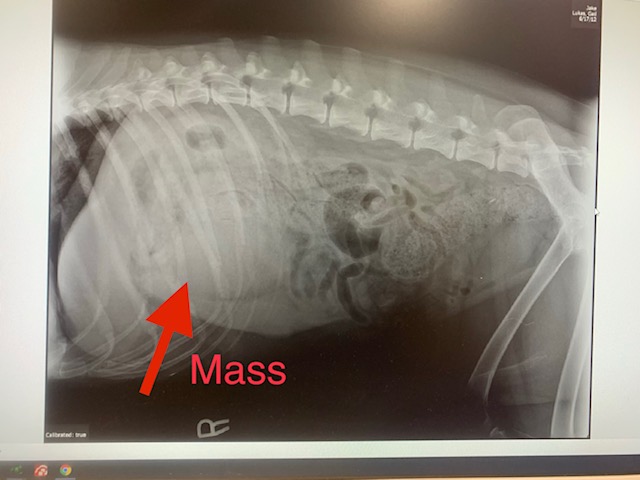
Image Source: davidsonvet.com
Deciphering the Expense of Canine Splenectomy
When your veterinarian recommends a splenectomy for your canine companion, a significant concern for many pet parents is the financial aspect. The spleen removal surgery cost is not a one-size-fits-all figure. It’s a complex calculation influenced by numerous factors, from the geographic location of your veterinary clinic to the specific reason your dog needs the surgery. This guide aims to shed light on the various components that contribute to the canine splenectomy price and help you prepare for this important medical procedure.
The Crucial Role of the Spleen in Canine Health
Before diving into the costs, it’s essential to understand why the spleen is so vital. The spleen is an organ in the abdomen that acts as a filter for blood. It removes old or damaged red blood cells and plays a role in the immune system by housing white blood cells. When problems arise with the spleen, such as tumors, cysts, or trauma, surgical removal (splenectomy) may be necessary for your dog’s health and survival.
Factors Influencing Splenectomy Costs
Several elements combine to determine the overall cost of dog spleen surgery. Understanding these can help you budget and discuss the procedure with your vet more effectively.
1. Pre-Operative Diagnostics: The Foundation of Surgery
Before any surgery, thorough diagnostics are crucial to ensure your dog is a good candidate and to identify any underlying issues that might complicate the procedure. This often includes:
- Blood Work: A complete blood count (CBC) and chemistry panel are essential. These tests assess organ function, detect anemia, infection, or clotting disorders.
- CBC: Evaluates red blood cells, white blood cells, and platelets.
- Chemistry Panel: Checks kidney, liver, and electrolyte levels.
- Urinalysis: Provides information about kidney function and can detect urinary tract infections.
- Coagulation Profile: Especially important if a spleen mass is suspected, as it checks for proper blood clotting.
- Imaging:
- Radiographs (X-rays): Can reveal enlarged spleen size, potential masses, or other abdominal abnormalities.
- Abdominal Ultrasound: Offers a more detailed view of the spleen and surrounding organs, helping to identify masses, fluid, or other issues.
- Echocardiogram (Heart Ultrasound): May be recommended, especially for larger breeds or dogs with known heart conditions, to assess cardiac health before anesthesia.
The splenectomy procedure cost dog will inherently include these preparatory steps, which are non-negotiable for a safe surgery.
2. The Surgical Procedure Itself
The actual surgery is a significant part of the splenectomy surgery cost dog. This encompasses:
- Anesthesia: General anesthesia is required to keep your dog comfortable and still during the procedure. This includes anesthetic agents, monitoring equipment, and the expertise of the veterinary anesthesiologist or surgeon.
- Surgical Supplies and Instruments: Sterile drapes, gowns, gloves, sutures, specialized surgical tools, and energy devices (like electrocautery for sealing blood vessels) all contribute to the cost.
- Surgeon’s Fee: The skill and experience of the veterinary surgeon performing the splenectomy are a primary cost driver. This is often higher if a board-certified surgeon is involved.
- Operating Room Fee: The use of a dedicated, sterile surgical suite with specialized lighting and equipment incurs a fee.
3. Post-Operative Care and Hospitalization
After the surgery, your dog will require intensive monitoring and care, contributing to the overall veterinary spleen removal cost.
- Hospitalization: Dogs typically need to stay at the veterinary clinic for one to three days (or longer, depending on their recovery) for observation, pain management, and wound care. This includes the cost of the kennel, nursing care, and monitoring.
- Pain Management: Effective pain relief is critical. This involves injectable and oral pain medications to ensure your dog’s comfort during recovery.
- Medications: Antibiotics may be prescribed to prevent infection, along with other medications as needed.
- Bandaging and Wound Care: The surgical incision will be monitored and may require bandaging.
- Follow-up Visits: Post-operative check-ups are necessary to monitor healing, remove sutures, and assess your dog’s overall recovery.
4. Geographic Location and Veterinary Practice Type
Where you live can significantly impact costs. Veterinary services in major metropolitan areas or regions with a higher cost of living generally have higher prices for all medical procedures, including splenectomies.
- Urban vs. Rural: Expect higher costs in cities compared to rural areas.
- Specialty vs. General Practice: A splenectomy performed at a veterinary teaching hospital or a referral specialty clinic will likely be more expensive than one performed at a general practice. This is due to the advanced equipment, specialized expertise, and higher overhead of these facilities.
5. Complications and Underlying Conditions
The cost of removing a dog’s spleen can escalate if complications arise during or after surgery. Furthermore, the underlying reason for the splenectomy plays a vital role.
- Splenectomy for Trauma: If the spleen needs removal due to severe abdominal trauma (e.g., being hit by a car), the dog may have other injuries that require immediate attention and additional surgical procedures, significantly increasing the overall cost.
- Splenectomy for Masses: The most common reason for splenectomy is the presence of tumors or masses on the spleen.
- Dog Spleen Cancer Surgery Cost: If the mass is cancerous (hemangiosarcoma is common and aggressive), the dog spleen cancer surgery cost might include additional diagnostics like chest X-rays or ultrasounds of other organs to check for metastasis. If cancer is confirmed, further treatment such as chemotherapy might be recommended, adding to the long-term expenses.
- Spleen Mass Removal Cost Dog: Even if the mass is benign, its size and location can influence the surgical approach and complexity, thereby affecting the spleen mass removal cost dog. Larger masses or those involving major blood vessels can be more challenging to remove.
- Other Conditions: Ruptured spleens due to torsion (twisting) or other spontaneous events can also necessitate an emergency splenectomy, which may have higher associated costs due to the urgent nature of the procedure.
Breakdown of Potential Costs: A Closer Look
To give you a clearer picture, let’s break down the typical cost ranges associated with a splenectomy. These are estimates and can vary widely.
Table: Estimated Splenectomy Cost Components for Dogs
| Cost Component | Estimated Range (USD) | Notes |
|---|---|---|
| Pre-Operative Diagnostics | $200 – $800 | Blood work, urinalysis, imaging (X-rays, ultrasound) |
| Anesthesia & Monitoring | $300 – $700 | Includes anesthetic agents, equipment, and specialized monitoring |
| Surgical Procedure & Supplies | $700 – $2,000 | Surgeon’s fee, OR fee, sutures, instruments, cautery devices |
| Hospitalization (per day) | $100 – $300 | Includes nursing care, IV fluids, monitoring |
| Pain Management & Medications | $100 – $400 | Post-op pain relief, antibiotics, other prescriptions |
| Post-Operative Follow-up | $50 – $150 | Suture removal, basic recheck |
| Ancillary Costs (e.g., e-collar) | $20 – $50 | Elizabethan collar to prevent licking the incision |
| Total Estimated Range | $1,500 – $5,000+ | This is a general estimate; specific cases can exceed this range. |
Important Note: The “plus” in the total estimated range signifies that complications, the need for a board-certified surgeon, advanced diagnostics, or extended hospitalization can push the costs higher. For instance, if the cost of dog spleen surgery is for cancer, and further treatments are needed, the total expenditure could be significantly more.
How Much is Spleen Removal for a Dog: Preparing for the Expense
The question “how much is spleen removal for a dog” is best answered by having a detailed discussion with your veterinarian. They can provide a more accurate estimate based on your dog’s specific condition and the services offered at their clinic.
Discussing Costs with Your Veterinarian
Be open and honest with your vet about your financial concerns. They can help you navigate the options and understand the necessity of each component of the treatment plan.
- Request an Itemized Estimate: Always ask for a detailed breakdown of all anticipated costs. This allows you to see exactly where your money is going.
- Ask About Payment Options: Many veterinary clinics offer payment plans through third-party providers like CareCredit or Scratchpay. Inquire about these options.
- Consider Pet Insurance: If your dog is not already insured, it’s a consideration for future health events, but it typically won’t cover pre-existing conditions or procedures already recommended.
Alternative and Supportive Care Options
While a splenectomy is often life-saving, there are situations where discussing alternatives or supportive care with your vet might be relevant, depending on the diagnosis and prognosis. However, for conditions like ruptured spleens or aggressive tumors, surgery is usually the only viable option.
Long-Term Considerations and Prognosis
The cost of removing a dog’s spleen is an upfront expense, but it’s crucial to also consider the long-term implications and your dog’s prognosis.
Life After Splenectomy
Dogs can live full, happy lives without their spleen. The body compensates, and other organs, particularly the liver, take over some of its filtering functions. The immune system will still function, though it may be slightly less robust.
Prognosis Based on Condition
The prognosis depends heavily on the reason for the splenectomy:
- Trauma: If the spleen is removed due to trauma and there are no other severe injuries, the prognosis is generally good.
- Benign Masses or Cysts: If the removed spleen shows benign growths, the prognosis is excellent.
- Cancer (e.g., Hemangiosarcoma): This is where the prognosis becomes more guarded. Even with a successful splenectomy, hemangiosarcoma is an aggressive cancer that can metastasize (spread) quickly. The dog spleen cancer surgery cost might be higher due to the complex nature of the disease, and survival times can vary from weeks to months, or even longer with additional treatments like chemotherapy.
Frequently Asked Questions (FAQ)
Q1: Is a splenectomy a common surgery for dogs?
Yes, a splenectomy is a relatively common surgical procedure performed on dogs, especially for conditions like spleen tumors, trauma, or abscesses.
Q2: Can a dog live without a spleen?
Absolutely. Dogs can live normal, healthy lives without a spleen. The spleen’s functions are gradually taken over by other organs in the body, such as the liver.
Q3: What are the risks of splenectomy surgery in dogs?
Like any surgical procedure, splenectomy carries risks, including complications from anesthesia, bleeding during or after surgery, infection at the surgical site, leakage from blood vessels that were tied off, and potential adverse reactions to medications. The risk of cancer spread is also a significant concern when the spleen is removed due to a tumor.
Q4: How long does a dog typically stay in the hospital after a splenectomy?
Most dogs stay in the veterinary hospital for one to three days following a splenectomy for observation and recovery. However, some dogs may require a longer stay depending on their individual recovery progress and any complications that might arise.
Q5: What should I expect during my dog’s recovery at home after a splenectomy?
At home, you should expect your dog to need a quiet environment for rest. You’ll need to restrict their activity, keeping them on a leash for potty breaks and preventing jumping or rough play for about 10-14 days. You’ll also need to administer prescribed medications, monitor the surgical incision for any signs of infection (redness, swelling, discharge), and ensure your dog is wearing an Elizabethan collar (e-collar) to prevent licking or chewing at the incision site. Follow-up appointments with your vet are crucial.
Q6: Is a splenectomy considered a life-saving surgery?
In many cases, yes. For conditions like a ruptured spleen or a large, symptomatic spleen mass (especially if it’s cancerous), a splenectomy can be a life-saving procedure that significantly improves or extends a dog’s quality of life.
Q7: Does pet insurance cover splenectomy costs?
Many comprehensive pet insurance policies cover splenectomy surgery, especially if it’s due to an accident or an illness that isn’t pre-existing. It’s essential to review your specific policy details or contact your insurance provider to confirm coverage. The splenectomy surgery cost dog can be a substantial burden without insurance.
Q8: What are the signs that my dog might need a splenectomy?
Signs can vary but may include lethargy, pale gums, weakness, abdominal distension or pain, rapid breathing, collapse, or vomiting. These can indicate a ruptured spleen or a rapidly growing mass. If you notice any concerning symptoms, it’s vital to consult your veterinarian immediately.
Q9: How does the cost of removing a dog’s spleen differ between a routine removal and one for cancer?
While the surgical procedure itself might be similar, the dog spleen cancer surgery cost can be higher. This is often due to more extensive pre-operative staging (e.g., checking for metastasis), the possibility of needing a more complex surgery if the cancer has invaded surrounding tissues, and the potential for follow-up treatments like chemotherapy or immunotherapy, which add significant costs beyond the surgery itself. Similarly, spleen mass removal cost dog will depend on whether the mass is benign or malignant.
Q10: Are there any non-surgical treatments for spleen issues in dogs?
For most conditions requiring spleen removal, like trauma or significant masses, surgery is the primary and often only effective treatment. While some minor spleen abnormalities might be managed conservatively with close monitoring, more serious issues usually necessitate intervention.
By gathering information and having open conversations with your veterinary team, you can better prepare for the financial and emotional aspects of a splenectomy for your beloved dog.