
So, how much does dog leg amputation cost? The cost of dog amputation surgery can vary significantly, but typically ranges from $2,000 to $7,000 or more. This wide range accounts for many factors, including the specific veterinary clinic, the complexity of the procedure, and whether it’s a front or hind limb. Understanding these costs is crucial for pet owners facing this difficult but often necessary procedure.
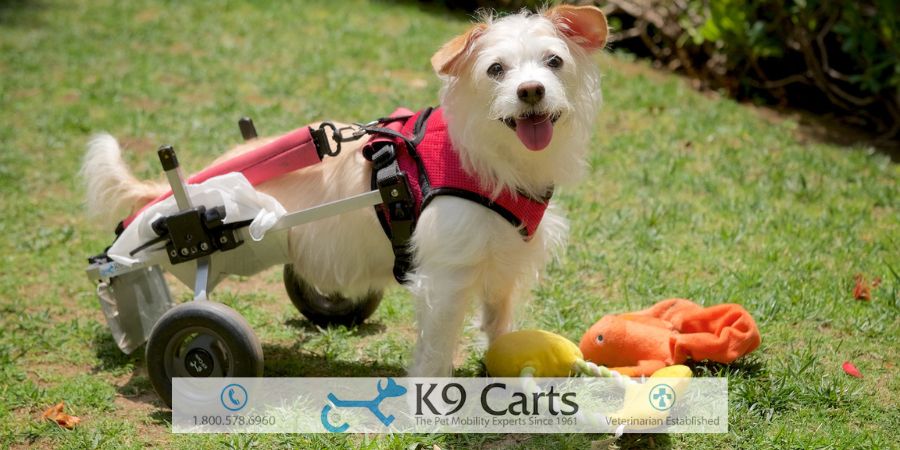
Image Source: k9carts.com
Deciphering Dog Leg Amputation Expenses
When your beloved dog requires a leg amputation, it’s a stressful time. Beyond the emotional toll, the financial aspect is a major concern. Knowing the potential dog limb amputation expenses can help you prepare and make informed decisions. This guide will break down the costs associated with dog leg removal cost, from initial consultation to post-operative care.
Factors Influencing the Veterinary Amputation Price
Several key elements contribute to the overall veterinary amputation price. It’s not a one-size-fits-all figure.
Clinic and Location
- Veterinary Hospital Type: Prices can differ between general veterinary practices and specialized emergency or referral hospitals. Specialty hospitals often have higher overhead and more advanced equipment, leading to higher fees.
- Geographic Location: Costs are generally higher in major metropolitan areas compared to rural regions due to differences in the cost of living and operational expenses for veterinary clinics.
Procedure Complexity and Type
- Location of Amputation:
- Dog Front Leg Amputation Cost: Amputating a front leg can sometimes be more complex because the front limb bears a significant portion of the dog’s weight and is crucial for balance and movement. This might involve dealing with the shoulder joint, potentially increasing the complexity and cost.
- Dog Hind Limb Amputation Cost: While still a major surgery, hind limb amputations may sometimes be slightly less complex than front limb amputations, depending on the specific joint involved. However, they still carry significant surgical fees.
- Reason for Amputation: The underlying cause of the amputation plays a role.
- Trauma: Injuries from accidents might require more extensive debridement or repair before amputation, adding to the cost.
- Cancer: If cancer is the reason, the surgeon might need to remove more tissue to ensure all cancerous cells are gone, impacting the procedure’s length and complexity.
- Congenital Defects/Disease: Conditions like severe arthritis or bone deformities might require specialized surgical approaches.
Surgical Team and Anesthesia
- Surgeon’s Experience: Highly experienced board-certified veterinary surgeons, particularly those specializing in orthopedic surgery, may command higher fees.
- Anesthesia: The type of anesthesia used, the monitoring required during surgery, and the duration of anesthesia all contribute to the cost. Advanced monitoring equipment and highly trained technicians or anesthesiologists will increase the overall price.
Pre-operative and Post-operative Care
- Diagnostic Tests: Before surgery, your vet will likely recommend blood work, X-rays, and possibly other imaging (like CT scans) to assess your dog’s overall health and the extent of the problem. These diagnostic fees are separate from the surgery itself.
- Medications: Pain management, antibiotics, and other medications prescribed before and after surgery are additional costs.
- Bandaging and Support: Special bandages or splints might be needed post-surgery.
- E-collar (Cone of Shame): This is essential to prevent licking at the incision site. While a relatively small cost, it’s part of the recovery process.
- Rehabilitation/Physical Therapy: Many dogs benefit from physical therapy to help them adapt to life on three legs or with a prosthesis. This can include hydrotherapy, laser therapy, or therapeutic exercises, which add to the long-term expenses.
The Cost of Dog Amputation Surgery: A Detailed Breakdown
Let’s delve deeper into what goes into the cost of dog amputation surgery.
Initial Consultation and Diagnostics
- Veterinary Examination Fee: $50 – $150
- Bloodwork (Pre-anesthetic Panel): $75 – $200
- X-rays: $100 – $300 per set. Multiple views are usually needed.
- Other Imaging (CT/MRI): $500 – $1,500+ if required for complex cases, especially cancer.
The Surgical Procedure Itself
This is the largest component of the pet amputation cost breakdown.
- Anesthesia: $150 – $500+ (depends on dog’s weight, health, and duration).
- Surgical Fees: This covers the surgeon’s time, the surgical team, operating room usage, and sterile supplies. This can range from $1,000 to $4,000+. The dog leg surgery fees are highly variable.
- Surgical Implants/Materials: If specialized materials or implants are needed for bone stabilization or closure, these can add $100 – $500+.
Hospitalization and Post-operative Care
- Hospital Stay: Depending on the dog’s recovery and the clinic’s protocols, hospitalization can range from a few hours to 2-3 days or more. This costs $100 – $400 per day, including monitoring and basic care.
- Pain Medications: $50 – $200 for the initial post-op pain relief.
- Antibiotics: $30 – $100.
- E-collar: $15 – $40.
- Bandaging: $20 – $60.
Total Estimated Surgery Cost Range:
- Low End (Simple amputation, healthy dog, general practice): $2,000 – $3,500
- Mid Range (More complex, specialty clinic, moderate diagnostics): $3,500 – $5,500
- High End (Complex issues, cancer, extensive diagnostics, referral hospital): $5,500 – $7,000+
Orthopedic Surgery Cost for Dogs: Beyond Amputation
While amputation is a form of orthopedic surgery, the term orthopedic surgery cost for dogs can encompass a wider range of procedures. Amputation is often chosen when other orthopedic interventions are not viable or have failed. For example, complex fracture repairs or joint replacements can sometimes cost as much as or even more than an amputation. However, in the context of amputation, the cost is directly tied to the limb removal and subsequent healing.
The Amputation Process: What to Expect
- Diagnosis: Your vet will perform a thorough examination, take X-rays, and potentially other tests to determine the necessity of amputation and the best surgical approach.
- Surgical Planning: The veterinary surgeon will plan the exact site of amputation, considering muscle and skin coverage for optimal healing and comfort.
- Anesthesia and Monitoring: The dog will be anesthetized safely, with continuous monitoring of vital signs.
- The Amputation: The limb is surgically removed, with careful attention paid to controlling bleeding and ensuring proper wound closure.
- Post-operative Care: This includes pain management, antibiotics, wound care, and monitoring for complications.
- Recovery and Rehabilitation: This is a critical phase. Your dog will need time to heal and learn to adapt to moving on three legs.
The Cost of Prosthetics for Dogs: An Optional Addition
In some cases, and for certain amputations (especially hind limb), a prosthetic limb might be considered. It’s important to note that cost of prosthetics for dogs is an additional expense and not typically included in the amputation surgery cost.
- Custom-Fitted Prosthetics: These are made specifically for your dog and can range from $1,000 to $3,000 or more. The cost depends on the complexity of the fit, the materials used, and the provider.
- Initial Fitting and Adjustments: This process also incurs fees.
- Rehabilitation with Prosthetics: Learning to use a prosthesis often requires specialized physical therapy, adding to the ongoing expenses.
While a prosthesis can offer significant benefits in terms of mobility and quality of life for some dogs, it’s a significant financial commitment on top of the amputation itself.
Financial Planning and Cost-Saving Strategies
Facing such a substantial expense can be daunting. Here are some ways to manage the dog leg amputation cost:
- Pet Insurance: If you have pet insurance, check your policy. Many policies cover medically necessary surgical procedures, including amputations, though pre-existing conditions might be excluded.
- Payment Plans: Many veterinary clinics offer payment plans or work with third-party financing companies like CareCredit.
- Pet Health Savings Accounts: Consider setting up a dedicated savings account for veterinary emergencies.
- Fundraising: In difficult situations, community fundraising or utilizing platforms like GoFundMe can be an option.
- Compare Clinics (with caution): While it’s tempting to seek the lowest price, prioritize experienced surgeons and well-equipped facilities, especially for complex procedures. A slightly higher upfront cost can sometimes prevent more costly complications down the line.
Post-Amputation Life: Beyond the Initial Expenses
Life after amputation is remarkably adaptable for most dogs. However, there are ongoing considerations:
- Weight Management: Keeping your dog at a healthy weight is crucial to minimize stress on their remaining limbs.
- Joint Health: The remaining limbs will bear more weight, potentially increasing the risk of arthritis later in life. Regular exercise and joint supplements might be beneficial.
- Environmental Modifications: Consider ramps for stairs, non-slip flooring, or raised food bowls to make your dog’s environment more comfortable and accessible.
Frequently Asked Questions About Dog Leg Amputation Costs
Q1: What is the average cost of a dog leg amputation?
A: The average dog leg amputation cost typically falls between $2,000 and $7,000, with variations based on numerous factors.
Q2: Can I get a precise quote before surgery?
A: Yes, your veterinarian should provide a detailed estimate based on your dog’s specific condition and the planned procedure. It’s crucial to discuss all potential costs during your consultation.
Q3: Does pet insurance cover amputation surgery?
A: Many pet insurance policies cover medically necessary surgeries like amputations, but it depends on your specific plan and any pre-existing condition clauses. Always check your policy details.
Q4: Are front leg amputations more expensive than hind limb amputations?
A: Sometimes, dog front leg amputation cost can be higher due to the limb’s role in weight bearing and potential shoulder joint complexity, but this isn’t always the case and depends on the specifics of the surgery.
Q5: What are the long-term costs after amputation?
A: Long-term costs can include pain management, rehabilitation, joint supplements, potential arthritis treatment, and, if chosen, prosthetic maintenance and fitting.
Q6: How long does recovery typically take?
A: Initial healing usually takes 2-3 weeks, but full adaptation and rehabilitation can take several months.
Q7: What if my dog needs a prosthetic? How much does that add?
A: Cost of prosthetics for dogs can range from $1,000 to $3,000+ for custom-fitted devices, in addition to the surgery itself.
Q8: Why is the cost of dog amputation surgery so high?
A: The cost reflects the specialized skills of veterinary surgeons, advanced surgical equipment, anesthesia, medications, hospital care, and the comprehensive diagnostic and post-operative care required for such a significant procedure. The pet amputation cost breakdown shows it’s a complex medical intervention.
Q9: Are there lower-cost options for amputation?
A: While it’s not advisable to compromise on surgical quality, discussing payment plans or looking into veterinary schools for potential lower-cost services might be options. However, always prioritize a qualified and experienced surgical team.
Q10: What is the difference in cost between amputation and other orthopedic surgeries for dogs?
A: The orthopedic surgery cost for dogs varies greatly. Amputation is one type. Procedures like complex fracture repair or joint replacement can sometimes have similar or even higher costs, depending on the specific issue.
Making the decision for a dog leg amputation is never easy, but by being prepared for the financial implications and understanding the factors that influence the dog leg removal cost, you can better navigate this challenging time and ensure your furry friend receives the best possible care.