
What is a normal amount of drainage after dog surgery? A small amount of clear to slightly pinkish, watery discharge from a surgical incision in the first 24-48 hours is generally considered normal. This post-surgical discharge is a natural part of the wound healing process. However, any significant change in the amount, color, or consistency of the drainage, or the presence of foul odor, warrants immediate veterinary attention.
Caring for your dog after surgery can be a stressful experience, and one of the most common concerns for pet parents revolves around the surgical wound. Specifically, how much drainage is normal after dog surgery? It’s a question many ask, and for good reason. Monitoring your dog’s incision is crucial for their recovery and to catch any potential complications early. Let’s dive deep into what you should be looking for.
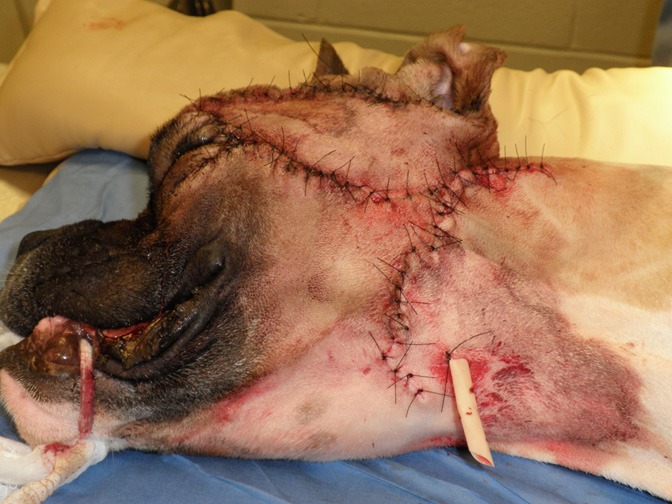
Image Source: www.mspca.org
Fathoming Incision Drainage: What to Expect
When your dog undergoes surgery, the vet will meticulously close the incision site. During the initial healing phases, it’s common to see some discharge. This is your dog’s body working to repair itself.
The Basics of Surgical Wound Healing
Surgical wound healing is a complex biological process that typically progresses through several stages:
- Inflammation: This is the initial phase, where the body sends immune cells to the wound site to clean up debris and fight off any potential bacteria. You might notice some mild swelling and redness during this stage.
- Proliferation: New tissue begins to form, including blood vessels and collagen. This stage is characterized by the gradual closing of the wound.
- Remodeling: Over time, the new tissue strengthens and reorganizes, leading to a stronger scar.
During the inflammation and early proliferation stages, some fluid is to be expected. This fluid is a mix of blood plasma, cells, and inflammatory mediators.
Types of Post-Surgical Discharge
The appearance of the drainage can tell you a lot about the healing process:
- Clear or Slightly Pinkish (Serosanguinous): This is the most common type of discharge in the first 24-48 hours. It’s watery and may have a faint pink hue from a small amount of blood mixed with serum. This is typically a good sign.
- Slightly Yellowish (Serous): As healing progresses, the discharge might become more yellowish and watery. This is also generally normal.
- Thick, Cloudy, or Green/Yellow (Purulent): This type of discharge is not normal and often indicates an infection. It’s usually thicker, opaque, and has a foul odor.
Quantifying Drainage: How Much Is Too Much?
The quantity of drainage is as important as its quality. While a few drops or a slight dampness on the surgical dressing might be okay, soaking through bandages or a constant ooze is a cause for concern.
Normal Drainage Levels
- Initial Hours: A small amount of serosanguinous discharge might be present immediately after surgery, especially if a drain was placed.
- First 24-48 Hours: Expect minimal oozing. If your dog is wearing a surgical suit or Elizabethan collar (cone), you might notice a small damp spot on the lining.
- After 48 Hours: Drainage should significantly decrease and ideally stop altogether within a few days.
Red Flags: When to Worry About Incision Drainage
The following are warning signs that indicate you should contact your veterinarian immediately:
- Soaking Through Bandages: If the bandage becomes saturated with discharge, it needs to be changed, but if it happens repeatedly or very quickly, it’s a concern.
- Excessive Amount: Any drainage that seems disproportionate to the incision size or continues in large amounts for more than 48 hours.
- Foul Odor: A strong, unpleasant smell is a classic sign of infection.
- Thick or Cloudy Discharge: As mentioned earlier, this often points to pus.
- Change in Color: Bright red bleeding or a thick, dark brown/black discharge are abnormal.
Deciphering Swelling and Redness Around the Incision
Along with drainage, changes in the appearance of the incision site itself are crucial indicators of your dog’s healing progress.
What’s Normal: Mild Swelling and Redness
A small amount of redness and mild swelling around the incision in the first few days is part of the inflammatory response. It signifies that the body’s immune system is working to heal the wound.
When Swelling and Redness Signal Problems
You should be concerned if you observe:
- Increasing Swelling: If the swelling around the incision site gets noticeably worse over time, rather than gradually decreasing.
- Severe Redness: While some redness is expected, if the area becomes intensely red, hot to the touch, or spreads outwards, it could be a sign of infection or inflammation.
- Firmness or Heat: An incision that feels unusually hard or hot to the touch, in addition to redness and swelling, is a strong indicator of a problem.
- Opening of the Incision: If the edges of the incision start to pull apart, this is a serious complication that requires immediate veterinary care.
Interpreting Fluid Accumulation Post-Op
Sometimes, fluid can build up under the skin around the surgical site, even without significant external drainage. This is known as a seroma or hematoma.
Seromas and Hematomas: What They Are
- Seroma: A collection of serous fluid (clear or yellowish) that accumulates in a pocket under the skin. This can happen when the body’s normal drainage mechanisms are overwhelmed or when there’s excessive tissue manipulation during surgery.
- Hematoma: A collection of blood that pools under the skin, usually due to bleeding from small blood vessels.
Signs of Fluid Accumulation
You might notice:
- A noticeable lump or swelling around the incision site.
- The swelling may feel soft and fluctuant (like it contains liquid).
- There might not be significant external drainage.
Table 1: Common Post-Surgery Issues and Their Appearance
| Issue | Normal Appearance | Abnormal Appearance | Action Needed |
|---|---|---|---|
| Incision Drainage | Clear to light pink, watery, minimal amount | Thick, cloudy, green/yellow, foul odor, excessive amount, bright red bleeding | Contact veterinarian immediately. |
| Swelling | Mild, localized swelling in the first 1-2 days | Increasing, spreading, or severe swelling; hot to the touch | Contact veterinarian. |
| Redness | Mild pinkness immediately around the incision | Intense redness, spreading redness, redness accompanied by heat | Contact veterinarian. |
| Incision Closure | Edges are well-apposed (lined up neatly) | Edges are separating, gaping, or the wound is opening | Contact veterinarian immediately. |
| Skin Around Incision | Smooth, intact skin | Bruising, excessive irritation, raw areas, or skin breakdown | Contact veterinarian. |
Gauging Signs of Infection: A Critical Focus
Recognizing signs of infection is paramount to your dog’s well-being after surgery.
Common Signs of Infection
Infection can manifest in several ways, often involving the drainage and the appearance of the incision site:
- Increased Redness and Swelling: As detailed earlier, these are common early signs.
- Foul Odor: A strong, unpleasant smell emanating from the wound.
- Purulent Discharge: Thick, creamy, yellow, or green discharge.
- Fever: Your dog may become lethargic, have a poor appetite, and feel warmer than usual. You might notice this by touching their ears or nose, though a rectal thermometer is most accurate (consult your vet on normal temperature ranges).
- Pain: Your dog may seem more sensitive around the incision, yelp when touched, or exhibit reluctance to move.
- Lethargy and Loss of Appetite: General signs of illness can also accompany an infection.
Proactive Measures to Prevent Infection
While vigilance is key, preventative measures can significantly reduce the risk of infection:
- Follow Veterinary Instructions: Adhere strictly to all post-operative care guidelines provided by your vet.
- Prevent Licking: Use an Elizabethan collar (cone) or a surgical suit to stop your dog from licking or chewing the incision. Saliva contains bacteria that can contaminate the wound.
- Keep the Area Clean and Dry: Avoid bathing your dog until the vet gives the OK. If the incision gets wet or dirty, gently clean it with a veterinarian-approved antiseptic wipe, but only if instructed by your vet.
- Proper Bandage Care: If a bandage is used, ensure it remains clean and dry. Change it as directed by your vet.
Crucial Wound Care for Dogs Post-Surgery
Effective wound care is the cornerstone of a smooth recovery.
The Role of the Elizabethan Collar (Cone)
The e-collar is your best friend after surgery. It’s often the most effective way to prevent your dog from accessing the incision. While it can be frustrating for both you and your dog, remember it’s vital for preventing:
- Licking, which introduces bacteria.
- Chewing or biting at sutures, which can cause dehiscence (wound opening).
- Further irritation and inflammation.
Surgical Suits and Protective Wear
For some surgeries, a surgical suit or a T-shirt designed for dogs can be a more comfortable alternative to a cone. These garments cover the incision and prevent licking. Ensure they fit well and are changed regularly if they become soiled.
Keeping the Incision Dry
Water is the enemy of a healing incision, especially in the early stages.
- Avoid Baths: Do not bathe your dog until your veterinarian gives you the clear, which is usually after the sutures are removed or the incision is fully closed.
- Protect from Rain/Snow: If you must take your dog outside, especially for potty breaks, use a waterproof cover or a doggy raincoat to protect the incision area from moisture.
- Damp Dressing: If the dressing gets damp, it needs to be changed promptly to prevent bacterial growth.
What if My Dog is Not Eating or is Vomiting After Surgery?
Changes in appetite and gastrointestinal upset can sometimes occur after surgery, but they can also be signs of something more serious.
Vomiting After Surgery
Vomiting can be a side effect of anesthesia or pain medication. However, persistent or severe vomiting could indicate:
- Reaction to Medication: Your dog might be sensitive to the pain relievers or antibiotics prescribed.
- Gastrointestinal Upset: Anesthesia and stress can sometimes disrupt a dog’s digestive system.
- Internal Complication: In rare cases, vomiting can signal an issue related to the surgery itself or a developing infection.
If your dog vomits more than once or twice, or seems unwell, contact your veterinarian immediately.
Loss of Appetite
A reduced appetite for the first 24 hours post-surgery can be normal due to anesthesia and discomfort. However, if your dog refuses to eat for longer than that, or if their appetite doesn’t return gradually, it’s a concern.
- Pain: Continued pain can make eating unpleasant.
- Nausea: As mentioned, medications or anesthesia can cause nausea.
- Infection or Complication: A lack of appetite can be a general sign of illness.
Always consult your vet if your dog’s appetite doesn’t improve. They can advise on appetite stimulants or discuss potential underlying issues.
Considerations for Specific Surgical Procedures
The type of surgery your dog has undergone will also influence what’s considered normal regarding drainage and healing.
Orthopedic Surgery
Procedures involving bones and joints often have larger incisions and may involve drains.
- Drains: Surgeons may place drains to help excess fluid and blood escape from the surgical site, preventing accumulation. These are usually removed within a few days. Drainage from the drain site itself is expected.
- Swelling: Significant swelling is common with orthopedic procedures due to manipulation of tissues and the body’s response to implants.
- Weight-Bearing Restrictions: It’s crucial to enforce strict rest and prevent your dog from putting weight on the operated limb as directed by your vet.
Abdominal Surgery
Abdominal surgeries involve internal organs and often require careful monitoring for signs of internal complications.
- Incision Drainage: External incision drainage should be minimal and similar to other surgeries.
- Internal Issues: Watch for signs of internal bleeding or infection, such as severe lethargy, pale gums, distended abdomen, or continued vomiting.
Soft Tissue Surgery (e.g., Tumor Removal)
The amount of drainage will depend on the size and depth of the excision.
- Smaller Incisions: May have very little to no noticeable drainage after the first day.
- Larger Excisions: Might produce slightly more discharge initially.
Could Kennel Cough Develop After Surgery?
While not directly related to the surgical incision itself, it’s worth mentioning that some dogs can develop kennel cough or other respiratory issues after being in a veterinary hospital, especially if they were boarded.
Signs of Kennel Cough
- A harsh, dry cough, often described as sounding like a goose honk.
- Gagging or retching.
- Sometimes, a runny nose or mild fever.
If you suspect your dog has developed kennel cough, contact your vet. It’s highly contagious, and prompt treatment can help manage symptoms and prevent secondary infections.
When to Seek Immediate Veterinary Care: A Summary Checklist
It’s essential to be proactive. If you observe any of the following, contact your veterinarian without delay:
- Excessive or worsening incision drainage.
- Foul odor from the wound.
- Thick, cloudy, or colored discharge (green, yellow).
- Significant, increasing, or spreading redness and swelling.
- The incision edges opening up or gaping.
- Your dog showing signs of severe pain or distress.
- Persistent vomiting or diarrhea.
- Lethargy that does not improve after the first day.
- Pale gums, which could indicate shock or internal bleeding.
- Any other unusual symptom that concerns you.
Frequently Asked Questions (FAQ)
Q1: How long should I expect drainage from my dog’s incision?
A: Typically, some minor, clear to light pink discharge is normal for the first 24-48 hours. After that, drainage should significantly decrease and stop within a few days. If it continues or worsens, consult your vet.
Q2: Can I clean the incision myself?
A: Only if your veterinarian instructs you to do so. They will provide specific instructions on what to use (e.g., saline solution, antiseptic wipes) and how to clean the wound. Over-cleaning or using the wrong products can hinder healing or cause irritation.
Q3: My dog keeps trying to lick the incision. What can I do?
A: The most effective solution is to use an Elizabethan collar (cone) or a surgical suit. Prevent your dog from licking at all costs, as it introduces bacteria and can lead to infection or dehiscence (wound opening).
Q4: My dog’s incision is a little swollen. Is that normal?
A: Mild swelling and redness immediately around the incision in the first day or two are usually normal as part of the healing process. However, if the swelling increases significantly, spreads, or feels hot to the touch, contact your veterinarian.
Q5: What if I see a small amount of blood on my dog’s cone or bedding?
A: A few small drops of blood mixed with clear or pinkish discharge in the first 24 hours can be normal. However, if you see active bleeding, clots, or the area is soaking through bandages quickly, contact your vet.
Q6: My dog seems very tired and isn’t eating much after surgery. Should I be worried?
A: It’s normal for dogs to be a bit subdued and have a reduced appetite for the first 12-24 hours due to anesthesia and pain. If this persists beyond 24-48 hours, or if your dog is lethargic and not eating at all, you should contact your veterinarian.
By staying informed and vigilant, you can provide the best possible care for your dog during their recovery, ensuring they heal quickly and without complications. Always trust your instincts and consult your veterinarian if you have any concerns about your dog’s post-surgical condition.