
What is the cost of a dog license in New York? The cost of a dog license in New York can vary by county and municipality, but generally ranges from approximately $10 to $25 for a spayed/neutered dog and $20 to $50 for an unaltered dog.
New York State mandates that all dogs six months of age or older must be licensed. This requirement is a crucial component of responsible pet ownership and plays a vital role in public health and safety. While the primary motivation for licensing is often legal compliance, it also contributes to keeping track of lost pets and managing animal populations. Deciphering the exact pet licensing fees NY can feel complex due to variations across different regions. This comprehensive guide aims to shed light on the financial aspects of getting your canine companion legally recognized throughout the Empire State, covering everything from the initial dog registration cost NYC to the ongoing dog tag renewal NY.
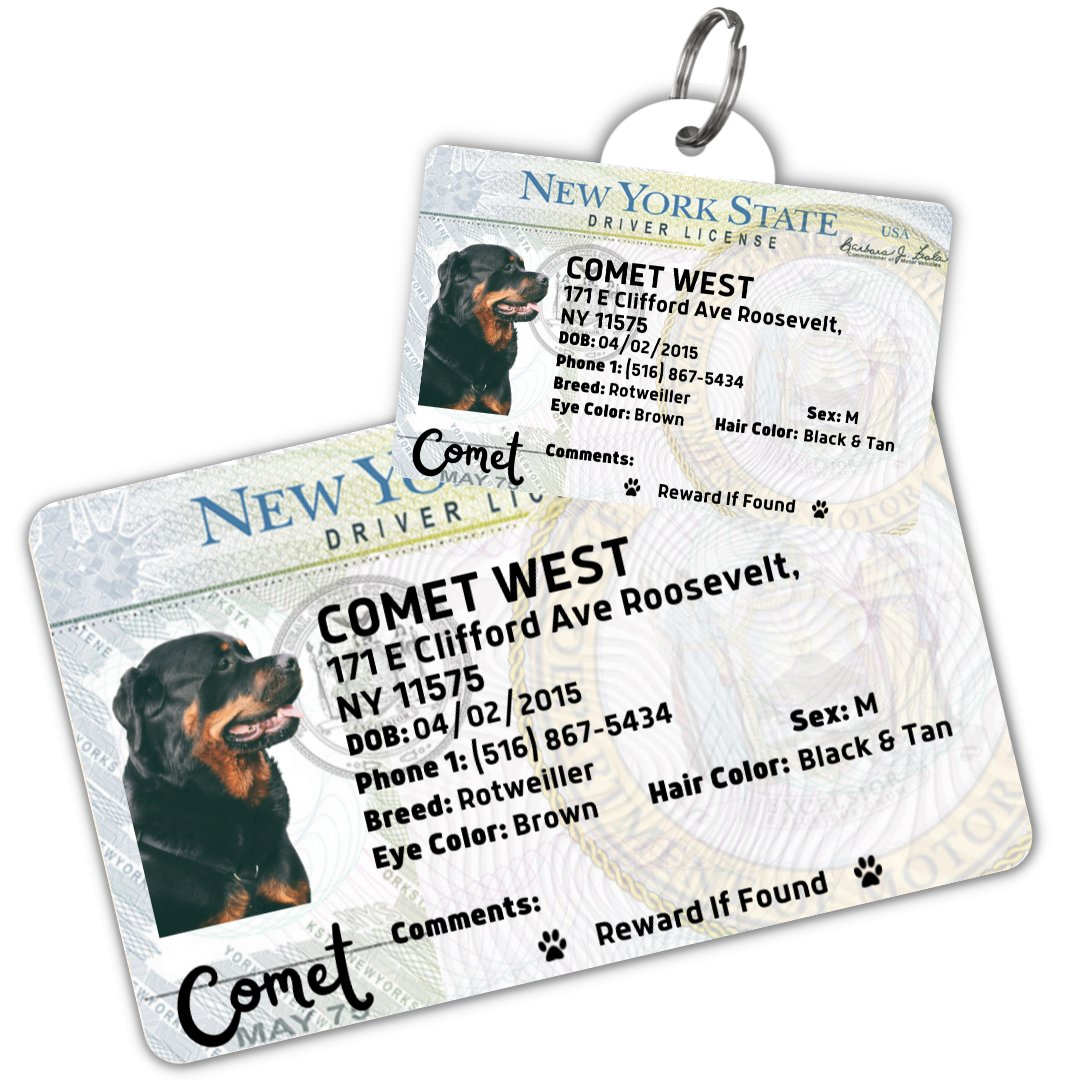
Image Source: pawfurever.com
Why Licensing Your Dog Matters
Before diving into the dollar amounts, it’s important to understand why licensing your dog is a necessary step. These licenses are more than just a bureaucratic hoop to jump through; they serve several critical functions:
- Public Safety: Licensed dogs can be easily identified if they become lost or wander into dangerous situations. This helps reunite pets with their owners quickly, reducing the burden on animal shelters and preventing potential accidents.
- Disease Control: Licensing often requires proof of rabies vaccination. This is a cornerstone of preventing the spread of rabies, a serious and potentially fatal zoonotic disease that can affect both animals and humans.
- Animal Identification: The unique license number linked to your dog provides a direct way for authorities to contact you if your pet is found. This is invaluable when your dog is found far from home or without microchip information readily accessible.
- Funding Animal Services: A portion of the pet owner fees collected through dog licensing can contribute to the operation of local animal shelters, animal control services, and public health initiatives related to animal welfare.
The Fee Structure: What to Expect
The annual dog license cost is not a fixed, statewide figure. Instead, it is determined at the local level, meaning the dog permit price can differ significantly from one town, city, or county to another. However, there are common patterns and factors that influence these fees.
Factors Influencing Dog License Costs
Several key factors contribute to the variation in dog registration cost NYC and other areas of New York:
- Spay/Neuter Status: This is perhaps the most significant factor. Licenses for spayed or neutered dogs are almost universally less expensive than those for unaltered dogs. This policy encourages pet population control.
- Municipality or County: Each local government sets its own fee schedule. Larger cities, like New York City, may have different fee structures compared to smaller towns or rural counties.
- License Duration: While most licenses are annual, some municipalities may offer multi-year licenses, which might have a slightly different pricing structure.
- Late Fees: Failure to renew your dog’s license by the expiration date can result in late fees, adding to the overall cost.
General Fee Ranges in New York
To give you a clearer picture, here’s a general breakdown of what you might expect to pay for a dog license in New York State. These are approximate ranges and can vary:
| Dog Status | Approximate Fee Range (Annual) |
|---|---|
| Spayed/Neutered | $10 – $25 |
| Unaltered | $20 – $50 |
Important Note: These figures are estimates. Always check with your local county clerk, town hall, or city animal licensing agency for the most accurate and up-to-date fee information.
Dog License Costs in Specific Regions of New York
Let’s take a closer look at some specific areas, focusing on major population centers where NYC animal registration is a common concern.
New York City (NYC) Dog Licensing
New York City has a well-defined process for licensing dogs, often referred to as dog registration cost NYC. The fees are set by the NYC Department of Health and Mental Hygiene.
- Spayed/Neutered Dogs: Typically, the fee for a spayed or neutered dog in NYC is around $35 for a three-year license.
- Unaltered Dogs: For dogs that have not been spayed or neutered, the fee is generally higher, often around $65 for a three-year license.
It’s important to note that NYC often offers multi-year licensing options, which can sometimes provide a slight cost saving over the long term compared to annual renewals in other areas. The borough dog licensing process within NYC will follow these city-wide fee structures.
Other Counties and Municipalities
Outside of the five boroughs, the pet licensing fees NY can be quite different.
- Suburban Counties (e.g., Westchester, Nassau, Suffolk): You might find fees that are comparable to, or slightly lower than, NYC for comparable license durations. For instance, a spayed/neutered dog license might be in the $15-$30 range, and unaltered dogs could be $30-$50.
- Upstate and Rural Areas: In many smaller towns and counties, the dog permit price can be more modest. You might find annual licenses for spayed/neutered dogs as low as $10-$15, with unaltered dogs costing $20-$30 annually.
The “animal control tags New York” that you receive with your license are often a physical representation of this paid fee and a testament to your dog’s legal status.
The Licensing Process: Beyond the Cost
While the dog tag renewal NY cost is a key consideration, understanding the entire licensing process is also beneficial for any pet owner.
What You’ll Need to License Your Dog
Typically, to obtain a dog license, you will need to provide:
- Proof of Rabies Vaccination: A current certificate from a licensed veterinarian is almost always required. This ensures your dog is protected against rabies and helps protect the community. This is sometimes referred to as veterinary registration NY, though it’s more accurately proof of veterinary care.
- Proof of Spay/Neuter: If you are claiming the lower fee for a spayed or neutered dog, you will need documentation from your veterinarian confirming the procedure.
- Owner Information: This includes your name, address, phone number, and the dog’s information (name, breed, age, sex, color).
- Payment: Be prepared to pay the required licensing fee.
How to Obtain or Renew a License
The methods for licensing and renewing vary by location:
- Online: Many municipalities and counties now offer online licensing portals, which are often the most convenient option.
- In Person: You can typically visit your local county clerk’s office, town hall, or a designated animal shelter/animal control facility.
- By Mail: Some areas still allow you to renew your license by mail, though this is becoming less common.
When renewing, ensure you are aware of the specific deadlines to avoid any potential late fees.
The Role of Veterinary Registration
While not always explicitly called veterinary registration NY, the process of licensing your dog often intertwines with your vet visits. The proof of rabies vaccination you submit with your license application originates from your veterinarian. This highlights the cooperative effort between pet owners, veterinarians, and local government to ensure public health and animal safety. When you visit your vet for vaccinations or annual check-ups, it’s a good time to ask about any upcoming license renewals or if they can provide the necessary documentation.
Is the Cost Worth It?
When considering the dog permit price, it’s worth remembering the benefits it provides. Beyond the legal requirement, the small fee contributes to a safer community for both pets and people. It helps ensure that lost pets can be returned home more easily and supports the vital work of animal control and shelters. For the peace of mind and the contribution to public welfare, the annual dog license cost is a small investment in responsible pet ownership.
Frequently Asked Questions (FAQ)
Here are some common questions pet owners have about dog licensing costs in New York:
Q1: Do I have to license my dog in New York?
A1: Yes, New York State law requires all dogs six months of age or older to be licensed.
Q2: How often do I need to renew my dog license?
A2: Most dog licenses in New York are issued for one or three years. Check with your local licensing authority for their specific renewal periods.
Q3: What if I move to a different county in New York with my dog?
A3: You will need to obtain a new dog license in your new county of residence within a specified timeframe, usually 30-60 days after moving. The fees and requirements may differ from your previous location.
Q4: Can I license my dog online?
A4: Many counties and municipalities in New York offer online licensing services, which is often the most convenient method. Visit your local government’s website or your county clerk’s website to check for online options.
Q5: What happens if I don’t license my dog?
A5: Failure to license your dog can result in fines and penalties. Additionally, unlicensed dogs may be impounded if found straying, and it will be harder to reunite them with you.
Q6: Are there different fees for different breeds of dogs?
A6: No, generally, breed does not affect the licensing fee. The primary factors are whether the dog is spayed/neutered and the specific municipality’s fee structure.
Q7: How can I find out the exact dog license cost in my town?
A7: The best way to find the exact cost is to check the website of your local county clerk, town clerk, or municipal animal control agency. You can also call their office directly.
Q8: Does the cost of a dog license include tags?
A8: Yes, the licensing fee typically includes the cost of the official dog tag that you attach to your dog’s collar.
Q9: What if my dog loses its license tag?
A9: You can usually obtain a replacement tag from your local licensing authority, often for a small fee.
By staying informed about these costs and requirements, you can ensure your canine companion remains legally licensed and contributes to a safer, healthier community for everyone.