
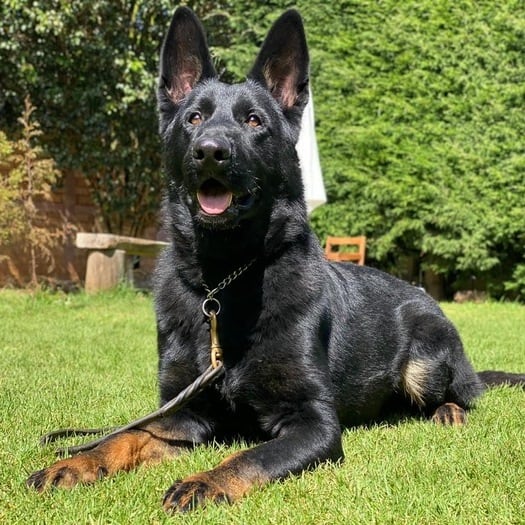
Image Source: specialtydogtraining.com
How Much Is A Fully Trained Protection Dog?
A fully trained protection dog can cost anywhere from $10,000 to $100,000 or more, depending on factors like breed, training level, the trainer’s reputation, and the dog’s pedigree.
Bringing a fully trained protection dog into your life is a significant decision, not just emotionally, but financially as well. These highly skilled animals offer unparalleled security and companionship, but their specialized training comes with a substantial price tag. This guide delves into the various aspects that influence the protection dog cost, helping you understand the investment required for a top-tier canine security professional. We’ll explore what goes into making these dogs exceptional and the factors that contribute to their market value.
Deciphering the Cost of a Protection Dog
When we talk about a “protection dog,” we’re referring to a canine that has undergone rigorous training to provide security for individuals, families, or property. This training goes far beyond basic obedience and involves developing a dog’s natural protective instincts and channeling them into controlled, reliable defensive behaviors.
Several key elements contribute to the overall trained guard dog price:
- Breed and Genetics: Certain breeds are naturally predisposed to protection work due to their temperament, intelligence, physicality, and guarding instincts. Breeds like German Shepherds, Belgian Malinois, Doberman Pinschers, Rottweilers, and certain Mastiffs are commonly used. Dogs with a strong lineage, proven working ability in their bloodline, and excellent health clearances will command higher prices.
- Training Program Intensity and Duration: This is arguably the biggest factor. A dog isn’t born a protection dog; it’s made through extensive, specialized training. This training can last from several months to over a year, focusing on:
- Advanced Obedience: Perfect recall, staying, heeling, and controlled off-leash work in distracting environments.
- Personal Protection: Developing the ability to detect threats, bark as an alert, and bite and hold on command. This includes controlled aggression exercises, bite work on padded sleeves and suits, and disengagement on command.
- Public Access and Socialization: Ensuring the dog is well-behaved and safe in public settings, able to discern real threats from benign situations. This is crucial for a family protection dog cost.
- Specific Skills: Depending on the intended role (e.g., executive protection, family safety), training might include scenario-based simulations, detection work, or specialized scent training.
- Trainer’s Expertise and Reputation: Highly sought-after trainers and training facilities with a proven track record of producing reliable protection dogs often charge premium rates. Their years of experience, methodology, and the success of their alumni significantly influence the price.
- Dog’s Age and Current Training Level: Puppies that are being raised and socialized from a young age with a protection program in mind will have a different cost structure than a dog that is already partially trained or fully titled.
- Health and Temperament Testing: Reputable trainers invest heavily in ensuring their dogs have sound physical health and stable temperaments. This includes genetic testing, regular veterinary check-ups, and thorough temperament assessments. A dog with a clear bill of health and a consistently reliable temperament is more valuable.
- Documentation and Certifications: Some dogs come with titles from recognized organizations or certifications demonstrating their training proficiency. This adds to their pedigree and value.
What Does It Take to Train a Protection Dog?
The journey of a protection dog from puppyhood to a fully functional security asset is a testament to dedicated effort, expertise, and significant financial outlay. It’s not simply about teaching a dog to bite; it’s about creating a balanced, confident, and responsive partner capable of making critical decisions under pressure.
The Stages of Protection Dog Training
Training a protection dog is a phased, systematic process. Each stage builds upon the last, ensuring the dog develops the necessary skills and temperament.
- Early Socialization and Foundation (0-6 months): This critical period involves exposing the puppy to a wide variety of sights, sounds, people, and environments. Proper socialization is paramount for developing a confident, well-adjusted dog that won’t be easily spooked or overly reactive. Basic obedience commands are also introduced during this time. This foundational work is essential even before specialized protection training begins and contributes to the cost of a personal protection dog.
- Basic Obedience and Drive Building (6-12 months): The dog refines its obedience skills, becoming highly responsive to commands in various situations. Trainers also focus on building and channeling the dog’s natural drives (prey drive, play drive, defense drive) in a controlled manner. This is where the dog learns to engage with training equipment and develop focus.
- Introduction to Protection Work (12-18 months): This is where the specialized protection training truly begins. The dog is introduced to bite suits and sleeves. Training focuses on building confidence, courage, and the correct bite mechanics. The emphasis is on teaching the dog to bite and hold on command and to release on command.
- Advanced Protection Skills and Control (18-24 months): The dog’s protection skills are honed. This includes:
- Alert Barking: Teaching the dog to bark to warn of a potential threat.
- Apprehension and Control: The ability to bite and hold an aggressor.
- Disengagement: The critical ability to stop biting and release the target immediately when commanded.
- Scenario Training: Simulating real-world scenarios to test the dog’s response and control in stressful situations. This is a significant component of protection dog training fees.
- Public Access: Ensuring the dog remains calm and composed in public, distinguishing between a real threat and everyday life.
- Refinement and Certification (24+ months): The dog’s training is continually refined, ensuring reliability and consistency. Depending on the trainer and program, the dog may undergo testing and receive certifications that validate its capabilities. This comprehensive approach directly impacts the bodyguard dog price.
Factors Influencing the Cost of a Trained Guard Dog
Let’s break down the specific elements that contribute to the price tag of a well-trained protection dog. Understanding these components will clarify why the cost of a security dog can vary so dramatically.
Breed and Bloodline
- Working Line Breeds: Dogs from proven working lines (e.g., German Shepherd lines known for police or military work) are often more expensive. Their inherent traits for intelligence, drive, and stability are highly valued.
- Temperament: Dogs with exceptional confidence, courage, and a stable temperament are more desirable and thus more costly. This requires careful breeding and early assessment.
- Health Clearances: Reputable breeders and trainers invest in health testing (e.g., for hip and elbow dysplasia, cardiac issues, neurological conditions). Dogs with certifications proving they are free from genetic health problems are more expensive due to the initial investment and the assurance they provide.
Training Program Quality
- Trainer Expertise: A trainer with decades of experience, a strong reputation, and a high success rate commands higher fees. Their knowledge of canine psychology and behavior is invaluable.
- Training Methodology: Ethical, positive reinforcement-based training that focuses on building confidence and control is preferred. This method is often more time-consuming and requires highly skilled trainers.
- Duration and Intensity: A program that spans 6-12 months of intensive, daily training is far more costly than a shorter, less comprehensive course. The protection dog training fees are directly tied to the hours and expertise invested.
- Specialized Training: Training for specific roles, such as executive protection or detection, adds complexity and cost. An executive protection dog price will reflect training for advanced threat assessment and discreet response.
Dog’s Age and Development
- Puppies: While seemingly less expensive initially, puppies require significant investment in socialization, foundation training, and healthcare before they can begin advanced protection work.
- Young Adults (1-3 years): Dogs at this age are often fully developed physically and have completed the core protection training. They represent a higher initial investment but are ready for service sooner.
Additional Costs and Considerations
- Veterinary Care: Ongoing health checks, vaccinations, and potential emergency care add to the long-term cost.
- Food and Supplies: High-quality nutrition is essential for a working dog, as are durable training equipment and appropriate gear.
- Insurance: Many owners opt for specialized pet insurance that covers working dogs, adding to the overall expense.
- Transportation: If you are purchasing a dog from a trainer in another location, travel costs can be significant.
What Does a Fully Trained Protection Dog Cost? A Price Breakdown
To provide a clearer picture, let’s look at potential price ranges based on the level of training and expertise involved. These are approximate figures and can fluctuate.
Entry-Level Personal Protection Dogs
- Price Range: $10,000 – $20,000
- Description: These dogs typically have solid obedience, basic protection alerts, and may have some controlled apprehension training. They are suitable for individuals or families seeking an enhanced level of security and deterrence. They would be trained to deter intruders with barking and potentially a controlled bite if provoked and commanded.
Intermediate Personal Protection Dogs
- Price Range: $20,000 – $40,000
- Description: These dogs possess advanced obedience, excellent social skills, reliable protection alerts, and a solid understanding of apprehension and disengagement commands. They can handle more complex scenarios and are often well-suited for families with children, provided they are properly managed. The cost of a personal protection dog in this range reflects significant professional training.
Advanced Personal Protection Dogs / Executive Protection Dogs
- Price Range: $40,000 – $70,000
- Description: These are highly skilled canine professionals. They have flawless obedience, exceptional environmental awareness, and a comprehensive understanding of protective maneuvers, including bite and hold, controlled release, and threat assessment. They are trained to operate in high-risk environments and often accompany their handlers in public. The executive protection dog price is at the higher end due to the advanced nature of the training.
Elite Protection Dogs / Specialized Roles
- Price Range: $70,000 – $100,000+
- Description: This category includes dogs with exceptional pedigrees, proven working titles, and specialized training for unique requirements. This might include dogs trained for specific detection tasks, high-threat environments, or those with multiple advanced skill sets. They represent the pinnacle of protection dog capabilities and the ultimate bodyguard dog price.
What You Get for Your Investment
When you invest in a fully trained protection dog, you’re not just buying an animal; you’re acquiring a highly trained partner with a unique skill set and a deep bond with its handler.
- Unwavering Loyalty and Protection: A trained protection dog is dedicated to safeguarding its owner and family, offering a level of security that no technology can replicate.
- Deterrence: The mere presence of a well-trained protection dog is a powerful deterrent to potential criminals.
- Peace of Mind: Knowing you have a capable guardian by your side significantly enhances your sense of safety and security.
- Companionship: Beyond their security roles, these dogs are often loving, loyal companions, integrating seamlessly into family life when properly socialized and trained.
- Reliability: Professional training ensures the dog’s responses are predictable, controlled, and only enacted when necessary and commanded. This is crucial for safety and liability.
Choosing the Right Protection Dog Trainer
Selecting the right trainer is as crucial as choosing the dog itself. A qualified trainer will:
- Have extensive experience in protection dog training.
- Demonstrate a deep understanding of canine behavior and psychology.
- Utilize ethical and effective training methods.
- Be transparent about their training process and costs.
- Provide references and success stories.
- Offer ongoing support and guidance.
The Cost of a Trained Guard Dog: Beyond the Purchase Price
It’s important to consider the ongoing costs associated with owning a protection dog. These include:
- High-Quality Food: Working dogs require premium nutrition to maintain their energy levels and health.
- Veterinary Care: Regular check-ups, vaccinations, and potential specialized care for working dogs.
- Grooming: Depending on the breed, professional grooming might be necessary.
- Training Refreshers: Even highly trained dogs benefit from occasional reinforcement training to maintain their skills.
- Equipment: Durable leashes, harnesses, bite suits for training, and secure containment.
- Insurance: Specialized pet insurance for working dogs is highly recommended.
The Question of “Value”
The protection dog cost is significant, but many owners find the value to be immeasurable. The peace of mind, enhanced safety, and the unique bond with such a capable animal provide a return on investment that extends far beyond monetary terms. It’s about investing in your personal security and the well-being of your loved ones.
When considering the trained guard dog price, it’s essential to view it not just as an expense but as an investment in a highly specialized, loyal, and capable partner. The cost of a personal protection dog reflects the meticulous breeding, extensive training, and dedicated expertise required to produce a reliable guardian. Whether you are looking for an executive protection dog price reflecting elite capabilities or a family protection dog cost for enhanced home security, the commitment to quality training and responsible ownership will always be paramount. The bodyguard dog price and trained attack dog cost often overlap, emphasizing the serious nature of the training. Ultimately, the cost of a security dog is justified by the unparalleled safety and confidence it provides.
Frequently Asked Questions (FAQ)
Q1: Can I train my own dog to be a protection dog?
While it’s possible to teach some basic deterrent behaviors and obedience, training a dog for true personal protection requires highly specialized knowledge, consistent application, and specific environmental exposure that most average dog owners lack. Professional trainers have the expertise and controlled environments to safely and effectively develop these advanced skills. The risk of improper training leading to an unreliable or dangerous dog is high.
Q2: What breeds are best for protection work?
Breeds like German Shepherds, Belgian Malinois, Rottweilers, Doberman Pinschers, and American Pit Bull Terriers are commonly chosen for their intelligence, drive, trainability, courage, and natural guarding instincts. However, individual temperament and a strong working line pedigree are more important than breed alone.
Q3: How long does it take to train a protection dog?
The training process for a fully functional protection dog typically takes 1 to 2 years, starting from puppyhood. This includes extensive socialization, advanced obedience, and specialized protection work.
Q4: Are protection dogs safe around children and other pets?
A well-trained protection dog, when properly socialized and handled, can be safe and even affectionate around children and other pets. The key is the quality of training, the dog’s stable temperament, and responsible ownership. Trainers focus on teaching the dog to differentiate between threats and family members.
Q5: What are the ongoing costs of owning a protection dog?
Ongoing costs include high-quality food, regular veterinary care (including vaccinations and check-ups), grooming, training refreshers, specialized equipment, and potentially insurance. These costs are generally higher than for a non-working dog due to their demanding lifestyle and nutritional needs.
Q6: Is a protection dog the same as a guard dog?
While the terms are often used interchangeably, a protection dog is trained for personal defense of an individual or family, requiring a higher level of control, discernment, and responsiveness. A guard dog is typically trained to patrol and defend property, often focusing more on deterrence and territorial defense.
Q7: How do I find a reputable protection dog trainer?
Look for trainers with extensive experience in protection work, testimonials from satisfied clients, and transparent training methodologies. Many reputable trainers will allow you to visit their facility and observe their training process. Inquire about their experience with the specific breed you are interested in and ask for references.