
So, you’re thinking about bringing a furry friend into your life, or perhaps you’re in a situation where you need to find a new home for your beloved dog. A common question that arises is: “How much is a rehoming fee for a dog?” Generally, rehoming fees can range from $50 to $500 or more, depending on the organization, the dog’s breed, age, and any special needs. These fees are not simply a transaction; they are a vital part of ensuring responsible pet placement and supporting the ongoing work of shelters and rescue groups.
When you consider adopting a dog, whether from an animal shelter or a private rescue organization, there’s an associated dog adoption cost. This cost, often referred to as a rehoming fee, is a crucial element of the adoption process. It’s not just about transferring ownership; it’s about covering essential services and ensuring the well-being of the animal. Let’s delve deeper into what these fees entail, why they exist, and what you can expect.
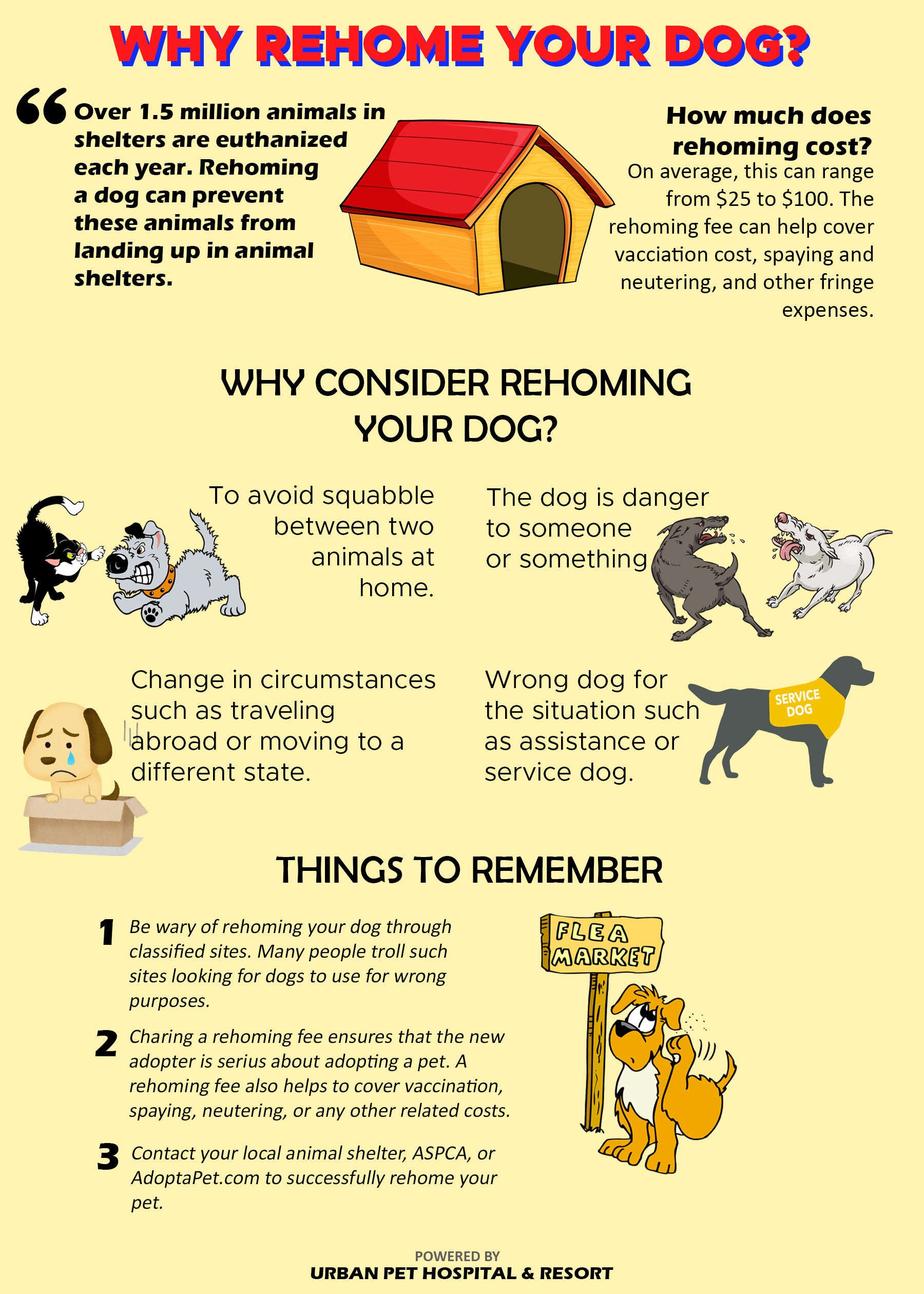
Image Source: www.urbanpethospital.com
Deciphering the Cost of Bringing a Dog Home
The cost to adopt a dog varies significantly. This isn’t a fixed price tag; it’s a reflection of the care and resources invested in each animal before they meet their forever family. Understanding the breakdown of these costs helps appreciate the value and purpose behind rehoming fees.
Why Rehoming Fees Exist
Rehoming fees serve multiple critical purposes:
- Offsetting Veterinary Costs: Most dogs arriving at shelters or rescues have received thorough veterinary examinations. This includes vaccinations, deworming, microchipping, and often spaying or neutering. These procedures alone can cost hundreds of dollars.
- Providing Essential Care: The fees contribute to the daily needs of the animals, such as food, shelter, bedding, toys, and enrichment activities.
- Supporting Operations: Rehoming fees help shelters and rescue organizations cover their operational expenses, including staff salaries, facility maintenance, utilities, and administrative costs.
- Ensuring Responsible Placement: A fee can act as a deterrent to impulse adoptions, encouraging potential adopters to think carefully about the commitment involved. It signifies a level of financial preparedness for pet ownership.
- Funding Future Rescues: Any surplus generated from rehoming fees often goes back into the organization to help save and care for more animals in need.
Factors Influencing Rehoming Fees
Several factors can influence the final pet rehoming cost:
- Age of the Dog: Puppies and younger dogs often have higher fees, as they are typically in high demand. Senior dogs or those with special needs might have lower fees to encourage their adoption.
- Breed and Size: Purebred dogs or those with specific breed characteristics can sometimes command higher fees, especially if they were rescued from situations like puppy mills or owner surrenders where extensive care was needed. Larger dogs may also incur slightly higher costs due to increased food and medical needs.
- Medical Needs: Dogs requiring extensive medical treatment or ongoing care will naturally have higher associated costs, which can be reflected in their rehoming fee.
- Training and Behavioral Support: Some organizations invest in behavioral training for dogs with specific needs. This specialized care is factored into the adoption fee.
- Source of the Dog: Dogs rescued from high-kill shelters, hoarding situations, or emergency situations may have incurred higher rescue and initial care costs for the organization.
- Organization Type: Non-profit animal shelters often have different fee structures compared to private rescue groups.
Comprehending Adoption Fees for Dogs
When you’re looking at shelter dog prices, it’s important to see them as an investment in your new companion’s health and well-being. The average dog adoption fee is a broad figure, as it encompasses a wide range of circumstances.
Typical Fee Ranges
Here’s a general idea of what you might expect:
- Puppies (under 1 year): $200 – $500+
- Adult Dogs (1-7 years): $150 – $400
- Senior Dogs (7+ years): $50 – $250
- Dogs with Special Needs: Fees can vary greatly, sometimes lower to encourage adoption, other times higher to reflect specialized care.
- Purebred Dogs (from rescues): $300 – $700+ (often due to demand and sometimes specialized breed rescues)
Important Note: These are general estimates. Always check the specific fees with the organization you are working with.
What Your Rehoming Fee Typically Covers
Let’s break down what most rescue dog fees include:
- Spay/Neuter Surgery: This is a significant cost that is almost always covered.
- Initial Vaccinations: Core vaccines like rabies, distemper, and parvovirus.
- Deworming: Treatment for common intestinal parasites.
- Flea and Tick Prevention: Initial doses of medication.
- Microchipping: Permanent identification if the dog is lost.
- Veterinary Health Check: An initial assessment by a veterinarian.
- Heartworm Test: For dogs over 6 months old.
- Food and Shelter: Costs associated with daily care while at the facility.
- Behavioral Assessment/Training: Some dogs receive basic training or temperament evaluations.
- Adoption Counseling: Support and guidance from the rescue staff.
The Value Proposition: More Than Just a Fee
When you pay a rehoming fee, you’re not just paying for the dog; you’re investing in:
- A healthy, vetted animal: The peace of mind that your new pet has had essential medical care.
- Support from experts: Access to knowledgeable staff who can help you find the right match and provide ongoing advice.
- A chance for a better life: Your fee directly contributes to saving other animals by supporting the rescue’s mission.
This is a key aspect of responsible pet ownership fees. It’s about the commitment to the animal’s welfare from the moment they are taken in by the rescue until they are safely in your care.
Examining Animal Shelter Fees and Rescue Group Costs
Both animal shelter fees and rescue dog fees are generally structured to reflect the care provided. While their missions are often similar, the way they operate can differ slightly, which might impact their fee structures.
Non-Profit Animal Shelters
These facilities are often government-funded or rely heavily on donations and grants. Their primary goal is to provide a safe haven and find homes for stray, abandoned, or surrendered animals.
- Fee Structure: Generally lower and more standardized, often with tiered pricing based on age or breed.
- Services Included: Typically cover the standard veterinary care mentioned above.
- Community Focus: Often serve a wider community and may have specific programs for low-income individuals.
Private Rescue Organizations
These groups are typically run by volunteers and are often breed-specific or specialize in certain types of rescues (e.g., senior dogs, medical cases).
- Fee Structure: Can be more varied and sometimes higher, especially for rescues that take on dogs with extensive medical or behavioral issues that require significant rehabilitation.
- Services Included: May offer additional services like specialized training, foster-to-adopt programs, or more in-depth behavioral assessments.
- Volunteer-Driven: Rely heavily on donations and fundraising, making rehoming fees crucial for their survival.
Table: Comparative Fee Considerations
| Feature | Typical Animal Shelter | Typical Private Rescue Group |
|---|---|---|
| Fee Range | Lower to moderate ($100 – $350) | Moderate to higher ($150 – $500+) |
| Focus | General animal welfare, community service | Specific breeds, medical needs, behavioral challenges |
| Funding | Government grants, donations, adoptions | Donations, fundraising events, adoptions |
| Services | Standard vet care, microchipping, spay/neuter | Standard vet care, often advanced vet/behavioral support |
| Volunteer Roles | Often paid staff, supported by volunteers | Primarily volunteer-run |
Why Rescue Dogs May Have Higher Fees
Some rescue dog fees might seem higher than shelter dog prices. This is often because private rescues may take in dogs that shelters cannot accommodate due to severe medical conditions or behavioral problems that require extensive rehabilitation, specialized training, and prolonged foster care. The higher fees in these instances are directly tied to the advanced care and resources invested.
The True Cost of Dog Ownership: Beyond the Rehoming Fee
It’s crucial to remember that the rehoming fee is just the initial dog adoption cost. It’s a small fraction of the overall expenses you’ll incur throughout your dog’s life. Responsible pet ownership fees extend far beyond the adoption day.
Essential Ongoing Costs
Consider these ongoing expenses:
- Food: High-quality dog food is vital for your dog’s health.
- Veterinary Care: Annual check-ups, vaccinations, parasite prevention (flea, tick, heartworm), and unexpected illnesses or injuries. This can add up quickly.
- Grooming: Depending on the breed, regular professional grooming or at-home grooming supplies.
- Training: Obedience classes, private lessons, or specialized behavioral training.
- Supplies: Leash, collar, ID tags, bed, bowls, crates, toys, grooming tools.
- Licensing: Annual dog license fees required by your local municipality.
- Pet Insurance (Optional but recommended): Can help manage unexpected veterinary bills.
- Boarding/Pet Sitting: If you travel or need someone to care for your dog.
Financial Preparedness
Before adopting, ensure you can afford the ongoing costs. A good rule of thumb is to have an emergency fund specifically for your pet, or consider pet insurance. The commitment is for the dog’s entire life, which can be 10-15 years or more.
Fathoming the Rehoming Process: What to Expect
The rehoming process, whether you are adopting or surrendering, involves more than just a financial transaction. It’s a structured process designed to ensure the best outcome for the animal.
If You Are Adopting
- Application Process: You’ll typically fill out an application detailing your lifestyle, living situation, experience with dogs, and what you’re looking for in a pet.
- Interview: A rescue representative or shelter staff member will likely interview you to discuss the application and answer your questions.
- Home Visit (Sometimes): Some organizations may conduct a home visit to ensure your environment is safe and suitable for a dog.
- Meet and Greet: You’ll spend time with the dog you’re interested in to see if you’re a good match.
- Adoption Contract: You’ll sign a contract outlining your responsibilities as the new owner.
- Payment of Rehoming Fee: This is usually done at the time of adoption.
- Post-Adoption Support: Many rescues offer ongoing support, advice, and resources to help with the transition.
If You Need to Rehome Your Dog
If you can no longer care for your dog, it’s crucial to do so responsibly.
- Contacting Shelters/Rescues: Reach out to local animal shelters and rescue organizations to see if they have space and can take your dog. Be prepared for waitlists.
- Owner Surrender Fees: Some shelters or rescues may charge a fee for owner surrenders. This helps them cover the costs of preparing the dog for rehoming. These fees can range from $50 to $200 or more, depending on the organization and the dog’s needs.
- Private Rehoming: You can also try to find a new home yourself through online platforms or by networking. If you charge a rehoming fee yourself, it’s generally recommended to do so to ensure the new owner is serious and financially capable. The fee you set should reflect the dog’s value and the costs you’ve incurred (vet records, supplies, etc.).
Why Charge a Rehoming Fee When Rehoming Yourself?
- Deters Unscrupulous Individuals: Prevents people looking for free “starter pets” or, worse, those who might intend to use the dog for malicious purposes.
- Ensures Financial Commitment: A fee indicates the adopter is prepared for the financial responsibilities of pet ownership.
- Helps Recoup Costs: If you’ve invested in your dog’s vet care or training, a fee can help recoup some of those expenses.
Frequently Asked Questions About Rehoming Fees
Q1: Can I negotiate the rehoming fee?
While some organizations may have some flexibility, especially for senior or special needs animals, many have fixed fees designed to cover their costs. It’s best to inquire directly with the organization.
Q2: What happens if I can’t afford the rehoming fee?
Discuss your situation honestly with the organization. Some may have programs or options available, while others may not be able to accommodate. They might also be able to direct you to other resources.
Q3: Is the rehoming fee tax-deductible?
Generally, rehoming fees paid to animal shelters and rescue organizations are considered tax-deductible donations, as they are for charitable purposes. Keep your receipt and consult with a tax professional for specifics.
Q4: Do puppy mills charge rehoming fees?
Reputable rescues and shelters charge rehoming fees to cover costs and ensure good homes. Puppy mills, on the other hand, are commercial operations that prioritize profit. They sell puppies at high prices, often without proper veterinary care or ethical breeding practices. Be wary of anyone selling puppies without a transparent process or who doesn’t ask you questions about your home.
Q5: What if I find a dog and want to keep it? Is there a fee?
If you find a stray dog, the first step is to check for a microchip or ID tags and contact local animal control or shelters. If the dog is unclaimed after a holding period and the shelter is legally able to adopt it out, there will be an adoption fee. Keeping a stray without reporting it can be illegal.
Q6: Is the rehoming fee refundable?
Typically, rehoming fees are non-refundable, as they represent the care and services provided. If an adoption doesn’t work out, the organization may have a return policy, but the fee itself is usually not reimbursed.
Conclusion: Investing in a Lifelong Companion
The dog adoption cost or rehoming fee is a crucial part of the adoption process. It’s an investment that ensures your new companion receives necessary veterinary care, nutrition, and shelter while supporting the vital work of animal welfare organizations. By understanding what these fees cover and the ongoing expenses of pet ownership, you can make an informed decision and prepare to provide a loving, lifelong home for a deserving dog. When you adopt, you’re not just getting a pet; you’re saving a life and becoming part of a community dedicated to animal welfare.