
Can you train a dog for protection yourself? While some basic obedience and deterring tactics can be taught by owners, achieving true, reliable protection requires specialized, professional training. The protection dog training cost can vary significantly. What is the average cost of guard dog training? It can range from a few thousand dollars for basic obedience with security enhancement to upwards of $20,000 or more for highly specialized, fully trained protection dogs. This article delves into the various expenses associated with training a dog for protection, breaking down the personal protection dog training price, executive protection dog training fees, dog security training expenses, K9 protection training cost, cost of professional protection dog services, bodyguard dog training prices, trained protection dog cost, and protection dog handler training cost.
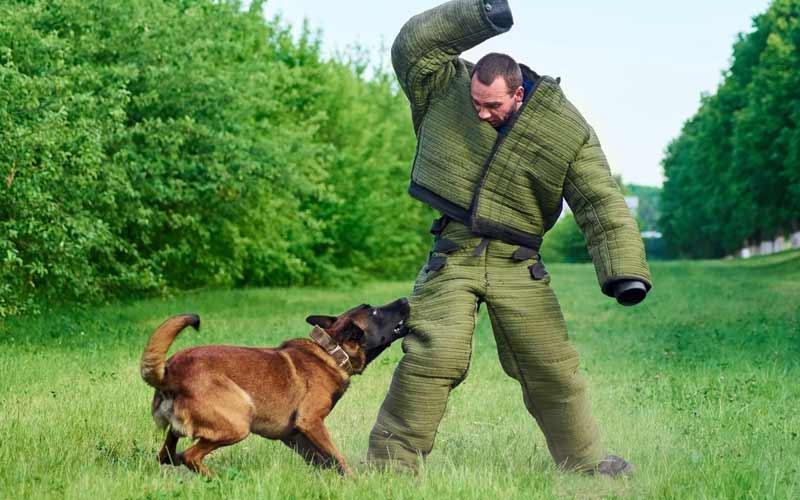
Image Source: leerburg.com
Deciphering the Investment: Factors Influencing Protection Dog Training Costs
Training a dog for protection is a significant undertaking, demanding specialized skills, time, and resources from both the dog and the trainer. The overall protection dog training cost is not a single, fixed price but rather a mosaic of interwoven expenses. Several key factors contribute to the final price tag, influencing everything from the initial selection of the canine to the ongoing support provided.
The Canine Candidate: Breed, Temperament, and Age
The foundation of any effective protection dog is the dog itself. Not all breeds are suited for protection work, and even within suitable breeds, individual temperament is paramount.
- Breed Suitability: Breeds like German Shepherds, Belgian Malinois, Rottweilers, Doberman Pinschers, and certain Mastiff breeds are commonly chosen for protection work due to their intelligence, trainability, courage, and physical capabilities. However, the cost of professional protection dog training can be higher if the chosen breed is less common or requires specialized handling techniques.
- Temperament and Drive: A dog must possess a stable temperament, confidence, and a healthy level of drive for protection work. Temperament testing is crucial. Dogs with inherent traits of courage, alertness, and a willingness to work are ideal. Dogs exhibiting excessive fear, aggression (unrelated to protective instincts), or a lack of focus will likely be screened out or require extensive foundational work, adding to the dog security training expenses.
- Age of the Dog: Puppies require extensive socialization and foundational obedience before protection-specific training begins. Older dogs might have pre-existing habits or require more time to build trust and recondition, which can impact the personal protection dog training price. Starting with a well-bred puppy from a reputable breeder who understands working lines often incurs a higher initial acquisition cost but can pay dividends in trainability and suitability.
The Training Program: Depth, Intensity, and Specialization
The nature of the protection training itself is the most significant driver of cost. Different levels of protection require different training methodologies and durations.
- Obedience and Socialization: Before any protection work begins, a dog must have impeccable obedience. This includes commands like sit, stay, come, down, heel, and recall, even in the face of distractions. Comprehensive socialization is also critical to ensure the dog can distinguish between real threats and normal everyday situations, preventing indiscriminate aggression. This foundational phase is crucial and contributes to the overall K9 protection training cost.
- Basic Deterrence and Alerting: This level involves training the dog to bark at strangers approaching the property or to alert its handler to unusual sounds. This is a less intensive form of protection and generally has a lower protection dog training cost.
- Active Deterrence and Apprehension: This is where the dog is trained to physically deter an aggressor. This might involve controlled bites on protective gear (like sleeves or suits) during training scenarios. The complexity and duration of this training significantly increase the cost of guard dog training.
- Specialized Protection: This can include training for specific environments like home security, personal protection (accompanying an individual), or even executive protection. The latter often involves highly nuanced training for various threat scenarios, vehicle work, and integration with personal security details. The executive protection dog training fees are typically at the highest end of the spectrum due to the specialized skill set and high stakes involved.
- Duration of Training: A comprehensive protection dog training program can take anywhere from six months to two years, depending on the dog’s aptitude and the desired level of skill. The longer the training period, the higher the overall trained protection dog cost.
The Trainer and Facility: Expertise and Resources
The caliber of the trainer and the facilities used play a pivotal role in the quality of the training and, consequently, the price.
- Trainer’s Experience and Reputation: Highly experienced trainers with a proven track record in protection dog training command higher fees. Their expertise in canine behavior, training methodologies, and understanding of legal liabilities is invaluable. The protection dog handler training cost is also a factor, as handlers need to be as skilled as the dogs.
- Training Methodologies: Reputable trainers often employ positive reinforcement techniques combined with appropriate correction when necessary. The emphasis is on building a reliable, controlled, and confident protector, not an aggressive animal.
- Facility Standards: Professional training facilities often have specialized areas for obedience, agility, scent work, and controlled bite training. The quality and safety of these facilities contribute to the overall dog security training expenses.
- Certifications and Affiliations: Trainers who are certified by recognized organizations or are affiliated with professional protection dog associations often demonstrate a higher level of commitment and expertise.
Ongoing Costs: Maintenance and Support
The initial investment in a trained protection dog is significant, but it’s crucial to factor in ongoing costs to maintain the dog’s skills and well-being.
- Veterinary Care: Like any dog, protection dogs require regular veterinary check-ups, vaccinations, and potential treatment for injuries sustained during training or real-world scenarios.
- Nutrition: High-quality food is essential to support the energy demands of a working dog.
- Gear and Equipment: Protective vests, specialized leashes, collars, and training equipment are necessary.
- Refresher Training: To maintain peak performance and adapt to evolving scenarios, regular refresher training sessions with a professional trainer are highly recommended. This ensures the dog remains reliable and its skills are sharp. This can be an ongoing part of the bodyguard dog training prices if a package includes continued support.
Breaking Down the Costs: A Closer Look at Pricing Models
Understanding how protection dog training cost is structured can help prospective owners budget effectively. Prices are rarely quoted as a simple hourly rate but rather as package deals reflecting the comprehensive nature of the training.
Package Pricing Structures
Most professional protection dog trainers offer various packages tailored to different needs and budgets. These packages typically encompass the entire training process from selection to delivery.
- Basic Protection Package: This might include advanced obedience, general deterrence, and basic alert training. This is generally the most affordable option.
- Personal Protection Package: This builds upon the basic package, incorporating controlled defense scenarios, responding to specific commands for protection, and potentially handler protection. This is where the personal protection dog training price starts to climb.
- Executive Protection Package: This is the most comprehensive and expensive. It includes advanced obedience, all aspects of personal protection, and specialized training for public settings, travel, vehicle scenarios, and integration into a security detail. The executive protection dog training fees reflect the immense complexity and specialized nature of this training.
- Customized Training Programs: Some trainers offer bespoke programs designed to meet very specific client needs. These are often priced on a case-by-case basis.
Cost Benchmarks for Different Levels of Training
To provide a clearer picture, here’s a general breakdown of potential costs based on the level of training. It’s important to note these are estimates, and actual prices may vary.
| Training Level | Estimated Cost Range | Key Features |
|---|---|---|
| Basic Obedience & Socialization | $1,500 – $3,000 | Advanced obedience, impulse control, socialization, basic alert behavior. |
| Home Protection/Deterrence | $3,000 – $7,000 | All of basic, plus trained barking at intruders, guarding property. |
| Personal Protection (Active) | $7,000 – $15,000 | All of home protection, plus controlled apprehension, defense against threats. |
| Executive/Advanced Protection | $15,000 – $30,000+ | All of personal protection, plus advanced scenarios, public settings, vehicle work. |
| Trained Protection Dog Purchase | $20,000 – $50,000+ | Purchase of a fully trained dog, often including a training warranty and support. |
| Protection Dog Handler Training | $3,000 – $10,000+ (per handler) | Training the owner or handler to effectively work with and manage the protection dog. |
These figures represent the cost of professional protection dog services. When considering the cost of guard dog training, these are the typical investment levels required for reliable, professional results. The K9 protection training cost for dogs intended for professional security or law enforcement can be even higher, as the standards and scenarios are more rigorous.
The Value of a Trained Protection Dog
When evaluating the trained protection dog cost, it’s essential to consider the immense value it brings. A well-trained protection dog offers:
- Deterrence: The mere presence of a trained protection dog can deter potential threats.
- Early Warning: They provide advance notice of approaching individuals or unusual activity.
- Active Defense: In a critical situation, they can actively defend their handler or property.
- Peace of Mind: Knowing you have a reliable protector provides significant psychological comfort.
The bodyguard dog training prices are a reflection of the dog’s ability to provide this multifaceted security. The personal protection dog training price is an investment in safety and security.
Selecting the Right Trainer: Due Diligence for Your Investment
Choosing the right trainer is paramount to ensuring you get a well-trained, reliable, and safe protection dog. Rushing this decision can lead to wasted money, a poorly trained dog, or even dangerous situations.
Key Questions to Ask Potential Trainers
Before committing to a program, conduct thorough research and ask prospective trainers pertinent questions:
- What is your experience with protection dog training? Inquire about their history, specific breeds they specialize in, and their training philosophy.
- What breeds do you typically work with, and why? A trainer should be knowledgeable about breed-specific traits relevant to protection work.
- Can you provide references from previous clients? Speaking with past clients can offer invaluable insights into the trainer’s effectiveness and professionalism.
- What are your training methodologies? Understand their approach to obedience, socialization, and the introduction of protection work. Are they humane and effective?
- What is included in your protection dog training packages? Clarify what specific skills are taught, the duration of training, and what support is provided after delivery.
- What are your policies on dog temperament testing and selection? A good trainer will have a rigorous process for selecting suitable candidates.
- What kind of guarantee or warranty do you offer? Some trainers offer warranties on their dogs’ temperament or training reliability.
- What are the ongoing costs associated with owning a trained protection dog? A responsible trainer will educate you on food, vet care, and potential refresher training.
- What is the typical protection dog handler training cost if I need to learn to work with the dog? This is crucial for the handler-owner to be proficient.
- Can you explain the executive protection dog training fees in detail? This is especially important for those seeking the highest level of training.
What to Look For in a Professional Trainer
- Professionalism: They should be organized, responsive, and transparent in their dealings.
- Expertise: They should demonstrate a deep knowledge of canine behavior, learning theory, and protection work.
- Ethical Practices: Their training methods should be humane and focused on building a well-adjusted, confident dog, not an aggressive liability.
- Clear Communication: They should be able to clearly explain their training process, expectations, and costs.
- A Safe and Clean Facility: If visiting their training grounds, ensure it is well-maintained and safe for both dogs and people.
Protecting Your Investment: What Happens After Training?
The relationship with your protection dog and trainer doesn’t end when you take your dog home. Ongoing commitment is essential.
Handler Training and Integration
The protection dog handler training cost is an often-overlooked but critical component. The best-trained dog is only as effective as its handler. Handler training ensures you can:
- Communicate effectively with your dog.
- Understand your dog’s signals and behavior.
- Manage the dog in various situations.
- Maintain the dog’s training and skills.
This training bridges the gap between the professional training environment and your daily life. The cost of guard dog training is often bundled with initial handler training, but ongoing sessions are usually separate.
Maintaining Peak Performance
A protection dog is a working animal. To maintain its skills and ensure its reliability, regular reinforcement is necessary.
- Regular Practice: Continue to practice obedience and obedience cues daily.
- Simulated Scenarios: Periodically engage in controlled scenarios that mimic potential threats to keep the dog responsive.
- Professional Refresher Courses: Investing in periodic refresher courses with your original trainer or another qualified professional can help maintain the dog’s sharpness and address any emerging issues. This can be a significant part of the K9 protection training cost over the dog’s working life.
Legal and Ethical Considerations
It’s crucial to be aware of local laws and regulations regarding owning and handling protection dogs. Responsible ownership includes ensuring your dog is a safe asset, not a liability. This involves proper training, socialization, and control. The cost of professional protection dog services often includes guidance on these legal aspects.
Frequently Asked Questions (FAQ)
Q1: Is owning a protection dog expensive?
A1: Yes, owning and training a protection dog involves significant upfront costs for the dog and its training, as well as ongoing expenses for care, food, and potential refresher training. The trained protection dog cost is substantial.
Q2: Can I train my own dog for protection?
A2: While you can teach basic obedience and some alerting behaviors, achieving reliable, controlled protection skills requires specialized expertise and experience that most average dog owners do not possess. Professional training is highly recommended for true protection work.
Q3: What is the average cost of a fully trained protection dog?
A3: A fully trained protection dog can range from $20,000 to $50,000 or more, depending on the breed, the trainer’s reputation, the level of training, and any specific customizations. This reflects the overall trained protection dog cost.
Q4: Are there hidden costs in protection dog training?
A4: Reputable trainers are usually transparent about their pricing. However, potential additional costs can include travel expenses for the trainer if they come to you, specialized equipment, and ongoing refresher training. Always clarify what is included in the protection dog training cost.
Q5: How long does it take to train a protection dog?
A5: The training process can take anywhere from six months to two years, depending on the dog’s aptitude, age, and the specific skills being taught. This duration heavily influences the personal protection dog training price.
Q6: What is the difference between a guard dog and a protection dog?
A6: A guard dog primarily deters intruders through barking and presence. A protection dog is trained to actively defend its handler or property by apprehending a threat when commanded, requiring much more advanced and controlled training. The cost of guard dog training is generally lower than for protection dogs.
Q7: What are executive protection dog training fees typically for?
A7: Executive protection dog training fees cover highly specialized training for protecting individuals in high-risk environments, including public appearances, travel, and dealing with sophisticated threats. This demands a higher level of precision and handler integration.
Q8: How much is protection dog handler training?
A8: Protection dog handler training cost can vary but typically ranges from $3,000 to $10,000+ per handler, depending on the intensity and duration of the program. It’s vital for the handler to be proficient.
In conclusion, investing in a protection dog is a significant decision that requires careful consideration of costs, the quality of training, and the expertise of the professionals involved. While the protection dog training cost can seem high, the peace of mind and enhanced security provided by a well-trained canine partner are invaluable. Thorough research and due diligence are key to making a sound investment in your safety and security.