
The average cost of IVDD surgery for a dog can range significantly, typically falling between $3,500 and $7,000, but can extend higher depending on several factors. Understanding this significant investment is crucial for pet owners facing this challenging diagnosis.
Intervertebral Disc Disease (IVDD) is a serious condition that affects a dog’s spine. It’s often seen in breeds like Dachshunds, but can impact any dog. When a disc in the spine ruptures or bulges, it can press on the spinal cord, causing pain, nerve damage, and even paralysis. Surgery is often the best option to relieve this pressure and give your dog the best chance at recovery. But what does this mean for your wallet? Let’s dive into the details of IVDD surgery cost for dogs.
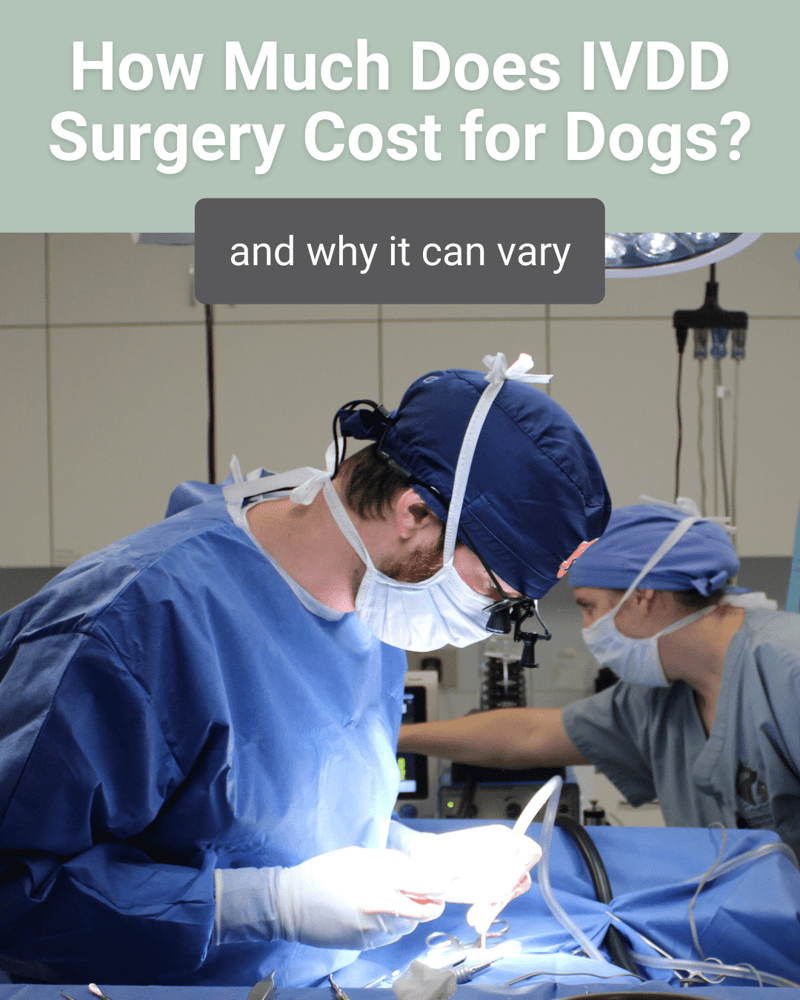
Image Source: sevneurology.com
Deciphering the Factors Influencing IVDD Surgery Cost
The IVDD surgery cost isn’t a fixed number. Many elements contribute to the final price tag. Knowing these can help you prepare and make informed decisions.
Geographic Location and Veterinary Clinic
- Urban vs. Rural: Prices can be higher in major metropolitan areas due to higher operating costs for clinics.
- Specialty vs. General Practice: Veterinary teaching hospitals or specialized surgical centers often charge more than general veterinary clinics, but they also offer advanced technology and expertise.
The Dog’s Condition and Specific Procedure
The severity of your dog’s IVDD and the specific surgical approach needed will greatly influence the cost.
- Type of Surgery:
- Hemilaminectomy: This common procedure involves removing a portion of the vertebra to access and remove the herniated disc material.
- Ventral Slot: This involves creating an opening on the underside of the vertebra.
- Corpectomy: A more complex procedure where a portion of the vertebral body is removed.
- Severity of Damage: If there’s significant spinal cord compression or damage, the surgery may be more complex and time-consuming, increasing the dog back surgery price.
- Neurological Status: Dogs with more severe neurological deficits (like paralysis) might require more extensive surgical intervention and longer recovery periods, impacting the overall disc disease surgery cost.
Pre-Operative Diagnostics
Before surgery can be performed, thorough diagnostics are essential to pinpoint the exact location and severity of the disc issue.
- X-rays (Radiographs): These are often the first step, providing an initial look at the spine.
- Myelogram: This involves injecting a contrast dye into the spinal canal to highlight the spinal cord and reveal areas of compression.
- CT Scan or MRI: These advanced imaging techniques provide detailed cross-sectional images of the spine and spinal cord, offering the most precise diagnosis. An MRI, while often the most accurate, is also one of the most expensive diagnostic tools. The cost of these diagnostics contributes to the overall spinal surgery for dogs cost.
The Surgical Procedure Itself
The surgery itself involves a highly skilled veterinary surgeon, specialized equipment, and anesthesia.
- Surgeon’s Expertise: Board-certified veterinary surgeons typically command higher fees due to their extensive training and experience.
- Anesthesia: General anesthesia is required, and the type and monitoring involved contribute to the cost.
- Surgical Supplies and Implants: Specialized instruments, sutures, and sometimes implants are used during the procedure.
Post-Operative Care and Medications
Recovery is a critical phase and also incurs costs.
- Hospitalization: Dogs often require overnight stays for monitoring and pain management.
- Medications: Pain relievers, anti-inflammatories, muscle relaxants, and other medications are prescribed.
- Rehabilitation Therapy: Physical therapy, hydrotherapy, or acupuncture can be highly beneficial for recovery, adding to the total pet back surgery expenses.
Breaking Down the Numbers: A Closer Look at IVDD Surgery Costs
Let’s get more specific about the potential costs involved. Remember, these are estimates, and your veterinarian will provide a detailed quote based on your dog’s individual needs.
Initial Consultation and Diagnostics
- Veterinary Exam: $50 – $150
- X-rays: $150 – $500
- Myelogram: $500 – $1,500
- CT Scan: $1,000 – $2,500
- MRI: $2,000 – $4,000+
As you can see, diagnostics alone can represent a significant portion of the cost of IVDD treatment.
The Surgery Itself
This is often the largest component of the overall expense.
- Anesthesia and Monitoring: $300 – $800
- Surgical Procedure (e.g., Hemilaminectomy): $2,000 – $5,000+
- Total Surgical Cost (including anesthesia): $2,300 – $5,800+
This range reflects the variability in procedure complexity and the clinic’s pricing structure. For a dachshund spinal surgery cost, these figures are generally applicable, as Dachshunds are prone to IVDD.
Post-Operative Care
The period after surgery is vital for a successful outcome.
- Hospitalization (per day): $100 – $300
- Post-operative Medications: $50 – $200+
- Follow-up Exams: $50 – $150 per visit
Rehabilitation and Long-Term Management
This is where costs can continue to add up but are crucial for optimal recovery.
- Physical Therapy/Rehabilitation: $50 – $150 per session
- Therapeutic Laser or Acupuncture: $75 – $200 per session
- Assistive Devices (e.g., slings, wheelchairs): $100 – $500+
Considering all these aspects, the total intervertebral disc disease surgery cost can easily range from $3,500 to $7,000 or even higher. For severe cases, particularly those involving paralysis requiring extensive intervention, the dog paralysis surgery price could push towards the upper end or exceed these estimates.
Case Studies: Illustrating the IVDD Surgery Cost Spectrum
To provide a clearer picture, let’s consider a couple of hypothetical scenarios.
Scenario 1: Mild to Moderate IVDD in a Dachshund
- Dog: A 5-year-old Dachshund presenting with pain and mild hind limb weakness.
- Diagnostics: X-rays and an MRI to confirm disc herniation at one level.
- Surgery: Hemilaminectomy to decompress the spinal cord.
- Post-Op: 2-day hospitalization, pain medications, and a short course of anti-inflammatories.
- Estimated Total Cost: $4,500 – $6,000
Scenario 2: Severe IVDD and Neurological Deficit in a Corgi
- Dog: A 7-year-old Corgi presenting with severe pain and inability to move hind limbs (paralysis).
- Diagnostics: MRI to identify severe disc protrusion at multiple levels, requiring urgent surgery.
- Surgery: More extensive decompression, potentially involving multiple sites, or a more complex procedure like a ventral slot.
- Post-Op: 3-day hospitalization, intensive pain management, anti-inflammatories, and initial rehabilitation consultation.
- Estimated Total Cost: $6,000 – $8,500+
These scenarios highlight how the extent of the problem directly impacts the dog back surgery price.
Financial Planning for IVDD Surgery
The financial commitment for IVDD surgery can be substantial. Here are some ways to approach it:
Pet Insurance
- Coverage: Many pet insurance plans offer coverage for illnesses and accidents, including surgeries. However, it’s crucial to check the policy details regarding pre-existing conditions and waiting periods for specific conditions like IVDD.
- Cost: Premiums vary based on breed, age, location, and coverage level.
Veterinary Financing Options
- CareCredit/Scratchpay: These are credit cards specifically for healthcare expenses, including veterinary care. They often offer promotional financing options like 0% interest for a set period.
- Clinic Payment Plans: Some veterinary clinics may offer their own in-house payment plans, though this is less common.
Pet Health Savings Accounts (HSAs) or Emergency Funds
- Saving Up: If you have advance notice, diligently saving into a dedicated pet emergency fund is ideal.
- HSAs: While not specifically for pets, some people use personal HSAs if allowed by the plan administrator.
Crowdfunding and Assistance Programs
- GoFundMe: Many pet owners turn to crowdfunding platforms to help offset vet bills.
- Veterinary Assistance Foundations: Organizations like The Pet Fund, RedRover, and Frankie’s Friends offer financial aid for emergency veterinary care for eligible pet owners. Research local and national organizations for potential assistance.
Factors Affecting the Cost of Specific Breeds (e.g., Dachshund Spinal Surgery Cost)
Dachshunds, with their long backs and short legs, are particularly predisposed to IVDD. This predisposition means they are more likely to require spinal surgery. The dachshund spinal surgery cost is generally in line with the figures discussed, but their small size can sometimes influence anesthesia and surgical approach slightly.
Similarly, other chondrodystrophic breeds like Basset Hounds, Beagles, and Bulldogs also have a higher incidence of IVDD. For these breeds, the dog herniated disc surgery price will also reflect the general cost factors mentioned earlier.
The Decision to Proceed: Weighing Costs and Benefits
Deciding on IVDD surgery is a significant decision, both emotionally and financially.
Prognosis and Quality of Life
- Early Intervention: The sooner surgery is performed after the onset of neurological signs, the better the prognosis. Delaying surgery can lead to irreversible nerve damage, potentially resulting in permanent paralysis, which would then mean discussing dog paralysis surgery price in a context where the outcome might be less favorable or require lifelong management.
- Pain Relief: Surgery aims to relieve pain and restore mobility. For many dogs, successful surgery dramatically improves their quality of life.
- Long-Term Outlook: Even with surgery, some dogs may experience recurring disc issues or residual neurological deficits. However, successful surgery significantly increases the chances of a good long-term outcome.
Alternatives to Surgery
In some mild cases, or if surgery is not financially feasible, conservative management might be considered.
- Strict Rest: Limiting activity and confining the dog to a small space.
- Medications: Pain relievers and anti-inflammatories to manage pain and inflammation.
- Corticosteroids: To reduce spinal cord inflammation.
However, conservative management is less effective for dogs with significant neurological deficits, and the risk of recurrence or worsening of the condition remains higher compared to surgical intervention.
Frequently Asked Questions (FAQ)
How much does IVDD surgery typically cost?
The typical IVDD surgery cost ranges from $3,500 to $7,000, but can be higher depending on the specific procedure, diagnostics, and location.
Is IVDD surgery worth the cost?
For many dogs, especially those with severe symptoms or paralysis, IVDD surgery offers the best chance for pain relief and recovery, significantly improving their quality of life. The long-term benefits often outweigh the financial investment.
Can a dog live a normal life after IVDD surgery?
Many dogs can return to a good quality of life after IVDD surgery. However, some may have residual limitations or require ongoing management. Strict adherence to post-operative care and rehabilitation is crucial.
What are the risks of IVDD surgery?
As with any surgery, there are risks, including anesthesia complications, infection, continued pain, cerebrospinal fluid leakage, or even worsening of neurological deficits. Your veterinarian will discuss these risks thoroughly.
How long does recovery take after IVDD surgery?
Full recovery can take several weeks to months. The initial period involves strict crate rest, followed by a gradual reintroduction of activity and often extensive physical rehabilitation.
How much does dog back surgery cost without insurance?
Without pet insurance, the full dog back surgery price would be out-of-pocket, ranging from $3,500 to $7,000 or more, depending on the factors discussed.
What is the difference between IVDD surgery and regular back surgery for dogs?
IVDD surgery specifically addresses the herniation or protrusion of intervertebral discs that compress the spinal cord. “Regular back surgery for dogs” is a broader term that could encompass other spinal issues, but IVDD surgery is a common type of spinal surgery for dogs cost.
What is the prognosis for a dog with IVDD that undergoes surgery?
The prognosis is generally good to excellent for dogs that undergo surgery, especially when performed promptly after the onset of symptoms. Dogs with complete paralysis have a more guarded prognosis, but surgery can still offer a chance for recovery.
What are the long-term costs associated with IVDD?
Long-term costs can include medications for pain management, follow-up veterinary visits, and potentially physical rehabilitation. The overall cost of IVDD treatment should consider these ongoing expenses.
If my dog has IVDD, do I have to get surgery?
Surgery is often recommended for moderate to severe cases to prevent permanent damage. However, mild cases may be managed with strict rest and medication. Your veterinarian will guide you on the best course of action for your specific dog.
The journey with IVDD can be challenging, but with thorough research and careful financial planning, providing your beloved canine companion with the best possible care is achievable. Discuss all options and costs openly with your veterinarian.