
How much is a police dog? The initial purchase price of a police dog can range anywhere from $1,000 to $10,000 or more, but this is just the tip of the iceberg. The true cost involves much more, including extensive training, ongoing care, specialized equipment, and the handler’s development. Calculating the police K9 cost requires a comprehensive look at all these components, as a well-trained and equipped police dog is a significant investment for any law enforcement agency.
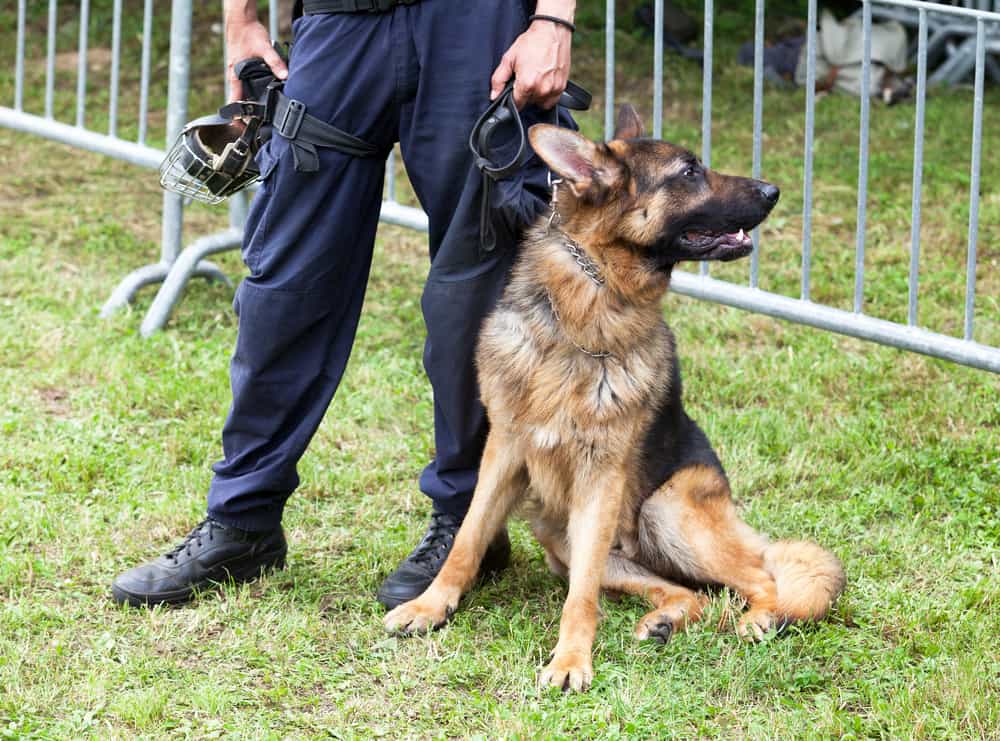
Image Source: pawderosaranch.com
Deciphering the Initial Acquisition Price
When agencies decide to bring a four-legged officer onto their team, the first hurdle is finding the right dog. This isn’t like picking a pet from a shelter, though some agencies do partner with rescue organizations.
Breed Selection and Temperament
Certain breeds are naturally predisposed to the work required of a police dog. German Shepherds, Belgian Malinois, and Dutch Shepherds are the most common choices due to their intelligence, trainability, drive, and courage. Labrador Retrievers and Bloodhounds are also utilized for specific tasks like detection.
- German Shepherds: Known for their versatility and strong work ethic.
- Belgian Malinois: Highly energetic and agile, often favored for their intensity.
- Dutch Shepherds: Similar to Malinois, they possess great stamina and a keen intellect.
The temperament of the dog is paramount. They must be stable, confident, and able to work under pressure without being overly aggressive or fearful. This is why agencies often source dogs from specialized breeders or reputable vendors who understand the demands of police work.
Sourcing the Canine Officer
Police dog acquisition price can vary significantly based on where the dog comes from:
- Specialized Breeders: These breeders focus on producing working dogs with specific lineage and temperaments. Prices can be higher but often reflect a greater chance of success in training.
- Working Dog Vendors: Companies that specialize in sourcing and pre-screening dogs for law enforcement can also command premium prices.
- Donations and Rescues: Some agencies receive donated dogs or work with rescue organizations. While this can lower the initial purchase price, these dogs may still require extensive evaluation and potentially more intensive initial training to ensure they meet the rigorous standards.
The police K9 unit budget must account for these initial acquisition costs, which, while seemingly high, are a foundational element of building a capable K9 team.
The Crucial Investment in Police Dog Training Expenses
The raw potential of a dog is only the beginning. The transformation into a law enforcement asset requires intensive and ongoing training. This is arguably the most significant component of the police K9 cost.
Initial Foundational Training
Every police dog undergoes rigorous basic obedience training. This includes commands for focus, control, and recall, even in distracting environments.
- Obedience: Sit, stay, come, down, heel.
- Socialization: Exposure to various environments, sounds, and people to build confidence and resilience.
- Vehicle Conditioning: Getting in and out of patrol vehicles, and being comfortable during transport.
Specialized Skill Development
Beyond basic obedience, police dogs are trained in specific areas depending on their role:
Detection Training
- Narcotics Detection: Identifying the scents of illegal drugs like marijuana, cocaine, heroin, and methamphetamine.
- Explosives Detection: Training to locate various types of explosive materials and their components.
- Currency Detection: Some K9s are trained to sniff out the scent of large amounts of money, often used in financial crimes investigations.
- Arson Detection: Identifying accelerants used in setting fires.
The cost of service dog training for these specialized areas is substantial. Trainers must use controlled environments and a variety of training aids to ensure accuracy and reliability.
Apprehension and Patrol Work
- Suspect Apprehension: Training dogs to bite and hold a fleeing or aggressive suspect, with precise control over their bite and release. This is a highly specialized skill that requires significant dedication.
- Building Searches: Teaching dogs to navigate enclosed spaces and locate hidden individuals.
- Tracking: Following a scent trail left by a person.
- Area Searches: Methodically sweeping open areas or buildings for hidden suspects or evidence.
The police dog training expenses can easily range from several thousand dollars per dog for basic patrol work to tens of thousands for highly specialized detection or dual-purpose (patrol and detection) dogs.
Ongoing and Recertification Training
The learning process for a police dog never truly stops. Regular training sessions are essential to maintain proficiency, adapt to new challenges, and ensure the dog remains reliable.
- Monthly Training: Most K9 units conduct regular training sessions to reinforce skills and practice new scenarios.
- Annual Certifications: Dogs and their handlers must pass rigorous re-certification tests annually to ensure they meet departmental and national standards. This often involves complex scenarios and evaluations of accuracy and control.
This continuous training ensures the effectiveness of the K9 unit and the safety of the dog, handler, and the public. The cost to train a police dog extends far beyond the initial period, encompassing a lifelong commitment to skill refinement.
The Human Element: Police Dog Handler Training Cost
A police dog is only as good as its handler. The investment in training the human partner is equally critical.
Basic Handler Training
Before a handler is paired with a dog, they typically undergo extensive training. This includes:
- K9 Handling Principles: Learning how to communicate effectively with the dog, read its body language, and build a strong working relationship.
- Training Methodologies: Understanding how to maintain and improve the dog’s skills.
- Legal Aspects: Familiarizing themselves with the legal requirements for using a K9 in law enforcement, including use-of-force laws and search-and-seizure protocols.
- Safety Protocols: Learning best practices for handler and dog safety in various operational environments.
Handler-Dog Team Training
Once a handler is assigned a dog, they undergo a joint training program, often lasting several weeks or months. This is where the handler and dog learn to work as a cohesive unit.
- Building Rapport: Developing trust and communication between the handler and the dog.
- Scenario-Based Training: Practicing real-world scenarios, from traffic stops to building searches.
- Specialized Skills Transfer: The handler learns how to direct and utilize the dog’s specialized detection or apprehension skills.
The police dog handler training cost includes the trainer’s fees, the duration of the training program, and the resources used. This specialized training ensures the handler can effectively and safely deploy the K9 asset.
Equipping the Canine Officer: Police Dog Equipment Cost
A police dog doesn’t just show up ready to work; it needs specialized gear to perform its duties safely and effectively. The police dog equipment cost adds another layer to the overall investment.
Essential Gear
- Harnesses: Specialized, durable harnesses designed for control and to attach equipment. Some are reinforced for tactical operations.
- Leashes: Heavy-duty leashes, often with quick-release mechanisms.
- Muzzles: Various types of muzzles, including basket muzzles for safe transportation and prevention of accidental bites, and bite muzzles for training.
- Identification: Patches and vests clearly identifying the dog as a law enforcement animal.
- Medical Supplies: A basic K9 first-aid kit is essential for immediate care in the field.
Patrol Vehicle Modifications
Police vehicles are often outfitted with specific K9 compartments to ensure the dog’s safety and comfort during transport.
- K9 Inserts: These are secure, climate-controlled compartments that separate the dog from the officer and prevent escape. They often include a fan system for ventilation and a remote door release.
- Specialized Seating: To protect the vehicle’s interior and provide a safe space for the dog.
- Water Bowls and Holders: For hydration during prolonged deployments.
Advanced Equipment
Depending on the specialization of the K9, additional equipment may be required:
- GPS Tracking Collars: For tracking the dog’s location during searches or if it becomes separated from the handler.
- K9 Body Armor (Vests): Bulletproof and stab-proof vests provide critical protection in high-risk situations. These can be expensive, often costing hundreds or even thousands of dollars per vest.
- Communication Devices: Some advanced K9 units may utilize specialized communication systems for handlers to interact with their dogs remotely.
The police dog equipment cost can add several thousand dollars to the initial setup for each K9 team, with ongoing costs for maintenance and replacement.
The Long-Term Commitment: Police Dog Maintenance Costs
Owning a police dog is a long-term commitment that extends beyond acquisition and training. The ongoing police dog maintenance costs are substantial and reflect the dog’s status as a working professional.
Food and Nutrition
A working dog has a higher metabolism and requires high-quality, specialized food to maintain energy levels and good health.
- Premium Dog Food: Cost can range from $50 to $150 per month or more, depending on the brand, size of the dog, and its activity level.
- Supplements: Some dogs may require joint supplements or other nutritional aids.
Veterinary Care
Regular veterinary check-ups are crucial, but specialized care can significantly increase costs.
- Annual Check-ups: Vaccinations, parasite control, and general health screenings.
- Emergency Care: Injuries sustained in the line of duty or sudden illnesses can result in very high veterinary bills, potentially thousands of dollars.
- Specialized Treatments: Orthopedic issues, dental care, or treatments for work-related injuries can be costly.
Grooming and Hygiene
While not as extensive as for some breeds, police dogs still require grooming.
- Brushing: To maintain coat health and reduce shedding.
- Nail Trimming: To prevent foot injuries.
- Ear Cleaning: To prevent infections, which can be common in breeds with floppy ears.
- Dental Hygiene: Regular teeth cleaning and checks.
Replacement Costs
Police dogs typically work until they are between 7 and 10 years old, depending on their health and the demands of their role. When a K9 retires, the agency must begin the process of acquiring and training a new dog, effectively restarting the cycle of police K9 cost.
The Unquantifiable Value: Beyond the Price Tag
While the financial investment in a police dog is significant, its value to a community and law enforcement agency is immeasurable.
- Officer Safety: K9s can alert handlers to hidden threats, clear buildings, and apprehend dangerous suspects, reducing the risk to human officers.
- Public Safety: Their ability to track missing persons, locate evidence, and detect explosives can directly contribute to public safety.
- Deterrence: The presence of a K9 unit can act as a deterrent to criminal activity.
- Community Relations: K9 officers often play a role in community outreach programs, building positive relationships between law enforcement and the public.
The police dog salary of the human handler is a separate but related cost. While the dog itself doesn’t receive a salary, the handler’s compensation is part of the overall cost of operating a K9 unit. The handler often works closely with the dog, even off-duty, making it a demanding but rewarding career.
Cost Comparison: K9 Unit vs. Other Resources
When budgeting for a K9 unit, agencies often compare the cost of a K9 team to the cost of additional human officers or specialized equipment. The return on investment, in terms of effectiveness and officer safety, often makes the police K9 unit budget a worthwhile allocation of resources.
Financial Breakdown: A Sample Budgetary Look
To illustrate the police K9 cost, here’s a simplified breakdown of potential expenses over a dog’s working lifespan (approximately 8 years). This is a general estimate, and actual costs can vary widely.
| Expense Category | Estimated Cost (Initial) | Estimated Annual Cost (Ongoing) | Estimated Total Cost (8 Years) | Notes |
|---|---|---|---|---|
| Acquisition Price | $1,000 – $10,000+ | $0 | $1,000 – $10,000+ | Varies based on breed, training level, and source. |
| Initial Training | $5,000 – $25,000 | $0 | $5,000 – $25,000 | Includes handler training and specialized skills. |
| Vehicle Modifications | $2,000 – $7,000 | $0 | $2,000 – $7,000 | K9 inserts, safety features. |
| Equipment | $1,000 – $5,000 | $500 – $1,000 | $5,000 – $13,000 | Harnesses, leashes, muzzles, vests, medical kits. |
| Food and Nutrition | $0 | $600 – $1,800 | $4,800 – $14,400 | High-quality working dog food. |
| Veterinary Care | $0 | $500 – $2,000 | $4,000 – $16,000 | Routine care, plus potential for emergency/specialized treatments. |
| Ongoing Training/Certifications | $0 | $500 – $2,000 | $4,000 – $16,000 | Maintaining skills, re-certifications, specialized courses. |
| Miscellaneous (e.g., grooming) | $0 | $200 – $500 | $1,600 – $4,000 | Minor care and upkeep. |
| Total Estimated Cost (8 Years) | $9,000 – $47,000+ | $2,300 – $7,300 (Annual) | $27,400 – $90,400+ | This excludes the handler’s salary. |
Important Note: This table provides estimates. The actual police K9 cost can be higher or lower depending on many factors, including the specific agency’s resources, the dog’s needs, and any unforeseen circumstances.
Frequently Asked Questions (FAQ)
Q1: Can civilians buy retired police dogs?
A1: Yes, retired police dogs are often available for adoption by civilians. Agencies usually have a process in place for handling retirements, and priority is often given to the dog’s handler or experienced individuals.
Q2: What happens to a police dog if it gets injured on duty?
A2: Similar to human officers, police dogs injured in the line of duty receive necessary medical treatment. Agencies have protocols for handling on-duty injuries, which can include extensive veterinary care, rehabilitation, and potential disability retirement for the dog.
Q3: How long does a police dog typically serve?
A3: The service life of a police dog is generally between 7 and 10 years. This depends on their health, the intensity of their work, and the demands of the job. Factors like breed and individual dog health also play a role.
Q4: Do police dogs get paid a salary?
A4: Police dogs do not receive a salary. However, the expense of acquiring, training, and maintaining them is a significant cost for law enforcement agencies, reflecting their value as specialized assets. The human handler, of course, receives a police dog salary.
Q5: What is the difference between a police dog and a service dog?
A5: A police dog is trained for law enforcement duties like detection, tracking, and apprehension. A service dog is trained to assist individuals with disabilities, performing tasks that help their handler. While both are highly trained animals, their training objectives and the cost of service dog training differ significantly.
Q6: How are police dogs selected?
A6: Police dogs are selected based on breed, temperament, drive, confidence, and trainability. They are typically assessed by experienced K9 trainers and handlers to ensure they possess the necessary traits for police work.
In conclusion, the police K9 cost is a multi-faceted investment that goes far beyond the initial purchase price. It encompasses rigorous training, specialized equipment, ongoing care, and the vital development of the human-canine team. While the financial outlay is substantial, the invaluable contributions of police dogs to officer safety, public security, and community well-being make them an essential and highly effective law enforcement resource.