
So, you’re wondering, “How much is protection dog training?” The cost of protection dog training varies significantly. You can expect to pay anywhere from $1,500 to $15,000 or more, depending on many factors. This wide range reflects the specialized nature of this training, the expertise required, and the individual needs of the dog and owner.
Protection dog training is a serious investment in safety and security for you and your family. It’s not just about teaching a dog to bark; it’s about developing a highly skilled, reliable, and controlled canine partner. This comprehensive guide will break down the factors influencing the price, what you can expect to pay, and how to find the best value for your situation.
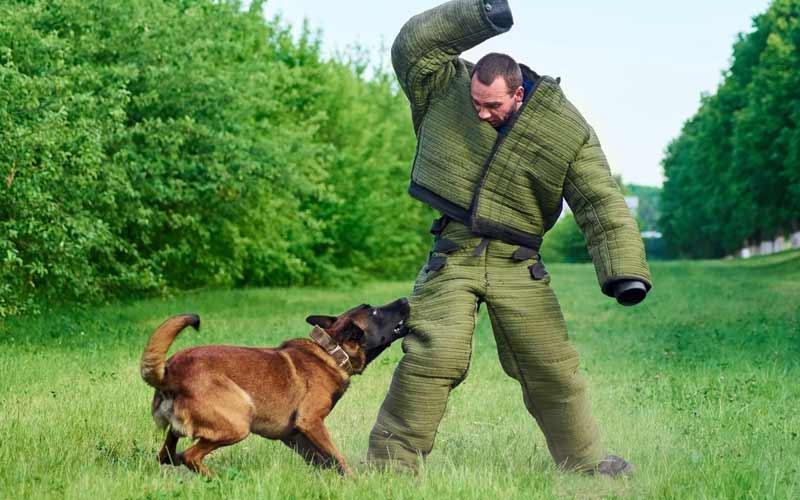
Image Source: leerburg.com
Factors Shaping Protection Dog Training Costs
Several key elements contribute to the overall price tag of protection dog training. Knowing these will help you budget effectively and understand why some programs are more expensive than others.
Trainer Expertise and Reputation
The experience, certifications, and reputation of the professional protection dog trainer cost is a significant driver of price. Trainers who have years of experience, a proven track record, and specialized knowledge in canine behavior and protection work will command higher fees. Look for trainers who are:
- Certified: While not always legally required, certifications from reputable organizations (like the PSA, Schutzhund/IPO, or specialized protection dog associations) indicate a commitment to standards and ongoing education.
- Experienced: Years spent working with various breeds and temperaments in protection scenarios are invaluable.
- Specialized: Trainers focusing specifically on personal protection, not just general obedience or other dog sports, often have higher costs due to their niche expertise.
- Reputable: Positive reviews, client testimonials, and a strong industry reputation suggest quality training.
Breed and Temperament of the Dog
While many breeds can be trained for protection, some breeds are naturally predisposed to guarding and may require less intensive foundational work. The dog’s innate temperament – its confidence, drive, and willingness to learn – also plays a role.
- Natural Aptitude: Breeds like German Shepherds, Belgian Malinois, Rottweilers, and Doberman Pinschers often excel in protection work. Dogs with a strong natural drive may progress faster, potentially reducing overall training hours.
- Temperament Assessment: A good trainer will assess your dog’s temperament. A dog that is overly fearful or aggressive without proper foundation may require more time and specialized handling, increasing costs.
- Age: Puppies can start foundational obedience and socialization, but true protection work typically begins once a dog is more mature, usually between 12-18 months old. Starting with an older dog might mean addressing existing behavioral issues, which can add to the training time and cost.
Scope and Intensity of Training
The specific skills you want your dog to learn will directly impact the canine protection training expenses.
- Basic Protection: This might include deterrence barking, alert barking on command, and potentially discouraging an unwanted approach.
- Advanced Personal Protection: This involves training for specific scenarios like boundary detection, alerting to specific threats, and controlled biting/subduing on command if necessary.
- Specific Disciplines: Training for events like Schutzhund/IPO (a German sport involving obedience, tracking, and protection) requires a high level of skill and dedication from both dog and handler, and thus higher costs. This is part of the guard dog training price.
- Anti-Attack Dog Training Cost: This term can sometimes overlap with personal protection, focusing on deterring or stopping an attack. The intensity and duration of this training will influence the price.
Training Location and Format
Where and how the training takes place also affects the price.
- On-Site Training: Many trainers offer training at their facilities. These facilities are often equipped with specialized equipment for protection work, contributing to overhead costs.
- In-Home Training: This is typically more expensive due to the trainer’s travel time and the personalized, one-on-one nature of the sessions in your environment.
- Board and Train Programs: Sending your dog away for intensive training is a common option. These programs can range from a few weeks to several months and are usually priced as a package. This often encompasses the security dog training fees.
- Private Lessons: Working with a trainer on a weekly or bi-weekly basis allows for tailored progress but can be more costly over time than a comprehensive board-and-train program. These are often focused on protection dog obedience training cost.
Program Length and Duration
The total number of hours or weeks required for effective protection training is a primary cost determinant.
- Foundational Skills: Even basic protection skills require consistent training over months.
- Advanced Skills: Achieving a high level of proficiency for complex scenarios takes longer and demands more training sessions.
- Handler Training: Most reputable programs include handler training, ensuring you can effectively manage and communicate with your protection dog. The time dedicated to this will add to the overall cost.
Deciphering the Price Ranges
Let’s break down what you might expect to pay for different types of protection dog training. These are general estimates, and actual costs can vary widely.
Foundational Protection Training
This level focuses on essential deterrence and alert behaviors.
- What it covers: Teaching the dog to bark on command at strangers, alerting to someone at the door or boundary, and developing confidence. It’s a crucial first step for many owners.
- Estimated Cost:
- Package Deals: Many trainers offer packages that might span 4-8 weeks of intensive training or a series of private lessons over several months. Expect prices in the range of $2,000 – $5,000.
- Per Session: Private lessons might cost $100 – $250 per session, with a significant number of sessions needed to achieve desired outcomes.
Personal Protection Dog Training Cost
This is a more advanced level, preparing the dog to actively defend its handler in specific situations.
- What it covers: Controlled aggression, apprehending a threat on command, maintaining a hold, and releasing on command. It requires extensive socialization and control. This falls under the broader umbrella of canine protection training expenses.
- Estimated Cost:
- Board and Train: A comprehensive 3-6 month board and train program for personal protection can range from $5,000 – $10,000. This often includes extensive handler training as well.
- Private Training: If opting for private lessons to achieve this level, expect a much longer commitment and potentially higher overall cost, possibly reaching $8,000 – $15,000+, depending on the trainer and progress.
Advanced and Specialized Protection Training
This includes highly specialized skills, such as those seen in competitive sports or for very specific security needs.
- What it covers: Specific scenario training, scent detection integrated with protection, advanced obedience under duress, and often training for legal defensibility. This is the realm of elite protection dog training investment.
- Estimated Cost:
- These programs are highly customized and can easily exceed $10,000 – $15,000, and in some cases, even go much higher for dogs trained for very specific professional roles. This also contributes to the bodyguard dog training price.
Purchased Trained Protection Dogs
Sometimes, instead of training your own dog, you can purchase a dog already trained for protection.
- What it covers: A dog that has already completed a rigorous protection training program. The trained protection dog price reflects the cost of breeding, raising, training, and often importing a dog.
- Estimated Cost:
- A well-trained personal protection dog can cost anywhere from $7,000 to $30,000+. The higher end typically involves dogs with exceptional genetics, proven success in competitions, and extensive, specialized training from world-renowned trainers.
Anti-Attack Dog Training Cost vs. Guard Dog Training Price
It’s important to distinguish between “guarding” and “protection.”
- Guard Dog Training: This often focuses on a dog’s ability to deter intruders by barking and appearing intimidating. The guard dog training price might be lower, perhaps $1,500 – $3,500, for a program focused on alert barking and boundary presence.
- Protection Dog Training: This involves a dog that can actively and safely engage a threat to protect its owner. This is where the anti-attack dog training cost comes in, and as discussed, it’s more intensive and thus more expensive.
What Your Investment Buys: The Components of Protection Dog Training
When you pay for protection dog training, you’re not just paying for the dog’s learned behaviors. You’re investing in a multifaceted process.
Professional Dog Trainer Cost Breakdown
The professional protection dog trainer cost typically includes:
- Trainer’s Salary/Fee: This covers their time, expertise, and knowledge.
- Facility Usage: Rent, utilities, and maintenance of training grounds and equipment.
- Specialized Equipment: Biting sleeves, protection suits (mats), specialized toys, and training aids.
- Ongoing Education: Reputable trainers invest in their own continuous learning to stay current with best practices.
- Insurance and Liability: Professional trainers carry insurance to protect themselves and their clients.
- Handler Training: Your education on how to manage and work with your protection dog.
Program Components of Canine Protection Training Expenses
A comprehensive protection training program typically involves:
- Behavioral Assessment: Evaluating the dog’s natural drives, temperament, and suitability for protection work.
- Obedience Foundation: Establishing a strong base of reliable obedience, including commands like “sit,” “stay,” “come,” and “heel” under distraction. This is part of the protection dog obedience training cost.
- Socialization: Properly introducing the dog to various environments, people, and other animals to ensure it is well-adjusted and not a danger to the public.
- Bite Work Introduction: Gradually introducing controlled biting scenarios, starting with toys and progressing to protective gear. This is a key aspect of anti-attack dog training cost.
- Control and Decoy Work: Training the dog to bite, hold, and release on command, usually with the help of a trained decoy who wears protective gear.
- Scenario-Based Training: Simulating real-life situations to ensure the dog’s responses are appropriate and controlled.
- Handler Training: Teaching you how to read your dog, give commands, and manage its behavior in public. This is vital for bodyguard dog training price.
- Proofing: Testing the dog’s learned behaviors in various distracting environments to ensure reliability.
Is Protection Dog Training Worth the Investment?
The decision to invest in protection dog training is significant. The elite protection dog training investment is substantial, but for many, the benefits far outweigh the cost.
Benefits of a Trained Protection Dog
- Enhanced Security: A trained protection dog acts as a formidable deterrent and can provide a significant layer of personal safety.
- Deterrence: The mere presence of a well-trained protection dog can discourage potential threats.
- Alert System: The dog can alert you to unusual sounds or the presence of strangers, providing early warning.
- Controlled Response: Unlike an untrained dog that might react unpredictably, a protection dog is trained to respond only when necessary and to stop on command.
- Companionship: A protection dog is still a beloved pet, offering companionship and loyalty.
- Peace of Mind: Knowing you have a highly trained canine partner can significantly reduce anxiety and increase your sense of security.
Considerations Before Committing
- Dog Suitability: Not all dogs are suitable for protection work. A dog needs the right temperament, drive, and physical capabilities.
- Owner Commitment: Protection dog training requires ongoing commitment from the owner to maintain the dog’s skills and manage its behavior.
- Legal Ramifications: Owners are responsible for their dog’s actions. Understanding local laws regarding protection dogs is crucial.
- Time Investment: Even with professional training, you will need to dedicate time to practice and reinforce learned behaviors.
Finding the Right Protection Dog Trainer
Choosing the right trainer is paramount to the success of your protection dog training.
Questions to Ask a Potential Trainer:
- What are your qualifications and certifications?
- What is your experience with my dog’s breed and temperament?
- Can you describe your training methods for protection work?
- What are the typical program lengths and what is included in the security dog training fees?
- Can you provide references from past clients?
- What is your policy on handler training?
- What is the personal protection dog training cost and what does it cover?
- What happens if my dog doesn’t progress as expected?
- Do you offer a guarantee on your training? (Be cautious of trainers who offer absolute guarantees, as dog behavior is complex).
What to Look For in a Training Facility or Program:
- Safety: The training environment should be safe and secure for both dogs and handlers.
- Professionalism: Trainers should be knowledgeable, patient, and ethical in their approach.
- Transparency: Clear pricing and program details are essential. Understand exactly what your canine protection training expenses will cover.
- Handler Involvement: A good program will involve you significantly in the training process.
The Investment in Protection Dog Obedience Training Cost
It’s crucial to remember that protection training is built upon a solid foundation of obedience. Therefore, the protection dog obedience training cost is an intrinsic part of the overall expense. A dog that doesn’t respond reliably to basic commands cannot be safely or effectively trained for protection. This means that even before specific protection work begins, you’ll be investing in comprehensive obedience, which is factored into the total trained protection dog price.
Frequently Asked Questions About Protection Dog Training Costs
Here are answers to some common questions regarding the price of protection dog training.
Q1: Why is protection dog training so expensive?
Protection dog training is expensive due to the highly specialized skills required, the extensive time and expertise of the trainers, the need for specialized equipment and facilities, and the rigorous nature of the training itself. It’s a significant commitment that goes far beyond basic obedience.
Q2: What’s the difference between a guard dog and a protection dog?
A guard dog typically deters intruders through barking and presence. A protection dog is trained to actively defend its handler or property, which involves controlled aggression, biting, and release commands. The training for a protection dog is far more intensive.
Q3: Can any dog be trained for protection?
No, not all dogs are suitable. A dog needs a specific temperament, including confidence, courage, drive, and a stable nervous system, along with good health and physical capabilities. A professional assessment is necessary.
Q4: How long does protection dog training take?
Basic protection skills can start to develop within several months of consistent training, but achieving a high level of proficiency for advanced personal protection can take 6 months to over a year, including ongoing handler training.
Q5: Is it better to train my own dog or buy a trained protection dog?
Both have pros and cons. Training your own dog allows you to build a deep bond and ensure the dog’s history is known, but it’s time-consuming and requires significant skill. Buying a trained dog can be faster but is often more expensive, and you need to trust the source implicitly. The trained protection dog price reflects the breeder’s/trainer’s investment.
Q6: What are the ongoing costs after the initial training?
Ongoing costs include regular training sessions to maintain skills, high-quality food, veterinary care, specialized gear, and potentially insurance.
By thoroughly researching and carefully selecting a qualified professional, you can ensure your investment in protection dog training provides the safety and peace of mind you desire. This guide offers a comprehensive overview of the costs and factors involved, empowering you to make an informed decision about this significant undertaking.