
Yes, you can give your dog sardines! They are a healthy treat, packed with good things. However, knowing the right amount is key to keeping your dog happy and healthy.
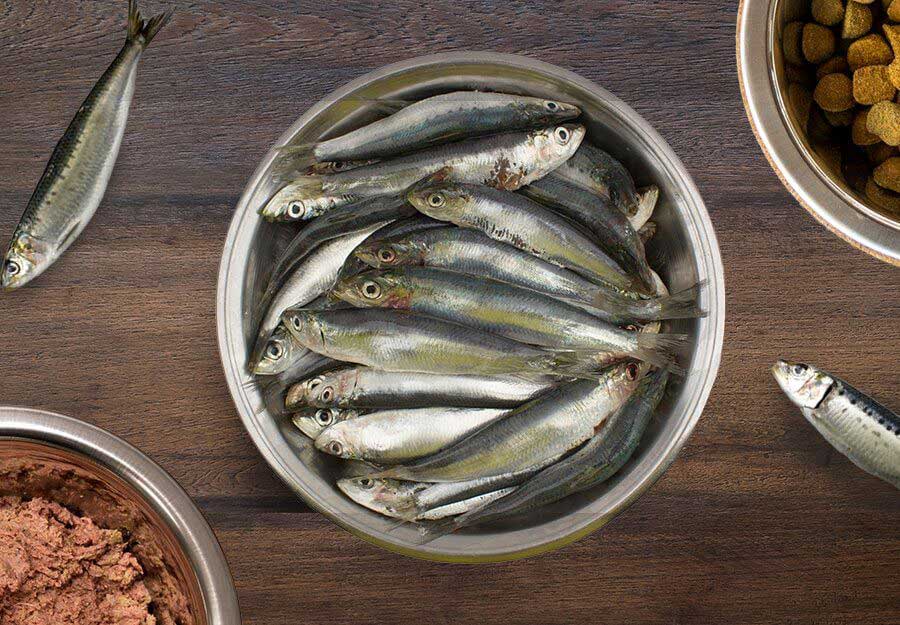
Image Source: blog.homesalive.ca
The Benefits of Sardines for Your Canine Companion
Sardines are small fish, but they pack a big punch when it comes to nutrition for dogs. These little powerhouses are a fantastic addition to your dog’s diet, offering a range of benefits that can boost their overall health and well-being. Let’s dive into why sardines are so good for your furry friend.
Rich in Omega-3 Fatty Acids
One of the biggest advantages of feeding your dog sardines is their high content of omega-3 fatty acids, specifically EPA (eicosapentaenoic acid) and DHA (docosahexaenoic acid). These are essential fats that dogs cannot produce enough of on their own, meaning they must come from their diet.
- Skin and Coat Health: Omega-3s are crucial for maintaining healthy skin and a shiny coat. They help reduce inflammation, which can alleviate dry, itchy skin and reduce shedding. A well-nourished coat is less prone to matting and feels softer to the touch.
- Joint Support: For dogs, especially older ones or those prone to arthritis, the anti-inflammatory properties of omega-3s can be a game-changer. They help lubricate joints, reduce swelling, and ease discomfort, making it easier for your dog to move around.
- Heart Health: Omega-3s contribute to a healthy cardiovascular system. They can help regulate heart rhythm, lower blood pressure, and reduce the risk of blood clots. This is particularly important for breeds known to have heart issues.
- Brain Development and Function: DHA is a major structural component of the brain and eyes. In puppies, it aids in proper brain and vision development. In adult dogs, it can support cognitive function and help maintain brain health as they age.
Excellent Source of Protein
Sardines are a complete protein source, meaning they contain all the essential amino acids your dog needs. Protein is vital for building and repairing tissues, supporting muscle growth, and providing energy. A good protein intake helps keep your dog strong and active.
Packed with Vitamins and Minerals
Beyond omega-3s and protein, sardines offer a wealth of other essential nutrients:
- Vitamin D: Crucial for calcium absorption, bone health, and immune function.
- Vitamin B12: Important for nerve function and the formation of red blood cells.
- Calcium: Essential for strong bones and teeth. Since sardines are eaten with their bones, they provide a natural, bioavailable source of calcium.
- Phosphorus: Works with calcium to build strong bones.
- Selenium: A powerful antioxidant that helps protect cells from damage.
- Potassium: Important for fluid balance and muscle function.
Good for Digestion
The natural oils in sardines can also aid digestion by helping to keep the digestive tract lubricated. This can be beneficial for dogs experiencing mild constipation.
Deciphering the Right Sardine Portion Size for Dogs
So, you’re ready to add sardines to your dog’s diet. Great! But how much is just right? Determining the correct sardine portion size for dogs is crucial to avoid overfeeding and potential health issues. The general rule of thumb is to treat sardines as a supplement, not a meal replacement.
General Feeding Guidelines for Sardines
The amount you feed your dog will depend on several factors, including their:
- Size: Larger dogs can generally tolerate a larger portion than smaller dogs.
- Weight: Overweight dogs will need smaller portions than their ideal-weight counterparts.
- Activity Level: More active dogs may benefit from slightly more, while sedentary dogs should have less.
- Overall Diet: Sardines should make up only a small percentage of your dog’s total daily food intake to maintain a balanced diet.
As a general guideline, a good starting point for dog feeding guidelines sardines is to offer:
- Small Dogs (under 20 lbs): 1/4 to 1/2 of a small, plain sardine, about once or twice a week.
- Medium Dogs (20-50 lbs): 1 whole small, plain sardine, about once or twice a week.
- Large Dogs (over 50 lbs): 1 to 2 whole small, plain sardines, about once or twice a week.
These are just starting points. It’s always best to observe your dog and consult your veterinarian if you have any doubts. The dog sardine serving amount should be tailored to your individual dog.
Calculating Based on Weight
Another way to approach how many sardines to feed dog is to consider their weight. A common recommendation is to offer about 10-20 mg of EPA and DHA per 10 pounds of body weight per week. However, since the exact omega-3 content can vary between brands and types of sardines, a simpler approach for supplemental feeding is often preferred:
- For every 10 pounds of your dog’s body weight, you can offer approximately 1/4 to 1/2 of a small, de-boned sardine.
For example:
- A 10 lb dog: 1/4 of a small sardine.
- A 20 lb dog: 1/2 of a small sardine.
- A 40 lb dog: 1 whole small sardine.
- A 60 lb dog: 1.5 small sardines.
Remember, this is a guideline for canned sardines for dogs dosage as a supplement.
The “Treat” Approach
Think of sardines as a healthy treat. Most veterinarians recommend that treats and supplements should not exceed 10% of a dog’s total daily caloric intake. If your dog eats a commercial kibble or wet food, adding sardines needs to be done mindfully.
Choosing the Right Sardines: What to Look For
Not all sardines are created equal when it comes to feeding them to your dog. The best choice will ensure you’re providing the most nutritional benefit with the fewest potential downsides.
Opt for Plain, Unseasoned Sardines
This is perhaps the most critical factor. When buying sardines for your dog, always choose those packed in:
- Water: This is the safest and healthiest option.
- Olive Oil: While olive oil can be beneficial in moderation, plain water is preferred. Avoid sardines packed in soybean oil or other vegetable oils, which can be lower in beneficial omega-3s and higher in omega-6 fatty acids, potentially leading to inflammation.
Avoid sardines packed in:
- Salt: Excess sodium is harmful to dogs and can lead to dehydration, increased thirst, and in severe cases, sodium ion poisoning.
- Sauces: Tomato sauce, hot sauce, or any other seasoning can contain ingredients that are toxic to dogs, such as garlic, onions, or excessive spices.
- Broth: While some broths are safe, many contain added salt or other ingredients that are not ideal for dogs.
Look for “Boneless and Skinless” or “Boneless” Varieties
While the bones in sardines are a good source of calcium, feeding whole sardines with bones can sometimes pose a choking hazard or cause digestive upset, especially for smaller dogs or those with sensitive stomachs.
- Boneless and Skinless Sardines: These are the easiest for dogs to digest and eliminate the concern of bones.
- Sardines with Bones: If you choose sardines with bones, ensure they are soft and edible. Mash them thoroughly before feeding, especially to smaller dogs or puppies. For larger dogs, they can often manage the soft bones.
Check the Ingredients List
Always read the ingredient list. The fewer ingredients, the better. Ideally, the only ingredient should be sardines, and possibly water or olive oil as the packing liquid.
How Often to Give Dog Sardines: Finding the Right Cadence
Just as important as the amount is the frequency. You don’t want to feed your dog sardines every single day, as this could unbalance their diet or lead to digestive issues. A good rhythm is key.
The “Once or Twice a Week” Rule
For most dogs, offering sardines once or twice a week is a safe and effective way to reap their benefits. This allows your dog to enjoy the nutritional advantages without overdoing it.
Considerations for More Frequent Feeding
If your dog has a specific health condition, such as inflammatory skin conditions or joint pain, your veterinarian might suggest a more frequent or slightly larger dose. However, this should always be under professional guidance. Never increase the frequency or amount without consulting your vet.
Monitoring Your Dog’s Reaction
Pay attention to your dog after introducing sardines. Look for any signs of digestive upset, such as:
- Diarrhea
- Vomiting
- Gas
- Changes in appetite
If you notice any adverse reactions, reduce the amount or frequency, or discontinue feeding sardines and speak to your vet. This helps determine the safe sardine intake for dogs.
The Best Way to Feed Dog Sardines: Preparation and Presentation
The way you prepare and present sardines can make a difference in how your dog enjoys them and how easily they digest them.
Preparing Canned Sardines
- Drain the Liquid: Whether packed in water or olive oil, drain off most of the liquid.
- Mash or Chop:
- For smaller dogs, puppies, or sensitive dogs: Mash the sardine thoroughly with a fork, ensuring any bones are broken down into tiny pieces or removed. You can even chop it finely.
- For larger dogs: You can offer the sardine whole, or lightly mash it. If bones are present, ensure they are soft and easily crushable.
- Mix with Food: The easiest way to incorporate sardines is to mix them into your dog’s regular kibble or wet food. This also helps ensure they consume all the mashed bits, including any bones.
- As a Topper: You can also use a small amount of mashed sardine as a tasty topper for their regular meal.
- On Their Own: Some dogs will happily eat a plain sardine as a special treat.
Fresh vs. Canned Sardines
While fresh sardines can be offered, they are less common for home feeding due to availability and preparation. Canned sardines are much more convenient. Ensure any fresh sardines are cooked thoroughly, as raw fish can carry bacteria and parasites.
Avoiding Overfeeding and Balancing Nutrients
It’s essential to remember that sardines are a supplement. If you feed your dog a high-quality, balanced commercial dog food, adding too many sardines can throw off the nutrient balance.
- Reduce Kibble if Necessary: If you’re adding a significant portion of sardines, you might need to slightly reduce the amount of their regular food to prevent overfeeding and weight gain.
- Consult a Nutritionist: For dogs with specific dietary needs or health conditions, consulting a veterinary nutritionist can help you fine-tune how much of each food group, including sardines, your dog should be consuming.
This relates to the overall dog health sardines amount you are providing.
When to Be Cautious: Potential Downsides of Too Many Sardines
While sardines are healthy, like anything else, too much can be problematic. It’s crucial to know how much is too much sardines for dogs.
High Sodium Content (If Not Plain)
As mentioned, sardines packed in salt or brine are a definite no-go. Even those packed in water can have some naturally occurring sodium. If your dog is on a low-sodium diet for health reasons (like heart disease or kidney issues), consult your vet about the suitability of sardines.
Fat Content and Weight Gain
Sardines, even packed in water, contain natural oils and fat. If your dog is overweight or prone to pancreatitis, feeding too many sardines can contribute to excess calorie intake and fat consumption. Monitor your dog’s weight closely.
Mercury Levels
While sardines are small, oily fish lower on the food chain, they can still accumulate small amounts of mercury. However, this is generally considered much less of a concern compared to larger predatory fish like tuna or swordfish. The benefits of omega-3s in sardines typically outweigh this minimal risk for occasional feeding.
Digestive Upset
Feeding too many sardines at once, especially to a dog not accustomed to them, can lead to an upset stomach, diarrhea, or vomiting. Start with small amounts and gradually increase as tolerated.
Bone Hazards (If Not Prepared Properly)
If you feed sardines with bones, ensure they are soft and easily crushable. Hard, sharp bones can cause choking or internal damage. Always supervise your dog when they are eating sardines with bones.
Frequently Asked Questions About Feeding Dogs Sardines
Here are some common questions dog owners have about giving their pets sardines.
Can I give my dog canned sardines every day?
It is generally not recommended to give your dog canned sardines every day. Most veterinarians suggest offering them as a supplement once or twice a week. Daily feeding can lead to an imbalanced diet and potential overconsumption of fat or sodium, depending on the type of sardines.
What is the best type of canned sardines for dogs?
The best type of canned sardines for dogs are those packed plain in water, with no added salt, oil, or seasonings. Look for brands that are simple and have minimal ingredients. Boneless and skinless varieties are often easiest for dogs to digest.
Can puppies have sardines?
Yes, puppies can have sardines in moderation, provided they are prepared correctly. Ensure they are boneless and mashed into a very fine consistency. Sardines can be a good source of nutrients for growing puppies, but their overall diet should remain balanced and appropriate for their life stage. Always start with a tiny amount to gauge their reaction.
What happens if my dog eats too many sardines?
If your dog eats too many sardines, they may experience digestive upset such as diarrhea, vomiting, or gas. In cases of very high sodium intake (from salted sardines), symptoms could include increased thirst, lethargy, or even more severe issues like sodium poisoning. If you suspect your dog has eaten too many or is showing signs of illness, contact your veterinarian immediately.
Should I remove the bones from sardines for my dog?
It is generally recommended to remove or thoroughly mash the bones from sardines, especially for small dogs, puppies, or dogs with sensitive stomachs. Soft, edible bones are a good source of calcium, but they can pose a choking hazard or cause digestive irritation if not properly prepared. If you choose to feed sardines with bones, ensure they are thoroughly mashed or crushed.
Can sardines help with my dog’s itchy skin?
Yes, the high levels of omega-3 fatty acids (EPA and DHA) in sardines can significantly help improve skin health in dogs. These fatty acids have anti-inflammatory properties that can reduce itching, dryness, and irritation, leading to a healthier, shinier coat.
My dog has pancreatitis. Can they still eat sardines?
Dogs with pancreatitis need a very low-fat diet. While sardines are nutritious, their fat content, even in water, might be too high for a dog recovering from or prone to pancreatitis. It is crucial to consult your veterinarian before giving sardines to a dog with pancreatitis. They will advise on whether any form of fish oil or fish supplement is appropriate and in what dosage.
How do I introduce sardines into my dog’s diet?
Introduce sardines slowly and in small amounts. Start with a tiny portion (e.g., a spoonful of mashed sardine) mixed into their regular food. Observe your dog for any digestive issues over the next 24-48 hours. If they tolerate it well, you can gradually increase the dog sardine serving amount to the recommended guidelines over subsequent feedings.
Conclusion: A Healthy Treat in Moderation
Sardines are a nutritional powerhouse that can offer substantial health benefits for your dog when given correctly. By choosing the right type of sardines, sticking to appropriate sardine portion size for dogs, and feeding them in moderation, you can safely incorporate these fish into your dog’s diet to support their skin, coat, joints, and overall well-being. Always remember to prioritize plain, water-packed varieties and consult your veterinarian if you have any concerns about your dog’s health or diet.