
Image Source: www.grxstatic.com
Xanax Dosage: How Much Xanax for a 20-Pound Dog?
Can you give a 20-pound dog Xanax? Yes, Xanax (alprazolam) can be used for dogs, but only under the direct supervision and prescription of a veterinarian. The exact Xanax dosage for dogs varies greatly depending on the dog’s specific condition, age, weight, and how their body processes the medication. Giving any medication without veterinary guidance can be extremely dangerous.
Fathoming Canine Anxiety and Sedation
Many dog owners look for ways to help their furry companions cope with anxiety, fear, or stress. These feelings can manifest in various ways, such as destructive behavior, excessive barking, panting, pacing, or hiding. Common triggers for canine anxiety include thunderstorms, fireworks, separation from their owner, car rides, vet visits, or even loud noises. When these situations arise, owners often seek solutions to provide their dogs with comfort and relief. This is where dog anxiety medication might be considered.
Alprazolam for Dogs: A Closer Look
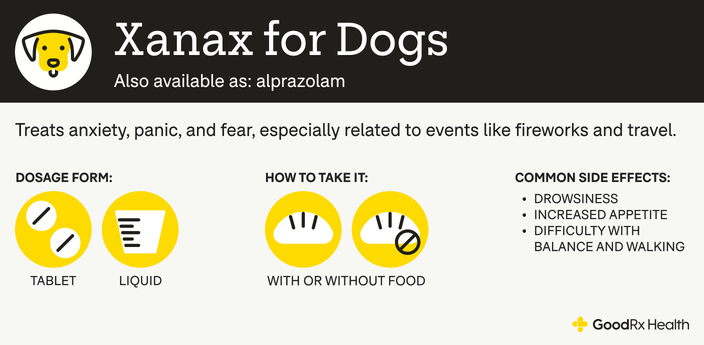
Xanax, the brand name for alprazolam, is a benzodiazepine medication. Benzodiazepines are a class of drugs that act on the central nervous system to produce calming effects. In veterinary medicine, Alprazolam for dogs is sometimes prescribed for conditions like situational anxiety, panic disorders, or as a pre-anesthetic to help calm a dog before a procedure. It’s important to remember that alprazolam is a potent medication and should never be administered without a thorough evaluation by a veterinarian.
Why Veterinary Consultation is Crucial
Determining the correct Xanax dosage for a 20-pound dog is not a simple matter of multiplying a human dose by weight. Dogs metabolize medications differently than humans. Factors such as breed, liver and kidney function, other existing health conditions, and concurrent medications can significantly influence how a dog responds to alprazolam. A veterinarian will consider all these aspects before prescribing. They will perform a physical examination, discuss the dog’s history and symptoms, and may recommend blood tests to ensure the dog is a suitable candidate for the medication.
The Role of Xanax as a Veterinary Sedative
In some cases, Xanax might be used as a veterinary sedative for dogs. This could be helpful in situations where a dog needs to be handled for medical examinations or treatments but is experiencing significant fear or agitation. However, it’s not a one-size-fits-all solution. Other sedatives might be more appropriate depending on the specific need and the dog’s overall health. The goal is always to provide relief and minimize distress for the animal.
Interpreting Tranquilizer Dosage for Pets
When discussing tranquilizer dosage for pets, it’s essential to understand that this involves precise calculations based on milligrams per kilogram (or pound) of body weight. However, these calculations are always made by a qualified veterinarian. Factors that influence the dosage include the desired effect (mild sedation versus significant calming), the specific drug being used, and the individual animal’s metabolism. For instance, a younger, healthier dog might require a different dosage than an older dog with underlying health issues.
Canine Benzodiazepine: What to Know
As a canine benzodiazepine, alprazolam works by enhancing the effect of a neurotransmitter called GABA (gamma-aminobutyric acid) in the brain. GABA has an inhibitory effect, meaning it helps to slow down nerve activity. This leads to reduced anxiety, muscle relaxation, and sedation. While effective, benzodiazepines can also have side effects, such as drowsiness, dizziness, incoordination, or in rare cases, paradoxical excitement (where the dog becomes more agitated). This is another reason why professional oversight is vital.
Safe Xanax for Dogs: Key Considerations
Ensuring safe Xanax for dogs primarily revolves around adhering to veterinary guidance. This includes:
- Strict Adherence to Prescription: Never deviate from the prescribed dosage or frequency.
- Monitoring for Side Effects: Observe your dog closely for any adverse reactions and report them to your vet immediately.
- Proper Storage: Keep the medication out of reach of children and other pets.
- Avoidance of Over-the-Counter Products: Do not administer human medications or any other drugs without veterinary approval.
- Understanding the Condition: Be clear about what condition the Xanax is treating and what the expected outcome is.
Veterinarian Prescribed Xanax for Dogs: The Only Way
It cannot be stressed enough: veterinarian prescribed Xanax for dogs is the only safe and responsible way to use this medication. Attempting to self-medicate a pet with prescription drugs, even if you believe you have the correct dosage, is dangerous and can lead to serious health consequences, including overdose, adverse drug interactions, or delayed treatment for an underlying issue.
Dosage Calculations: A Veterinary Domain
While we cannot provide a specific dosage for a 20-pound dog without a veterinary examination, we can explain the principles involved in pet sedation guidelines. Veterinarians typically start with a low dose and titrate (gradually increase) it as needed, monitoring the dog’s response at each step. The dosage is usually expressed in milligrams (mg) per pound (lb) or kilogram (kg) of body weight.
For example, a common starting dose range for alprazolam in dogs might be between 0.01 to 0.05 mg per pound of body weight, administered orally every 8 to 12 hours. However, this is a general range and must not be used for self-medication. A 20-pound dog would fall within this range, but the precise milligram amount would be determined by the veterinarian based on the specific clinical situation.
Let’s illustrate with a hypothetical scenario:
- Dog’s Weight: 20 pounds
- Veterinarian’s Prescribed Dosage Range: 0.02 mg/lb
In this hypothetical case, the calculated dose would be:
20 pounds * 0.02 mg/lb = 0.4 mg
This 0.4 mg would then be administered at the frequency prescribed by the veterinarian (e.g., every 12 hours).
Dog Medication Calculator: A Tool, Not a Substitute
You might find dog medication calculator tools online. These can be helpful for understanding how dosages are calculated in principle, but they are not a substitute for professional veterinary advice. These calculators typically require you to input the dog’s weight and the veterinarian’s prescribed dosage per pound or kilogram. They can then help you determine the exact number of milligrams to give. However, they do not diagnose conditions, determine appropriate dosages, or account for individual patient variables. Always double-check any calculation with your veterinarian.
When is Xanax Recommended for Dogs?
Xanax is typically prescribed for dogs experiencing:
- Situational Anxiety: Such as during thunderstorms, fireworks, or car travel.
- Separation Anxiety: When a dog becomes distressed when left alone.
- Phobias: Intense fear of specific objects or events.
- Aggression Related to Fear or Anxiety: Though it’s not a primary treatment for aggression itself, it can help manage underlying anxiety contributing to it.
- Pre-anesthetic Medication: To calm a dog before surgery or a stressful veterinary procedure.
Alternatives and Complementary Therapies
While Xanax can be effective, it’s not the only option for managing canine anxiety. Veterinarians may also recommend or utilize other strategies, often in combination with medication:
- Behavior Modification Training: Positive reinforcement techniques can help dogs learn to cope with anxiety-inducing situations. This is often a cornerstone of long-term anxiety management.
- Environmental Enrichment: Providing dogs with puzzle toys, safe chew toys, and opportunities for exercise can help reduce stress.
- Calming Aids: Products like pheromone diffusers (e.g., Adaptil), calming supplements (containing ingredients like L-theanine or Tryptophan), or ThunderShirts (compression garments) can be beneficial for some dogs.
- Other Medications: Depending on the specific type and severity of anxiety, veterinarians might consider other classes of drugs, such as selective serotonin reuptake inhibitors (SSRIs) for chronic anxiety, or different types of sedatives.
The Importance of a Gradual Approach
When a dog is prescribed Xanax, the veterinarian will likely advise starting with a low dose to assess tolerance. The effects of the medication are usually observed within 1-2 hours of administration. The veterinarian will guide the owner on how to increase the dose if necessary, always emphasizing observation for both positive effects and any potential side effects.
Potential Side Effects of Xanax in Dogs
Like all medications, Xanax can have side effects. It’s crucial for owners to be aware of these and report any concerns to their veterinarian. Common side effects include:
- Drowsiness or Lethargy: The dog may appear sleepy or less active than usual.
- Dizziness or Incoordination: This might manifest as stumbling or difficulty walking.
- Increased Appetite: Some dogs may experience an increased desire to eat.
- Paradoxical Excitation: In a small percentage of dogs, Xanax can cause increased agitation or restlessness instead of calming. This is a critical side effect to report.
- Gastrointestinal Upset: Vomiting or diarrhea can occur in some dogs.
Less common, but more serious, side effects can occur, especially with higher doses or in dogs with pre-existing health conditions. This underscores the necessity of veterinary supervision.
Drug Interactions to Be Aware Of
If your dog is taking other medications, it is absolutely essential to inform your veterinarian. Alprazolam can interact with other drugs that affect the central nervous system, potentially increasing sedative effects or causing other adverse reactions. For example:
- Other CNS Depressants: Medications like opioids, other sedatives, or certain antihistamines can potentiate the sedative effects of Xanax.
- Certain Antifungal Medications: Some antifungals can interfere with the metabolism of alprazolam, leading to higher-than-intended levels in the bloodstream.
- Medications Affecting Liver Enzymes: Drugs that are metabolized by or affect the same liver enzymes as alprazolam can lead to altered drug levels.
Your veterinarian will review your dog’s entire medical history and current medications to prevent potentially harmful interactions.
Dispensing and Prescription Considerations
Xanax is a controlled substance in many regions due to its potential for abuse and dependence. This means that prescriptions are strictly regulated.
- Prescription Required: A veterinarian must write a prescription for Xanax. Pharmacies will not dispense it otherwise.
- Refill Policies: Veterinarians will typically not authorize automatic refills without a follow-up appointment and re-evaluation of the dog’s condition.
- Dosage Adjustments: If the initial dosage is not effective or causes side effects, the veterinarian will adjust the prescription accordingly.
What to Do in Case of an Emergency
If you suspect your dog has ingested too much Xanax or is experiencing severe adverse reactions, contact your veterinarian or an emergency veterinary clinic immediately. Do not wait for symptoms to worsen. Be prepared to provide details about your dog’s weight, the amount of medication you believe was ingested, and when it happened.
Frequently Asked Questions (FAQ)
Q1: Can I give my 20-pound dog my leftover Xanax?
A1: Absolutely not. Human Xanax dosages are not appropriate for dogs, and giving your dog medication without a veterinarian’s prescription and guidance is dangerous and illegal.
Q2: How long does Xanax take to work in dogs?
A2: Xanax typically starts to show effects within 1 to 2 hours after administration.
Q3: Will Xanax make my dog sleep all day?
A3: While drowsiness is a common side effect, the duration and intensity can vary. The veterinarian will adjust the dose to provide relief without excessive sedation.
Q4: Is Xanax addictive for dogs?
A4: While benzodiazepines can cause dependence with prolonged use, especially at higher doses, veterinarians prescribe them cautiously and often for short-term or situational use to minimize this risk. If used long-term, a veterinarian will guide a gradual tapering off process.
Q5: Can Xanax be used for travel anxiety in my 20-pound dog?
A5: Yes, Xanax is often prescribed for situational anxiety, including travel anxiety. However, your veterinarian will determine if it’s the best option and prescribe the correct dosage. They may also suggest starting the medication before the travel day to gauge your dog’s response.
Q6: What are the signs that Xanax is working?
A6: Signs that Xanax is working might include reduced pacing, decreased vocalization, a calmer demeanor, and less reactivity to triggers.
Q7: If Xanax doesn’t work, what are other options for my dog’s anxiety?
A7: Your veterinarian has a range of options, including different medications (like SSRIs for chronic anxiety), behavior modification training, environmental changes, and calming supplements or devices.
Q8: How should I store Xanax for my dog?
A8: Store Xanax in a cool, dry place, away from direct sunlight, and out of reach of children and pets, as it is a controlled substance.
Q9: Can I mix Xanax with other dog anxiety medications?
A9: Never mix medications without explicit instructions from your veterinarian. Drug interactions can be severe and unpredictable.
Q10: What if my dog has a bad reaction to Xanax?
A10: If you notice any unusual or severe side effects, contact your veterinarian immediately. Do not administer another dose until you have spoken with them.
In conclusion, while Xanax (alprazolam) can be a valuable tool for managing anxiety in dogs, its use must be approached with extreme caution and under the strict guidance of a veterinarian. For a 20-pound dog, just as for any canine, the correct Xanax dosage for dogs is a matter of professional medical judgment, not guesswork. Always prioritize a thorough veterinary consultation to ensure the safety and well-being of your beloved pet.