
Can you give a dog Xanax for anxiety, and how much? Yes, a veterinarian may prescribe Xanax (alprazolam) to manage anxiety in dogs, but it’s crucial to follow their exact dosage instructions. Never give your dog Xanax without a prescription and explicit guidance from your veterinarian. This blog post will delve into the specifics of Xanax dosage for canine anxiety, Alprazolam for dog anxiety, and dog anxiety medication dosage. We will also cover veterinary Xanax use, the importance of safe Xanax for dogs, and what to expect with Xanax side effects dogs.
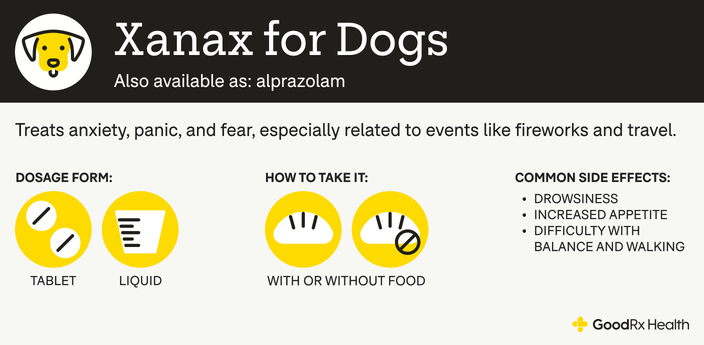
Image Source: www.grxstatic.com
Deciphering Canine Anxiety and Medication Needs
Anxiety in dogs is a common issue. It can stem from various sources, including separation anxiety, noise phobias, travel anxiety, and general fear. Recognizing the signs of anxiety is the first step. These can include panting, pacing, excessive barking, destructive behavior, trembling, drooling, and hiding.
When behavioral modification and environmental changes aren’t enough, veterinarians may consider medication. Alprazolam for dog anxiety is one such option, working by affecting certain chemicals in the brain to promote calmness. It’s important to remember that Xanax is a powerful medication, and its use for veterinary anxiety treatment dogs requires careful consideration and professional oversight.
The Role of Veterinarians in Prescribing Xanax
Only a licensed veterinarian can diagnose anxiety in dogs and determine if medication is appropriate. They will consider your dog’s breed, age, weight, overall health, and the specific nature and severity of their anxiety. Based on these factors, they will calculate the correct dog anxiety medication dosage.
Veterinary Xanax use is not for casual administration. It’s a controlled substance, and misuse can be dangerous. Your vet will explain the benefits, risks, and proper administration. They might also suggest combining medication with behavioral therapy for the best results.
Factors Influencing Xanax Dosage for Dogs
Determining the right Xanax dosage for canine anxiety is a complex process. It’s not a one-size-fits-all approach. Several critical factors influence how much Xanax a dog might need:
- Weight of the Dog: This is a primary factor in calculating medication dosages. Larger dogs generally require higher doses than smaller dogs. However, this isn’t a direct linear relationship; metabolism also plays a role.
- Severity of Anxiety: A dog with mild situational anxiety might need a lower dose than a dog suffering from severe, chronic separation anxiety. The vet will assess the intensity of the behavioral changes.
- Type of Anxiety: Different types of anxiety might respond differently to the same medication. For instance, a dog with a noise phobia during fireworks might need a dose timed for that specific event, while a dog with separation anxiety might require a more consistent regimen.
- Individual Metabolism and Sensitivity: Just like humans, dogs metabolize drugs differently. Some dogs are more sensitive to the effects of medications and may require lower doses to avoid side effects. Age and liver/kidney function can impact metabolism.
- Presence of Other Health Conditions: If a dog has pre-existing health issues, especially those affecting the liver or kidneys, the vet will adjust the dosage accordingly to ensure safe Xanax for dogs.
- Other Medications: If the dog is taking other medications, there’s a potential for drug interactions. The veterinarian must be aware of all medications and supplements the dog is currently receiving.
Typical Dosage Ranges (For Informational Purposes Only)
It’s vital to reiterate that the following are general ranges and should never be used to self-medicate your dog. Always consult your veterinarian for specific dosage instructions.
Dosages are typically calculated in milligrams (mg) per kilogram (kg) or pound (lb) of body weight.
Table 1: General Alprazolam Dosage Guidelines for Dogs (Hypothetical Examples)
| Dog Weight (lbs) | Dog Weight (kg) | Hypothetical Dosage Range (mg) Per Dose |
|---|---|---|
| 5 – 10 | 2.3 – 4.5 | 0.0625 – 0.125 |
| 11 – 20 | 5 – 9.1 | 0.125 – 0.25 |
| 21 – 40 | 9.5 – 18.2 | 0.25 – 0.5 |
| 41 – 60 | 18.6 – 27.3 | 0.5 – 0.75 |
| 61 – 80 | 27.7 – 36.3 | 0.75 – 1.0 |
| 81 – 100 | 36.8 – 45.4 | 1.0 – 1.25 |
Disclaimer: This table is for illustrative purposes only and does not represent actual veterinary recommendations. Actual dosages are determined by your veterinarian.
The frequency of administration will also be dictated by the vet. It could be once a day, twice a day, or only as needed for specific stressful events.
How to Administer Xanax to Dogs Safely
Proper administration is key to ensuring both the effectiveness and safety of Xanax for your dog. How to administer Xanax to dogs correctly involves several steps:
Following Veterinary Instructions
This cannot be stressed enough: always follow the exact instructions provided by your veterinarian. This includes the dosage amount, the timing of doses, and the duration of treatment.
Administering the Pill
- Directly: If your dog tolerates taking pills, you can try to give it directly by hand. Place the pill on the back of their tongue and gently close their mouth, encouraging them to swallow. You can offer water or a treat immediately afterward.
- With Food: Many dogs will readily take medication hidden in a small amount of food. This is especially helpful for dogs who are hesitant to take pills directly. Use a small piece of cheese, peanut butter (xylitol-free!), or a favorite wet food. Ensure they consume the entire portion to get the full dose.
- Pill Pockets/Treats: Specialized pill pockets or treats are available that are designed to mask the taste and smell of medication, making administration easier.
Timing is Crucial
If the medication is prescribed for situational anxiety (e.g., a vet visit or fireworks), your vet will advise you on when to administer it. It usually needs to be given 30-60 minutes before the anticipated stressful event to take full effect. For ongoing anxiety, administer it at the times prescribed by your vet, typically with or without food.
Never Crush or Split Unless Directed
Unless your veterinarian specifically instructs you to crush or split the tablet, do not do so. Some medications are formulated for slow release, and altering them can change how the drug is absorbed, potentially leading to overdoses or reduced effectiveness.
Storing Medication Safely
Keep Xanax in its original container, out of reach of children and pets. Store it in a cool, dry place, away from direct sunlight. Proper storage maintains the medication’s potency and prevents accidental ingestion by other pets or children.
Understanding Xanax Side Effects in Dogs
While Xanax can be a valuable tool for managing anxiety, like all medications, it can have side effects. Being aware of these is essential for monitoring your dog and reporting any concerns to your vet. Common Xanax side effects dogs might experience include:
- Drowsiness/Sedation: This is one of the most common side effects. Your dog may appear more lethargic or sleepy than usual.
- Dizziness/Loss of Coordination (Ataxia): Some dogs might stumble or have trouble with their balance.
- Increased Appetite: While not always considered a negative side effect, some dogs may experience an increased desire for food.
- Changes in Behavior: Paradoxically, some dogs might become more agitated or exhibit unusual behaviors, especially at higher doses or when first starting the medication.
- Nausea or Vomiting: Although less common, gastrointestinal upset can occur.
When to Contact Your Veterinarian
It’s important to contact your veterinarian immediately if you notice any of the following:
- Severe Lethargy: If your dog is completely unresponsive or extremely difficult to rouse.
- Significant Coordination Problems: If your dog cannot walk or stand properly.
- Difficulty Breathing: Any signs of respiratory distress.
- Allergic Reactions: Swelling of the face, hives, or difficulty breathing.
- Behavioral Changes that Worsen: If the anxiety seems to get worse or new, concerning behaviors emerge.
- Any other concerning or unusual symptoms.
Your vet can assess whether the symptoms are due to the medication, the underlying anxiety, or another issue. They may adjust the dosage or suggest an alternative dog calming medication.
Alternatives and Complementary Approaches to Xanax
While prescribed Xanax for dogs can be very effective, it’s often part of a broader treatment plan. Many veterinarians advocate for a multimodal approach to managing canine anxiety.
Behavioral Modification and Training
This is the cornerstone of long-term anxiety management. It involves:
- Desensitization and Counter-Conditioning: Gradually exposing your dog to the trigger (e.g., separation, a specific sound) at a low intensity while pairing it with positive experiences (treats, praise).
- Obedience Training: A well-trained dog is often a more confident dog. Basic obedience commands can help build your dog’s self-esteem.
- Enrichment Activities: Providing puzzle toys, interactive feeders, and regular exercise can help reduce boredom and anxiety.
- Creating a Safe Space: A comfortable bed, crate, or room where your dog feels secure can be invaluable.
Environmental Management
Simple changes to your dog’s environment can make a big difference:
- Reducing Exposure to Triggers: If possible, minimize your dog’s exposure to loud noises, unfamiliar people, or other triggers.
- Creating a Predictable Routine: Dogs thrive on routine. Consistent feeding times, exercise, and potty breaks can reduce anxiety.
- Using Calming Aids: Pheromone diffusers (like Adaptil), calming treats containing L-theanine or tryptophan, or compression vests (like ThunderShirt) can provide additional support. These are often considered dog calming medication alternatives or complements.
Other Veterinary-Approved Medications
If Xanax isn’t the right fit or isn’t sufficient, your vet may consider other anti-anxiety medications, such as:
- SSRIs (Selective Serotonin Reuptake Inhibitors): Medications like fluoxetine (Prozac) or sertraline (Zoloft) are often used for long-term management of anxiety disorders.
- TCAs (Tricyclic Antidepressants): Clomipramine (Anafranil) is another option for anxiety and obsessive-compulsive disorders.
- Gabapentin: Often used for pain, it can also have a calming effect in certain anxiety situations.
The choice of medication and dosage will always be based on your individual dog’s needs and your veterinarian’s professional judgment.
Dispelling Myths About Xanax for Dogs
There are many misconceptions surrounding the use of Xanax in pets. It’s important to approach this topic with accurate information.
Myth: Xanax is a Cure-All
Xanax is a tool to manage symptoms of anxiety, not a cure for the underlying cause. It works best when integrated into a comprehensive behavior modification plan.
Myth: All Dogs Will Be Sedated Heavily
While sedation is a common side effect, the degree of sedation varies significantly between individual dogs. Some dogs may appear mildly drowsy, while others might be more profoundly affected. Your vet will aim for a dose that reduces anxiety without causing excessive sedation.
Myth: It’s Okay to Give Human Xanax if You Have It
This is dangerous. Human Xanax dosages are formulated for humans, and the strengths can be vastly different. Giving your dog a human-dosed tablet, even if you think it’s a small amount, can lead to overdose, severe side effects, or even be fatal. Safe Xanax for dogs only comes from a veterinary prescription specifically formulated or dosed for your pet.
Myth: Xanax Will Change My Dog’s Personality Permanently
When used appropriately and under veterinary supervision, Xanax is not intended to permanently alter a dog’s personality. The goal is to reduce anxiety so the dog can engage more normally and benefit from training. Once the medication is stopped, and if behavioral training has been successful, the dog should return to their normal personality.
Frequently Asked Questions (FAQ)
Q1: Can I give my dog my own Xanax if they seem anxious?
A1: Absolutely not. Never give your dog any medication that has not been prescribed by a veterinarian specifically for them. Human Xanax dosages are not appropriate for dogs and can be extremely dangerous.
Q2: How long does it take for Xanax to work in dogs?
A2: For situational anxiety, Xanax typically starts working within 30 to 60 minutes. For long-term management of anxiety disorders, it may take several weeks of consistent dosing to see the full therapeutic effect.
Q3: What happens if I give my dog too much Xanax?
A3: Overdosing on Xanax can lead to severe sedation, lethargy, loss of coordination, respiratory depression, and in extreme cases, coma or death. If you suspect your dog has ingested too much Xanax, contact your veterinarian or an emergency veterinary clinic immediately.
Q4: Is Xanax addictive for dogs?
A4: Like in humans, benzodiazepines like Xanax can be habit-forming with prolonged use. This is why veterinarians prescribe it cautiously and often for short-term or as-needed use, or as part of a comprehensive plan that includes behavioral modification. Suddenly stopping the medication after long-term use can also lead to withdrawal symptoms.
Q5: What are the alternatives to Xanax for dog anxiety?
A5: Alternatives include behavioral modification techniques, environmental management, other prescription medications (like SSRIs or TCAs), and natural calming supplements or aids. Consulting with your veterinarian will help determine the best approach for your dog.
Q6: Can Xanax be used long-term for dog anxiety?
A6: While Xanax can be used for longer periods, it’s usually reserved for specific situations or when other treatments are insufficient, due to the potential for dependence and tolerance. Many vets prefer other medications for chronic anxiety management. Always discuss long-term treatment plans with your veterinarian.
In conclusion, while Xanax (alprazolam) can be an effective medication for managing anxiety in dogs, it is a potent drug that requires strict veterinary guidance. Understanding Xanax dosage for canine anxiety, the factors influencing it, and the importance of safe Xanax for dogs is paramount. Always work closely with your veterinarian for diagnosis, prescription, and ongoing management of your dog’s anxiety. They are your best resource for ensuring your pet receives appropriate and safe veterinary Xanax use.