
Giving your dog heartworm medication is a crucial part of keeping them healthy and safe from a potentially fatal parasitic disease. The general rule for heartworm medication frequency is that most preventatives are given monthly, while some are administered every few months or even annually. However, it’s essential to consult your veterinarian for the most accurate advice tailored to your dog’s specific needs and your geographic location.
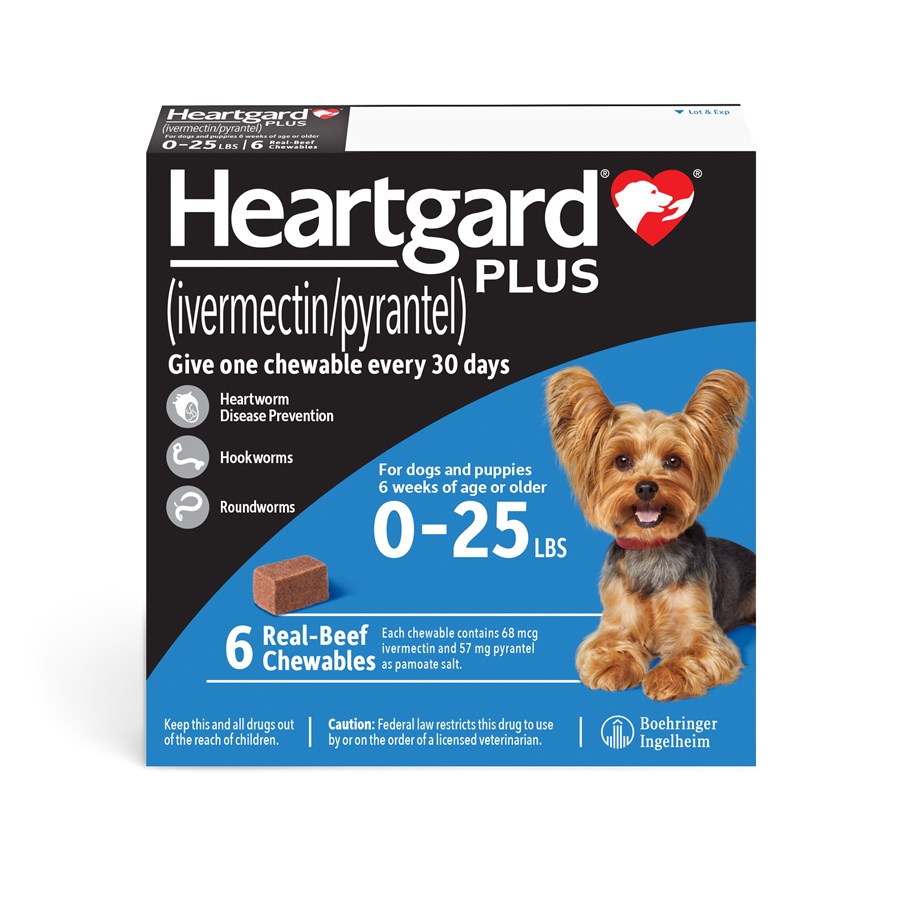
Image Source: cdn.petcarerx.com
The Importance of Regular Heartworm Prevention
Heartworm disease is a serious and often deadly condition caused by a parasitic roundworm, Dirofilaria immitis. These worms live in the heart, lungs, and associated blood vessels of affected animals, making it difficult for them to breathe and for blood to circulate. Mosquitoes are the primary carriers, transmitting larval worms from infected animals to healthy ones during a bite.
Why Consistent Prevention is Key
- Mosquitoes are Ubiquitous: Mosquitoes are found in nearly every region, even in cooler climates during warmer months. This means your dog is at risk year-round in many areas, or at least during mosquito season.
- Life Cycle of the Heartworm: The heartworm life cycle involves several stages. Mosquitoes ingest microfilariae (baby heartworms) from infected dogs. These microfilariae mature into infective larvae within the mosquito over about 10-14 days. When an infected mosquito bites another dog, these infective larvae are transmitted. It takes approximately six to seven months for these larvae to mature into adult heartworms within the new host.
- Symptoms Can Be Subtle: Early stages of heartworm disease often show no signs. As the worms grow and multiply, symptoms like coughing, lethargy, weight loss, and difficulty breathing can appear. In severe cases, heart failure and even death can occur.
- Treatment is Complex and Risky: While heartworm treatment exists, it is expensive, involves multiple injections, and carries significant risks. It’s far better to prevent the disease than to treat it.
Deciphering the Dog Heartworm Prevention Schedule
Establishing a consistent dog heartworm prevention schedule is the cornerstone of protecting your canine companion. This schedule is largely dictated by the type of medication your veterinarian prescribes.
Monthly Heartworm Pills
The most common form of heartworm prevention for dogs involves monthly oral medications, often referred to as monthly heartworm pills. These chewable tablets or capsules are designed to kill any immature heartworms that have been transmitted by mosquitoes in the preceding month.
- How They Work: These medications target the larval stages of the heartworm. By administering them monthly, you ensure that any new infections are eliminated before they can mature into adult worms and cause significant damage.
- Administration: Typically, the pill is given on the same day each month. It’s a simple process that most owners can easily incorporate into their routine.
- Year-Round vs. Seasonal Prevention: While many veterinarians recommend year-round prevention due to the widespread presence of mosquitoes and the potential for milder winters, the duration of your heartworm medication frequency might be seasonal depending on your location and the specific risks identified by your vet.
Topical Preventatives
Some heartworm medications are administered topically, applied directly to the skin, usually between the shoulder blades.
- Application: These are typically applied monthly. It’s crucial to ensure the medication is applied to intact skin and that the dog doesn’t lick the area before it dries.
- Coverage: Beyond heartworm prevention, many topical products also offer protection against fleas, ticks, and other internal parasites, providing a broader spectrum of defense.
Six-Month Injectable Preventatives
A less common but available option is a six-month injectable heartworm preventative. This offers a convenient alternative for owners who may forget monthly doses.
- Administration: This is given by a veterinarian as an injection, providing protection for a full six months.
- Considerations: While convenient, it’s still important to ensure your dog receives the injection on time to maintain continuous protection.
The Annual Heartworm Shot
A newer option available is the annual heartworm shot. This single injection provides a full year of protection against heartworm.
- Benefits: The primary advantage is its convenience. One visit to the vet per year ensures complete protection, eliminating the need to remember monthly doses.
- Mechanism: The annual shot typically contains a slower-release formulation that kills heartworm larvae over the course of the year.
- Veterinary Consultation: It is vital to discuss this option with your veterinarian to see if it is suitable for your dog and to confirm the exact timing for administration.
Determining the Correct Heartworm Preventative Dosage
The heartworm preventative dosage is determined by your dog’s weight. It is critical to administer the correct dosage to ensure efficacy and to avoid potential side effects.
Why Weight Matters
- Efficacy: A dosage that is too low may not be effective in killing all the developing heartworms.
- Safety: A dosage that is too high, especially in certain breeds or dogs with underlying health conditions, could potentially lead to adverse reactions.
- Product Variations: Different brands and types of medication have varying concentrations. Always follow the specific dosage instructions for the product you are using.
Consulting Your Veterinarian for Dosage
Your veterinarian will weigh your dog and prescribe the appropriate medication and dosage based on their current weight.
- Regular Check-ups: As your dog’s weight can change, it’s important to have them weighed at their annual veterinary visit. This ensures that the dosage remains accurate.
- Puppy Dosing: Puppies start heartworm prevention at a young age, and their dosage will need to be adjusted as they grow.
When to Give Dog Heartworm Meds: Timing is Everything
The question of when to give dog heartworm meds is directly tied to the product’s administration schedule and the life cycle of the heartworm.
Starting Prevention
- Puppies: Puppies can usually start heartworm prevention as early as 6-8 weeks of age, depending on the specific product.
- Adult Dogs: For adult dogs that have never been on prevention, or if there’s been a lapse in medication, a heartworm test is crucial before starting. This is because administering preventative medication to a dog already infected with adult heartworms can be dangerous.
Continuing Prevention
- Monthly Products: If you are using monthly pills or topicals, the key is consistency. Give the medication on the same day each month, every month. If you miss a dose, consult your veterinarian on how to proceed.
- Injectables: For six-month or annual injectables, adhere strictly to the recommended administration dates.
Seasonal vs. Year-Round
The decision on when to give dog heartworm meds can also be influenced by regional mosquito activity.
- High-Risk Areas: In areas where mosquitoes are active year-round or for extended periods, veterinarians typically recommend year-round prevention.
- Lower-Risk Areas: In regions with short mosquito seasons, some vets might suggest starting a month before mosquito season begins and continuing for a month after it ends. However, many now advocate for year-round prevention even in these areas, as missed doses during the “off-season” can leave a gap in protection.
How Long Does Heartworm Medication Last?
The duration of protection provided by heartworm medication depends entirely on the dog heartworm medication types.
- Monthly Products: Monthly heartworm pills and topical treatments provide protection for approximately one month. They are designed to kill larvae transmitted within that 30-day window.
- Six-Month Injectables: These products are designed to release the active ingredients slowly over a six-month period, offering continuous protection.
- Annual Shots: The annual heartworm shot is formulated to provide protection for a full 12 months.
It is crucial to remember that these durations refer to the period of protection. For monthly products, this means administration must occur monthly to maintain that protection. If a dose is missed, the dog is no longer protected until the next dose is given.
Understanding Different Dog Heartworm Medication Types
The market offers various dog heartworm medication types, each with its own benefits and administration methods. Choosing the right one often involves a discussion with your veterinarian.
Oral Preventatives (Chewables/Tablets)
These are perhaps the most popular due to ease of administration and a wide range of available products.
- Examples: Many products combine heartworm prevention with protection against other parasites like intestinal worms, fleas, and ticks. Common active ingredients include Milbemycin Oxime and Ivermectin.
- Pros: Easy to give, can be given at home, often palatable for dogs.
- Cons: Risk of being lost if the dog spits it out, can be forgotten if not kept organized.
Topical Preventatives (Spot-Ons)
Applied to the skin, these offer a convenient alternative for owners who prefer not to give oral medications.
- Examples: Products containing Fipronil, Selamectin, or Imidacloprid are common. Many also cover fleas, ticks, and ear mites.
- Pros: Can offer broader parasitic protection, less likely to be lost by the dog.
- Cons: Can leave a greasy residue, needs to be applied to skin, not just fur; bath frequency and bathing products can sometimes interfere with absorption.
Injectable Preventatives
These provide longer-term protection with a single administration.
- Examples: ProHeart is a brand known for its long-acting injectable formulations (e.g., ProHeart 6 for six months, ProHeart 12 for twelve months).
- Pros: Highly convenient, ensures consistent protection without daily or monthly worry.
- Cons: Must be administered by a veterinarian, potential for injection site reactions (though rare), cost can be higher upfront.
Heartworm Test: A Crucial First Step
Before starting any heartworm prevention, especially for dogs over six months of age or those with a history of missed doses, a heartworm test is mandatory.
- Purpose: The test detects antigens produced by adult female heartworms or antibodies produced by the dog’s body in response to the presence of heartworms.
- Timing: Your veterinarian will advise on the best time to test. Typically, it’s done annually alongside other wellness checks.
Dog Heartworm Treatment Timing: When Intervention is Necessary
While the focus is on prevention, it’s important to know about dog heartworm treatment timing should a dog unfortunately contract the disease. Treatment is a serious undertaking and requires careful management by a veterinarian.
Diagnosis and Treatment Initiation
Once diagnosed with heartworm disease, your veterinarian will assess the severity of the infection and the dog’s overall health.
- Stabilization: Before starting the adulticide treatment (medication to kill adult heartworms), dogs are often stabilized with other medications to manage symptoms and improve their condition. This may include antibiotics, anti-inflammatories, and medications to support heart function.
- The Adulticide Protocol: The primary treatment involves a series of injections containing an arsenic-based drug (like melarsomine dihydrochloride) that kills adult heartworms. The timing and number of injections depend on the dog’s condition and the veterinarian’s protocol.
- When Treatment Starts: The actual treatment for adult worms typically begins after a period of stabilization and a follow-up heartworm test to confirm the presence of adult worms.
Post-Treatment Care
After the adulticide treatment, the dead worms are absorbed by the body. This process can take time, and there are risks involved.
- Activity Restriction: Strict activity restriction is paramount for several weeks to months after treatment. This is to prevent complications that can arise from dead worms traveling to the lungs and potentially causing blockages.
- Ongoing Prevention: Even after treatment, dogs will typically be placed on monthly heartworm prevention to prevent new infections.
- Follow-Up Testing: Regular follow-up heartworm tests are crucial to ensure the treatment was successful and that no residual infections remain.
FAQs About Dog Heartworm Medication
Here are some frequently asked questions about giving your dog heartworm medication.
Q1: How often should I give my dog heartworm medication?
A: Most heartworm medication frequency requires monthly administration. Some products are injectable and given every six months or annually. Always follow your veterinarian’s specific recommendations based on the product you are using.
Q2: What happens if I miss a dose of heartworm medication?
A: If you miss a dose, contact your veterinarian immediately. They will advise you on the best course of action, which may include giving the missed dose as soon as possible, adjusting the schedule, or performing a heartworm test. Never double up on doses.
Q3: Can I give my dog heartworm medication with a full stomach?
A: Some heartworm medications are recommended to be given with food to improve absorption and reduce the risk of gastrointestinal upset. Others can be given with or without food. Check the product label or ask your veterinarian.
Q4: What are the side effects of heartworm medication?
A: Side effects are generally rare and mild, often including vomiting, diarrhea, lethargy, or loss of appetite. If you notice any severe or persistent side effects, contact your veterinarian immediately.
Q5: Do I need a prescription for heartworm medication?
A: Yes, in most countries, prescription is required for heartworm medication. This ensures that your dog is tested for heartworm disease and that the correct medication and dosage are prescribed.
Q6: Can I switch heartworm medications?
A: Yes, you can switch heartworm medications, but it’s essential to do so under the guidance of your veterinarian. They will ensure there are no overlapping medications that could be harmful and will advise on the timing of the switch.
Q7: Are there natural ways to prevent heartworm?
A: While some natural remedies are marketed for pest control, there is no scientific evidence to support their efficacy in preventing heartworm disease. Relying on unproven methods leaves your dog vulnerable to a potentially fatal illness. It is best to stick with veterinarian-approved preventatives.
Q8: How long does it take for heartworm larvae to become adult worms?
A: It takes approximately six to seven months for transmitted larvae to mature into adult heartworms in a dog’s body. This is why monthly prevention is so critical—it intercepts the larvae before they reach adulthood.
Q9: Can my dog get heartworms if they are always indoors?
A: Yes, even indoor dogs are at risk. Mosquitoes can easily enter homes, and an infected mosquito only needs one bite to transmit the larvae. Therefore, all dogs, regardless of their lifestyle, should be on consistent heartworm prevention.
Q10: What is the role of the annual heartworm shot in prevention?
A: The annual heartworm shot offers a convenient, year-long protection against heartworm with a single injection administered by a veterinarian. It’s a highly effective preventative method for dogs.
Q11: Is it okay to give heartworm medication to a dog with heart disease?
A: This is a complex question that requires veterinary expertise. Some heartworm medications may be safe for dogs with certain heart conditions, while others might not be. Your veterinarian will assess your dog’s specific health status before prescribing any medication.
Q12: What is the difference between heartworm prevention and heartworm treatment?
A: Heartworm prevention involves medications given regularly to kill immature heartworms before they can mature. Heartworm treatment is the process of killing adult heartworms already present in the dog’s body, which is a more complex and risky procedure.
By adhering to a consistent dog heartworm prevention schedule and working closely with your veterinarian, you can effectively protect your beloved companion from the devastating effects of heartworm disease.