
When should my dog get a rabies shot? Your dog should get a rabies shot at 12 weeks old, with a booster shot one year later, and then typically every three years after that, though some vaccines offer one-year protection.
Rabies is a serious and deadly viral disease that affects the nervous system of mammals, including dogs. Fortunately, it is preventable through vaccination. Knowing the proper dog rabies vaccination schedule is crucial for protecting your canine companion, other pets, and even yourself from this potentially fatal illness. This comprehensive guide will delve into how often rabies shot dog, exploring the factors that influence vaccination frequency, legal requirements, and the science behind rabies immunity in dogs.
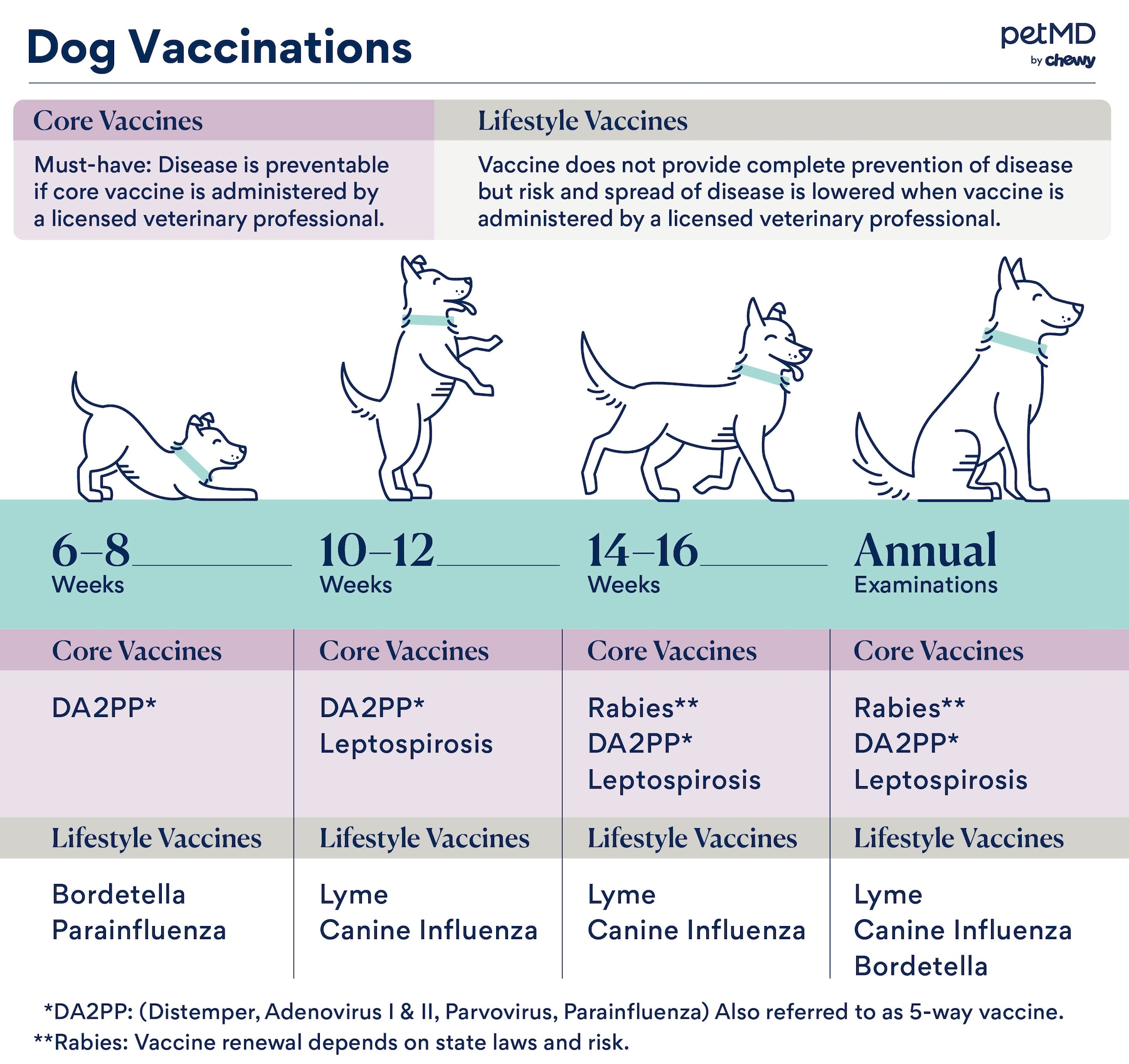
Image Source: image.petmd.com
Deciphering the Dog Rabies Vaccination Schedule
The dog rabies vaccination schedule is not a one-size-fits-all approach. It’s a dynamic plan influenced by various factors, including the type of vaccine used, local regulations, and your veterinarian’s professional assessment of your dog’s individual risk. However, a general framework exists to guide dog owners.
Initial Vaccination and First Booster
- Puppy’s First Shot: Most puppies receive their first rabies vaccination between 12 and 16 weeks of age. This initial dose primes their immune system to recognize and fight the rabies virus.
- The Crucial Booster: A booster rabies shot dog receives approximately one year after the initial vaccination is vital. This booster ensures that the immunity established by the first shot is strengthened and long-lasting. Failing to administer this booster can leave your puppy vulnerable, even if they received their first shot on time.
Ongoing Vaccination and Duration of Immunity
After the first booster, the frequency of subsequent rabies vaccinations becomes a key consideration. This is where the concept of duration of rabies immunity in dogs plays a significant role.
Rabies vaccine intervals dogs
The general recommendation for adult dogs, once they’ve received their first booster, is to revaccinate every three years. This is based on the established efficacy and duration of rabies immunity in dogs for most modern rabies vaccines. However, there are nuances to consider:
- Three-Year Vaccines: Many veterinarians opt for a three-year rabies vaccine for adult dogs. This means your dog will receive a rabies shot every three years to maintain protection.
- One-Year Vaccines: In some cases, particularly where local regulations mandate it or if a dog has a history of immune system issues, an annual rabies vaccine for dogs might be recommended. It’s important to note that the one-year vaccines are still highly effective, but their protective window is shorter.
When to revaccinate dog for rabies
The decision on when to revaccinate dog for rabies is a collaborative one between you and your veterinarian. They will consider:
- Your Dog’s Age: Puppies have different needs than adult dogs.
- Your Dog’s Health Status: Pre-existing conditions can influence vaccine protocols.
- Your Geographic Location: Areas with a higher prevalence of rabies in wildlife may necessitate more frequent vaccinations.
- Your Dog’s Lifestyle: Dogs that spend a lot of time outdoors, especially in wooded or rural areas, may have a higher risk of exposure to rabid animals.
- The Type of Vaccine Used: Different rabies vaccines have varying durations of immunity.
Legally Required Rabies Shots for Dogs
One of the most critical aspects of dog rabies vaccination schedule is the legal requirement. Rabies vaccination is not just a recommendation; it is legally required rabies shots for dogs in most states and countries. These laws are in place to protect public health and prevent the spread of rabies.
Why Are They Legally Required?
Rabies is zoonotic, meaning it can be transmitted from animals to humans. The vast majority of human rabies cases are caused by bites from infected animals, primarily unvaccinated dogs in regions where rabies is endemic in the dog population. By ensuring that dogs are vaccinated, we significantly reduce the risk of rabies transmission to people.
Consequences of Non-Compliance
Failing to comply with local rabies vaccination laws can have serious consequences. These may include:
- Fines: You could face monetary penalties for having an unvaccinated dog.
- Quarantine: If your unvaccinated dog bites someone, they may be subject to a lengthy quarantine period, often at the owner’s expense, to monitor for rabies symptoms.
- Euthanasia: In severe cases, or if a dog bites and shows signs of rabies, euthanasia may be required for testing.
- Difficulty Registering Your Pet: Many local animal shelters and licensing agencies require proof of rabies vaccination for pet registration.
Staying Informed About Local Laws
It is your responsibility as a pet owner to be aware of and adhere to the specific rabies vaccination laws in your city, county, and state. Your veterinarian is an excellent resource for this information, as they are well-versed in local ordinances. Always keep your dog’s rabies vaccination certificate in a safe place, as it serves as proof of compliance.
Rabies Vaccine Effectiveness Dog and Duration of Immunity
The rabies vaccine effectiveness dog is remarkably high, offering excellent protection when administered correctly. Modern rabies vaccines are rigorously tested and proven to be safe and effective.
How Do Rabies Vaccines Work?
Rabies vaccines contain inactivated (killed) or modified-live rabies virus. When injected, these vaccines stimulate the dog’s immune system to produce antibodies. These antibodies are specialized proteins that can neutralize the rabies virus if the dog is exposed. If an vaccinated dog encounters the rabies virus, its immune system will mount a rapid and strong response, preventing the virus from reaching the brain and causing disease.
Factors Affecting Vaccine Effectiveness
While rabies vaccines are highly effective, a few factors can influence their performance:
- Timing of Vaccination: Adhering to the recommended dog rabies vaccination schedule is paramount. Vaccinating too early or too late can compromise immunity.
- Vaccine Storage and Handling: Vaccines are sensitive biological products. Improper storage or handling (e.g., exposure to extreme temperatures) can render them ineffective. This is why it’s crucial to get your dog vaccinated by a licensed veterinarian who follows proper protocols.
- Dog’s Health Status: A dog with a compromised immune system due to illness or certain medications might not mount as robust an immune response to the vaccine. Your vet will assess your dog’s health before administering any vaccine.
- Exposure to the Virus: While vaccines offer strong protection, they are not foolproof, especially in cases of extreme or repeated exposure to a highly virulent strain of the virus. However, vaccinated dogs that do contract rabies often experience a less severe course of the disease and have a higher chance of survival compared to unvaccinated dogs.
The Science Behind Duration of Immunity
The duration of rabies immunity in dogs has been a subject of extensive research. Historically, annual revaccination was common. However, studies have demonstrated that for most dogs, the immunity provided by current rabies vaccines is significantly longer than one year. This research has led to the widespread adoption of three-year vaccination protocols for adult dogs.
- Challenges in Determining Exact Duration: Precisely determining the exact length of immunity for every individual dog is complex. Factors like the dog’s genetics, lifestyle, and the specific strain of rabies virus it might encounter can all play a role.
- The Role of Serological Testing (Titer Testing): While not typically used for routine rabies vaccine decisions in most areas, dog rabies titer testing measures the level of antibodies in a dog’s blood. In specific situations, such as international travel or for dogs with potential vaccine sensitivities, titer testing can provide an indication of a dog’s immune status. However, a positive titer does not always directly correlate with protection against infection, and it is not a substitute for vaccination in most cases.
Vet Recommendations Rabies Dog: Your Partner in Protection
Your veterinarian is your most valuable ally in ensuring your dog remains protected against rabies. They are trained professionals who can provide personalized vet recommendations rabies dog based on a thorough understanding of your dog’s health, lifestyle, and local rabies risk.
Why Trust Your Veterinarian?
- Knowledge of Vaccines: Veterinarians are up-to-date on the latest vaccine technologies, efficacy studies, and rabies vaccine intervals dogs. They can explain the differences between various rabies vaccines and help you choose the best option for your pet.
- Assessment of Risk: Your vet can assess your dog’s individual risk of exposure to rabies based on where you live, your dog’s activities, and the prevalence of rabies in your local wildlife population.
- Compliance with Laws: They are knowledgeable about the legally required rabies shots for dogs in your area and can help you stay compliant.
- Holistic Health Care: Rabies vaccination is part of a broader preventative healthcare plan for your dog. Your vet can advise on other essential vaccinations and health measures.
- Monitoring for Adverse Reactions: While rare, adverse reactions to vaccines can occur. Veterinarians are trained to recognize and manage these reactions.
Discussing Your Dog’s Vaccination Plan
Don’t hesitate to discuss your dog’s vaccination schedule openly with your veterinarian. Ask questions like:
- “What type of rabies vaccine do you recommend for my dog, and why?”
- “What is the duration of rabies immunity in dogs for this particular vaccine?”
- “Are there any specific risks or benefits I should be aware of?”
- “What are the legally required rabies shots for dogs in our area?”
Frequently Asked Questions (FAQ)
Here are answers to some common questions about dog rabies vaccinations:
Q1: Can my dog get rabies even if vaccinated?
While no vaccine is 100% effective, rabies vaccines are highly effective. The rabies vaccine effectiveness dog is very high. Vaccinated dogs are far less likely to contract rabies than unvaccinated dogs. If a vaccinated dog does contract rabies, it is often a milder form, and they have a better chance of survival.
Q2: What are the signs of rabies in dogs?
Rabies symptoms in dogs can vary and may include behavioral changes (aggression, nervousness, fear), excessive drooling, difficulty swallowing, paralysis, seizures, and disorientation. If you suspect your dog has rabies or has been bitten by a wild animal, contact your veterinarian and local animal control immediately.
Q3: What is dog rabies titer testing?
Dog rabies titer testing is a blood test that measures the level of antibodies against the rabies virus in a dog’s bloodstream. While it can indicate a level of immunity, it is not always used for routine vaccination decisions. Its use is often limited to specific situations like international travel or when there are concerns about vaccine responsiveness. Consult your veterinarian to see if it’s appropriate for your dog.
Q4: What happens if my dog misses its rabies booster shot?
If your dog misses its scheduled booster rabies shot dog, its immunity may wane. Contact your veterinarian immediately to determine the best course of action. They will likely recommend revaccination as soon as possible to re-establish protection. Depending on how long it’s been, they might follow a different protocol than the standard dog rabies vaccination schedule.
Q5: Can my puppy get rabies before its first shot?
Puppies are most vulnerable to rabies before they complete their initial vaccination series. This is why the dog rabies vaccination schedule starts early and includes a crucial booster one year later. Keeping puppies away from potentially rabid animals and ensuring timely vaccinations are essential for their protection.
Q6: Are there different types of rabies vaccines?
Yes, there are different types of rabies vaccines approved for use in dogs. These can vary in their duration of immunity, with some providing one-year protection and others offering three-year protection. Your veterinarian will choose the most appropriate vaccine based on efficacy, local regulations, and your dog’s individual needs. This is why discussing rabies vaccine intervals dogs with your vet is important.
Q7: What are the risks of rabies vaccination?
Rabies vaccines are generally very safe. The most common side effects are mild and temporary, such as soreness at the injection site, mild fever, or a slight decrease in appetite for a day or two. Severe allergic reactions are rare but can occur. Your veterinarian will monitor your dog for any immediate reactions after vaccination.
Q8: How does lifestyle affect the dog rabies vaccination schedule?
A dog’s lifestyle significantly impacts their risk of rabies exposure. Dogs that frequently interact with wildlife, live in rural areas, or travel to regions with a high prevalence of rabies may benefit from more vigilant vaccination protocols. Your vet recommendations rabies dog will often be tailored to these lifestyle factors, influencing when to revaccinate dog for rabies.
By staying informed and working closely with your veterinarian, you can ensure your beloved canine companion receives the appropriate rabies protection, keeping them safe and contributing to a rabies-free community.