
Dog Rabies Shot: How Often?
A dog typically needs a rabies shot every one to three years, depending on the vaccine type and local regulations. Your veterinarian will advise on the most appropriate dog rabies vaccine schedule for your pet.
The frequency of rabies vaccinations for dogs is a crucial aspect of responsible pet ownership. Keeping your canine companion protected against this deadly disease is paramount, and understanding the dog vaccination frequency is key. So, how often do dogs need rabies vaccine? This question doesn’t have a single, simple answer because it depends on several factors, including the type of vaccine used, your dog’s age, and state or local laws, which often dictate minimum vaccination requirements.
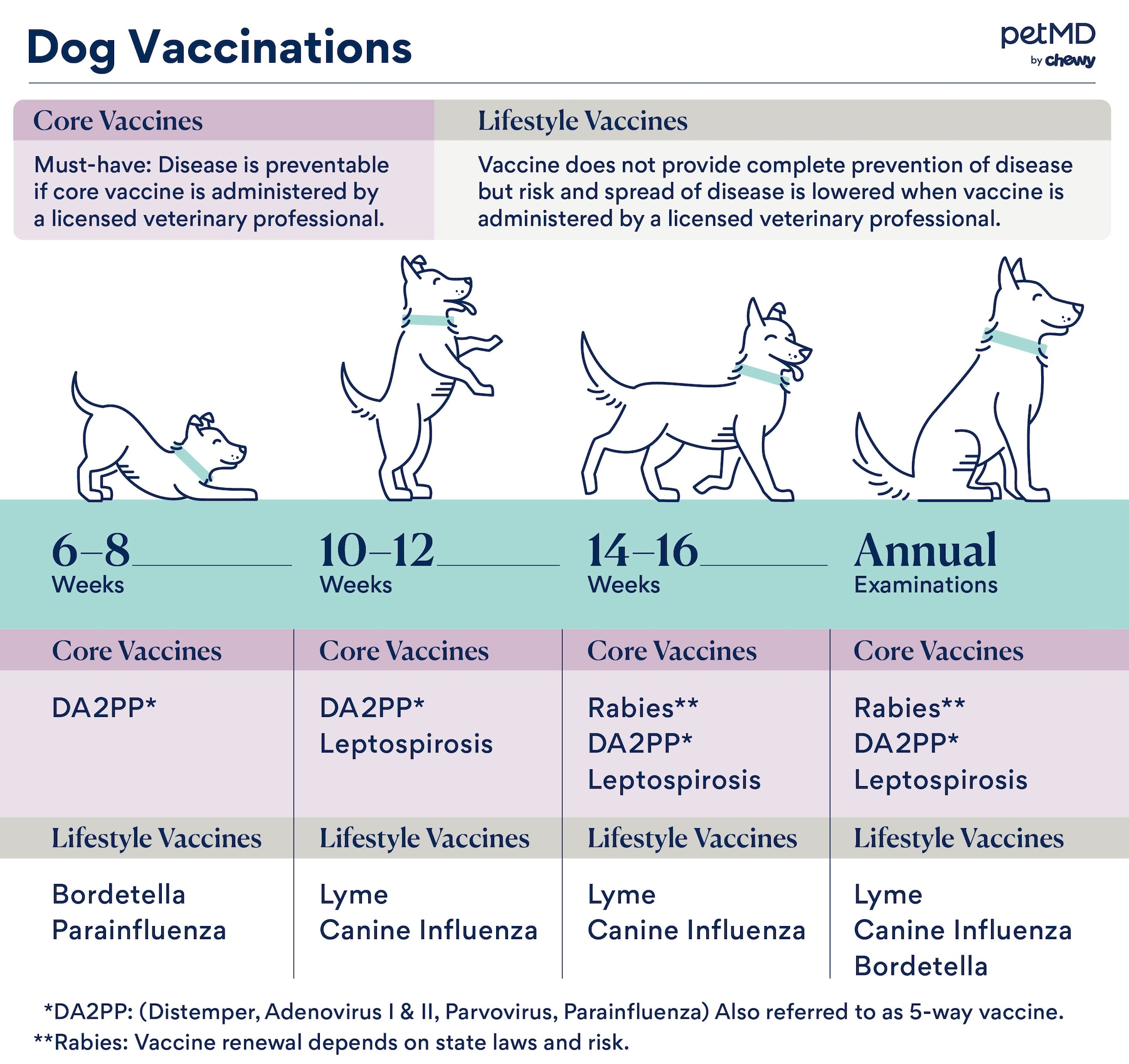
Image Source: image.petmd.com
Deciphering the Dog Rabies Vaccine Schedule
The dog rabies vaccine schedule is not a one-size-fits-all approach. Veterinarians follow established guidelines and legal requirements to ensure optimal protection for your dog. The initial rabies vaccination is typically given to puppies between 12 and 16 weeks of age. After this first dose, the follow-up schedule becomes critical.
The First Rabies Vaccination
When a puppy receives its first rabies vaccine, it’s usually administered around 12-16 weeks of age. This is a vital step in establishing immunity.
Rabies Booster for Dogs: The Crucial Follow-Up
Following the initial vaccination, a rabies booster for dogs is essential. The timing of this booster is where variations often occur.
- One-Year Vaccines: Historically, many rabies vaccines were approved for a one-year duration. If your dog received a one-year vaccine, it will require a booster annually. This means your dog would be due for a rabies shot every year.
- Three-Year Vaccines: Modern rabies vaccines are often approved for a three-year duration. This means that after the initial puppy vaccination (which might require a one-year booster), subsequent vaccinations can be given every three years. This is a significant convenience and cost-saver for many pet owners.
When determining when is a dog due for rabies, always consult your veterinarian. They will have a record of the specific vaccine administered and its expiration date.
Factors Influencing Vaccination Frequency
Several factors play a role in determining how often do dogs need rabies vaccine:
- Type of Vaccine: As mentioned, the primary determinant is whether the vaccine is labeled for one-year or three-year immunity.
- Age of the Dog: Puppies have a different initial schedule than adult dogs.
- Local Laws and Regulations: Many states and municipalities have specific laws mandating how often dogs must be vaccinated against rabies. These laws are in place for public health reasons, as rabies is a zoonotic disease (meaning it can be transmitted from animals to humans). Some areas may require annual vaccinations regardless of vaccine type due to rabies prevalence.
- Dog’s Health Status: In rare cases, a veterinarian might adjust a vaccination schedule based on a dog’s individual health or immune response.
- Exposure Risk: Dogs that live in or travel to areas with a higher prevalence of rabies, or those that have frequent contact with wildlife (like hunting dogs), might be at increased risk and require careful adherence to vaccination schedules.
The Importance of the Adult Dog Rabies Booster
An adult dog rabies booster is just as important as the puppy shots. It ensures that immunity remains strong throughout your dog’s life. Even if your dog is indoors and rarely exposed to potential carriers, the law still requires protection, and the risk, however small, always exists.
Fathoming the Dog Rabies Shot Timeline
The dog rabies shot timeline generally looks like this:
- Initial Puppy Vaccination: Around 12-16 weeks of age.
- First Booster: One year after the initial puppy vaccination. This is often the case even with three-year vaccines – the first booster is a one-year follow-up.
- Subsequent Boosters: Every three years thereafter, if a three-year vaccine was used and local laws permit. If a one-year vaccine was used, boosters will be annual.
It’s crucial to note that if you miss a vaccination or are unsure about your dog’s status, your veterinarian will likely recommend restarting the vaccination series to ensure full protection.
Annual Rabies Shot for Dogs: Is It Always Necessary?
The concept of an annual rabies shot for dogs is becoming less common with the advent of three-year vaccines. However, it remains relevant in these scenarios:
- Use of a One-Year Vaccine: If your vet or local regulations mandate the use of a one-year vaccine, then annual shots are indeed necessary.
- Legal Requirements: Some jurisdictions legally require annual rabies vaccinations, regardless of the vaccine’s duration of efficacy. This is for public health safety.
- Uncertain Vaccination History: If a dog’s vaccination history is unknown or incomplete, a vet might administer a vaccine and require a booster in one year as a precautionary measure.
Your veterinarian is the best resource for clarifying when is a dog due for rabies based on your dog’s specific history and your location’s regulations.
Recommended Rabies Vaccination Interval
The recommended rabies vaccination interval is primarily guided by the vaccine manufacturer’s approved duration of immunity and federal/state regulations.
- Primary Vaccination: Given between 12-16 weeks of age.
- First Re-vaccination: 12 months after the primary vaccination.
- Subsequent Re-vaccinations: Every 3 years thereafter, if a 3-year vaccine is used and permitted.
The dog rabies shot duration is critical here. A 3-year vaccine is designed to provide immunity for three years. However, this doesn’t override legal requirements.
Dog Rabies Shot Duration: What Does It Mean?
The dog rabies shot duration refers to how long the vaccine is expected to protect the dog. This is determined through rigorous scientific testing and is approved by regulatory bodies like the USDA.
- One-Year Vaccines: Proven to protect for at least one year.
- Three-Year Vaccines: Proven to protect for at least three years.
It’s important to remember that these durations are based on scientific studies. A dog’s individual immune system may respond differently, but adherence to the recommended schedule is the best way to ensure protection.
Ensuring Compliance and Protection
Adhering to the dog vaccination frequency is not just about your dog’s health; it’s also a legal and public health responsibility.
- Vaccination Certificates: Always keep your dog’s vaccination certificate. This document is proof of vaccination and is often required for boarding kennels, groomers, and travel.
- Veterinary Records: Maintain good communication with your veterinarian. They will send reminders when your dog is due for its next vaccination.
- Legal Obligations: Familiarize yourself with your local rabies vaccination laws. Some areas require licensing, and proof of rabies vaccination is a prerequisite for licensing.
When is a Dog Due for Rabies? A Practical Guide
To definitively answer when is a dog due for rabies, you need to look at:
- The date of the last rabies vaccination.
- The type of vaccine administered (1-year or 3-year).
- Your local laws regarding rabies vaccination frequency.
For example, if your dog received a 3-year vaccine on January 15, 2023, and your local laws allow for 3-year boosters, then your dog will be due again around January 15, 2026. If, however, your local laws mandate annual vaccinations, your dog would be due again around January 15, 2024, even with a 3-year vaccine.
Rabies Boosters for Dogs: Maintaining Immunity
The concept of rabies booster for dogs is to maintain protective antibody levels in the bloodstream. Over time, these levels can wane, even if the dog remains otherwise healthy. Booster shots “remind” the immune system, prompting it to produce more antibodies and reinforce its defenses against the rabies virus.
The Dog Rabies Shot Timeline: Staying on Track
A clear dog rabies shot timeline helps owners manage their pet’s healthcare. Many veterinary clinics offer reminder services via mail, email, or text message, which greatly assists owners in keeping track of when their dog is next due for a rabies shot.
Addressing Common Concerns
It’s natural for pet owners to have questions about vaccinations.
- Can I give the rabies shot myself? No, rabies vaccines must be administered by a licensed veterinarian. This ensures proper handling, dosage, and documentation.
- What if my dog has a reaction to the rabies shot? While rare, some dogs can experience mild side effects like lethargy or a sore injection site. Severe reactions are very uncommon but can include facial swelling or hives. If you notice any concerning symptoms after a vaccination, contact your veterinarian immediately.
- Does the rabies vaccine protect against other diseases? No, the rabies vaccine is specific to the rabies virus. Dogs require other vaccines to protect against diseases like distemper, parvovirus, and adenovirus. Your vet will provide a comprehensive vaccination plan.
The Broader Picture: Rabies Prevention
The recommended rabies vaccination interval is not just about individual pets; it’s a vital public health strategy. By vaccinating dogs, we create a barrier against the spread of rabies to other animals and humans. Rabies is almost always fatal once symptoms appear, making prevention through vaccination the only effective approach.
The dog vaccination frequency for rabies is a cornerstone of this preventative strategy. Staying current with these vaccinations protects your dog, your family, and your community.
FAQs About Dog Rabies Shots
- Q: How often do dogs need rabies vaccine?
A: Typically every one to three years, depending on the vaccine used and local laws. - Q: Do all dogs need a rabies shot every year?
A: Not necessarily. Many modern vaccines are approved for three years. However, some local laws may require annual vaccination. - Q: My dog is an indoor-only pet. Does it still need the rabies vaccine?
A: Yes, it is still highly recommended and often legally required. Accidental exposure can occur, and rabies is fatal. - Q: What happens if my dog misses its rabies booster?
A: Your veterinarian will likely recommend a booster shot as soon as possible. Depending on how long it’s been, they may recommend restarting the vaccination series. - Q: Can a dog get the rabies shot at any age?
A: Puppies can receive their first rabies vaccine between 12-16 weeks of age. Adult dogs can be vaccinated at any time, but their vaccination history will determine the immediate need for a booster.
By staying informed and working closely with your veterinarian, you can ensure your dog remains protected against rabies and enjoys a long, healthy life. The dog rabies vaccine schedule is a vital part of that commitment.