
How often should my dog get a rabies shot? Generally, dogs receive an initial rabies vaccination as a puppy, followed by a booster shot one year later. After that, booster frequency can vary, with many veterinarians recommending a rabies booster every three years. However, the exact rabies vaccination frequency is a nuanced topic dictated by dog vaccination guidelines, veterinary rabies recommendations, and local regulations, not just a single, universal answer.
The health and safety of your canine companion are paramount, and staying up-to-date on vaccinations, particularly the rabies vaccine, is a cornerstone of responsible pet ownership. Rabies is a deadly viral disease that affects the nervous system of mammals, including dogs and humans. While thankfully rare in many parts of the world due to widespread vaccination efforts, its presence remains a significant public health concern. This guide will delve into the critical aspects of rabies vaccine schedule for your dog, from their first puppy rabies shot to adult dog rabies maintenance. We’ll explore when to give rabies shot, the duration of vaccine immunity, and the latest recommendations from veterinary professionals.
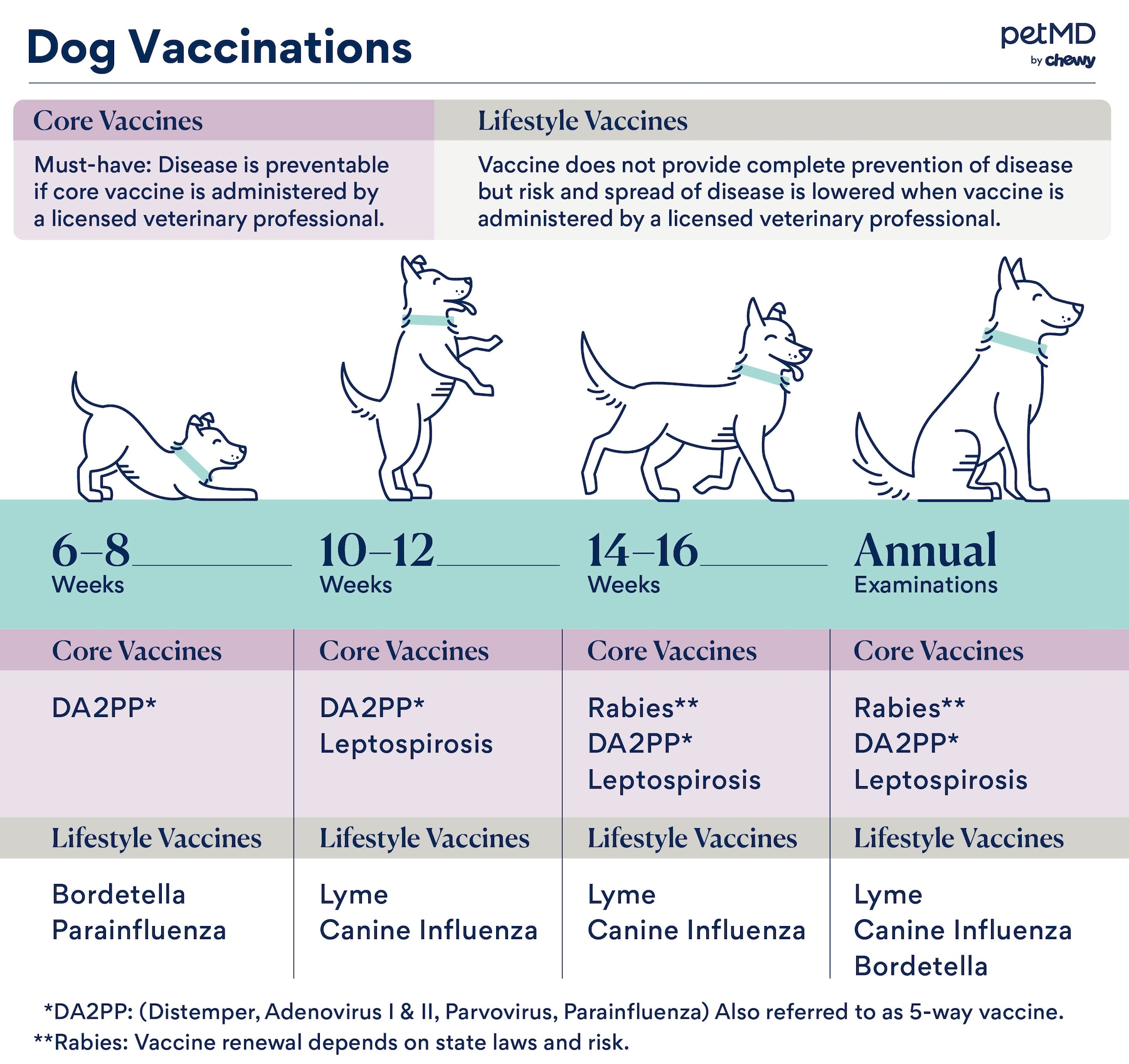
Image Source: image.petmd.com
The Importance of Rabies Vaccination for Dogs
Rabies is a zoonotic disease, meaning it can be transmitted from animals to humans. The virus travels through the nervous system, eventually affecting the brain. Once clinical signs of rabies appear, it is almost always fatal. Transmission typically occurs through the saliva of an infected animal, most commonly through a bite.
Why is it a Big Deal?
- Fatal Outcome: For both animals and humans, a rabies diagnosis is almost universally fatal once symptoms manifest.
- Public Health Threat: Rabies poses a direct risk to human health. Consistent vaccination of pets is our primary defense against rabies in domestic animal populations, thereby protecting humans.
- Legal Requirements: Many local and state governments mandate rabies vaccination for dogs. Failure to comply can result in fines or other penalties.
- Peace of Mind: Knowing your dog is protected against this devastating disease offers immense peace of mind, especially if your dog spends time outdoors or encounters other animals.
The Rabies Vaccine Schedule: From Puppyhood to Adulthood
Navigating the rabies vaccine schedule can sometimes feel complex, with different protocols and recommendations. Here’s a breakdown of the typical journey your dog will take through rabies vaccinations.
The Puppy Rabies Shot
Your puppy’s first significant milestone in preventative healthcare is often their initial puppy rabies shot.
- Timing: The first rabies vaccination is typically administered between 12 to 16 weeks of age. This timing is crucial. Puppies receive maternal antibodies from their mother, which can interfere with vaccine efficacy if given too early. Veterinarians administer the vaccine at an age when maternal antibodies have waned enough to allow the puppy’s immune system to mount a proper response.
- Vaccine Type: There are different types of rabies vaccines available, often categorized by the duration of immunity they provide. Your veterinarian will select a vaccine that meets state and local requirements, which often dictate the initial vaccination and subsequent booster schedule.
The First Booster Shot: A Critical Follow-Up
The dog rabies booster following the initial puppy shot is as important as the first dose.
- Timing: This booster is usually given one year after the puppy’s first rabies vaccination. This second dose “reminds” the dog’s immune system about the virus and significantly strengthens their long-term protection.
- Duration of Immunity: For many rabies vaccines, this one-year booster confirms a robust and extended immunity, often lasting for three years.
Adult Dog Rabies: Ongoing Protection
Once your dog has received their initial puppy shot and the one-year booster, the adult dog rabies vaccination protocol becomes more about maintenance.
- Triennial Boosters (Every Three Years): The most common rabies vaccination frequency for adult dogs is a booster shot every three years. This is based on scientific studies demonstrating that many modern rabies vaccines provide immunity for at least three years.
- Annual Boosters (Less Common but Possible): In some specific regions or under certain circumstances, annual rabies boosters might still be recommended. This could be due to local regulations, increased rabies risk in the area, or if a specific vaccine with a shorter duration of immunity is used. Always follow your veterinarian’s advice on this.
How Long Does the Rabies Vaccine Last?
Determining how long does rabies vaccine last is a key question for pet owners. The answer isn’t a simple one-size-fits-all because it depends on the specific vaccine used and the dog’s individual immune response.
- General Duration: As mentioned, many of the vaccines currently used are considered “triennial” vaccines, meaning they are designed to provide protection for at least three years. This is the basis for the common three-year booster schedule.
- Factors Influencing Duration:
- Vaccine Type: Different manufacturers and formulations of rabies vaccines have varying documented durations of immunity.
- Dog’s Health: A healthy dog with a strong immune system is likely to maintain immunity longer than a dog with underlying health issues.
- Exposure Risk: Dogs living in areas with a high prevalence of rabies or those who frequently interact with wildlife may be at a higher risk and could potentially benefit from more frequent monitoring or vaccination.
Rabies Titer Testing: An Alternative Approach?
Rabies titer testing, also known as a virus neutralization test, measures the level of antibodies in a dog’s bloodstream that can neutralize the rabies virus. This can be a way to assess immunity.
When is Titering Considered?
- Travel: Some countries require proof of rabies immunity via titer testing for pets entering their borders, especially if the animal has a history of delayed booster vaccinations.
- Exemption from Booster: In rare cases, if a dog receives a rabies vaccination and then a booster is missed, a positive rabies titer might be used by some authorities to confirm immunity and avoid revaccination immediately. However, this is highly dependent on specific regulations and is not a universal replacement for vaccination.
- Research: Titers are often used in research studies to evaluate vaccine efficacy and duration of immunity.
Limitations of Rabies Titer Testing:
- Not a Substitute for Vaccination: It’s crucial to understand that rabies titer testing is not a substitute for the rabies vaccination itself. It’s a diagnostic tool to measure immunity, not to create it.
- Interpretation: A positive titer indicates the presence of antibodies, but the exact level of protection required to prevent disease is not always clearly defined by titers alone. Antibodies are a component of immunity, but cell-mediated immunity also plays a role.
- Regulatory Acceptance: While some jurisdictions may accept titers in specific situations, most regulatory bodies rely on documented vaccination records for proof of immunity. Always check with your local authorities and veterinarian before relying solely on titer testing.
What Do the Experts Say?
The World Health Organization (WHO) and the Centers for Disease Control and Prevention (CDC) have recognized that some rabies vaccines can provide immunity for much longer than the traditional one-year or three-year boosters. However, these recommendations are often balanced with practical considerations like legal mandates and the challenges of accurately assessing individual immunity.
Veterinary rabies recommendations generally follow established guidelines from organizations like the American Animal Hospital Association (AAHA) Canine Vaccination Task Force. These guidelines emphasize the importance of consistent vaccination, especially given the fatal nature of the disease and its public health implications.
Factors Influencing Your Dog’s Rabies Shot Schedule
Several factors can influence when to give rabies shot for your dog and the specific rabies vaccination frequency recommended by your veterinarian.
Local Regulations
This is perhaps the most significant factor. Dog vaccination guidelines are often set by state or local laws. These laws typically specify:
- The age at which the initial vaccination must occur.
- Whether the first booster is one year or three years after the initial vaccine.
- The required frequency of subsequent boosters (most commonly every three years).
It is your responsibility to know and adhere to the rabies laws in your specific location. Your veterinarian will be knowledgeable about these regulations, but it’s always good to be informed.
Lifestyle and Risk Exposure
While the vaccine itself is safe and effective, your dog’s lifestyle can influence the conversation with your vet about their protection.
- Outdoor Enthusiasts: Dogs that spend a lot of time outdoors, especially in rural areas, are more likely to encounter wildlife that could be carriers of rabies (e.g., bats, raccoons, skunks, foxes).
- Travelers: If you travel with your dog, especially to areas with a higher incidence of rabies, your veterinarian might recommend a more aggressive vaccination schedule or require specific documentation like rabies titers.
- Dog Parks and Socialization: While less of a direct rabies transmission route, frequenting dog parks means your dog is in contact with many other dogs, increasing the general risk of exposure to various pathogens.
Vaccine Type and Manufacturer Recommendations
As mentioned, different rabies vaccines exist. Your veterinarian chooses vaccines based on efficacy, safety, and availability, adhering to manufacturer guidelines and veterinary consensus.
Your Dog’s Health Status
A veterinarian will always consider your dog’s overall health.
- Immunocompromised Dogs: Dogs with compromised immune systems due to illness or medication might have a different vaccination response. Your vet will discuss the best approach for these individuals.
- Older Dogs: While older dogs still require rabies protection, their specific needs might be discussed with your vet, particularly if they have pre-existing health conditions.
The Debate: Triennial vs. Annual Boosters
The shift from annual to triennial rabies boosters has been a significant development in veterinary medicine, driven by research demonstrating longer immunity.
The Case for Triennial Boosters
- Scientific Evidence: Numerous studies have shown that modern rabies vaccines confer immunity for at least three years, often longer.
- Reduced Vaccine Overload: Less frequent vaccinations mean less stress on the dog’s immune system and potentially fewer reactions.
- Cost-Effectiveness: Fewer vet visits can translate to cost savings for owners.
When Annual Boosters Might Still Be Discussed
- Specific Local Laws: Some jurisdictions may still mandate annual rabies vaccination, regardless of vaccine duration.
- High-Risk Environments: In very rare, specific, high-risk situations, a vet might discuss the merits of annual boosters, though this is uncommon with current vaccine technology and understanding.
- Documentation Issues: If there’s a gap in vaccination history, a vet might recommend an annual vaccination until a consistent three-year schedule can be established.
What to Do if You Miss a Rabies Booster
Life happens, and sometimes a vaccination appointment can be missed. Here’s how to approach it:
- Contact Your Veterinarian Immediately: The sooner you address a missed booster, the better.
- Vaccination History is Key: Provide your vet with your dog’s complete vaccination records.
- Possible Scenarios:
- If within a few months of being due: Your veterinarian may simply administer the booster dose, and your dog will remain on their regular schedule.
- If significantly overdue: Regulations vary, but often, if a rabies vaccination is overdue, your dog may need to be re-vaccinated as if they were never vaccinated before, essentially restarting the initial vaccination series or the first booster. Some authorities may require a period of confinement or observation after revaccination if a rabies vaccine has lapsed significantly. This is why keeping your dog’s vaccinations current is critical.
- Understand Local Requirements: Be aware that if your dog’s rabies vaccination lapses, you might be temporarily out of compliance with local laws, which could have implications if your dog were to bite someone or be impounded.
Frequently Asked Questions (FAQ)
Q1: Can I give my dog a rabies shot myself?
A: No, rabies vaccines are prescription medications and must be administered by a licensed veterinarian. They also require proper record-keeping and administration techniques.
Q2: Does my indoor-only dog need a rabies shot?
A: Yes. While an indoor dog has a lower risk of exposure, the risk is not zero. Accidental escapes, home invasions, or the presence of a bat or other rabid animal in the house can still expose an indoor dog. Furthermore, rabies laws typically mandate vaccination for all dogs regardless of their indoor/outdoor status.
Q3: What are the side effects of a rabies shot?
A: Rabies vaccines are generally very safe. Mild side effects can include temporary soreness, swelling at the injection site, lethargy, or a slight fever. Serious allergic reactions are rare but can occur. Always monitor your dog after any vaccination and contact your vet if you have concerns.
Q4: How do I know which rabies vaccine my dog received?
A: Your veterinarian will have this information in your dog’s medical records. They will also issue you a vaccination certificate that details the type of vaccine given, the date administered, and the next due date.
Q5: Is rabies vaccination painful for my dog?
A: The injection itself is a quick poke, similar to any other injection. Most dogs tolerate it well. Some soreness at the injection site in the hours following the vaccination is possible.
Q6: What happens if my dog bites someone and isn’t vaccinated for rabies?
A: If a dog bites someone and is not up-to-date on their rabies vaccination, local public health officials may require the dog to undergo a strict period of quarantine (typically 10 days), observation by a veterinarian, or in severe cases, euthanasia for rabies testing. This emphasizes the importance of maintaining current vaccination status.
Conclusion: Partnering with Your Veterinarian for Optimal Protection
Ensuring your dog is properly vaccinated against rabies is a vital part of their healthcare and a legal responsibility. The rabies vaccine schedule is designed to provide robust protection, starting with the puppy rabies shot, followed by a crucial one-year booster, and then typically maintained with dog rabies booster shots every three years. Always consult your veterinarian for the most accurate and up-to-date veterinary rabies recommendations tailored to your dog and your local area. They are your best resource for navigating dog vaccination guidelines and ensuring your beloved companion stays healthy and safe from this preventable, deadly disease. By staying informed and proactive, you contribute to the well-being of your pet and your community.