
So, you’re wondering about how often you should feed your senior dog. The general recommendation is to feed senior dogs two balanced meals per day, but this can vary based on individual health, activity levels, and specific dietary needs.
As our beloved canine companions enter their golden years, their bodies undergo changes that impact their nutritional requirements and eating habits. What worked perfectly for a young, energetic pup might not be ideal for a distinguished elder statesman of the dog world. Fathoming the nuances of senior dog feeding frequency is crucial for maintaining their health, vitality, and overall quality of life. This comprehensive guide delves into age-appropriate dog meals, older dog meal timing, senior canine dietary needs, feeding schedule for elderly dogs, answering the all-important question of how many meals for senior dogs, the best time to feed a senior dog, addressing senior dog appetite changes, and the vital aspects of senior dog digestion and feeding, all within the framework of senior dog nutrition guidelines.
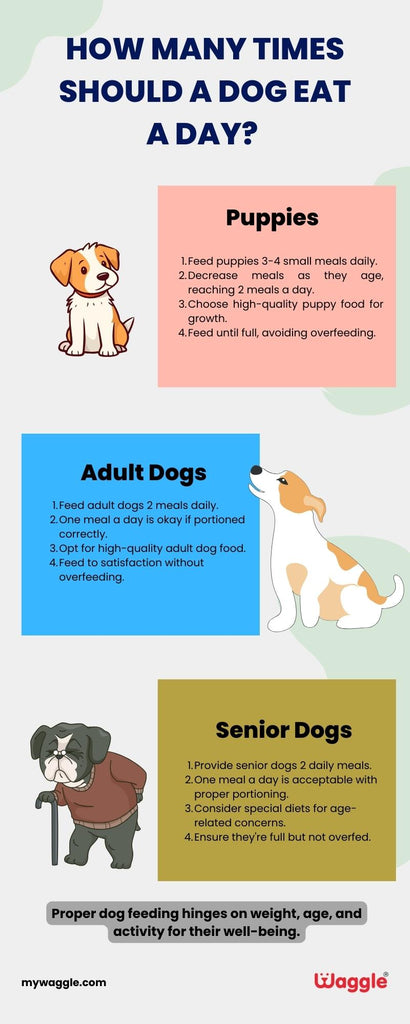
Image Source: cdn.shopify.com
The Changing Landscape of Senior Dog Nutrition
Dogs, like humans, experience a natural slowing down as they age. Their metabolism can decrease, leading to a greater tendency to gain weight if their diet isn’t adjusted. Their digestive systems may become more sensitive, and their ability to absorb nutrients might diminish. Furthermore, age-related conditions such as arthritis, dental problems, kidney disease, heart conditions, and cognitive dysfunction can significantly influence their dietary needs and how they eat.
Key Considerations for Senior Dog Meals
- Metabolic Rate: Senior dogs generally have a slower metabolism. This means they require fewer calories to maintain their body weight compared to younger, more active dogs. Overfeeding can lead to obesity, which exacerbates many age-related health issues.
- Digestive Sensitivity: The aging digestive tract can be less efficient. Foods that were once easily processed might now cause discomfort, gas, or diarrhea. Opting for highly digestible ingredients is paramount.
- Nutrient Absorption: As dogs age, their bodies might not absorb nutrients from their food as effectively. This necessitates a diet rich in bioavailable nutrients that are easily utilized.
- Dental Health: Many senior dogs suffer from dental issues, such as tooth loss, gum disease, or painful mouths. This can make chewing dry kibble difficult or impossible.
- Activity Levels: A dog that was once a marathon runner might now prefer leisurely strolls. Their reduced activity directly impacts their caloric needs.
- Underlying Health Conditions: Chronic illnesses common in older dogs, like kidney disease or diabetes, often require specific dietary management.
How Often Should You Feed A Senior Dog?
The most common and generally recommended senior dog feeding frequency is twice a day. This typically involves breakfast and dinner. This routine mimics a more natural eating pattern and is easier for many senior dogs to manage than a single large meal.
Why Two Meals a Day is Often Best
- Easier Digestion: Spreading food intake over two meals helps prevent overloading the digestive system. Smaller, more frequent meals are generally easier for aging stomachs to process, reducing the risk of indigestion, bloating, and vomiting.
- More Consistent Energy Levels: Two meals provide a more steady supply of energy throughout the day, preventing the peaks and troughs that can occur with a single meal. This can be particularly beneficial for senior dogs who may experience fluctuations in their energy levels.
- Better Nutrient Absorption: By dividing the daily food intake, you increase the chances that nutrients are properly absorbed. This is important as seniors may have a reduced capacity for absorption.
- Appetite Management: For seniors experiencing a reduced appetite, having two smaller meal opportunities can be less overwhelming than one large one, potentially encouraging them to eat more overall.
When Can One Meal a Day Be Considered?
While less common, some senior dogs might do well on a single daily meal. This is usually only recommended if:
- Your veterinarian specifically advises it due to a particular health condition.
- Your dog genuinely struggles to eat two meals and consistently leaves food from one.
- It’s a structured feeding schedule that works exceptionally well for your dog’s digestion and well-being without any negative side effects.
It’s crucial to discuss any significant changes to your dog’s feeding schedule, including a shift to a single meal, with your veterinarian first.
Determining the Best Time to Feed a Senior Dog
The best time to feed a senior dog is largely dependent on your dog’s individual routine and any medical conditions they may have. However, consistency is key. Aim for roughly the same times each day to help regulate their digestive system.
General Guidelines for Meal Timing:
- Morning Meal: Many owners opt for feeding their senior dog shortly after waking up, perhaps an hour or so after their morning potty break. This can help start their metabolism for the day.
- Evening Meal: A common time for the second meal is in the late afternoon or early evening, a few hours before bedtime. This allows time for digestion before your dog settles down for the night.
- Veterinary Recommendations: If your dog is on medication, especially those that need to be taken with food or at specific times, your feeding schedule should align with their medication regimen. For example, if your dog takes medication for diabetes or arthritis in the morning, feeding them around the same time is often recommended.
- Avoid Late-Night Feeding: Feeding too close to bedtime can sometimes lead to digestive upset or accidents overnight for some senior dogs.
Example Feeding Schedule:
| Meal | Time | Considerations |
|---|---|---|
| Breakfast | 7:00 AM – 8:00 AM | After morning potty break, before peak daily activity. |
| Dinner | 5:00 PM – 6:00 PM | Allows ample digestion time before bedtime. |
How Many Meals for Senior Dogs: Exploring Options
The question of how many meals for senior dogs often arises as owners notice changes in their pet. While two meals are standard, some owners might explore other frequencies based on their dog’s specific needs.
Variations in Feeding Frequency:
- Three Smaller Meals: In some cases, particularly for dogs with significant digestive sensitivities or those recovering from illness, breaking their daily food intake into three smaller meals might be beneficial. This can further reduce the burden on their digestive system.
- On-Demand or Free-Feeding (Generally NOT Recommended for Seniors): While convenient, free-feeding where food is always available is generally discouraged for senior dogs. It makes it difficult to monitor intake, can contribute to obesity, and doesn’t allow for precise timing of medications.
When in doubt, always consult your veterinarian. They can assess your dog’s individual health and recommend the most appropriate feeding frequency.
Deciphering Senior Canine Dietary Needs
Senior canine dietary needs are not a one-size-fits-all concept. They are highly individual, influenced by breed, size, activity level, and the presence of any medical conditions. However, some general principles apply to senior dog nutrition.
Key Nutritional Adjustments for Seniors:
- Calorie Control: As mentioned, senior dogs often need fewer calories. Look for foods specifically formulated for senior dogs, which are typically lower in calories but still nutrient-dense.
- High-Quality Protein: Protein remains essential for maintaining muscle mass, which can decline with age. However, the type and digestibility of protein are crucial. Opt for easily digestible sources like chicken, turkey, fish, or lamb. If your dog has kidney issues, your vet might recommend a specific protein level or type.
- Fat Content: Moderate, high-quality fats are important for energy, skin and coat health, and the absorption of fat-soluble vitamins (A, D, E, K). However, excessive fat can lead to weight gain.
- Fiber: Adequate fiber helps regulate digestion and prevent constipation, a common issue in older dogs. Some senior formulas include added fiber.
- Joint Support: Ingredients like glucosamine and chondroitin are beneficial for joint health and can help manage arthritis pain. Many senior dog foods include these.
- Antioxidants: Vitamins E and C, along with other antioxidants, can help combat cellular damage caused by aging and support the immune system.
- Omega-3 Fatty Acids: These are crucial for brain health, reducing inflammation, and maintaining healthy skin and coat. Sources include fish oil.
- Phosphorus and Sodium: For dogs with kidney or heart disease, veterinarians often recommend reduced levels of phosphorus and sodium.
Always read the ingredient list and guaranteed analysis on dog food packaging. Compare it with your veterinarian’s recommendations.
Interpreting Older Dog Meal Timing and Routine
Establishing a consistent older dog meal timing is beneficial for their overall well-being. A predictable routine can help regulate their digestive system, reduce anxiety, and make it easier to monitor their food intake.
Factors Influencing Meal Timing:
- Daily Schedule: Align feeding times with your daily routine to ensure consistency. If you work from home, you have more flexibility. If you are out for extended periods, you’ll need to plan accordingly.
- Medication Schedules: As previously noted, aligning meals with medication is critical for efficacy and to prevent stomach upset.
- Elimination Habits: Consider when your dog typically needs to go to the bathroom. Feeding them a few hours before their last potty break of the night can help prevent overnight accidents.
- Activity Levels: While senior dogs are less active, try to avoid feeding them immediately before or after strenuous activity (even if that activity is just a brisk walk). A short digestion period is ideal.
Addressing Senior Dog Appetite Changes
Senior dog appetite changes are quite common and can manifest in various ways: a decrease in appetite, an increase in appetite, or even a shift in food preferences.
Reasons for Appetite Changes:
- Reduced Metabolism: As noted, a slower metabolism can lead to a decreased need for calories, naturally reducing appetite.
- Dental Pain: Missing teeth, sore gums, or infections can make chewing painful, leading dogs to avoid food.
- Sensory Decline: A dog’s sense of smell and taste can diminish with age, making food less appealing.
- Gastrointestinal Issues: Conditions like inflammatory bowel disease, pancreatitis, or other digestive problems can cause nausea or discomfort, affecting appetite.
- Organ Disease: Kidney disease, liver disease, and other organ failures can significantly impact a dog’s desire to eat.
- Medication Side Effects: Some medications can cause nausea or a loss of appetite.
- Cognitive Dysfunction: Similar to dementia in humans, cognitive changes can sometimes lead to confusion about hunger or a reduced interest in food.
- Underlying Illness: Any illness, from a minor infection to a more serious chronic condition, can affect a dog’s appetite.
What to Do About Appetite Changes:
- Consult Your Veterinarian: This is the most important step. Sudden or significant appetite changes warrant a veterinary check-up to rule out underlying medical issues.
- Enhance Food Appeal:
- Warm the Food: Slightly warming wet food or adding a small amount of warm water to kibble can release aromas and make it more enticing.
- Add Toppers: A small amount of low-sodium chicken broth, plain yogurt, cooked pumpkin (ensure it’s pure, not pie filling), or a sprinkle of low-sodium, cooked, plain chicken or fish can make meals more appealing.
- Switch Food Textures: If your dog struggles with kibble, consider a high-quality wet food or a moistened kibble. Dental chews or soft treats can also encourage eating.
- Maintain a Routine: Stick to your established feeding schedule.
- Monitor Water Intake: Ensure your senior dog is staying hydrated, as dehydration can also affect appetite.
- Manage Dental Health: Regular dental check-ups and cleanings can address painful mouth issues.
Senior Dog Digestion and Feeding: A Crucial Link
Senior dog digestion and feeding are inextricably linked. As their digestive systems age, they become more delicate, and improper feeding can lead to significant discomfort.
Tips for Supporting Senior Dog Digestion:
- Choose Digestible Foods: Look for foods with easily digestible protein sources and carbohydrates. Avoid ingredients known to cause gas or bloating, such as certain fillers or artificial additives.
- Avoid Sudden Food Changes: If you need to switch your dog’s food, do so gradually over 7-10 days, mixing increasing amounts of the new food with decreasing amounts of the old food.
- Portion Control: Feed the correct amount of food for your dog’s ideal body weight, not their current weight if they are overweight. Overfeeding is a major contributor to digestive upset.
- Avoid Table Scraps: Human food can be too rich, fatty, or seasoned for a senior dog’s sensitive stomach and can disrupt their carefully balanced diet.
- Probiotics and Prebiotics: Some senior dogs can benefit from added probiotics and prebiotics to support a healthy gut microbiome. Discuss this with your vet.
- Enzyme Supplements: In some cases, veterinarians may recommend digestive enzyme supplements to aid in nutrient absorption.
- Regular Exercise: Gentle, consistent exercise can help stimulate the digestive system.
Senior Dog Nutrition Guidelines: A Holistic Approach
Following senior dog nutrition guidelines involves a holistic view of their diet and how it supports their overall health.
Core Principles of Senior Dog Nutrition:
- Veterinarian Consultation is Paramount: Every senior dog is an individual. Your veterinarian is your best resource for personalized advice based on your dog’s specific health status.
- Quality Over Quantity: Choose high-quality dog food formulated for senior dogs from reputable brands.
- Calorie Awareness: Monitor your dog’s body condition score regularly. Adjust food intake as needed to maintain a healthy weight.
- Hydration is Key: Ensure fresh, clean water is always available.
- Monitor for Changes: Be observant of any changes in appetite, digestion, energy levels, or weight, and report them to your vet promptly.
* Consider Supplements Wisely: Only use supplements if recommended by your veterinarian. Too many supplements can be harmful.
* Dental Care: Prioritize your dog’s dental health as it directly impacts their ability to eat and digest food.
Frequently Asked Questions (FAQ)
Q1: Can I feed my senior dog once a day?
A1: While some senior dogs may do well on a single meal a day, feeding twice a day is generally recommended for better digestion and more consistent energy levels. Always consult your veterinarian before making significant changes to your senior dog’s feeding schedule.
Q2: What are the signs my senior dog’s diet needs adjustment?
A2: Signs include unexplained weight gain or loss, changes in appetite (eating much more or much less), vomiting, diarrhea, lethargy, dull coat, or signs of discomfort after eating.
Q3: Should I switch to wet food for my senior dog?
A3: If your senior dog is experiencing dental issues or has difficulty chewing dry kibble, a high-quality wet food can be a good alternative. Some dogs also find wet food more palatable. Your vet can advise on the best food type.
Q4: How much should I feed my senior dog?
A4: The amount depends on the specific food, your dog’s age, breed, size, activity level, and metabolism. Always follow the feeding guidelines on the dog food packaging as a starting point, but adjust based on your dog’s body condition and your veterinarian’s advice.
Q5: Are there special foods for senior dogs with specific health conditions?
A5: Yes, many prescription diets are available for senior dogs with conditions like kidney disease, diabetes, liver disease, or food allergies. These diets are carefully formulated to manage these specific health concerns and should only be fed under veterinary guidance.
In conclusion, transitioning your dog into their senior years requires a thoughtful approach to their diet and feeding schedule. By focusing on age-appropriate dog meals, consistent older dog meal timing, and paying close attention to senior canine dietary needs and senior dog digestion and feeding, you can help ensure your beloved companion enjoys a healthy, happy, and comfortable golden age, guided by comprehensive senior dog nutrition guidelines. Remember, your veterinarian is your most valuable partner in this journey.