
A dog typically needs a rabies shot at 3-4 months of age, followed by a booster one year later, and then boosters every three years thereafter, though specific schedules can vary based on local laws and vaccine types.
Rabies is a serious and often fatal viral disease that can affect all warm-blooded animals, including dogs. Ensuring your canine companion is up-to-date on their rabies vaccinations is a cornerstone of their lifelong health and a vital aspect of public health. This article will delve into the intricacies of the dog rabies shot schedule, exploring how often your dog should receive this crucial vaccine, what influences the frequency, and why it’s so important for both your pet and the community. We’ll cover everything from initial puppy vaccinations to adult dog rabies shot intervals, and discuss the impact of state rabies vaccination laws on your pet’s care.
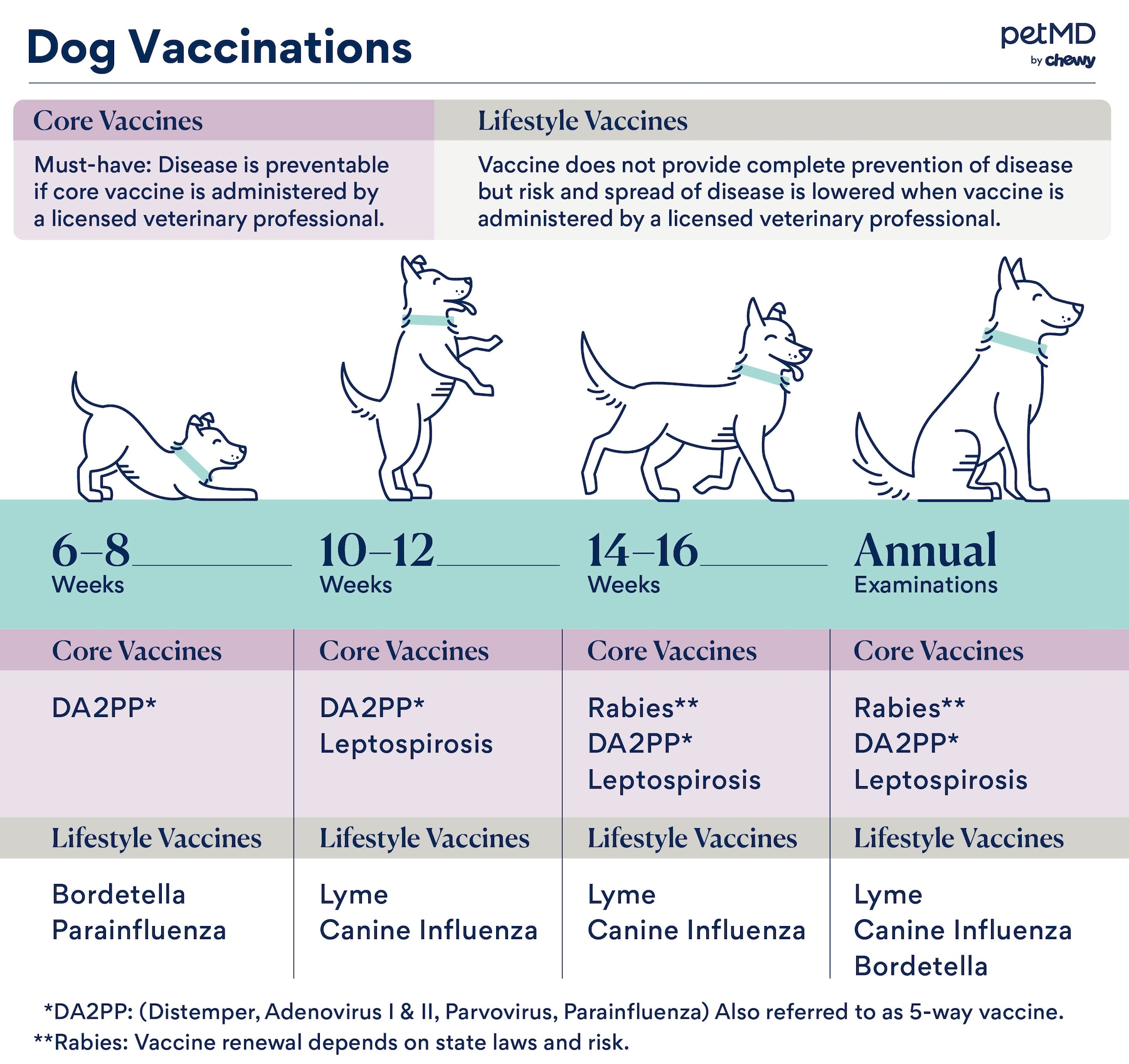
Image Source: image.petmd.com
Why Rabies Vaccination is Crucial for Canine Health
Rabies is a zoonotic disease, meaning it can be transmitted from animals to humans. The virus attacks the central nervous system, causing severe neurological symptoms. Once clinical signs appear, rabies is almost always fatal. For dogs, transmission typically occurs through the bite of an infected animal, when the virus in the saliva enters the body through the wound. Protecting your dog from rabies is not just about their individual well-being; it’s a crucial part of animal rabies prevention and safeguarding public health. A well-vaccinated dog population significantly reduces the risk of rabies outbreaks, protecting not only other pets but also humans from this deadly disease.
The Puppy Rabies Vaccination Timeline: Starting Strong
The journey of rabies protection begins in puppyhood. The puppy rabies vaccination timeline is designed to provide immunity as the puppy’s own immune system matures.
-
Initial Vaccination: The first rabies vaccine is typically administered when a puppy is between 12 to 16 weeks of age. This timing is important. Puppies receive maternal antibodies from their mother’s milk, which can interfere with the effectiveness of vaccines if given too early. Waiting until this age ensures the puppy’s immune system is capable of mounting a proper response to the vaccine.
-
Primary Booster: Following the initial vaccination, a booster shot is usually required one year after the first vaccination. This primary booster is critical for reinforcing the immunity established by the first dose and ensuring long-lasting protection.
Dog Rabies Booster Schedule for Adult Dogs
Once your dog has completed their initial puppy series and the first-year booster, the dog rabies booster schedule becomes a little more standardized, though it’s always best to consult your veterinarian. The frequency of boosters is largely determined by the type of rabies vaccine used and the state rabies vaccination laws.
Rabies Shot Duration for Dogs: What the Science Says
Modern rabies vaccines are highly effective and provide extended protection. The rabies shot duration for dogs has evolved significantly over the years.
-
Initial Vaccines and First Booster: As mentioned, the first vaccine is given around 12-16 weeks, followed by a booster one year later. Both of these vaccines are typically considered to provide one year of immunity.
-
Subsequent Boosters: After the one-year booster, the adult dog rabies shot interval comes into play. Historically, rabies boosters were given annually. However, research and advancements in vaccine technology have shown that many rabies vaccines provide immunity for at least three years. This is why many veterinarian rabies recommendations now align with a three-year booster schedule.
Factors Influencing Rabies Vaccine Frequency
Several factors can influence how often your dog needs a rabies booster:
-
Type of Vaccine Used: Rabies vaccines are classified by their duration of immunity. Some may be licensed for a one-year duration, while others are approved for three-year protection. Your veterinarian will use a vaccine that meets or exceeds state legal requirements.
-
State and Local Laws: This is a significant factor. Many states have state rabies vaccination laws that mandate a minimum vaccination schedule, often requiring a one-year vaccine initially, followed by a three-year booster. Some areas may have stricter requirements due to local rabies prevalence. It is crucial to comply with these regulations to ensure your dog is legally protected and to contribute to community-wide animal rabies prevention.
-
Dog’s Lifestyle and Risk Exposure: While all dogs should be vaccinated, those that spend significant time outdoors, are frequently around other animals (especially wildlife), or travel to areas with a higher incidence of rabies might be considered at higher risk. This doesn’t necessarily change the frequency of the vaccine based on its duration of immunity but reinforces the importance of consistent adherence to the schedule.
-
Veterinarian Rabies Recommendations: Your veterinarian is your best resource for determining the appropriate rabies vaccine frequency for your individual dog. They will consider the vaccine’s efficacy, local laws, and your dog’s specific health status and lifestyle.
Decoding Rabies Vaccine Frequency: A Practical Guide
Let’s break down the typical rabies vaccine frequency in a clear, actionable way.
Initial Puppy Series
-
First Dose: Between 12 and 16 weeks of age. This vaccine typically provides immunity for one year.
-
First Booster: One year after the initial vaccination. This booster is also typically a one-year vaccine if the initial vaccine was a one-year duration, or it can be a three-year vaccine if your veterinarian uses a three-year product and it’s legally permissible as the first booster after initial vaccination.
Adult Dog Maintenance
- Subsequent Boosters: After the first year booster, most dogs will receive a rabies booster every three years. This is the most common dog rabies booster schedule for adult dogs, provided a three-year vaccine is used and permitted by local laws.
Example Scenario
Imagine your puppy, Buddy, receives his first rabies shot at 14 weeks old.
- Age 14 Weeks: First rabies vaccine.
- Age 1 Year (12 months): First rabies booster.
- Age 4 Years (48 months): Second rabies booster (this would be the 3-year booster after the first year booster).
- Age 7 Years (84 months): Third rabies booster, and so on, every three years.
This example illustrates the general adult dog rabies shot interval.
State Rabies Vaccination Laws: Navigating the Legal Landscape
State rabies vaccination laws are not uniform across the United States. These laws are enacted to protect public health and control the spread of rabies. They dictate the minimum requirements for rabies vaccination for dogs and cats.
-
Core Vaccine Requirement: Rabies vaccination is considered a “core” vaccine for dogs, meaning it’s recommended for all dogs regardless of their lifestyle, due to the severity of the disease and the risk it poses to public health.
-
Duration of Immunity and Legal Compliance: While scientific evidence supports three years of immunity for many modern rabies vaccines, some state laws might still require annual boosters in specific circumstances or may not yet have updated regulations to reflect the latest vaccine durations. It is essential to verify your local and state regulations. Your veterinarian will be aware of these requirements and will administer vaccines accordingly.
-
Proof of Vaccination: Most states require proof of rabies vaccination for pet licensing and to enter boarding facilities, groomers, or dog parks. Always keep your dog’s vaccination records in a safe place.
Common Misconceptions About Rabies Shots
Despite the clear guidelines, some common misconceptions persist regarding rabies vaccination.
-
“My dog never goes outside, so he doesn’t need the rabies shot.” This is a dangerous myth. While indoor dogs have a lower risk, they can still be exposed if a rabid animal (like a bat or a stray) enters the home, or if the dog escapes outdoors for even a short period. Furthermore, canine rabies protection is a community effort. Even if your dog has a very low personal risk, maintaining vaccination schedules helps protect the entire animal population and, by extension, people.
-
“Rabies shots are harmful to dogs.” Modern rabies vaccines are very safe and effective. Like any vaccine, there’s a small chance of mild side effects (e.g., soreness at the injection site, mild lethargy), but these are usually temporary and far outweighed by the protection against a fatal disease. Severe reactions are extremely rare. Your vet will discuss potential side effects and monitor your dog for any reactions.
-
“If my dog gets the rabies shot, he’s invincible.” No vaccine is 100% effective for every individual. However, rabies vaccines are among the most effective vaccines available. Consistent vaccination and adherence to the dog rabies booster schedule provide the highest level of protection.
The Role of the Veterinarian in Rabies Protection
Your veterinarian plays a pivotal role in ensuring your dog’s dog health rabies status is always up-to-date. Veterinarian rabies recommendations are based on scientific evidence, vaccine manufacturer guidelines, and legal requirements.
-
Guidance on Schedule: They will provide you with a personalized vaccination plan for your puppy and ongoing boosters for your adult dog.
-
Vaccine Selection: They will choose the most appropriate and legally compliant rabies vaccine for your dog, considering the duration of immunity.
-
Record Keeping: They will provide you with a vaccination certificate, which is essential documentation.
-
Education: They can answer any questions you have about rabies, vaccines, and your dog’s health.
Traveling with Your Dog and Rabies Vaccination
If you plan to travel with your dog, especially across state lines or internationally, you will likely need proof of current rabies vaccination.
-
Interstate Travel: Most states require proof of rabies vaccination, often with a specific date of administration, to cross their borders with a pet.
-
International Travel: Requirements for international travel are much stricter. Many countries require a rabies vaccination administered at least 30 days prior to travel and may specify the type of vaccine and its duration of immunity. It is crucial to research the specific requirements of your destination country well in advance of your trip.
What Happens If My Dog’s Rabies Vaccination Lapses?
If your dog’s rabies vaccination lapses, it means they are no longer considered legally protected. This can have significant consequences.
-
Legal Ramifications: If your dog bites someone and their rabies vaccination is not current, the unvaccinated dog may be subject to quarantine in a veterinary facility for a period (typically 10 days) to rule out rabies. This can be very expensive and stressful for both the dog and the owner. In some cases, depending on local laws and the circumstances of the bite, the dog might even be euthanized for rabies testing.
-
Increased Risk: A lapsed vaccination leaves your dog vulnerable to rabies if they are exposed to an infected animal.
-
Revaccination Protocols: If your dog’s vaccination has lapsed, your veterinarian will likely recommend a booster shot. Depending on how long it has been since the last vaccination and the laws in your area, they might need to restart the initial vaccination series. Always consult your vet immediately if you suspect a lapse in vaccination.
Frequently Asked Questions (FAQs)
Here are some common questions regarding dog rabies shots:
Q1: How old does my puppy need to be for their first rabies shot?
A1: Puppies are typically vaccinated between 12 and 16 weeks of age.
Q2: My dog is an indoor cat. Does he still need a rabies shot?
A2: Yes, all dogs should be vaccinated against rabies. Even indoor pets can be exposed, and vaccination is a crucial part of public health.
Q3: My dog had a rabies shot last year, but my neighbor’s dog gets one every three years. Why the difference?
A3: The difference usually lies in the type of vaccine used and potentially the timing of the first booster. After the initial puppy series and the one-year booster, most dogs are placed on a three-year vaccination schedule if a three-year vaccine is administered and permitted by law. Always follow your veterinarian’s specific recommendations.
Q4: Can my dog get a rabies shot at the same time as other vaccines?
A4: Yes, it is common and safe for rabies vaccines to be administered along with other core and non-core vaccines. Your veterinarian will determine the best vaccination protocol for your dog.
Q5: What are the signs of rabies in dogs?
A5: Signs of rabies can vary but often include behavioral changes (aggression, unusual tameness), drooling, difficulty swallowing, paralysis, and seizures. If you suspect your dog or another animal has rabies, do not approach them. Contact your veterinarian or local animal control immediately.
Q6: What is the rabies shot duration for dogs?
A6: The initial puppy vaccine and the first booster one year later provide one year of immunity. Subsequent boosters, typically given every three years, provide three years of protection.
Q7: Are there different types of rabies vaccines for dogs?
A7: Yes, there are vaccines licensed for one-year duration and others licensed for three-year duration of immunity. Your veterinarian will use a vaccine that meets legal requirements and provides optimal protection.
Conclusion: A Commitment to Canine and Community Safety
Maintaining a consistent and up-to-date rabies vaccination schedule for your dog is a fundamental responsibility of pet ownership. It ensures your canine companion receives robust canine rabies protection, safeguarding them from a devastating disease. Furthermore, by adhering to these schedules and veterinarian rabies recommendations, you contribute significantly to animal rabies prevention and the overall health and safety of your community. Always consult your veterinarian to confirm the correct dog rabies booster schedule and to ensure compliance with all applicable state rabies vaccination laws. Your commitment to regular rabies shots is a vital step in promoting long-term dog health rabies prevention and a safer world for everyone.