
So, you’re wondering, “How old does a dog need to be to breed?” The general answer is that dogs typically reach reproductive maturity between 6 to 12 months of age, but the minimum age for dog breeding is often debated and varies by breed and individual health. It’s crucial to consider more than just the age; dog reproductive maturity is a complex topic involving physical, mental, and genetic readiness. Understanding the nuances of dog breeding age is key to responsible breeding practices.
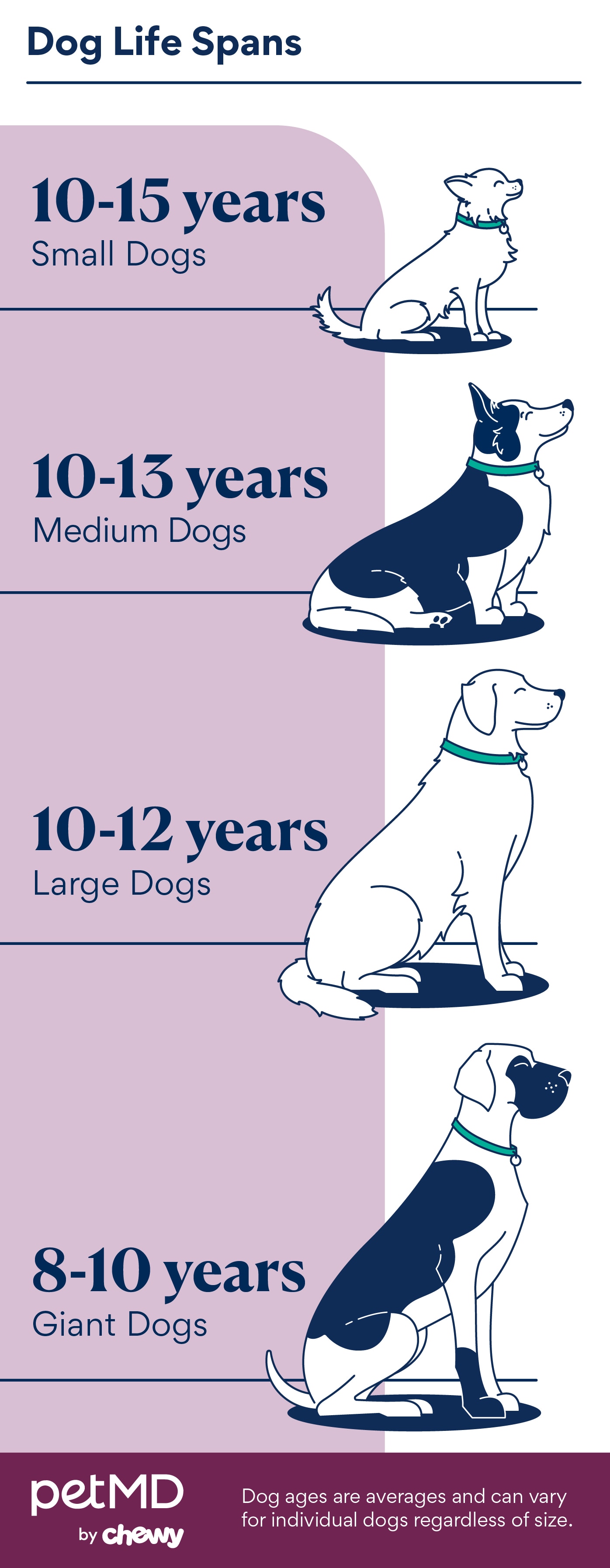
Image Source: image.petmd.com
Deciphering Canine Reproductive Cycles
Dogs, like many mammals, experience reproductive cycles. For females, this is known as being in “heat” or estrus. For males, it’s a more continuous process of sperm production. Knowing when can dogs breed requires an understanding of these cycles and the factors that influence them.
Female Canine Reproductive Maturity
A female dog’s journey to reproductive readiness begins with her first heat cycle. This is a significant milestone, but it does not automatically mean she is ready to breed.
The First Heat Cycle: A Starting Point
The first heat dog breeding is often a topic of much discussion among breeders.
- Timing: The age of the first heat varies greatly. Smaller breeds might experience their first heat as early as 4-6 months, while larger breeds may not show signs until 10-12 months or even later.
- Signs of Heat: These include behavioral changes (restlessness, increased affection, flagging the tail), vulvar swelling, and bloody discharge.
- Not Ready for Breeding: It is generally advised against breeding a dog during her first heat. Her body is still developing, and she may not be physically or emotionally prepared for pregnancy and nursing. Puppies born from a dog bred too young are often at higher risk for health problems and may have lower survival rates.
Subsequent Heat Cycles and Readiness
After the first heat, a female dog will typically cycle every 4 to 12 months, though this can also vary by breed and individual.
- Physical Maturation: A dog’s body continues to mature well beyond her first heat. Bones are still developing, and organs are reaching their full size and function. Breeding too early can put undue stress on a young, still-growing body, potentially leading to complications during pregnancy, birth, and even long-term health issues for both the mother and her puppies.
- Emotional Maturity: While less quantifiable than physical maturity, a dog’s emotional development also plays a role. A younger dog may be more stressed by the demands of pregnancy and motherhood.
Male Canine Reproductive Maturity
Male dogs, on the other hand, reach sexual maturity at a similar age range to females, generally between 6 to 12 months.
- Sperm Production: Once mature, males can produce viable sperm continuously.
- Behavioral Changes: This can include increased marking behavior, mounting, and a greater interest in females in heat.
- Readiness vs. Responsibility: While a male dog might be physically capable of breeding from around 6 months, responsible breeders will consider his overall health, temperament, and genetic suitability before allowing him to breed.
Factors Influencing Optimal Breeding Age
The optimal breeding age for dogs is not a single number but a range that balances physical maturity, genetic soundness, and the dog’s overall well-being.
Breed-Specific Considerations
Different breeds have different growth rates and maturity timelines.
- Giant Breeds: Breeds like Great Danes or Irish Wolfhounds mature much slower. Their dog reproductive maturity might not be fully established until 18-24 months of age. Breeding them too early can exacerbate their predisposition to orthopedic issues like hip dysplasia.
- Small Breeds: While they may mature earlier, small breeds can also face complications with very early pregnancies.
Health and Genetic Screening
Before considering breeding, comprehensive health and genetic testing are paramount.
- Health Clearances: This includes tests for breed-specific genetic conditions such as hip and elbow dysplasia, eye diseases, cardiac issues, and neurological disorders. These tests are often only considered valid after a dog has reached a certain age, typically 1-2 years, when conditions are more likely to manifest.
- Temperament: A dog’s temperament is also crucial. Temperament is largely hereditary, and breeding dogs with poor temperaments can pass these undesirable traits to their offspring. Temperament can be better assessed in a mature dog.
Body Condition and Overall Health
A dog’s physical condition is a strong indicator of her readiness to carry a litter.
- Ideal Weight: The dog should be at an ideal body weight, not underweight from growing or overweight, which can complicate pregnancy and birth.
- Nutritional Status: Proper nutrition is vital for both the mother and the developing puppies. A dog that is still growing may not be able to adequately support a pregnancy without compromising her own health.
Determining the Right Age to Breed
Deciding on the dog breeding age involves a careful evaluation of multiple factors.
Minimum Age for Dog Breeding: A Closer Look
While the biological ability to reproduce might start as early as 6 months, ethical and responsible breeding practices dictate a later start.
- Female Dogs: Most veterinarians and reputable breeders recommend waiting until a female dog is at least 18-24 months old and has had at least two, ideally three, normal heat cycles. This ensures she has reached full physical maturity and has demonstrated consistent reproductive health.
- Male Dogs: Similarly, males should not be used for breeding before they are fully mature, typically 18-24 months, and have undergone all necessary health screenings. While they can produce sperm earlier, their physical and mental development is still ongoing.
The Concept of Puppy Breeding Age
The term puppy breeding age refers to dogs that are not yet fully mature. Breeding a puppy is universally considered irresponsible and harmful.
- Risks to the Female: Increased risk of complications during pregnancy and birth, potential for stunted growth, nutrient deficiencies, and psychological stress.
- Risks to the Puppies: Higher incidence of health problems, developmental issues, and lower survival rates.
Adult Dog Breeding Age: The Responsible Approach
The adult dog breeding age is where responsible breeding truly begins. This typically falls between 18 months and 6-8 years of age, depending on the breed and individual dog’s health status.
- Maturity: By this age, dogs have reached their full physical and often mental maturity.
- Health Information: Sufficient time has passed for genetic health screening to be meaningful.
- Longevity: Breeding within this window generally allows for a good balance between reproductive success and the dog’s overall lifespan.
The Breeding Process: Timing and Health Checks
Successful and ethical dog breeding is more than just pairing a male and female. It requires meticulous planning and care.
When Can Dogs Breed? The Practicalities
- Female’s Cycle: For females, breeding is typically timed to occur during the peak fertile period of her heat cycle. This often falls between day 9 and day 15 of the heat cycle, but this can vary. Close monitoring of vaginal discharge changes (from bloody to straw-colored) and ovulation predictor kits can help pinpoint the optimal time.
- Male’s Readiness: The male should be in good health and condition, free from any contagious diseases.
Health Checks for Breeding Dogs
Before breeding, both the male and female dog should undergo thorough veterinary examinations.
- Veterinary Consultation: Discuss the dog’s health history, vaccination status, and parasite control with your veterinarian.
- Genetic Testing: As mentioned, crucial genetic tests should be completed.
- Physical Examination: A veterinarian will check for any underlying health issues that could affect reproduction or pregnancy.
Common Questions About Dog Breeding Age
Here are some frequently asked questions that can further clarify the complexities of canine breeding age.
FAQ:
- What is the youngest age a dog can physically breed?
A female dog can become pregnant as early as her first heat cycle, which can occur between 4-12 months of age. Males can produce viable sperm around the same age. However, this is not the recommended age for breeding. - Can I breed my dog at 1 year old?
While a dog is physically mature at 1 year old, it is generally not considered the optimal or safest age for breeding, especially for females. Waiting until at least 18 months to 2 years old is recommended to ensure full physical and genetic maturity. - Is it safe to breed a dog that hasn’t had many heat cycles?
It is generally safer to wait for a female dog to have at least two or three heat cycles before breeding. This allows her body to fully mature and reduces the risks associated with early pregnancy. - How long can a dog be bred?
For females, breeding is typically stopped after 6-8 years of age, depending on the breed and her health. For males, they can often continue to sire litters for longer, but their fertility may decline with age, and responsible breeders will continue to prioritize health and temperament. - What is the minimum age for dog breeding to be considered ethical?
Ethical breeding considers the dog’s overall well-being. While not strictly defined by law in all places, most reputable organizations and breeders consider the minimum age for dog breeding to be around 18-24 months, allowing for full maturation and health testing.
Conclusion: Prioritizing Health and Responsibility
In conclusion, while dogs achieve biological sexual maturity relatively early, the dog breeding age should be carefully considered with a focus on health, temperament, and breed-specific needs. The minimum age for dog breeding is not just about biological capability but about ensuring the well-being of the parent dogs and the health of the offspring. Aiming for the optimal breeding age for dogs, typically around 18-24 months, and committing to thorough health screenings are hallmarks of responsible dog breeding. Avoid the temptation of puppy breeding age at all costs, and embrace the principles of breeding mature, healthy, and well-adjusted adult dogs.