
Can a dog be spayed immediately after she has finished her heat cycle? Yes, a dog can be spayed after her heat cycle has concluded, but it’s crucial to wait for the right timing.
The decision of when to spay your female dog is an important one for her health and well-being. While spaying is a common and generally safe procedure, the timing can have a significant impact on the surgery itself and your dog’s future health. Many pet owners wonder about spaying after heat, specifically asking, “How soon is safe?” This article will delve into the specifics of spaying after heat cycle, exploring the physiological changes your dog experiences and the recommended waiting periods.
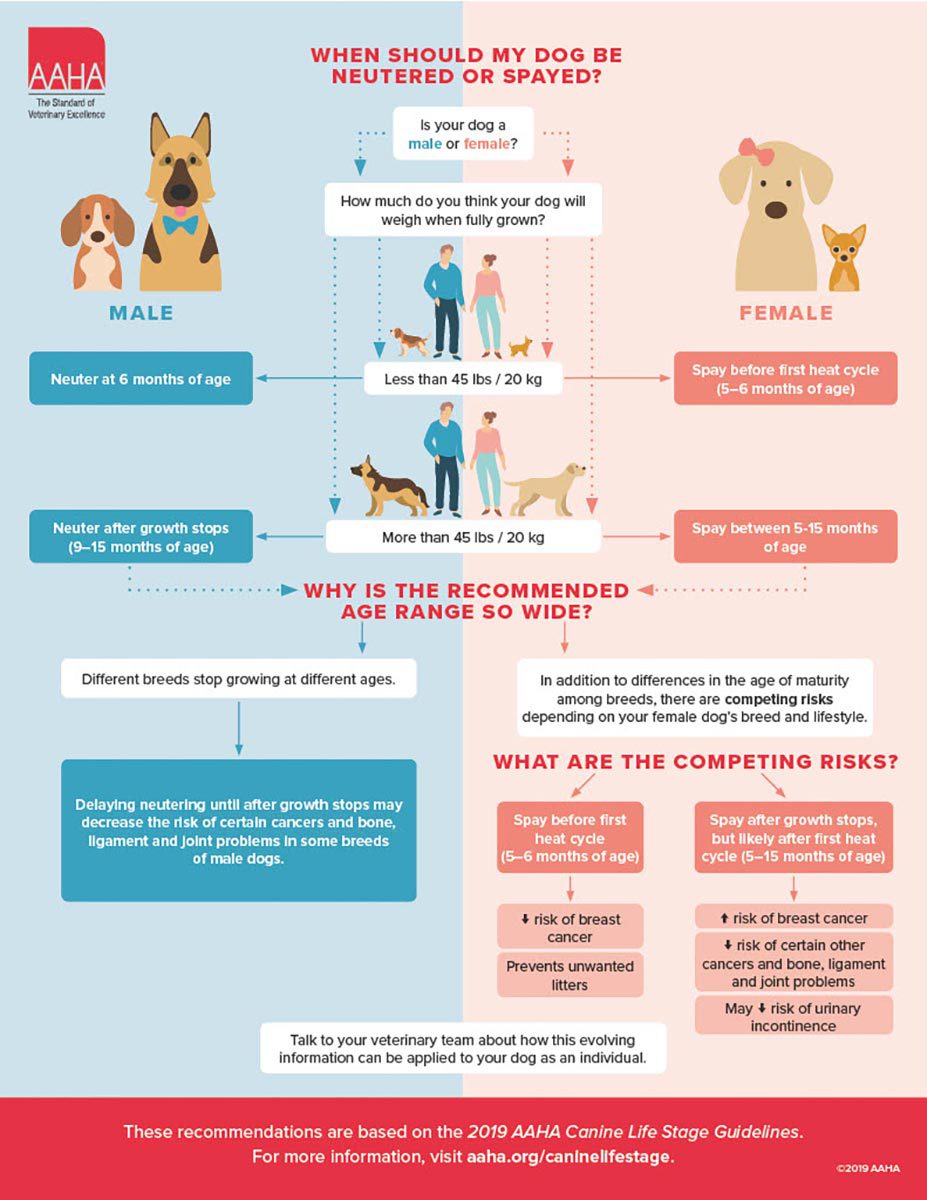
Image Source: southeastoakvillevet.ca
The Canine Heat Cycle: A Primer
Before we discuss spaying after heat, it’s essential to grasp the basics of a dog’s reproductive cycle. This cycle, often referred to as estrus, is characterized by distinct stages, each with its own hormonal fluctuations and physical manifestations.
- Proestrus: This is the initial stage of heat, typically lasting about 9 days. You might notice a bloody vaginal discharge, and the vulva will likely be swollen. During this phase, your dog attracts males but is not yet receptive to mating.
- Estrus: This is the fertile period, usually lasting around 9 days. The discharge may become lighter or disappear, and the vulva remains swollen. Crucially, your dog will be receptive to mating during estrus. This is the period when estrus cycle spaying is most risky due to the increased blood flow to reproductive organs.
- Diestrus: Following estrus, diestrus begins. If your dog has mated and conceived, this phase is for pregnancy. If not, it’s the period where progesterone levels are high, mimicking pregnancy. This phase lasts about 2 months.
- Anestrus: This is the period of reproductive inactivity, lasting about 4-5 months, bringing the total cycle to around 6 months.
Why Timing Matters for Spaying After Heat
Gesterone levels spay are a critical factor when considering spaying after heat cycle. During heat, particularly the estrus phase, hormone levels, including estrogen and progesterone, are elevated. These hormonal changes cause significant physiological alterations in your dog’s reproductive organs, including the ovaries and uterus.
The ovaries, where eggs are released, and the uterus, where a pregnancy would develop, are more vascularized (have increased blood flow) and engorged during heat. This increased blood flow makes the surgical field more prone to bleeding. Therefore, attempting ovary removal after heat too soon can increase the risk of complications during surgery.
Optimal Spay Timing: Beyond the Heat Cycle
While the term “spaying after heat” implies immediate post-heat surgery, the optimal timing generally involves waiting for the hormonal levels to normalize. This means waiting until your dog has completely finished her heat cycle and is in anestrus, the inactive phase of her reproductive cycle.
When is the Safest Time for Spaying After Heat?
Veterinarians typically recommend waiting for at least 4-6 weeks after the cessation of visible signs of heat. This waiting period allows:
- Hormonal Normalization: Progesterone and estrogen levels will have dropped back to their baseline levels.
- Reduced Vascularity: The blood vessels supplying the reproductive organs will have returned to their normal size, reducing the risk of intraoperative bleeding.
- Reduced Inflammation: Swelling and engorgement of the reproductive tissues will have subsided.
Therefore, the safest answer to “how soon can a dog be spayed after heat?” is generally 4 to 6 weeks after the bleeding has stopped and she is no longer receptive to males.
The Nuances of Post-Heat Spay Effectiveness
Post-heat spay effectiveness is generally high, regardless of when the surgery is performed after the heat cycle has concluded. Spaying, or ovariohysterectomy (removal of ovaries and uterus) or ovariectomy (removal of only ovaries), effectively prevents pregnancy and eliminates heat cycles and associated behaviors. It also significantly reduces the risk of mammary tumors and eliminates the risk of pyometra (a life-threatening uterine infection).
However, the ease and safety of the procedure can be influenced by the timing. Performing the surgery during the inactive phase (anestrus) leads to a smoother, less complicated procedure.
Addressing Concerns: Spaying Inactive Heat
Some owners might try to time spaying during the “inactive heat” – a period when a female dog is not in her estrus cycle. This is precisely what veterinarians recommend. The term “inactive heat” is somewhat misleading; it’s more accurately referred to as anestrus.
Spaying inactive heat is the ideal scenario. It ensures that the reproductive organs are not hormonally stimulated, minimizing surgical risks.
What Are the Spay Surgery Risks Heat-Related?
The primary spay surgery risks heat are related to the hormonal influence on the reproductive tract:
- Increased Bleeding: As mentioned, the heightened vascularity during and immediately after heat increases the likelihood of bleeding during surgery. This can prolong the procedure and necessitate blood transfusions in rare cases.
- Surgical Complications: The engorged tissues might make it slightly more challenging for the surgeon to isolate and ligate (tie off) blood vessels effectively, potentially leading to minor complications.
- Anesthesia Risks: While anesthesia is generally safe, any procedure involving increased bleeding or a longer duration due to complications can theoretically increase anesthetic risks, though this is rare with proper veterinary care.
Deciphering Hormonal Changes Spaying and Your Dog
Hormonal changes spaying is the very reason why timing is critical. Estrogen and progesterone are the primary hormones involved.
- Estrogen: Produced by developing follicles in the ovaries, estrogen prepares the body for mating and ovulation. High estrogen levels cause the physical changes associated with proestrus and estrus.
- Progesterone: Produced by the corpus luteum (formed after ovulation), progesterone maintains pregnancy. Even in non-pregnant dogs, progesterone levels rise during diestrus.
These fluctuating hormone levels directly impact the reproductive organs, making them more delicate and vascular during heat. Waiting allows these hormones to return to baseline, making the tissues less sensitive and less prone to bleeding.
When to Spay Dog Heat: Recommendations and Considerations
The general consensus among veterinarians and animal welfare organizations is to spay female dogs before their first heat cycle. This is often around 6 months of age, but this can vary depending on breed and individual development. Spaying before the first heat offers the most significant protection against mammary cancer later in life.
However, if your dog has already gone through her first heat cycle or you are spaying after heat cycle, the following timing guidelines are crucial:
- Ideal Scenario: Spay your dog when she is between heat cycles, meaning in the anestrus phase.
- Waiting Period: If she has just finished a heat cycle, wait at least 4 to 6 weeks for her hormones to normalize and for the reproductive organs to return to a non-engorged state.
Factors Influencing Spay Timing:
- Breed: Larger breeds might have slightly different developmental timelines.
- Individual Health: A dog’s overall health and condition play a role.
- Owner’s Goals: Some owners may want to show their dog or breed her, influencing the decision. However, for the majority of pet owners, early spaying is recommended.
The Process of Spaying: A Surgical Overview
The spay surgery, technically an ovariohysterectomy or ovariectomy, is a routine procedure performed under general anesthesia.
Surgical Techniques:
- Ovariohysterectomy: This is the traditional method, involving the removal of both ovaries and the uterus. It completely eliminates the possibility of uterine infections (pyometra) and reproductive cancers of the uterus and ovaries.
- Ovariectomy: This procedure involves the removal of only the ovaries. The uterus is left in place. While it eliminates heat cycles and prevents pregnancy, it does not protect against pyometra. This method is sometimes chosen by breeders or for specific medical reasons.
Pre-Operative Preparation:
- Fasting: Your dog will need to fast for a specified period (usually 12-24 hours) before surgery to prevent vomiting and aspiration during anesthesia.
- Pre-anesthetic Bloodwork: This is often recommended to assess organ function and ensure the dog is a good candidate for anesthesia.
- Pre-Surgical Examination: A thorough physical examination is performed to confirm the dog is healthy enough for surgery.
During Surgery:
- The dog is anesthetized and monitored closely by a veterinary professional.
- A small incision is made, typically in the abdomen.
- The ovaries and (if performing an ovariohysterectomy) the uterus are carefully located, ligated, and removed.
- The incision is closed with sutures, staples, or surgical glue.
Post-Operative Care:
- Pain Management: Pain medication is prescribed to ensure comfort.
- Rest: Restricting activity for about 10-14 days is crucial to allow the incision to heal.
- Incision Monitoring: Owners are advised to monitor the incision for signs of infection (redness, swelling, discharge) and prevent the dog from licking or chewing at it (an Elizabethan collar, or “cone of shame,” is often used).
- Follow-up: A follow-up appointment may be scheduled to check the incision site and remove any external sutures.
Benefits of Spaying
The benefits of spaying extend far beyond simply preventing unwanted pregnancies.
- Elimination of Heat Cycles: No more bloody discharge, behavioral changes, or attracting intact males.
- Reduced Risk of Mammary Tumors: Spaying before the first heat significantly reduces the risk of mammary cancer. The risk increases with each subsequent heat cycle.
- Prevention of Pyometra: This potentially fatal uterine infection is completely prevented by ovariohysterectomy.
- Prevention of Ovarian and Uterine Cancers: Spaying removes the organs at risk for these cancers.
- Behavioral Improvements: Spaying can reduce roaming instincts, aggression, and urine marking in some dogs.
When NOT to Spay: Situational Considerations
While generally beneficial, there are situations where you might need to delay or reconsider spaying:
- Illness: If your dog is sick or unwell, it’s best to postpone the surgery until she has fully recovered.
- Very Young Puppies (controversial): While many advocate for spaying as early as 8 weeks, some research suggests potential long-term orthopedic issues in large breeds if spayed very early. This is an ongoing area of research and veterinary discussion.
- Specific Health Conditions: In rare cases, certain medical conditions might make anesthesia or surgery riskier. Your veterinarian will advise you.
Common Misconceptions About Spaying After Heat
- “My dog will get fat if she’s spayed.” Spaying can slightly alter metabolism, but weight gain is primarily due to overfeeding and lack of exercise. A balanced diet and regular activity will keep a spayed dog in good shape.
- “My dog needs to have one litter first.” This is a myth. There is no health benefit to a dog having a litter before being spayed.
Frequently Asked Questions (FAQ)
Q1: How long after a dog stops bleeding can she be spayed?
A1: It is generally recommended to wait at least 4 to 6 weeks after the bleeding has stopped and she is no longer receptive to males. This allows her hormonal levels to return to normal and her reproductive organs to decrease in size and vascularity, making the surgery safer.
Q2: Can I spay my dog while she is in heat?
A2: It is strongly discouraged to spay a dog while she is actively in heat (estrus). The elevated hormone levels make her reproductive organs more vascular and engorged, significantly increasing the risk of bleeding and surgical complications.
Q3: What happens if I spay my dog too soon after heat?
A3: If you spay your dog too soon after her heat cycle has ended, you increase the risk of excessive bleeding during surgery. The tissues may still be more engorged and fragile than they would be in the anestrus phase. This could lead to a more complicated procedure and a longer recovery time.
Q4: Is it okay to spay my dog if she’s never been in heat?
A4: Yes, it is not only okay but often recommended by veterinarians to spay your dog before her first heat cycle. This offers the greatest protection against mammary cancer and prevents the health risks associated with pregnancy and heat cycles.
Q5: Will spaying my dog after heat affect her personality?
A5: Spaying removes the influence of reproductive hormones, which can sometimes lead to a calmer demeanor and a reduction in behaviors associated with heat cycles, such as roaming or increased vocalization. However, it does not fundamentally change a dog’s personality or inherent temperament.
Q6: What are the signs that my dog’s heat cycle is over?
A6: The most obvious sign is the cessation of vaginal bleeding. You might also notice that her vulva returns to its normal size and that she is no longer attracting or receptive to intact male dogs.
Q7: My dog just finished her heat cycle, and I want to spay her. What’s the first step?
A7: The first step is to call your veterinarian. They will likely advise you to wait at least 4-6 weeks and will schedule an appointment for a pre-surgical evaluation and the procedure itself. They can also discuss the best timing based on your dog’s specific situation.
Q8: Does spaying after heat reduce the effectiveness of the procedure?
A8: No, spaying effectively prevents pregnancy and eliminates heat cycles regardless of the exact timing after the heat cycle concludes, as long as it’s done after the hormones have normalized. However, the safety and ease of the surgery are optimized by waiting.
Q9: What does “esterone levels spay” mean in relation to timing?
A9: This refers to the level of the hormone progesterone. During and immediately after a heat cycle, progesterone levels are elevated. For a safer spay surgery, it’s best to wait until progesterone levels have significantly dropped, which occurs several weeks after the heat cycle ends.
Conclusion
Deciding when to spay your dog is a significant decision. For those considering spaying after heat cycle, the key takeaway is patience. While the allure of getting the procedure done quickly might be strong, adhering to the recommended waiting period of 4-6 weeks after the cessation of heat signs is crucial for ensuring the safest and smoothest surgical outcome. By comprehending the hormonal changes spaying addresses and the physiological impact of the estrus cycle, you can make an informed decision that prioritizes your dog’s long-term health and well-being. Always consult with your veterinarian to determine the optimal spay timing for your individual canine companion.