
What is dog dominance and can I break it? Yes, you can break dog dominance. This is a common concern for many pet owners, and while the concept of “dominance” in dogs is often misunderstood, addressing certain behaviors is crucial for a harmonious relationship. Many people ask, “What is dominance in dogs?” It’s not about a dog being “bad” or “stubborn”; it’s often a misinterpretation of normal canine communication and social structures. When we talk about “breaking dominance,” we are really referring to dog behavior modification that helps a dog feel secure and understand their place within the human family structure, rather than trying to exert undue power. The goal is to foster a calm, well-behaved pet through effective dog obedience training and establishing pack leader dynamics. This post will guide you through expert strategies for solving dominance issues in dogs and cultivating confident dog ownership.
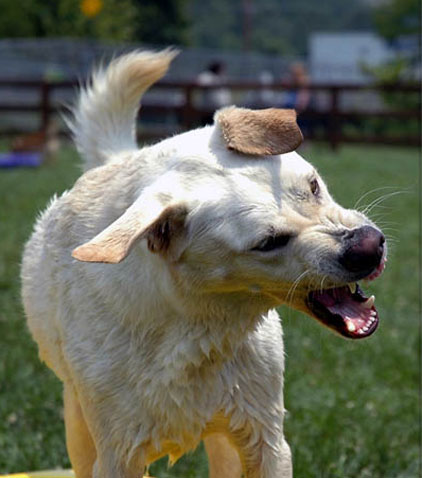
Image Source: leerburg.com
Deciphering Canine Communication: What “Dominance” Really Means
The term “dominance” has been heavily debated in canine behavior. While earlier theories focused on a strict, hierarchical pack structure, modern science suggests a more nuanced view. Instead of a constant “fight for the top spot,” dogs engage in social negotiations. When we observe behaviors we label as “dominant,” it’s often a dog trying to navigate their environment, seek resources, or communicate their needs and comfort levels.
Common Behaviors Misinterpreted as Dominance:
- Jumping up: A greeting behavior, not necessarily an attempt to dominate.
- Barking excessively: Can be due to anxiety, boredom, or alerting, not just asserting authority.
- Resource guarding: Protecting valuable items like food or toys, often rooted in insecurity.
- Leash pulling: Can be excitement, lack of training, or a desire to explore.
- Selective hearing: May stem from distraction, lack of clear cues, or not being motivated by the reward.
Fathoming Your Dog’s Motivation
To effectively address these behaviors, we need to move beyond the simple “dominance” label and look at the underlying causes. This involves careful observation and understanding of your dog’s individual personality and history. Dog behavior modification works best when we consider the “why” behind the action.
Key Principles for a Balanced Canine Companion
Achieving a calm and well-behaved dog is about building a strong, trusting relationship. It’s not about intimidation or force, but about clear communication and consistent guidance. This is where positive reinforcement for dogs plays a vital role.
Establishing Canine Leadership
Being a canine leadership figure means providing structure, guidance, and predictable rules. Your dog looks to you for cues on how to behave and what to expect. This doesn’t mean being a harsh dictator; it means being a benevolent leader who ensures safety and clarity.
The Power of Routine and Predictability
Dogs thrive on routine. Consistent feeding times, potty breaks, training sessions, and playtime create a sense of security. This predictability helps them understand their day and what is expected of them.
Clear Communication is Crucial
Dogs don’t speak our language. We need to learn theirs and communicate in ways they can understand. This involves consistent verbal cues, body language, and hand signals.
Effective Dog Training Techniques for a Well-Behaved Pet
Dog obedience training is the cornerstone of a well-behaved dog. It’s not just about teaching tricks; it’s about teaching your dog how to live harmoniously with you and your family.
Leveraging Positive Reinforcement for Dogs
Positive reinforcement for dogs is about rewarding desired behaviors. When your dog does something you like – sits when asked, walks calmly on a leash, refrains from jumping – you reward them with treats, praise, or a favorite toy. This makes the desired behavior more likely to happen again.
Benefits of Positive Reinforcement:
- Builds a strong bond between dog and owner.
- Increases the dog’s willingness to learn.
- Makes training enjoyable for both parties.
- Avoids fear and anxiety often associated with punishment-based methods.
Consistency in Training
This is paramount. Everyone in the household needs to be on the same page with commands, rules, and rewards. Inconsistency confuses dogs and makes training much harder.
Making Training Engaging and Fun
Keep training sessions short, varied, and rewarding. A bored dog is an unmotivated dog. Use different locations and incorporate games to keep your dog interested.
Practical Strategies for Correcting Unruly Dog Behavior
When specific behaviors arise that seem “dominant,” these dog training techniques can help redirect them. The aim is to teach your dog alternative, acceptable behaviors.
Addressing Jumping Up
Instead of pushing your dog off, turn away and ignore them when they jump. Only give them attention when all four paws are on the floor. You can also teach a “sit” command and reward them for sitting calmly when greeting people.
Managing Resource Guarding
This is a serious issue that can lead to preventing dog aggression. Never try to take away a guarded item directly if the dog is showing clear signs of aggression. Instead, focus on dog behavior modification that teaches them that resources are not something to be feared of losing. Trade-up exercises where you offer a higher-value item for what they have can be very effective.
Leash Manners and Pulling
A loose-leash walk is a learned behavior. Start by rewarding your dog for walking beside you with a loose leash. If they pull, stop walking. Only resume when the leash slackens. This teaches them that pulling stops forward movement.
Doorway Etiquette
Teach your dog to wait at doorways. Have them sit and wait for your permission to go through a door. This reinforces that you are the one setting the pace and controlling access.
Mealtime Manners
Feed your dog after you have eaten, or have them sit and wait before their food bowl is placed down. This subtly reinforces that resources are provided by you.
Building a Foundation of Confident Dog Ownership
Confident dog ownership comes from knowledge, practice, and a strong, positive relationship with your dog. It’s about feeling equipped to handle different situations and understanding your dog’s needs.
Recognizing Your Dog’s Limits
Every dog is an individual. Some breeds are naturally more boisterous, while others are more sensitive. Tailor your dog training techniques and expectations to your dog’s specific temperament and breed traits.
Socialization: A Key Component
Proper socialization from a young age is crucial. Exposing your puppy to various sights, sounds, people, and other well-behaved dogs in a positive way helps them develop into confident, well-adjusted adults. This can help in preventing dog aggression.
The Importance of Exercise and Mental Stimulation
A tired dog is a good dog! Adequate physical exercise and mental challenges (like puzzle toys or training games) are essential for preventing boredom and frustration, which can often manifest as problematic behaviors.
Advanced Dog Behavior Modification Strategies
For more complex issues or when you’re struggling to make progress, seeking professional help is highly recommended.
Professional Guidance
A certified professional dog trainer or a veterinary behaviorist can provide tailored advice and dog behavior modification plans. They have the expertise to diagnose the root causes of unwanted behaviors and implement effective strategies.
Understanding Body Language
Learning to read your dog’s subtle cues – ear position, tail wags, lip licking, yawning – is vital. These signals can tell you if your dog is stressed, anxious, happy, or fearful. This is part of dog obedience training that helps you anticipate problems.
Desensitization and Counter-Conditioning
For issues like resource guarding or fear-based reactivity, these techniques can be very effective. Desensitization involves gradually exposing your dog to a trigger at a low intensity, while counter-conditioning pairs the trigger with something positive (like treats).
Common Questions About Solving Dominance Issues in Dogs
Here are answers to frequently asked questions related to solving dominance issues in dogs.
FAQ
Q1: My dog growls when I go near their food. Is this dominance?
A1: Growling near food is typically resource guarding, which can stem from insecurity rather than a desire to dominate. It’s a serious behavior to address.
Q2: Can I use punishment to correct “dominant” behavior?
A2: Punishment-based methods are generally discouraged as they can create fear, anxiety, and potentially worsen aggression. Positive reinforcement for dogs is a more effective and humane approach for dog behavior modification.
Q3: How long does it take to fix these behaviors?
A3: The timeline varies greatly depending on the dog, the behavior, and the consistency of training. Some issues are resolved quickly, while others may take months of dedicated effort. Confident dog ownership involves patience.
Q4: My dog doesn’t listen to me unless I have a treat. Am I spoiling them?
A4: Not at all! This means your dog is motivated by positive rewards. As training progresses, you can gradually phase out treats in favor of praise or life rewards (like getting to go outside) to maintain desired behaviors. This is a hallmark of effective dog obedience training.
Q5: Is it okay for my dog to sleep on the bed with me?
A5: Yes, sleeping on the bed is generally not an indicator of dominance. It’s a sign of comfort and closeness. The key is how your dog behaves overall, not where they sleep.
Q6: What if my dog shows aggression towards other dogs?
A6: Aggression towards other dogs requires careful management and professional guidance. Focus on preventing dog aggression through early socialization and seeking expert help for existing issues. This falls under advanced dog behavior modification.
Q7: How do I stop my dog from jumping on guests?
A7: Have your dog sit when guests arrive. Reward them for staying seated. If they jump, have guests ignore them until all four paws are on the ground, then they can be greeted. This is a key aspect of correcting unruly dog behavior.
Q8: Is it true I should eat before my dog?
A8: While a historical belief, the order of eating is less important than consistent routines and clear leadership. Providing meals predictably and with polite manners (like waiting for a “sit”) is more impactful.
Q9: My dog pushes past me through doors. How do I stop this?
A9: Teach your dog to wait. Have them sit before you open the door, and only allow them to pass through when you give the cue. This reinforces you as the leader and helps with correcting unruly dog behavior.
Q10: Can I still have a strong bond if I’m the leader?
A10: Absolutely! True canine leadership is about trust, guidance, and security, not fear. A strong bond is built on mutual respect and clear communication, which are foundations of effective dog obedience training.
By implementing these dog training techniques and focusing on building a positive relationship, you can effectively address behaviors often mislabeled as dominance and cultivate a calm, happy, and well-behaved canine companion. Remember, patience, consistency, and a deep dive into dog behavior modification are your greatest tools for confident dog ownership.