
What do you do if your dog won’t come to you? When your dog ignores your calls, it can be incredibly frustrating and even dangerous. The good news is that with the right approach, you can teach your dog to reliably return to you. This article offers expert tips on how to catch a dog that won’t come to you, focusing on building a strong bond, effective training techniques, and managing challenging situations.
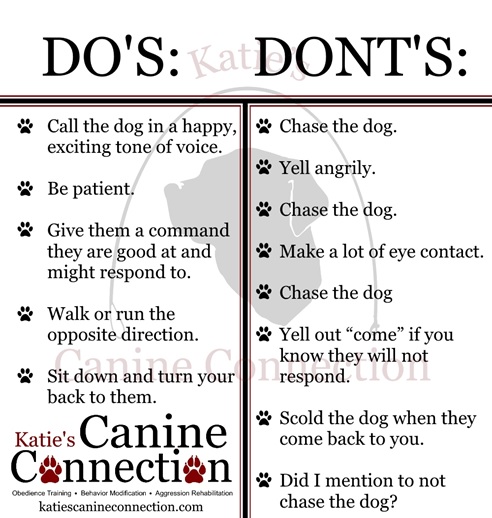
Image Source: petfbi.org
The Foundation: Building Trust and a Strong Bond
Before diving into specific recall commands, it’s crucial to establish a strong foundation of trust and a positive relationship with your dog. A dog that trusts you is more likely to listen and respond to your cues.
Grasping Your Dog’s Motivation
Every dog is an individual, and understanding what motivates your dog is key to successful training. Some dogs are highly food-driven, while others respond best to praise, toys, or even just a good scratch behind the ears.
- Identify High-Value Rewards: What does your dog go wild for? This could be tiny pieces of cooked chicken, cheese, a squeaky toy, or a game of tug. Reserve these “high-value” rewards specifically for training recall.
- Observe Body Language: Learn to read your dog’s cues. Are they excited, fearful, or distracted? This will help you tailor your approach.
Fostering Positive Interactions
Frequent, positive interactions build a bond. Make every encounter with your dog a positive one.
- Playtime: Engage in interactive games your dog enjoys. This strengthens your connection and associates you with fun.
- Affection: Offer gentle petting and praise when your dog is calm and relaxed. Avoid forcing affection if your dog seems hesitant.
- Consistent Routine: Dogs thrive on predictability. A consistent feeding, walking, and training schedule can reduce anxiety and build trust.
Mastering Recall Training: The Art of “Come”
Recall training is arguably the most important skill you can teach your dog. It’s not just about obedience; it’s about safety. A reliable recall can prevent your dog from running into traffic, getting lost, or encountering dangerous situations.
The “Come” Cue: Starting Simple
Begin training in a quiet, distraction-free environment. This allows your dog to focus on you and the reward.
Step-by-Step Recall Training
- Get Your Dog’s Attention: Say your dog’s name in a happy, inviting tone.
- Use the Cue: Once your dog looks at you, say “Come!” in a clear, enthusiastic voice.
- Reward Generously: When your dog moves towards you, praise them. The moment they reach you, give them their high-value reward and lots of praise.
- Avoid Punishment: Never call your dog to you for punishment. This will create a negative association with the “Come” cue. If they’ve done something wrong, go to them instead.
- Keep Sessions Short and Sweet: Aim for 5-10 minute training sessions multiple times a day. End on a positive note.
Encouraging Recall: Making it Irresistible
The goal is to make coming to you the most rewarding thing your dog can do.
Using Positive Reinforcement
Positive reinforcement is the cornerstone of effective dog training. It means rewarding desired behaviors to increase the likelihood they’ll happen again.
- Treats: Small, tasty treats are excellent motivators.
- Praise: Enthusiastic verbal praise like “Good boy!” or “Yes!” can be very rewarding.
- Toys: A quick game of fetch or tug can be a fantastic reward.
- Affection: A good scratch or cuddle can also be a reward for some dogs.
Clicker Training for Precision
Clicker training is a highly effective form of positive reinforcement. The clicker acts as a marker, precisely indicating the moment the dog performed the correct behavior.
- Charge the Clicker: Start by clicking the clicker and immediately giving your dog a treat. Do this several times. Your dog will learn that the click means a treat is coming.
- Mark and Reward: When your dog starts to move towards you after you say “Come,” click the clicker the instant they make that movement. Then, reward them when they reach you.
- Gradual Progression: As your dog becomes more reliable, you can start to phase out the clicker, relying more on verbal praise and treats.
Managing Distractions: The Next Level
Once your dog reliably comes to you in a quiet environment, it’s time to introduce distractions gradually.
Increasing Difficulty Levels
- Slightly Distracting Environments: Move to your backyard or a quiet park.
- Introduce Mild Distractions: Have a friend walk by at a distance, or play with a toy nearby.
- Increase Distance: Gradually increase the distance between you and your dog.
- Long Leash Practice: Use a long leash (15-30 feet) in a safe, open area. This gives your dog some freedom while ensuring you can maintain control if they ignore the recall.
Tackling the “Won’t Come” Dog: Specific Strategies
When your dog is determined to ignore your calls, it’s time to employ more specific tactics. This often involves deciphering why they aren’t coming and adjusting your approach.
Deciphering the “Why”
- Fear or Anxiety: If your dog seems scared of you or your reaction, they might be avoiding you. Ensure your approach is always calm and non-threatening.
- Overexcitement: Some dogs get so caught up in sniffing, playing, or chasing something that they’re just not paying attention.
- Lack of Value: If something else is more rewarding than returning to you, they’ll choose that.
- Past Negative Experiences: If they’ve been called to you for something unpleasant (bath, nail trim, going into a crate they dislike), they may associate your call with negativity.
Re-establishing the “Come” Cue
If your recall has broken down, you might need to “re-teach” the cue.
The “Super Come” Game
This is a fun way to rebuild your dog’s enthusiasm for returning to you.
- Choose a Partner: Have a friend or family member help.
- Start Close: Stand a short distance apart.
- Both Call: Both of you say “Come!” enthusiastically at the same time, opening your arms.
- Reward: Whoever the dog comes to first gets the praise and a high-value treat. Then, the other person calls.
- Increase Distance: Gradually move further apart.
- Make it Fun: Chase each other a little, make silly noises, and keep it lighthearted.
Leash Training and Management
For dogs who are prone to escaping or ignoring recall, leash training is paramount for safety.
The Importance of Leash Training
- Safety: Prevents running into traffic, getting lost, or encountering dangers.
- Control: Allows you to guide your dog and prevent unwanted behaviors.
- Building Focus: A leash helps keep your dog connected to you, especially in distracting environments.
Proper Leash Handling
- Loose Leash Walking: Teach your dog to walk on a loose leash without pulling.
- No Jerking: Avoid harsh tugs on the leash. If your dog pulls, stop moving until the leash slackens.
- Positive Association: Make the leash and collar a positive experience. Give treats when putting on the leash.
Dealing with Escape Artists and Reactive Dogs
Some dogs seem determined to explore the world independently. Managing these “escape artists” requires vigilance and a multi-faceted approach.
Fathoming Escape Tendencies
- Boredom: A dog that isn’t mentally or physically stimulated may try to find their own entertainment.
- Anxiety: Some dogs escape to flee from something that scares them.
- Curiosity: A strong desire to explore new scents and environments.
- Genetics: Certain breeds are known for their wandering instincts.
Strategies for Managing Escape Artists
- Secure Boundaries: Ensure fences are secure and gates are always latched.
- Supervision: Never leave an escape artist unsupervised in a yard.
- Enrichment: Provide plenty of mental and physical exercise. Puzzle toys, training sessions, and interactive play can tire them out.
- Leash Use: Always use a leash when outside of a securely fenced area, even for short potty breaks. Consider a martingale collar or a front-clip harness for added security.
- Recall Practice: Double down on your recall training. Make yourself the most exciting thing around.
When Your Dog is a “Management of Escape Artist” Scenario
If your dog is a serial escaper, your primary focus shifts to management while you continue to work on their recall and underlying issues.
Practical Management Techniques
- Double Leashing: In highly tempting situations, use a leash attached to a harness and another attached to a flat collar. This provides a backup if one slips.
- Secure Harnesses: Invest in a well-fitting, escape-proof harness.
- GPS Trackers: Consider a GPS tracker for your dog’s collar. This can offer peace of mind.
- Environmental Cues: If your dog bolts at the sound of the garage door, train them to go to a specific “place” (like a mat) before you open it.
When to Seek Professional Help
If you’ve tried various methods and are still struggling, or if your dog’s behavior is due to deep-seated fear or anxiety, it’s time to consult a professional.
Recognizing the Need for Support
- Aggression: If your dog displays aggression when you try to catch them.
- Extreme Fear: If your dog is severely fearful and anxious when called.
- Lack of Progress: If you’re not seeing any improvement despite consistent training.
- Safety Concerns: If your dog’s behavior poses a significant risk to themselves or others.
Finding a Qualified Professional
- Certified Professional Dog Trainer (CPDT-KA or CPDT-KSA): These trainers have passed rigorous exams on dog behavior and training.
- Veterinary Behaviorist (DACVB): For complex behavioral issues, especially those involving anxiety or aggression, a veterinary behaviorist can provide diagnosis and treatment plans.
- Positive Reinforcement Focus: Ensure any professional you choose uses humane, positive reinforcement-based methods. Avoid trainers who advocate for punishment or dominance-based techniques.
Frequently Asked Questions (FAQ)
Q: Why does my dog run away when I call them?
A: There are several reasons: they might be overstimulated by their environment, they haven’t been adequately trained with positive reinforcement for recall, they associate your recall with unpleasant events (like a bath), or they simply find something else more rewarding at that moment.
Q: Can I use my dog’s name to call them?
A: Yes, but use their name to get their attention first, and then use your recall cue (“Come!”). Avoid using their name in conjunction with negative experiences, as this can make them hesitant to respond to their name.
Q: How do I make recall training fun for my dog?
A: Use high-value treats, enthusiastic praise, and favorite toys. Incorporate games like “Super Come” or hide-and-seek. Keep training sessions short and end on a positive note to ensure your dog looks forward to your calls.
Q: My dog is a master escape artist. What’s the best way to prevent escapes?
A: Secure your fencing, always supervise your dog outdoors, provide ample mental and physical stimulation, and ensure you are using a reliable leash and harness when outside of a safe enclosure. Double leashing can be a useful management tool.
Q: When is it okay to chase my dog if they won’t come?
A: Generally, it’s best to avoid chasing your dog, as this can turn into a game of chase where they learn to evade you. Instead, try running away from your dog in the opposite direction, which can pique their curiosity and encourage them to follow you. If you must catch them, try to do so calmly and without alarm.
Q: How long does it take to train a reliable recall?
A: The time it takes varies greatly depending on the dog’s age, breed, past experiences, and the consistency of training. For some dogs, a reliable recall can be established in a few weeks, while for others, it may take several months of consistent practice and generalization across different environments. Patience and persistence are key.
Q: What is dog behavior modification?
A: Dog behavior modification is a process of changing a dog’s unwanted behaviors through training techniques and environmental management. It often involves positive reinforcement to teach new, desired behaviors that replace the problematic ones.
By focusing on building a strong bond, employing effective recall training strategies, and utilizing positive reinforcement, you can significantly improve your dog’s responsiveness. Remember, dog obedience is built on trust and clear communication. Be patient, consistent, and make coming to you the best thing your dog can do. For those dealing with a managing escape artist, vigilance and proactive measures are crucial. Encouraging recall is a journey, and with the right tools and approach, you can achieve a safe and reliable return from your canine companion. Whether using clicker training or other dog behaviour modification techniques, always prioritize your dog’s well-being and foster a positive relationship.