
Can you get dog pee smell out of tile? Yes, you can effectively remove dog pee and its lingering odors from tile floors with the right methods and products. Tile is a durable material, but it can still absorb liquids and odors if not cleaned promptly. This guide will walk you through everything you need to know to tackle dog urine on your tile floors, from immediate cleanup to deep cleaning and odor elimination.
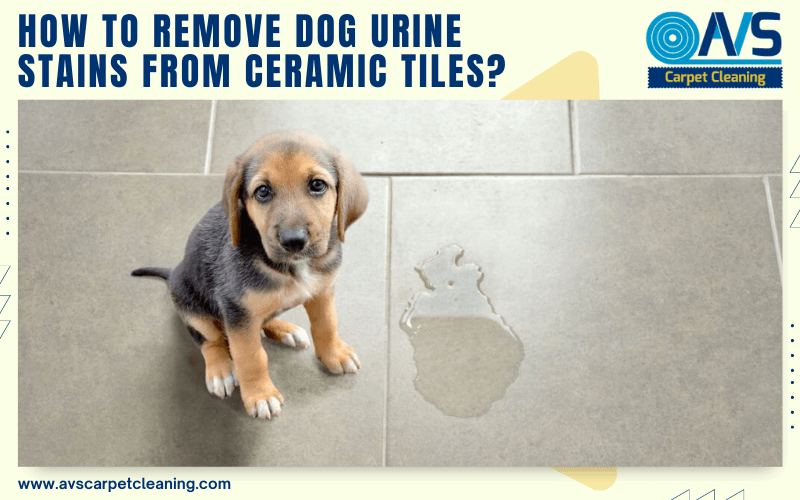
Image Source: avscarpetcleaning.com
Immediate Action: Blotting Up Fresh Accidents
When you discover a fresh puddle of dog pee on your tile, acting fast is crucial. The longer the urine sits, the more it can penetrate grout lines and potentially stain or damage the sealant on your tiles.
What You’ll Need:
- Paper towels or clean rags
- Disposable gloves (optional, but recommended)
Steps for Immediate Cleanup:
- Gather Your Supplies: Have plenty of absorbent paper towels or clean cloths ready.
- Put on Gloves: If you’re using them, put on your gloves before you start.
- Blot, Don’t Rub: Place paper towels or a clean cloth directly over the wet spot. Press down firmly to absorb as much liquid as possible. Continue to blot with fresh towels until the area is nearly dry. Avoid rubbing, as this can spread the urine and push it deeper into the grout.
- Dispose Properly: Safely dispose of the used paper towels or cloths.
Tackling Dried Stains and Odors
Once the initial liquid is absorbed, you’ll need to clean the area thoroughly to remove dog pee from tile and prevent lingering smells. Tile itself is generally non-porous, but grout can be a different story.
Cleaning Solutions for Tile Floors
There are several effective cleaning solutions you can use, ranging from DIY options to specialized products.
DIY Cleaning Solutions
These are great for immediate use and can be quite effective.
-
Vinegar Solution: White vinegar is a natural disinfectant and deodorizer.
- Recipe: Mix one part white vinegar with one part warm water.
- Application: Dampen a clean cloth with the solution and wipe the affected area. For tougher odors, you can let the solution sit for a few minutes before wiping.
- Important Note: While vinegar is generally safe for most tile, it’s always a good idea to test it on an inconspicuous spot first, especially if you have unsealed or natural stone tiles.
-
Baking Soda Paste: Baking soda is excellent at absorbing odors.
- Recipe: Mix baking soda with a small amount of water to create a paste.
- Application: Apply the paste directly to the stained area. Let it dry completely, then vacuum or sweep it up. This is particularly good for tackling dried-on spots.
Commercial Cleaning Products
When DIY solutions aren’t enough, or you need a more powerful approach, consider commercial cleaners.
-
Enzymatic Cleaners: These are often considered the best tile cleaner dog urine can be treated with. An enzymatic cleaner for tile contains active enzymes that break down the organic molecules in urine, effectively eliminating both the stain and the odor at its source.
- How they work: The enzymes literally digest the urine proteins, converting them into harmless substances like carbon dioxide and water.
- Application: Follow the product instructions carefully. Typically, you’ll saturate the stained area with the cleaner and allow it to air dry. This process can take several hours or even overnight to be fully effective.
- Where to find them: Look for pet-specific cleaning products at your local pet store or online retailers.
-
Pet Stain and Odor Removers: Many brands offer specialized products designed to disinfect tile dog urine. These often combine cleaning agents with deodorizers.
- What to look for: Opt for products specifically labeled for pet stains and odors. Some may also contain antimicrobial agents to disinfect tile dog urine.
Steps for Cleaning Dried Stains:
- Apply Your Chosen Cleaner: Whether it’s your DIY vinegar solution, baking soda paste, or a commercial cleaner, apply it generously to the affected area. For enzymatic cleaners, ensure you saturate the stain and surrounding grout.
- Let it Sit: Allow the cleaner to work. For DIY solutions, 5-10 minutes might be enough. For enzymatic cleaners, refer to the product label for recommended dwell times, which can be much longer.
- Scrub (If Necessary): If there’s a visible stain, gently scrub the area with a soft-bristled brush or an old toothbrush, paying attention to grout lines.
- Rinse Thoroughly: Wipe down the area with a clean, damp cloth to remove any residue from the cleaner.
- Dry the Area: Use a clean, dry cloth or allow the floor to air dry completely.
Deep Cleaning and Odor Elimination
Sometimes, even after cleaning visible spots, a faint dog pee smell out of tile can persist, especially if the urine has seeped into the grout. This is where deeper cleaning and specialized odor removal techniques come into play.
Addressing Grout Lines
Grout is porous and can absorb urine, making it a prime suspect for lingering odors.
Cleaning Dog Pee on Grout
-
Baking Soda and Hydrogen Peroxide Paste: This combination is a powerful cleaner and deodorizer for grout.
- Recipe: Mix baking soda with hydrogen peroxide to form a thick paste.
- Application: Apply the paste directly to the grout lines using an old toothbrush. Let it sit for about 15-30 minutes.
- Scrubbing: Gently scrub the grout lines with the toothbrush.
- Rinsing: Wipe clean with a damp cloth and ensure all paste is removed.
-
Oxygen Bleach: For stubborn stains and odors in grout, oxygen bleach can be effective. Always check the compatibility with your grout color first.
- Application: Mix according to product instructions. Apply to the grout lines with a brush. Let it sit for the recommended time, then scrub and rinse thoroughly.
-
Steam Cleaning: A steam cleaner can be an excellent way to disinfect tile dog urine has affected and to break down odors in grout. The heat and steam can kill bacteria and loosen dried-on residue.
- How to use: Go over the affected tile and grout lines slowly with the steam cleaner. Ensure you are using a tile-safe setting.
Tile Floor Pet Odor Removal
Beyond cleaning the immediate spot, you might need to address the overall tile floor pet odor removal.
-
Baking Soda: Sprinkle a generous amount of baking soda over the entire tile floor, especially in areas where your dog frequents or where accidents have occurred. Let it sit for several hours or overnight, then vacuum thoroughly. This will help absorb ambient odors.
-
Activated Charcoal: Similar to baking soda, activated charcoal is a powerful odor absorber. Place bowls of activated charcoal around the room or use charcoal odor-absorbing bags.
-
Air Purifiers: For persistent odors, an air purifier with a HEPA filter and an activated charcoal filter can significantly improve air quality and reduce lingering smells.
-
White Vinegar Bowls: Leave small bowls of white vinegar around the room overnight. Vinegar absorbs odors from the air. Remove the bowls in the morning.
Choosing the Right Dog Urine Tile Cleaner
When selecting a product, consider the type of tile you have and the severity of the issue.
Factors to Consider:
- Tile Material: For natural stone tiles (like marble or granite), avoid acidic cleaners like undiluted vinegar or harsh chemicals, as they can etch the surface. Opt for pH-neutral cleaners or specialized stone cleaners. Ceramic and porcelain tiles are generally more forgiving.
- Grout Type: Unsealed grout is more absorbent than sealed grout. You may need more intensive cleaning for unsealed grout.
- Odor Strength: For strong, persistent odors, enzymatic cleaners are usually the most effective.
Natural Dog Urine Remover Tile Options
If you prefer to avoid chemical cleaners, there are several natural dog urine remover tile options:
- White Vinegar: As mentioned, a diluted solution is effective.
- Baking Soda: Excellent for absorbing odors and light stains.
- Hydrogen Peroxide: A mild disinfectant and stain remover (test for colorfastness first).
- Lemon Juice: Can help neutralize odors and has mild bleaching properties (use with caution on darker tiles).
Preventing Future Accidents and Stains
Prevention is always better than cure. Implementing strategies to prevent future accidents can save you a lot of cleaning time and effort.
Training and Routine
- Consistent Potty Breaks: Ensure your dog has regular opportunities to go outside.
- Positive Reinforcement: Reward your dog for eliminating in the correct spot.
- Supervision: Keep a close eye on your dog, especially during the training phase or if they are prone to accidents.
- Cleanliness of Dog’s Area: Ensure your dog’s bedding and living areas are kept clean to discourage accidents.
Environmental Adjustments
- Access to Outdoors: Make sure your dog has easy access to their designated potty area.
- Pee Pads or Indoor Toilets: If indoor accidents are unavoidable, consider using pee pads or indoor dog toilets.
Frequently Asked Questions (FAQ)
Q1: Can I use bleach to clean dog pee from tile?
A1: While bleach can disinfect and lighten stains, it’s generally not recommended for pet urine. Bleach can sometimes react with urine to create toxic fumes, and its harshness can damage grout and tile finishes. It also doesn’t break down the odor-causing molecules as effectively as enzymatic cleaners.
Q2: How do I know if my grout is sealed?
A2: A simple test is to drip a small amount of water onto the grout. If the water beads up on the surface, the grout is likely sealed. If the water soaks in and darkens the grout, it is probably unsealed or the sealant has worn off.
Q3: My dog peed on my tile a week ago, and now I can smell it. What should I do?
A3: For older stains with lingering odors, you’ll need a more thorough approach. Start by thoroughly cleaning the spot with an enzymatic cleaner, ensuring it penetrates the grout. You may need to repeat the process. For ambient odor removal, use baking soda or activated charcoal around the house, and consider an air purifier.
Q4: What is the best tile cleaner dog urine residue?
A4: Enzymatic cleaners are widely considered the best for targeting dog urine residue. They break down the organic compounds that cause both stains and odors, effectively eliminating the problem at its source.
Q5: Can I use a carpet cleaner on tile floors for dog urine?
A5: Some carpet cleaners might be safe for tile, but it’s best to use products specifically designed for hard floors and pet stains. Carpet cleaners might leave a residue on tile that can make it slippery or attract dirt. Always check the product label.
Q6: How can I quickly remove dog pee from tile?
A6: For fresh accidents, blot up as much liquid as possible with paper towels. Then, clean the area with a solution of warm water and white vinegar or a specialized pet stain cleaner. Ensure you blot and rinse thoroughly.
Q7: My dog keeps peeing in the same spot on the tile. How do I stop this?
A7: This often indicates an issue with house training or a medical problem. First, ensure the area is thoroughly cleaned and deodorized with an enzymatic cleaner to eliminate the scent cue. Then, consult your veterinarian to rule out any health issues. If it’s a training issue, reinforce potty training with positive reinforcement and supervision. You might also consider temporarily blocking access to the area.
Summary Table of Cleaning Methods
| Method | Best For | Pros | Cons |
|---|---|---|---|
| Blotting | Fresh accidents | Quick, removes bulk liquid | Doesn’t clean stain or odor |
| Vinegar Solution | Mild stains/odors | Natural, deodorizing, inexpensive | May not be strong enough for set-in stains, can damage some natural stones |
| Baking Soda Paste | Dried stains, odor absorption | Natural, absorbs odors, good for grout | Can be messy, needs thorough removal |
| Enzymatic Cleaner | All dog urine stains & odors | Breaks down molecules, eliminates source of odor, very effective | Can be more expensive, requires dwell time |
| Oxygen Bleach | Stubborn grout stains & odors | Powerful cleaner and deodorizer | Test for colorfastness, can be harsh |
| Steam Cleaning | Deep cleaning, disinfection, odor removal | Kills bacteria, loosens residue, effective in grout | Requires specific equipment, use appropriate settings for tile |
| Activated Charcoal/Baking Soda (Air) | Ambient odor removal | Absorbs odors from the air | Doesn’t clean surfaces, requires replacement or vacuuming of baking soda |
By following these steps and choosing the right products, you can effectively clean dog pee from your tile floors and banish those unwelcome odors, leaving your home fresh and clean. Remember consistency in cleaning and training will help maintain a pristine living environment for both you and your furry friend.