
Can you clean dog poop off a couch? Yes, you absolutely can, and with the right approach, you can effectively remove both the mess and any lingering odors. Dealing with dog mess removal on upholstery can be a daunting task, but this guide will walk you through simple steps and expert stain removal techniques. Whether it’s a fresh accident or an old, set-in stain, we’ve got you covered. This comprehensive guide will help you tackle pet accident cleanup with confidence, ensuring your couch is fresh and odor-free.
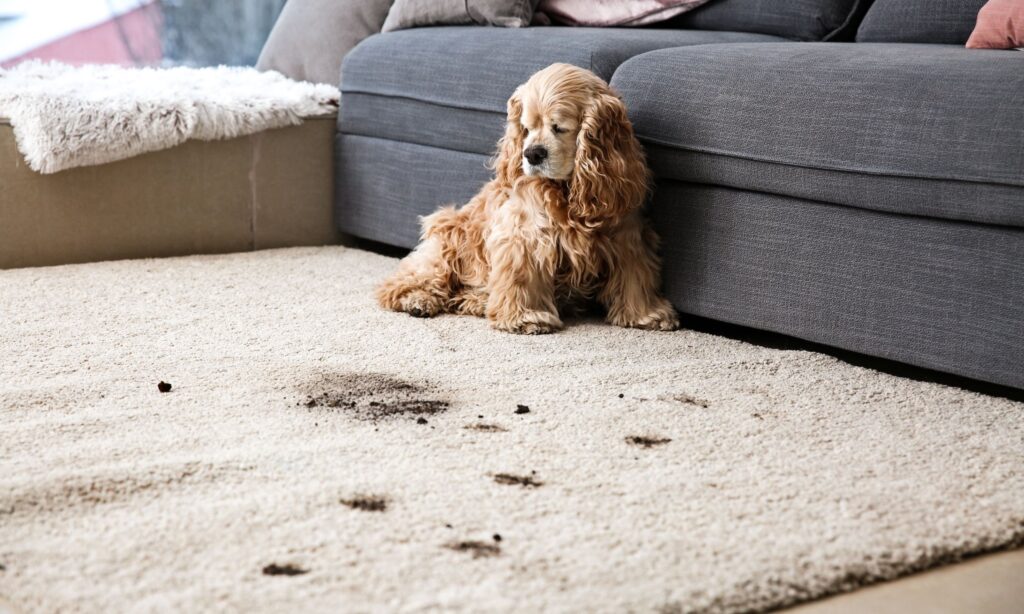
Image Source: www.dogingtonpost.com
Immediate Action: Tackling Fresh Messes
When you discover dog poop on your couch, the first and most crucial step is immediate action. The longer the mess sits, the harder it will be to remove, and the more likely it is to cause permanent stains or odors.
Gathering Your Supplies
Before you begin, assemble all the necessary items. Having everything ready will help you work efficiently.
- Paper towels or absorbent cloths: For initial cleanup.
- Gloves: To protect your hands.
- A plastic bag or dustpan and brush: For scooping.
- Bucket: For your cleaning solutions.
- Mild dish soap or laundry detergent: For a gentle cleaning solution.
- Water: Cool to lukewarm.
- Enzyme cleaner: Crucial for breaking down organic matter and odors.
- Old towels or rags: For blotting and drying.
- Optional: White vinegar or baking soda: For odor neutralization.
The Scooping Process
- Put on gloves. Your health and hygiene come first.
- Gently scoop up as much of the solid waste as possible. Use a plastic bag over your hand, a dustpan and brush, or sturdy paper towels. Avoid rubbing the mess deeper into the fabric.
- Dispose of the waste properly. Seal the bag and place it in an outdoor trash receptacle.
Initial Wiping and Blotting
Once the bulk of the mess is gone, it’s time for initial cleaning.
- Use clean paper towels or absorbent cloths. Dampen them slightly with cool water.
- Gently blot the affected area. Work from the outside of the stain inward to prevent spreading.
- Continue blotting with fresh sections of the towel until you’ve removed as much residue as possible. Avoid scrubbing, as this can push the mess deeper into the couch fibers.
Cleaning Solutions: Your Arsenal Against Stains and Odors
Choosing the right cleaning solution is key. For dog poop, you need something that can break down organic matter and neutralize odors effectively.
Why Enzyme Cleaners are Essential
Enzyme cleaners are specifically designed to break down organic stains and odors caused by pet accidents. They contain active enzymes that digest the proteins and waste products that cause smells and stains. This makes them a far more effective option than standard household cleaners for tackling pet mess removal.
- How they work: Enzymes essentially “eat” the organic material causing the stain and odor.
- Benefits: They neutralize odors at the source, rather than just masking them, and are generally safe for most upholstery fabrics when used as directed.
- What to look for: Choose a product specifically formulated for pet stains and odors. Many are labeled as “enzyme cleaner for dog urine” or “pet stain cleaner.”
DIY Cleaning Solutions: Natural Dog Poop Cleaner Options
While enzyme cleaners are highly recommended, natural alternatives can also be effective, especially for milder messes or as a pre-treatment.
- Mild Dish Soap Solution: Mix a small amount of mild dish soap (a few drops) with cool water. This can help lift surface residue.
- Vinegar Solution: Mix equal parts white vinegar and water. Vinegar is a natural disinfectant and deodorizer. However, always test this on an inconspicuous area first, as vinegar can sometimes affect dye.
- Baking Soda Paste: For lingering odors, a paste of baking soda and water can be applied after initial cleaning. Let it dry, then vacuum it up.
Choosing the Right Upholstery Cleaner Dog Products
When selecting a commercial upholstery cleaner dog product, look for the following:
- Enzyme-based formula: As mentioned, this is the most effective.
- Odor neutralizing properties: Some cleaners focus solely on scent, which isn’t ideal for deep cleaning.
- Fabric safety: Check the product label to ensure it’s safe for your couch material.
- Customer reviews: Look for products with positive feedback on dog mess removal.
Step-by-Step Cleaning Process
Now that you have your supplies and know your cleaning options, let’s get down to the actual cleaning process.
Step 1: Pre-Treating Stubborn Stains
If the stain has had a chance to set, pre-treatment is vital.
- Apply your chosen cleaner. For enzyme cleaners, follow the product instructions carefully. Usually, this involves saturating the stained area.
- Allow dwell time. Enzyme cleaners need time to work. This can range from 15 minutes to several hours, depending on the product and the severity of the stain.
- Blot gently. After the dwell time, blot the area with a clean cloth.
Step 2: Deep Cleaning the Affected Area
This is where you’ll tackle the actual stain.
- Prepare your cleaning solution. Whether it’s a commercial product or a DIY mix, ensure it’s ready.
- Apply the cleaner to a cloth, not directly to the couch. This gives you more control and prevents oversaturation.
- Gently blot the stain. Work from the outside in. As you lift the stain, switch to clean sections of the cloth or a fresh cloth.
- Rinse (if necessary). Some cleaners may require a rinse. If so, use a clean cloth dampened with plain water and blot the area. Again, avoid soaking the fabric.
Step 3: Dealing with Odors
Even after the stain is gone, odors can linger. This is where effective couch odor removal comes into play.
- Enzyme Cleaner’s Role: As mentioned, enzyme cleaners are the best at this. Ensure you use enough product to reach the source of the odor.
- Baking Soda: Sprinkle baking soda liberally over the damp (but not wet) area after cleaning. Let it sit for several hours or overnight. Then, vacuum it thoroughly. Baking soda absorbs odors effectively.
- White Vinegar: After the area has dried slightly, you can lightly mist it with a 1:1 solution of white vinegar and water. Let it air dry. The vinegar smell will dissipate as it dries, taking other odors with it.
Step 4: Rinsing and Blotting Dry
Thoroughly rinsing and drying is crucial to prevent residue buildup and potential water stains.
- Rinse the area. Use a clean cloth dampened with cool water to blot the cleaned spot. This removes any remaining cleaning solution.
- Blot thoroughly with dry towels. Press down firmly to absorb as much moisture as possible. You can even place a stack of dry towels on the area and weigh them down with something heavy for a few hours.
Step 5: Air Drying and Deodorizing
Allow the couch to air dry completely.
- Ventilation: Open windows or use a fan to speed up the drying process.
- Avoid Heat: Do not use a hairdryer on high heat, as this can set any remaining stain or odor.
- Lingering Smells: If any dog smell from sofa persists, you can repeat the baking soda treatment or use a fabric refresher specifically designed for pet odors.
Fabric Stain Remover Dog: Advanced Techniques
For tougher stains or different fabric types, you might need more advanced techniques or specific products.
Testing Fabric Suitability
Before applying any cleaner, always test it on an inconspicuous area of your couch. This could be the back, underside, or a hidden seam. Wait for it to dry and check for any discoloration, damage, or adverse reactions.
Tackling Different Fabric Types
- Microfiber: Microfiber is generally durable and easy to clean. Most upholstery cleaner dog products work well. For water-based stains, use a damp cloth with mild soap. For oil-based stains, rubbing alcohol can be effective (test first!).
- Leather: Leather requires specialized cleaners. For dog poop, gently wipe away solids and then use a leather cleaner and conditioner. Avoid harsh chemicals or excessive water.
- Cotton/Linen: These natural fibers can be more absorbent. Blotting is key. Enzyme cleaners are excellent. For cleaning dog vomit from couch on these fabrics, immediate action is even more critical.
- Suede/Velvet: These are delicate. Blot with a dry cloth first. For stains, use a specific suede or velvet cleaner, or consult a professional cleaner. You might also try a stiff brush after drying to restore the nap.
What If the Stain Remains?
If the stain or odor persists after your initial cleaning attempts, don’t despair.
- Repeat Treatment: You might need to repeat the enzyme cleaner treatment. Ensure you’re using enough product and allowing adequate dwell time.
- Professional Cleaning: For very stubborn stains or delicate fabrics, consider calling a professional upholstery cleaner. They have specialized equipment and cleaning solutions.
- Fabric Stain Remover Dog Options: Look for targeted fabric stain remover dog products designed for specific types of stains (e.g., protein-based, grease). Always follow instructions and test.
Preventing Future Accidents
Once your couch is clean, you’ll want to prevent future mishaps.
Training and Supervision
- Consistent Potty Training: Ensure your dog is reliably potty trained.
- Supervision: Keep an eye on your dog, especially when they are in areas where accidents have occurred.
- Positive Reinforcement: Reward good behavior.
Addressing Underlying Issues
- Dietary Changes: Sometimes, digestive upset can lead to accidents. Consult your vet if this is a recurring problem.
- Anxiety or Stress: Changes in routine or environment can cause anxiety, leading to accidents. Provide a secure and comfortable space for your dog.
- Medical Conditions: Certain medical conditions can cause incontinence. A vet check-up is advisable if you notice sudden changes.
Protective Measures
- Washable Covers: Invest in washable slipcovers for your couch. These can be easily removed and cleaned after any accidents.
- Waterproof Throws: Use waterproof throws or blankets in your dog’s favorite resting spots on the couch.
- Pet Gates: Use pet gates to limit your dog’s access to certain rooms or furniture when unsupervised.
Frequently Asked Questions (FAQ)
Here are some common questions people have when dealing with dog poop on their couch:
Q1: How quickly should I clean dog poop off the couch?
A1: As soon as possible! The longer it sits, the harder it is to remove and the greater the risk of staining and odor. Immediate action is key for effective pet accident cleanup.
Q2: Can I use bleach on my couch to clean dog poop?
A2: Generally, no. Bleach can damage and discolor most upholstery fabrics. It’s always best to use cleaners specifically designed for upholstery or gentler, natural alternatives.
Q3: My dog peed on the couch after the poop. How do I clean that?
A3: For urine, an enzyme cleaner for dog urine is essential. It breaks down the uric acid crystals that cause lingering odors. Follow the same blotting and cleaning steps as for poop, ensuring the enzyme cleaner saturates the area.
Q4: What is the best way to remove dog smell from sofa?
A4: The most effective method is using an enzyme cleaner to break down the odor-causing compounds. Baking soda is also excellent for absorbing residual smells. Proper ventilation and air drying are also important for couch odor removal.
Q5: Is there a natural dog poop cleaner that actually works?
A5: Yes, diluted white vinegar and baking soda can be effective, especially for initial cleaning and odor absorption. However, for deep cleaning and robust odor elimination, a dedicated enzyme cleaner is usually superior.
Q6: I have a stain from cleaning dog vomit from couch. What should I do?
A6: Similar to poop, immediate blotting is essential. Use an enzyme cleaner. For vomit, it’s important to remove as much solids as possible first. Then apply the enzyme cleaner, let it sit, and blot.
Q7: How do I choose a good fabric stain remover dog product?
A7: Look for products that are enzyme-based, specifically designed for pet stains, and safe for your upholstery type. Reading reviews can also help you find effective fabric stain remover dog solutions.
By following these steps and using the right products, you can successfully tackle dog mess removal and keep your couch looking and smelling fresh. Remember, patience and persistence are key!