
Yes, you can absolutely clean dog urine out of your couch! It’s a common problem for pet owners, but with the right approach, you can effectively remove both the stain and the lingering odor. This guide will walk you through the best methods and products to get your couch looking and smelling fresh again.
Dealing with dog urine on your couch can feel like a major setback, but don’t despair! This comprehensive guide will equip you with the knowledge and tools to tackle this messy situation head-on. We’ll cover everything from immediate action to deep cleaning, ensuring your couch is free from stains and that persistent pet odor.
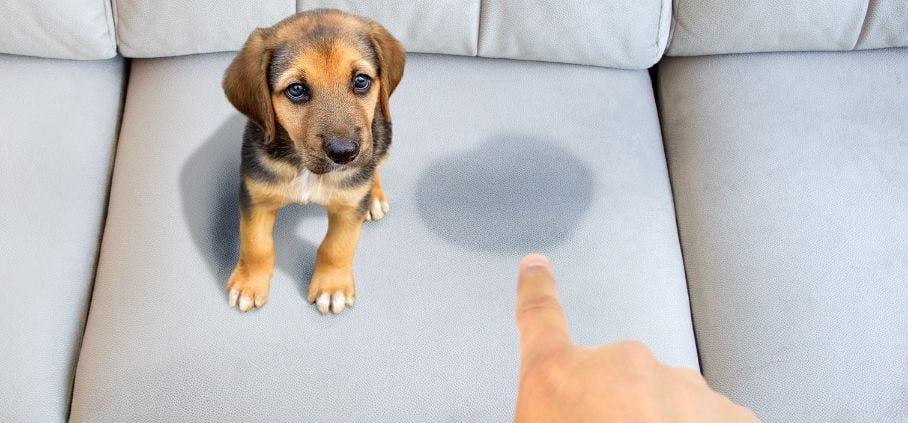
Image Source: fantasticservicesgroup.com.au
Immediate Action: The First Crucial Steps
When your furry friend has an accident on your couch, acting fast is key. The sooner you address the wet spot, the less likely it is to set into a permanent stain or deeply ingrained odor.
Blotting the Excess
- Gather your supplies: You’ll need clean, absorbent cloths or paper towels. White cloths are best so you can see how much urine you’re lifting.
- Blot, don’t rub: Gently press the cloths onto the wet area. Rubbing can push the urine deeper into the couch fibers and spread the stain.
- Change cloths frequently: As the cloths become saturated, switch to fresh ones. Continue blotting until no more moisture can be absorbed.
This initial step is vital for removing as much of the liquid as possible before it has a chance to soak in.
Why Immediate Action Matters
Pet urine contains uric acid crystals. When these crystals dry, they become very difficult to remove completely. If they aren’t broken down properly, they can reactivate with humidity, causing that tell-tale urine smell to reappear. Therefore, removing as much liquid as possible immediately is the first offensive against a lasting odor.
Choosing Your Cleaning Arsenal: What You Need
Before you start, make sure you have the right supplies. Using the wrong cleaning agents can sometimes make the problem worse by setting the stain or damaging your couch material.
Essential Cleaning Supplies
- Absorbent cloths or paper towels: For initial blotting.
- A good pet stain cleaner: Specifically designed for pet accidents.
- Enzyme cleaner: The secret weapon for tackling odor.
- White vinegar: A natural deodorizer and disinfectant.
- Baking soda: Excellent for absorbing odors.
- Spray bottles: For applying cleaning solutions.
- Water: For rinsing and diluting.
- Gloves: To protect your hands.
- Vacuum cleaner: For removing residue and baking soda.
Having these on hand will ensure you’re prepared for any scenario.
What to Avoid
- Ammonia-based cleaners: Urine contains ammonia. Using ammonia cleaners can actually attract your dog to pee in the same spot again because it smells familiar to them.
- Steam cleaners (initially): Heat can permanently set protein stains like urine, making them harder to remove. Wait until the area is thoroughly cleaned and treated.
- Harsh chemicals: Bleach or strong solvents can damage upholstery and discolor fabrics.
Always test any cleaning solution on an inconspicuous area of your couch first to ensure it doesn’t cause damage or discoloration.
Tackling the Stain: Step-by-Step Cleaning Methods
There are several effective ways to clean dog urine from your couch. The best method often depends on the type of upholstery and how long the urine has been there.
Method 1: The Vinegar and Baking Soda Approach
This is a popular DIY method that uses common household items. It’s effective for fresh and older stains.
Step 1: Blotting and Initial Treatment
- Blot thoroughly: As mentioned before, remove as much moisture as possible.
- Mix a vinegar solution: Combine equal parts white vinegar and cool water in a spray bottle.
- Spray the area: Lightly spray the vinegar solution onto the stained area.
- Blot again: Use clean cloths to blot up the vinegar solution. This helps to neutralize the ammonia in the urine.
Step 2: Baking Soda Power
- Sprinkle generously: Once the area is damp from the vinegar solution, generously sprinkle baking soda over the entire affected area. Baking soda is a fantastic natural deodorizer that absorbs moisture and odors.
- Let it work: Allow the baking soda to sit for at least several hours, or preferably overnight. The longer it sits, the more odor it will absorb.
- Vacuum thoroughly: After the baking soda has done its job, vacuum it up completely. Ensure you get all the powdery residue.
This combination is great for couch odor removal and lifting surface stains.
Method 2: The Enzyme Cleaner Solution
Enzyme cleaners are specifically formulated to break down the organic matter in pet urine, effectively eliminating both the stain and the odor at their source. This is often considered the best couch cleaner for pet stains.
Step 1: Application is Key
- Choose a quality pet stain cleaner: Look for products that specifically state they are “enzymatic” or “enzyme-based.”
- Saturate the area: Generously apply the enzyme cleaner to the stained area. It’s important to saturate not just the surface but also the padding underneath, as urine often seeps deep into cushions.
- Allow to penetrate: Let the cleaner sit for the time recommended on the product label. This allows the enzymes to work their magic.
Step 2: Drying and Odor Elimination
- Air dry: Allow the couch to air dry completely. Avoid using heat, as it can set any remaining odors or stains. You can place fans near the couch to speed up the drying process.
- Repeat if necessary: For stubborn stains or odors, you may need to repeat the enzyme cleaner application.
This is often the most effective method for how to clean dog urine out of couch, especially for preventing repeat offenses due to lingering smells.
Method 3: Combination Approach for Tough Stains
For older or more stubborn urine accidents, a combination of methods can be highly effective.
Step 1: Vinegar Treatment
- Blot excess urine: As always, start by blotting.
- Apply vinegar solution: Use the 1:1 vinegar and water solution, spraying and blotting as described in Method 1.
Step 2: Enzyme Cleaner Follow-up
- Apply enzyme cleaner: Once the vinegar has been blotted up and the area is slightly damp, liberally apply your enzyme cleaner.
- Follow product instructions: Ensure you allow the enzyme cleaner to work for the recommended duration.
- Air dry: Let the couch dry completely.
This layered approach helps break down the uric acid crystals first with vinegar and then completely eliminates the odor-causing bacteria with the enzyme cleaner.
Dealing with Odor: Beyond the Stain
Sometimes, even after the stain is gone, a faint urine smell can linger. This is where targeted odor removal comes in.
How to Remove Dog Urine Smell Effectively
- Enzyme cleaners are your best friend: As discussed, they are designed to break down the odor-causing compounds.
- Baking soda is a powerful absorber: A thick layer left overnight can significantly reduce lingering smells.
- Vinegar neutralizes odors: The acidity of vinegar helps to break down alkaline urine odors.
- Activated charcoal: Place bowls of activated charcoal near the affected area. It’s highly porous and excellent at absorbing odors from the air.
- Sunlight and fresh air: If possible, move the affected cushion outdoors on a sunny, breezy day. UV rays and fresh air can naturally help to eliminate odors.
Effective couch odor removal requires persistence and the right treatments.
Baking Soda Couch Treatment
If your couch has a general “doggy” smell or a faint urine odor that’s hard to pinpoint, you can use baking soda as a general deodorizer.
- Sprinkle liberally: Cover the entire couch, or at least the affected sections, with a generous layer of baking soda.
- Let it sit: Leave it for several hours, or overnight, to absorb odors.
- Vacuum thoroughly: Use a strong vacuum cleaner with an upholstery attachment to remove all the baking soda.
This is a simple yet effective way to refresh your entire couch and remove pet stain cleaner residue if any.
Upholstery Cleaning Specifics: Fabric Types Matter
The best approach for upholstery cleaning depends on the material of your couch. Always check the manufacturer’s care tag for specific cleaning instructions.
Fabric Compatibility Guide
| Upholstery Type | Suitable Cleaning Agents | Cautionary Notes |
|---|---|---|
| Cotton | Water-based solutions, mild detergents, vinegar, baking soda | Can shrink or fade easily. Avoid harsh chemicals. Blot thoroughly to prevent water rings. |
| Polyester | Water-based solutions, mild detergents, vinegar, baking soda | Generally durable. Can be prone to static cling. Enzyme cleaners are very effective. |
| Microfiber | Water-based solutions (if labeled “W”), enzyme cleaners | Check the tag. If it says “S” (solvent-based), use a dry-cleaning solvent. If “W” (water-based), water is fine. If “WS” or “X”, consult a professional. Avoid excessive water. |
| Leather | Leather cleaner, mild soap and water, enzyme cleaner (diluted) | Never use excessive water, ammonia, or abrasive cleaners. Test any cleaner in an inconspicuous area. Wipe down with a clean, damp cloth and then dry immediately with a soft towel. Use a leather conditioner afterward. |
| Suede/Velvet | Professional cleaning recommended, dry cleaning solvents | Highly sensitive to moisture. Water can cause permanent damage, staining, or texture changes. Stick to manufacturer recommendations or call a professional upholstery cleaner. |
Testing Your Cleaner
Before applying any cleaning solution to a visible area of your couch, always test it on a hidden spot, such as the back or underneath a cushion. Wait for it to dry and check for any adverse reactions like discoloration or fabric damage. This simple step can save your couch from irreparable harm.
Advanced Upholstery Cleaning Tips
Beyond the basic methods, here are some expert couch cleaning tips to ensure a thorough and safe clean.
Getting Deep into Cushions
If the urine has soaked into the cushion insert itself, it’s crucial to treat that as well.
- Remove the cushion cover: If possible, remove the cover for easier access.
- Treat the insert: Apply the enzyme cleaner directly to the cushion insert, saturating it thoroughly.
- Allow to dry: Let the insert dry completely in a well-ventilated area. Placing it in the sun can also help.
- Wash the cover: If the cover is washable, follow its care instructions. You can use an enzyme-based laundry detergent for the cover.
Dealing with Old, Set-In Stains
Older stains are tougher because the urine has had more time to bond with the fabric fibers and padding.
- Persistence is key: You may need multiple applications of enzyme cleaner.
- Consider a professional: For very old or large stains, or if you’re unsure about your couch material, professional upholstery cleaning might be the best option. They have specialized equipment and cleaning solutions.
The Role of Vinegar in Dog Urine Cleaning
Vinegar’s acetic acid is effective at neutralizing the alkaline salts found in urine. When diluted, it’s a safe and natural way to break down the odor-causing components. It’s a crucial step in preparing the area for an enzyme cleaner to work more effectively.
Preventing Future Accidents
The best way to deal with dog urine on the couch is to prevent it from happening in the first place.
House-Training Reinforcement
- Frequent potty breaks: Ensure your dog has plenty of opportunities to go outside.
- Positive reinforcement: Reward your dog when they eliminate outside.
- Supervision: Keep a close eye on your dog, especially after they’ve had an accident.
Identifying Causes
- Medical issues: Sudden accidents can sometimes indicate underlying health problems. Consult your veterinarian if this is a new behavior.
- Anxiety or stress: Changes in routine, new pets, or separation anxiety can lead to accidents.
- Incomplete house-training: Sometimes older dogs need a refresher course.
By addressing the root cause of the accidents, you can save your couch from future damage.
Frequently Asked Questions (FAQ)
Q: How long does it take for an enzyme cleaner to work?
A: Most enzyme cleaners require several hours to work, and for stubborn odors, they may need to be left on overnight or even for a few days. Always follow the specific product instructions.
Q: Can I use a carpet cleaner on my couch?
A: Some carpet cleaners are suitable for upholstery, but it’s essential to check the product label and your couch’s care tag. Many carpet cleaners are not formulated for the delicate fibers or dyes found in upholstery and could cause damage or discoloration. It’s best to use products specifically designed for upholstery or pet stains.
Q: My couch smells like urine, but I can’t find the stain. What should I do?
A: Urine can seep into the couch padding and be invisible on the surface. You can try using an enzyme cleaner over the entire suspected area and allowing it to air dry. Blacklights are also effective at detecting dried urine stains, as they often fluoresce under UV light.
Q: Is it safe to use a steam cleaner on dog urine stains?
A: It’s generally not recommended to use steam cleaners on fresh or untreated urine stains. The heat from the steam can permanently set the protein-based stain and the odor-causing compounds, making them nearly impossible to remove. Ensure the area is thoroughly treated with an enzyme cleaner first.
Q: How do I remove pet stains from a fabric that says “S” on the care tag?
A: If your couch fabric has an “S” code, it means it requires solvent-based cleaning. You will need to use a dry-cleaning solvent specifically designed for upholstery. Apply the solvent to a clean cloth and blot the stain gently. Avoid using water. If you are unsure, it’s best to contact a professional upholstery cleaner.
Q: Will baking soda and vinegar completely remove the urine smell?
A: Baking soda and vinegar are excellent for neutralizing and absorbing odors. While they can significantly reduce or eliminate smells, the most effective way to remove pet urine odor is with an enzyme cleaner, as it breaks down the odor-causing molecules at their source.
By following these detailed steps and using the recommended products, you can confidently tackle dog urine stains and odors, restoring your couch to its former glory. Remember patience and persistence are your allies in this common pet owner challenge!