
Can you defrost raw dog food in hot water? No, you should never use hot water to defrost raw dog food, as this can cook the meat and encourage bacterial growth. The best way to thaw raw food for your dog involves slow and steady methods that maintain food safety. This comprehensive guide will walk you through everything you need to know about defrosting raw dog food safely and properly, ensuring your canine companion receives nutritious meals without compromising their health.
Feeding your dog a raw food diet can be incredibly beneficial, providing them with a more natural and often more digestible source of nutrients. However, the logistics of preparing and serving this diet, especially when dealing with frozen ingredients, can seem daunting. One of the most critical aspects of raw feeding is the safe defrosting of frozen raw dog food. Improper thawing can lead to bacterial contamination, posing a serious risk to both your dog and your household. This guide will delve into the various safe defrosting methods, the science behind why these methods are crucial, and how to manage your dog’s raw food supply efficiently.
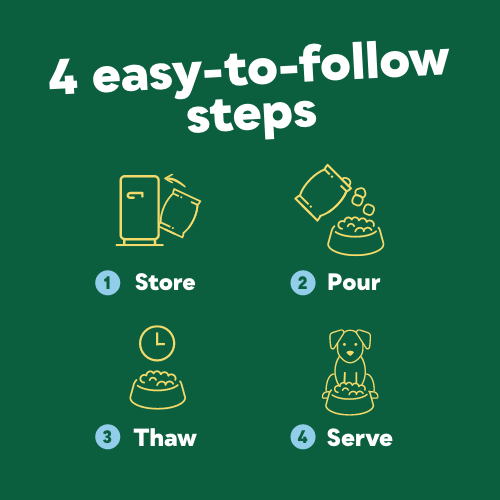
Image Source: www.naturesmenu.co.uk
The Importance of Safe Thawing for Raw Dog Food
When you’re thawing frozen dog food, particularly raw meat, you’re essentially bringing it from a frozen state, where bacterial growth is inhibited, to a temperature where bacteria can multiply. The “danger zone” for bacterial growth is between 40°F (4°C) and 140°F (60°C). The goal of safe thawing is to move the food through this temperature range as quickly and as little as possible.
Here’s why safe defrosting methods are paramount:
- Preventing Bacterial Growth: Raw meat can harbor bacteria like Salmonella, E. coli, and Listeria. While dogs have more robust digestive systems than humans, they can still become ill from these pathogens. Furthermore, these bacteria can cross-contaminate your kitchen surfaces, utensils, and even you.
- Maintaining Nutritional Integrity: Rapid thawing, especially using heat, can degrade certain nutrients in the food. Slow and controlled thawing helps preserve the quality and nutritional value of the raw meal.
- Ensuring Palatability: Food that has been improperly thawed might have an unappealing texture or odor, which can affect your dog’s willingness to eat it.
What Happens When Raw Food Isn’t Thawed Safely?
- Foodborne Illness: The most significant risk is food poisoning for your dog. Symptoms can range from mild gastrointestinal upset (vomiting, diarrhea) to severe infections requiring veterinary attention.
- Cross-Contamination: Bacteria from the raw food can spread to other foods in your refrigerator or on your countertops, potentially sickening humans as well.
- Reduced Food Quality: Overheating or prolonged exposure to room temperature can alter the texture and taste of the food.
Best Practices for Thawing Frozen Raw Dog Food
The general principle for defrosting raw meat for dogs is to keep it cold or bring it to room temperature quickly in a safe manner. The most recommended methods focus on maintaining a low temperature throughout the thawing process.
Method 1: Refrigerator Thawing (The Safest Method)
This is widely considered the best way to thaw raw food for dogs due to its inherent safety. It keeps the food within a safe temperature range.
How it works:
- Portioning: Divide your raw dog food into individual meal portions before freezing. This makes thawing and serving much easier and prevents you from needing to thaw a large batch repeatedly.
- Placement: Transfer the frozen portion from the freezer into a clean, airtight container or a sealed bag. Place this container or bag on the bottom shelf of your refrigerator. This is crucial to prevent any potential leaks from dripping onto other food items.
- Time: Allow ample time for the food to thaw. The duration depends on the size of the portion and the temperature of your refrigerator, but typically takes 24 to 48 hours. For larger portions, it can take even longer.
- Serving: Once fully thawed, the food can be served immediately. It can be kept in the refrigerator for an additional 1-2 days before serving.
Pros:
- Extremely safe, minimizes bacterial growth.
- Preserves nutritional quality and texture.
- Convenient for planning meals.
Cons:
- Requires significant advance planning (you need to remember to move the food from the freezer).
- Can be challenging if you forget to plan ahead.
Method 2: Cold Water Thawing (For Faster Thawing)
If you need to thaw food more quickly than refrigerator thawing allows, the cold water method is a safe alternative, provided it’s done correctly.
How it works:
- Packaging: Ensure the raw dog food is in a leak-proof, airtight bag or container. Double-bagging is a good practice.
- Submersion: Place the sealed food package into a large bowl or sink.
- Cold Water: Fill the bowl or sink with cold tap water. Never use warm or hot water.
- Water Changes: You will need to change the water every 30 minutes to ensure it remains cold and continues to facilitate thawing. This is critical for safety.
- Time: This method is significantly faster than refrigerator thawing, typically taking 1 to 3 hours for smaller portions, depending on the size and how cold the water stays.
- Serving: Once thawed, serve immediately. Do not refreeze food that has been thawed in cold water.
Pros:
- Faster than refrigerator thawing.
- Still considered safe if done correctly.
Cons:
- Requires constant monitoring and water changes.
- Higher risk of temperature fluctuation if not managed carefully.
- Food must be cooked or refrigerated immediately after thawing.
Method 3: Microwave Thawing (Use with Extreme Caution)
While some sources suggest microwave thawing, it’s generally not recommended for defrosting raw meat for dogs due to the high risk of uneven thawing and partially cooking the food. If you absolutely must use a microwave, extreme caution is necessary.
How it works (if you choose to do this):
- Use Defrost Setting: Utilize the microwave’s dedicated defrost setting, which uses lower power to minimize cooking.
- Short Intervals: Thaw in very short bursts, checking and turning the food frequently.
- Uneven Cooking: Be aware that even on defrost, parts of the food might start to cook, which is undesirable.
- Immediate Cooking/Serving: The food must be cooked or served immediately after microwave thawing, as the partial cooking can create ideal conditions for bacterial growth in the warmer parts.
Pros:
- Fastest method available.
Cons:
- High risk of partially cooking the food, destroying nutrients and making it unsafe.
- Difficult to control temperature, leading to potential bacterial growth.
- Not recommended for raw feeding enthusiasts.
Thawing Other Forms of Raw Dog Food
While raw meat is the most common frozen component, raw dog food diets can also include other ingredients.
Thawing Frozen Raw Kibble
Some brands offer freeze-dried or raw kibble that needs to be rehydrated.
How it works:
- Follow Package Directions: Most freeze-dried or raw kibble comes with specific instructions for rehydration.
- Add Water: Typically, you’ll add a specified amount of warm (not hot) water to the kibble.
- Let Sit: Allow the kibble to sit for a few minutes to absorb the water and rehydrate.
- Serve: Serve the rehydrated kibble to your dog.
Important Note: While not “defrosting” in the same sense as raw meat, rehydrating freeze-dried food involves adding moisture to a dry product. Ensure you use clean, fresh water.
Thawing Frozen Wet Dog Food (Commercial Pouches/Cans)
If you purchase commercial wet dog food that comes frozen or is stored frozen for convenience:
How it works:
- Refrigerator Thawing: The safest method is to transfer the frozen pouch or can to the refrigerator and let it thaw slowly, similar to raw meat.
- Cold Water Bath: If time is short, you can submerge the sealed pouch or can in a bowl of cold water, changing the water as needed.
- Avoid Direct Heat: Never use a microwave or stovetop to heat frozen wet dog food, as this can create hot spots and damage the food’s quality.
Speed Thawing Raw Dog Food Safely
When you need to speed thawing raw dog food, the cold water method is your best bet, but it requires vigilance.
- Secure Packaging is Key: Ensure the food is in a truly leak-proof, airtight bag. Consider a double-bagging system for extra security.
- Constant Cold Water: The water temperature is critical. If the water warms up significantly, the outer layers of the food will enter the danger zone. Changing the water every 30 minutes is non-negotiable.
- Monitor Temperature: If you have a food thermometer, you can periodically check the water temperature to ensure it stays below 70°F (21°C).
Why speed thawing can be risky:
The faster you try to thaw food, the harder it is to control the temperature. The outer layers of the food will thaw much faster than the inner layers. If the outer layers reach the danger zone for too long while the inside is still frozen, bacteria that may be present on the surface can multiply. This is why speed thawing raw dog food needs more attention than simply leaving it on the counter.
How Long to Defrost Dog Food
The time it takes to defrost raw dog food varies greatly depending on several factors:
- Size of the Portion: A single meal portion will thaw much faster than a large block of meat.
- Initial Temperature: Food that is frozen solid will take longer than food that is already partially thawed.
- Thawing Method: Refrigerator thawing takes the longest, while cold water thawing is faster, and microwave thawing is the quickest (but least recommended).
- Ambient Temperature: The temperature of your refrigerator or the room will also play a role.
General Timeframes:
- Refrigerator:
- Small portion (e.g., 1 lb): 24 hours
- Large portion (e.g., 5 lbs): 48-72 hours
- Cold Water:
- Small portion (e.g., 1 lb): 1-3 hours (with water changes)
- Microwave (Defrost Setting):
- Minutes, but highly variable and not recommended.
It’s always better to err on the side of caution. If you’re unsure if a portion is fully thawed, give it more time.
Thawing Pet Food from Frozen: General Safety Tips
Whether you are thawing frozen wet dog food or raw meat, the following safety principles apply to all thawing pet food from frozen:
- Never Thaw at Room Temperature: Leaving raw food on the counter to thaw is the most dangerous practice. This allows bacteria to multiply rapidly in the “danger zone.”
- Avoid Hot Water: As mentioned, hot water cooks the food and is a breeding ground for bacteria.
- Cleanliness is Crucial: Always wash your hands, all surfaces, utensils, and bowls that come into contact with raw food thoroughly with hot, soapy water.
- Don’t Refreeze: Once raw food has been thawed (especially using cold water or microwave methods), do not refreeze it. This can compromise its quality and safety.
- Inspect the Food: Before serving, always check the smell and appearance of the thawed food. If it smells off or looks unusual, discard it.
- Store Properly: Keep thawed raw food in an airtight container on the bottom shelf of your refrigerator.
Managing Your Raw Dog Food Supply
Effective management of your raw dog food inventory is key to ensuring you always have safely thawed food available.
Batch Preparation and Freezing
- Portion Control: When you receive or prepare a large batch of raw food, portion it out immediately into individual meal sizes. This makes thawing frozen raw kibble or meat portions much simpler.
- Airtight Packaging: Use high-quality freezer bags or vacuum-sealed bags to prevent freezer burn and contamination. Label each bag with the date it was frozen.
- First-In, First-Out: Implement a “first-in, first-out” (FIFO) system for your frozen food. Use the oldest portions first to ensure freshness.
Rotating Your Frozen Stock
Keeping track of what you have and when it was frozen is essential.
- Labeling System: Clearly label all frozen portions with the date. This helps you manage inventory and ensures you’re using older food before newer food.
- Inventory Log: For larger operations, consider keeping a simple inventory log of what you have in your freezer, including the type of food and the date it was frozen.
What About Thawing Frozen Raw Kibble vs. Raw Meat?
While the principle of keeping food cold applies to both, the texture and moisture content differ.
- Raw Meat: Contains higher moisture and is denser. It requires more time to thaw and is more susceptible to bacterial growth on its surface if not kept cold.
- Raw Kibble/Freeze-Dried: This is typically dehydrated or freeze-dried, meaning it has very low moisture content when frozen. Rehydrating it is usually a quick process of adding water. The main concern here is the water used for rehydration being clean.
Common Questions About Defrosting Raw Dog Food
Here are answers to frequently asked questions regarding how to defrost raw dog food safely.
Can I leave raw dog food out to thaw?
No, you should never leave raw dog food out at room temperature to thaw. This is the most unsafe method and can lead to rapid bacterial growth.
What is the best temperature to store raw dog food after thawing?
After thawing, raw dog food should be stored in the refrigerator at or below 40°F (4°C).
How long can thawed raw dog food last in the refrigerator?
Once fully thawed, raw dog food should ideally be fed within 1-2 days. It’s best to err on the side of caution.
Can I refreeze raw dog food after thawing it?
It is not recommended to refreeze raw dog food once it has thawed, especially if it was thawed using methods other than slow refrigerator thawing, as this can compromise food safety and quality.
Is it safe to feed my dog slightly thawed food?
Yes, it is generally safe to feed your dog food that is still slightly frozen in the center, as long as it was thawed using safe methods. Some dogs even prefer their food slightly chilled.
What if my dog eats raw food that wasn’t thawed properly?
Monitor your dog closely for any signs of illness, such as vomiting, diarrhea, lethargy, or loss of appetite. If you notice any of these symptoms, contact your veterinarian immediately.
What is the best way to thaw frozen wet dog food?
The safest method for thawing frozen wet dog food is slow thawing in the refrigerator. A cold water bath is an acceptable alternative if time is a concern, but it must be done correctly.
How do I know if my raw dog food has gone bad?
Spoiled raw dog food will typically have a foul odor, a slimy texture, or unusual discoloration. If in doubt, throw it out.
Conclusion
Mastering the art of defrosting raw dog food safely and properly is a cornerstone of successful raw feeding. By adhering to safe thawing methods like refrigerator thawing and cautious cold water thawing, you significantly reduce the risk of bacterial contamination and ensure your dog receives wholesome, nutritious meals. Always prioritize cleanliness, advance planning, and a thorough understanding of the “danger zone” for food safety. With these practices in place, you can confidently provide your canine companion with the many benefits of a raw food diet. Remember that thawing frozen raw kibble and other forms of pet food follow similar safety principles – keeping it cold and clean.