
What is force fetching a dog? Force fetching is a specialized retrieve training technique that teaches a dog to pick up and hold an object, like a dumbbell, and bring it back to the handler. This guide will walk you through the process step-by-step, focusing on positive reinforcement retrieving methods to build a strong retrieve command.
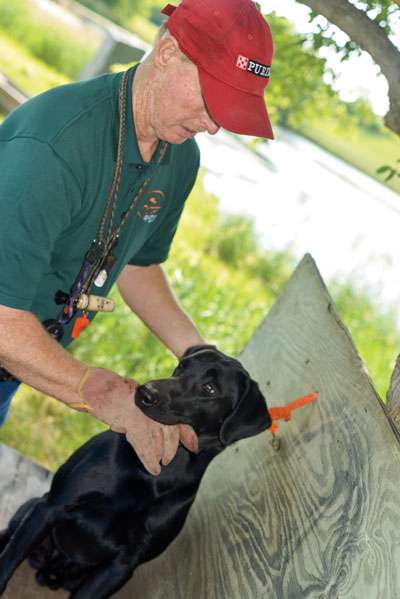
Image Source: www.wildfowlmag.com
Building a Solid Foundation for Fetching
Before diving into force fetching, it’s crucial to have a solid foundation in basic obedience and a strong bond with your dog. This ensures they are receptive to training and understand your cues. A dog with a high toy drive often excels at fetching games.
The Importance of a Strong Retrieve Command
A reliable retrieve command is the cornerstone of many dog sports and activities, from field trials to simple backyard fun. Teaching your dog to consistently bring back an object when asked is not just about retrieving; it builds confidence, focus, and a partnership between you and your canine companion. This skill is foundational for advanced training and can even be vital for working dogs who need to retrieve items reliably.
Preparing Your Dog for Retrieve Training
- Assess Your Dog’s Interest: Does your dog naturally enjoy chasing and picking up toys? This inherent toy drive is a great starting point.
- Build a Positive Association with Toys: Make playtime exciting! Use enthusiastic praise and rewards when your dog engages with toys.
- Introduce the “Take It” Command: Before the retrieve, teach your dog to take an object from your hand. Offer a toy, say “Take it,” and reward when they gently grasp it.
- Develop the “Hold” Command: Once they are taking objects, progress to a “Hold” command. Have them take the toy, then say “Hold” and reward them for keeping it in their mouth for a few seconds. Gradually increase the duration.
Essential Equipment for Force Fetching
You’ll need a few key pieces of equipment to effectively teach force fetching. Using the right tools makes the process smoother and safer for both you and your dog.
- Dumbbells: Start with a soft, lightweight dumbbell designed for dogs. As your dog progresses, you can move to heavier or firmer ones. Ensure the dumbbell is appropriately sized for your dog’s mouth to prevent injury.
- Leash: A standard 6-foot leash is perfect for controlled training sessions.
- Treats: High-value, small, and easily digestible treats are essential for rewarding desired behaviors.
- Clicker (Optional): A clicker can be a useful tool for precise marker training, indicating the exact moment your dog performs the correct action.
Step-by-Step Guide to Force Fetching
Force fetching is a systematic process. Patience and consistency are key. Remember to keep sessions short and fun, especially in the beginning.
Stage 1: The Initial Grasp and Hold
The first step is to get your dog to willingly pick up and hold the dumbbell. This builds on the “Take It” and “Hold” commands you’ve already introduced.
- Present the Dumbbell: Hold the dumbbell out to your dog, encouraging them to take it. Use a cheerful tone.
- Encourage “Take It”: As soon as your dog shows interest, say “Take it!”
- Reward the Grasp: The moment your dog’s mouth touches the dumbbell, click (if using a clicker) and offer a treat.
- Develop the Hold: Once they are reliably taking it, wait for them to hold it for just a second or two before marking and rewarding. Gradually increase the duration of the hold.
- Gentle Pressure: If your dog is hesitant, you can apply very gentle pressure to the dumbbell, encouraging them to grip it. Immediately reward any response. Avoid forcing their mouth open.
Stage 2: Introducing the “Fetch” Command and Movement
Once your dog reliably takes and holds the dumbbell, you can start adding the “Fetch” command and encouraging them to move with it.
- Say “Fetch”: With the dumbbell in their mouth, say “Fetch!” in an encouraging tone.
- Reward for Holding: Mark and reward them for holding the dumbbell as you say the command.
- Small Movements: Take a step back and encourage your dog to follow you. If they move with the dumbbell, praise them.
- Positive Reinforcement Retrieving: Reward any movement towards you while holding the dumbbell. The goal is to associate the command with positive outcomes.
- Short Distances: Start by tossing the dumbbell a very short distance (just a few feet).
Stage 3: Retrieving the Dumbbell
This is where you teach your dog to pick up the dumbbell independently and bring it back.
- Place the Dumbbell: Place the dumbbell on the ground in front of your dog.
- Give the Command: Say “Fetch!”
- Encourage Pick-Up: If your dog hesitates, gently tap the dumbbell or encourage them to take it. You can also use a bit of enticing movement with the dumbbell.
- Reward the Pick-Up: The moment they pick up the dumbbell, mark and reward.
- The Return: Once they have the dumbbell, use your recall training skills. Use an enthusiastic tone and your recall command, like “Come!”
- Reward the Return: As they move towards you with the dumbbell, praise them. When they reach you, mark and reward generously.
Stage 4: The “Drop It” Command
A crucial part of retrieving is teaching your dog to release the dumbbell on command. This is often referred to as “dropping the retrieve.”
- Hold Another Treat: When your dog brings the dumbbell back, hold a high-value treat near their nose.
- Say “Drop It”: As they smell the treat, say “Drop it!”
- Reward the Release: The moment they release the dumbbell to take the treat, mark and reward.
- Gradual Transition: Over time, you can reduce the reliance on the treat to get the release. They will start to associate “Drop it” with giving up the object for a reward.
- Practice: Practice this command frequently, even when not force fetching, to ensure a reliable release.
Stage 5: Adding Distance and Duration
As your dog becomes more proficient, you can gradually increase the distance you throw the dumbbell and the amount of time they are expected to hold it.
- Increase Throw Distance: Slowly increase the distance you toss the dumbbell.
- Increase Hold Time: Before rewarding the return, ask your dog to “Hold” for a slightly longer period.
- Vary Locations: Practice in different environments to generalize the command.
Advanced Retrieve Training Techniques
Once the basics are solid, you can refine your dog’s retrieving skills.
Dumbbell Training Dog Refinements
- Introducing Different Dumbbells: Once your dog is comfortable with one dumbbell, introduce slightly different ones in terms of weight, material, and size.
- “Steady” Command: For some disciplines, teaching your dog to wait for the “Fetch” command after the dumbbell is thrown is important. This is called being “steady.” Start by placing the dumbbell, saying “Fetch,” and rewarding. Gradually increase the time between placing and commanding.
Strengthening the Toy Drive Dog
- Jackpot Rewards: For dogs with a very high toy drive, a “jackpot” of multiple treats or a favorite toy can be a powerful motivator.
- Puzzle Toys: Incorporate puzzle toys that dispense treats to keep their minds engaged and their motivation high.
Puppy Fetch Training Considerations
- Keep it Fun and Short: Puppy attention spans are short. Keep sessions brief, positive, and focused on enjoyment.
- Soft, Safe Toys: Use toys that are soft and safe for young mouths. Avoid objects that could be easily broken or chewed into small pieces.
- No Force: For puppies, focus purely on positive reinforcement retrieving. Avoid any pressure or force. The goal is to build a love for the game.
- Build the Hold: Emphasize the “Hold” command with very small, tasty rewards to build confidence.
Common Challenges and Solutions in Force Fetching
Even with the best intentions, you might encounter some hurdles. Here are common issues and how to address them.
My Dog Won’t Pick Up the Dumbbell
- Problem: Hesitation or refusal to take the dumbbell.
- Solution:
- Go Back to Basics: Ensure the “Take It” and “Hold” commands are very strong.
- Use Higher Value Rewards: Find a treat or toy that your dog finds irresistible.
- Make the Dumbbell Appealing: Rub a small amount of peanut butter or a dog-safe treat on the dumbbell.
- Check the Dumbbell: Is it too heavy, too large, or uncomfortable for your dog?
- Positive Association: Ensure all interactions with the dumbbell are positive and rewarding.
My Dog Takes the Dumbbell but Drops It Immediately
- Problem: The dog grabs the dumbbell but lets go before you can reward.
- Solution:
- Reward for Any Contact: Initially, reward for even touching the dumbbell.
- Gradually Increase Hold Time: Slowly increase the duration you expect them to hold it before rewarding.
- “Hold” Command Strength: Reinforce the “Hold” command separately.
- Identify the Trigger: Are they dropping it because they want the treat, or are they uncomfortable holding it?
My Dog Won’t Bring the Dumbbell Back
- Problem: The dog picks up the dumbbell but runs away or chews it.
- Solution:
- Reinforce Recall: Strengthen your dog’s recall training. Practice recall frequently without the dumbbell.
- Use a Long Line: A long leash can help you guide your dog back when they are hesitant to return.
- Make Coming Back More Rewarding: Use enthusiastic praise and higher-value rewards when they do come back.
- “Drop It” Practice: Ensure the “Drop It” command is very clear. If they are reluctant to give it up, they might not want to bring it.
- Avoid Chasing: Don’t chase your dog if they run off with the dumbbell. This can turn it into a game of keep-away. Instead, call them and reward them for coming to you.
My Dog is Mouthy or Rough with the Dumbbell
- Problem: The dog clamps down too hard or chews the dumbbell.
- Solution:
- Emphasize Gentle Handling: Reward soft mouth behavior. If they are too rough, withdraw the reward and try again.
- “Easy” or “Gentle” Command: You can introduce a “Gentle” command when they are taking treats or toys to encourage softer mouth action.
- Dumbbell Material: Some materials might encourage chewing more than others. Experiment with different types.
When to Seek Professional Help
If you are consistently struggling or your dog is showing signs of stress or fear, it’s always best to consult with a qualified professional dog trainer. They can assess your dog’s behavior and provide tailored guidance. Look for trainers who use positive reinforcement methods and have experience with retrieve training.
Frequently Asked Questions (FAQ)
Can I force fetch train any dog?
While most dogs can be trained to retrieve, the “force fetch” method is generally more suited for dogs intended for specific working roles (like hunting or field trials) where a high level of obedience and retrieve precision is paramount. For the average pet owner, focusing on positive reinforcement retrieving games is often more enjoyable and just as effective for building a strong retrieve command and a happy dog.
How long does it take to force fetch a dog?
The timeline varies greatly depending on the dog’s age, breed, individual temperament, previous training, and the consistency of your training sessions. For some dogs, it can take a few weeks; for others, it might take several months to master. Patience and consistency are more important than speed.
Is force fetching cruel?
When done correctly with positive reinforcement and without excessive pressure, force fetching is not cruel. It’s a structured training method that builds a dog’s confidence and competence. However, if done with harsh methods or causing distress, it can be detrimental. The focus should always be on making the process a positive learning experience.
What’s the difference between force fetching and regular fetch?
Regular fetch is a game where the dog is encouraged to chase, pick up, and return an object, often with a focus on fun and play. Force fetching is a more structured training technique designed to instill a precise and obedient retrieve, often starting with guiding the dog to pick up and hold an object, and progressing to a reliable return on command, regardless of distractions. It emphasizes control and precision over just the joy of the game.
When is the best age to start retrieve training?
You can start basic retrieve training, like encouraging interest in toys and teaching “Take It,” with puppies as young as 8-10 weeks old. However, more advanced techniques like force fetching are typically introduced when a dog is a bit older, around 6 months to a year, once they have a solid foundation in basic obedience and a developing adult mouth. Puppy fetch training should always be light and fun.
By following these steps and focusing on positive reinforcement, you can successfully teach your dog to retrieve, enhancing your bond and opening up a world of enjoyable activities together.