
Can you get a stray dog to come to you? Yes, it is absolutely possible to get a stray dog to come to you by building trust and using gentle, patient methods. This guide will walk you through the essential steps for safely interacting with and helping a street dog.
Stray dogs can be incredibly wary of people. They’ve often learned to rely on themselves and may have had negative experiences with humans. Therefore, the key to success lies in patience, consistency, and creating a positive, non-threatening environment. This isn’t about forcing an interaction; it’s about making yourself a safe haven. Whether you’re trying to help an abandoned dog or rescue a puppy, the principles of building trust remain the same.
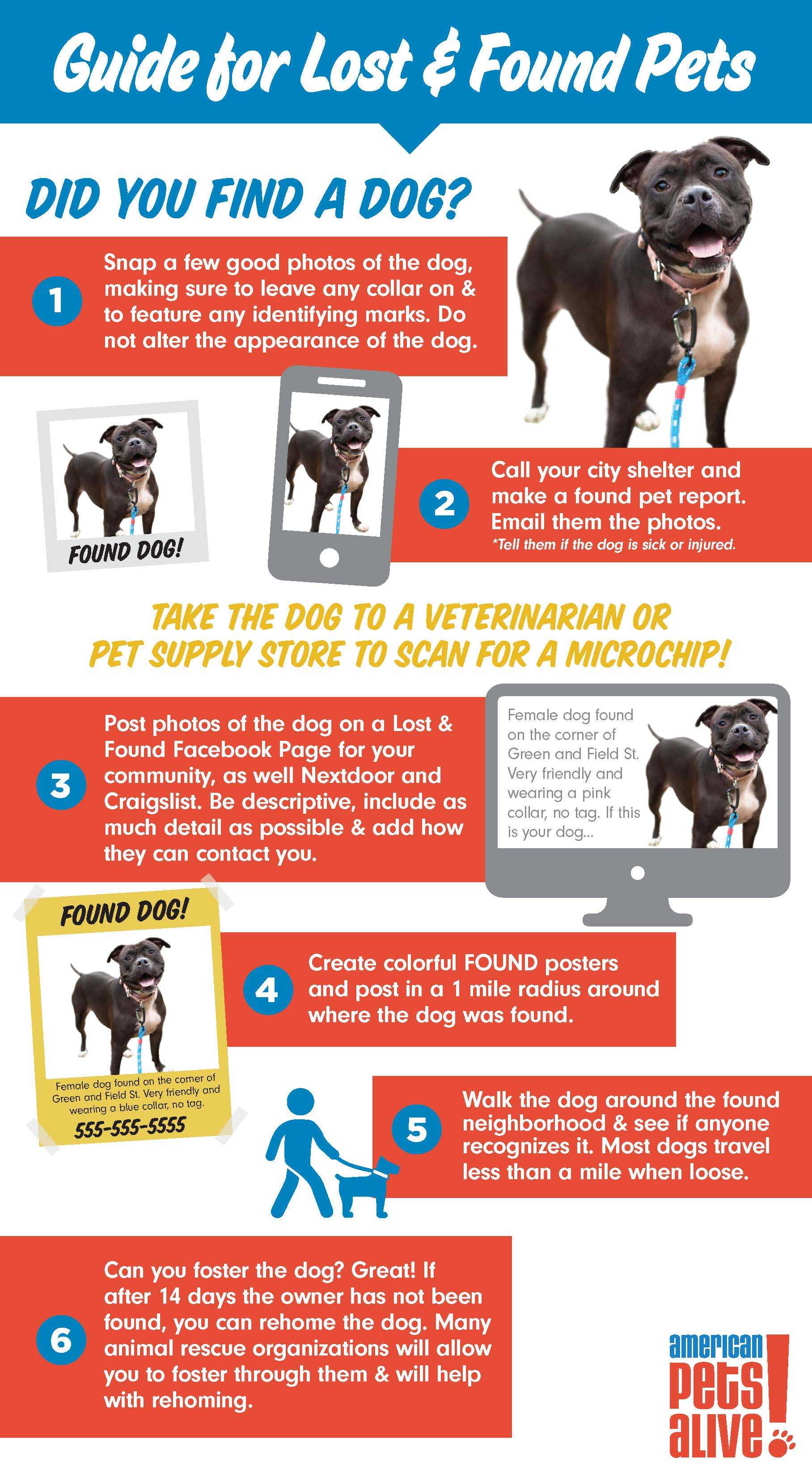
Image Source: americanpetsalive.org
The Foundation: Patience and Observation
Before you even consider approaching, take time to observe. Understanding a stray dog’s behavior is your first and most crucial step.
Deciphering Body Language
Dogs communicate a lot through their bodies. Learning to read these signals will prevent you from misinterpreting their intentions and making a situation worse.
- Tail: A wagging tail doesn’t always mean happy! A stiff, high wag can indicate arousal or tension. A low, slow wag might mean fear or appeasement. A tucked tail is a clear sign of fear.
- Ears: Ears pricked forward often show interest. Ears held back or flattened against the head usually signal fear or submission.
- Eyes: Wide eyes showing the whites (whale eye) indicate stress or fear. A direct stare can be a challenge, while averted gaze can signal fear or a desire to avoid conflict.
- Mouth: A relaxed, open mouth with panting is usually a good sign. A tight-lipped mouth, lip licking, or yawning when not tired can be signs of stress or anxiety. Growling is a clear warning and should never be ignored.
- Body Posture: A relaxed posture with a loose body indicates comfort. A stiff, tense body, or a dog that lowers its head and tucks its tail, is showing fear. A dog that rolls onto its back might be showing submission, but sometimes it’s a sign of extreme fear.
Assessing the Environment
- Is the dog in immediate danger? If so, your approach might need to be quicker, but still cautious.
- Are there any other animals or people around? Their presence could influence the stray’s behavior.
- Where does the dog go? Identifying a safe territory or den can give you clues about its routine and habits.
Step-by-Step Guide to Building Trust
Gaining the trust of a street dog is a process, not an event. Each positive interaction builds upon the last.
Phase 1: Becoming a Non-Threatening Presence
The goal here is to simply let the dog know you exist without causing it to flee or feel cornered.
Minimizing Your Presence
- Appear Smaller: Squat down or sit on the ground. This makes you less intimidating. Avoid standing over the dog.
- Turn Sideways: Presenting your side rather than your front is less confrontational in dog language.
- Avoid Direct Eye Contact: As mentioned, prolonged direct eye contact can be seen as a challenge. Glance at the dog, then look away.
- Speak Softly and Gently: Use a calm, soothing tone. No loud noises or sudden movements.
Offering Resources
- Food and Water: This is often the most effective way to attract an abandoned dog. Place food and water bowls a safe distance away from you, where the dog can access them without feeling pressured. Gradually decrease the distance over time as the dog becomes more comfortable.
- Type of Food: Use highly palatable, smelly foods like wet dog food, small pieces of cooked chicken, or specific high-value training treats.
- Consistency: If possible, try to place food at the same time each day. This helps the dog associate your presence with positive reinforcement.
- Shelter (If Applicable): If you can provide a safe, dry shelter, like a dog house or a covered area, this can also be a draw.
Establishing a Routine
- Regular Visits: Visit the same spot at roughly the same times each day. This predictability can help the dog anticipate your arrival and start to feel less anxious.
- Predictable Actions: When you visit, perform the same gentle actions: place food, sit down, speak softly.
Phase 2: Gradual Interaction
Once the dog reliably takes food when you’re present, you can start to slowly increase interaction.
Moving Closer
- The Slow Approach: If the dog is eating and doesn’t bolt when you move slightly, try inching closer. If the dog shows any signs of stress (hesitation, looking away, ears back), stop or even move back slightly.
- “Parallel Play”: Sit at a distance where the dog is comfortable and simply exist in its space. You can read a book, listen to music softly, or just be still. This allows the dog to get used to your presence without direct interaction.
Introducing Gentle Touches
- The Extended Hand: Once the dog is comfortable taking food from your hand or very close to you, try extending your hand, palm down, at nose level. Let the dog sniff your hand. Do not force it.
- First Touch: If the dog sniffs your hand and seems relaxed, you might try a very light, brief touch on its chest or side. Avoid touching the head or back initially, as these areas can be more sensitive or threatening.
- Positive Reinforcement: Always follow a positive interaction with praise and perhaps another treat.
Phase 3: Deepening the Bond
This phase is about building a relationship and making the dog want to be with you.
Play and Positive Reinforcement
- Gentle Play: Once the dog is comfortable being touched, you can try introducing a soft toy. Toss it gently a short distance. Celebrate any interaction the dog has with the toy.
- Consistent Positive Experiences: Every interaction should be positive. Avoid any harsh corrections or loud noises.
Verbal Encouragement
- Calm Praise: Continue to use a soft, encouraging voice. “Good boy,” “You’re doing so well,” are soothing sounds.
- Association: The dog should learn to associate your voice with good things.
Specialized Scenarios and Considerations
Every stray situation is unique. Here’s how to adapt your approach:
Taming a Feral Dog
Feral dogs are those who have lived without much human contact. They are often more fearful and may have less experience with domesticity.
- Extended Patience: Taming a feral dog can take much longer, sometimes weeks or months.
- Focus on Basic Needs: Ensure they have food, water, and shelter consistently.
- Minimal Direct Interaction Initially: Focus on being a benevolent provider of resources.
- Environmental Enrichment: Providing safe toys or things to investigate can help them slowly adapt.
Approaching a Scared Dog
Fear is a primary barrier. You must be exceptionally gentle and patient.
- Never Force It: If the dog is actively trying to avoid you, back off.
- Use Their Pace: Let the dog dictate the speed of interaction.
- Sensory Considerations: Avoid strong perfumes or loud clothing. Soft, muted colors are often better.
- “Permission to Approach”: Extend your hand slowly and let the dog come to you. If they move away, don’t chase.
Gaining Trust of a Street Dog
This is the overarching goal for any stray you’re trying to help.
- Consistency is Key: Regularity in your visits and your behavior builds predictability.
- Positive Associations: Every time you interact, ensure it’s a positive experience.
- Respect Boundaries: If the dog is fearful, respect that fear.
Luring a Lost Dog
Lost dogs are often scared and confused, but they may have a stronger inherent bond with humans.
- Familiar Scents: If you know the dog, try using its owner’s scent on a blanket or clothing item.
- Calming Presence: Avoid anything that might startle them.
- Food as a Primary Lure: Utilize high-value food to make your location appealing.
Coaxing an Afraid Dog
Similar to a scared dog, coaxing requires extreme gentleness.
- No Sudden Movements: Sit down, move slowly, and avoid looming.
- Offer Treats: Place treats near you, then gradually closer.
- Talk Softly: A calm voice can be very reassuring.
Befriending a Stray Puppy
Puppies are often more adaptable and less fearful than adult strays.
- Playfulness: Puppies respond well to gentle play.
- Socialization: Puppies need early socialization. If you can safely get close, gentle handling is important.
- Warmth and Security: Offer a warm, safe space.
- Consider a Safe Enclosure: A puppy might be easier to safely contain in a large crate or pen once you can approach.
Helping a Fearful Dog
This requires a deep well of patience and empathy.
- Desensitization and Counter-Conditioning: Gradually expose the dog to things that might scare it (like people, noises) at a very low intensity, paired with positive rewards.
- “Look at That” Game: When the dog sees something potentially scary but doesn’t react negatively, immediately reward it.
- Professional Guidance: If the fear is extreme, consult a certified professional dog trainer or behaviorist.
Domesticating a Wild Dog
This is a significant undertaking, often for dogs with minimal human contact.
- Long-Term Commitment: This process can take a very long time.
- Controlled Environment: Gradually introduce them to a domestic setting.
- Professional Help: Often requires experts in animal behavior.
Safe Stray Dog Interaction
- Never Corner: Always give the dog an escape route.
- Avoid Direct Grabbing: Don’t try to grab or grab a stray dog by the collar.
- Wash Your Hands: After any interaction, wash your hands thoroughly.
- Check for Bites: Be aware of potential nips or bites, even from a seemingly friendly dog.
Attracting an Abandoned Dog
Abandoned dogs are often bewildered and may be hopeful for help.
- Reliable Food Source: This is the primary way to attract them to a specific location.
- Quiet Presence: Don’t overwhelm them with too much attention too soon.
- Safe Haven: Make your location a place where they feel safe.
What To Avoid When Approaching a Stray Dog
Certain actions can scare a stray and set back your progress significantly.
Common Mistakes to Steer Clear Of
- Loud Noises: Yelling, sudden bangs, or even loud talking can be terrifying.
- Fast Movements: Running towards a dog, or making sudden gestures, will likely cause it to flee.
- Staring Directly: Prolonged, intense eye contact is a threat.
- Chasing: This reinforces the idea that you are a pursuer.
- Reaching Over the Head: This is an instinctive fear response for many dogs.
- Forcing Interaction: Trying to pet a dog that is clearly showing avoidance signals.
- Bringing Other Animals Too Soon: This can be overwhelming and create territorial issues.
Creating a Safe Zone
Once the dog is coming to you, you might want to create a more permanent, safe space.
Setting Up a Haven
- Location: Choose a quiet, sheltered spot, away from heavy traffic or excessive human activity.
- Basic Shelter: A sturdy dog house or a covered area that protects from wind and rain.
- Comfort: Bedding like straw or blankets can make it inviting.
- Food and Water Station: Keep clean bowls filled.
When to Seek Professional Help
There are times when you’ll need expert advice.
Signs You Need a Professional
- Extreme Aggression: If the dog shows consistent, unprovoked aggression.
- Severe Fear: If the dog is terrified of everything and not making any progress.
- Injury: If you suspect the dog is injured and needs medical attention.
- Uncertainty: If you are unsure how to proceed safely or effectively.
Who can help?
- Local Animal Shelters and Rescues: They often have experienced staff who can offer advice or assistance.
- Certified Professional Dog Trainers (CPDT-KA, CPDT-KSA): Look for trainers specializing in behavior modification and fear-based issues.
- Veterinary Behaviorists (DACVB): For severe behavioral problems, these are the experts.
The Reward: A Bond Built on Trust
Helping a stray dog can be incredibly rewarding. It’s a testament to patience, empathy, and the power of building trust. Each small step – a tentative sniff, a brief moment of eye contact, a hesitant acceptance of a treat – is a victory.
Remember, you are not just feeding a dog; you are building a bridge from fear to safety, from isolation to companionship. The journey of gaining a stray’s trust is a profound experience that highlights the resilience of animals and the compassion of humans.
Frequently Asked Questions (FAQ)
Q1: How long does it usually take to gain a stray dog’s trust?
A1: This varies greatly depending on the individual dog’s history, personality, and breed. It can take anywhere from a few days for a very friendly, recently lost dog to several weeks or even months for a dog that has been on the streets for a long time and is very fearful. Patience is your most valuable tool.
Q2: What if the dog is sick or injured?
A2: If you suspect a dog is sick or injured, your priority is its well-being. Try to contain it safely if possible (e.g., in a secured yard or shed) and contact your local animal control, humane society, or a veterinarian immediately. Do not attempt to treat injuries yourself unless you have veterinary training.
Q3: Should I try to capture the dog myself?
A3: Unless you have experience with animal handling and the proper equipment, it’s generally best to avoid attempting to capture a fearful stray yourself, as this can lead to injury for both you and the dog. Contacting local animal rescue groups or animal control is often a safer and more effective approach. They have the training and resources to handle the situation appropriately.
Q4: What if the dog keeps running away even when I leave food?
A4: This indicates a very high level of fear. Continue to leave food and water at a consistent location without lingering or making attempts to approach. Over time, the dog may start to associate the food with a safe, unoccupied space. Slowly, very slowly, decrease the distance between where you leave the food and where you sit. Never chase.
Q5: Can I bring my own dog to help?
A5: While a friendly, well-socialized resident dog can sometimes help build trust with a stray, this can also be very risky. The stray may perceive your dog as a threat, leading to aggressive encounters. If you consider this, ensure your dog is very calm and that there’s a clear escape route for the stray, and keep them at a safe distance initially. It’s often best to consult with a professional before introducing your pets.
Q6: What are some good treats to use?
A6: High-value treats are crucial. These are foods that dogs find particularly delicious and are usually reserved for special occasions or training. Good options include:
* Small pieces of cooked chicken or turkey (plain, unseasoned)
* Commercial training treats (small, soft, and smelly)
* Slivers of hot dog or cheese (in moderation due to fat content)
* Peanut butter (ensure it contains no xylitol, which is toxic to dogs)
Q7: How do I know if the dog is friendly or just curious?
A7: Look for relaxed body language. A friendly dog will likely have a loose body, a wagging tail (though interpret tail wags carefully), soft eyes, and might approach you with a gentle curiosity. A dog that is merely curious but still very fearful might watch you from a distance but bolt if you make any sudden moves. Signs of fear include a tucked tail, pinned ears, tense body, lip licking, or yawning.
Q8: What if the stray is a puppy?
A8: Stray puppies are often more approachable than adult dogs, but they are still wary. They respond well to gentle play and positive reinforcement. Ensure they have access to food, water, and a safe, warm place to rest. Their fear can be overcome more quickly, but they still require patience and consistent, gentle interaction.
Q9: Is it okay to make eye contact with the stray dog?
A9: It’s generally best to avoid direct, prolonged eye contact, especially in the early stages. Averting your gaze slightly or using brief glances is less intimidating. If the dog is clearly relaxed and initiating interaction, then brief moments of eye contact can become part of your growing bond, but start with minimal contact.
Q10: What if I can’t catch the dog after it starts trusting me?
A10: If the dog trusts you but remains elusive to capture, you might need to set up a humane trap or work with local animal control who are experienced in live trapping. Continue to provide food and water in a consistent location, and if a trap is used, ensure it’s checked very frequently and baited with irresistible food.