
Can I leave my dog outside alone? Yes, under certain conditions and with proper preparation, you can gradually train your dog to be comfortable spending time alone outdoors. Leaving your dog outside alone requires careful consideration of their safety, comfort, and temperament. It’s not a simple matter of opening the door and walking away; it’s a process that builds trust and confidence for your pet.
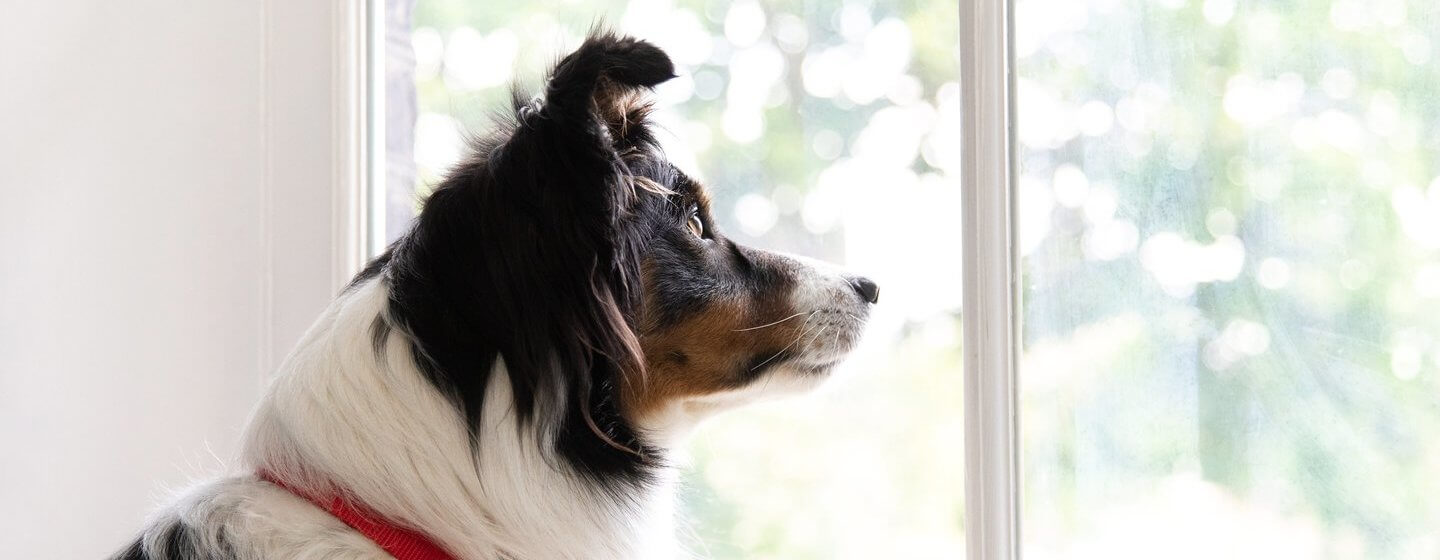
Image Source: www.purina.co.nz
Preparing Your Dog for Outdoor Solitude
Getting your dog used to being outside alone is a journey, not a destination. It involves building their confidence and ensuring they have a positive association with this experience. Think of it as independence training for your canine companion. This process focuses on teaching them that being alone is okay and even enjoyable.
Assessing Your Dog’s Readiness
Before you even consider leaving your dog outside, it’s crucial to assess their personality and current comfort level.
- Temperament: Is your dog generally anxious or prone to barking when left alone indoors? If so, they may struggle with outdoor solitude as well.
- Breed Tendencies: Some breeds are naturally more independent, while others crave constant companionship. Research your dog’s breed to get an idea of their natural inclinations.
- Previous Experiences: Has your dog had negative experiences outdoors, such as being scared by loud noises, other animals, or harsh weather?
- Health: Ensure your dog is healthy. Any underlying health issues could be exacerbated by being left alone, especially in varying weather conditions.
Creating a Safe and Inviting Outdoor Space
A dog’s outdoor environment needs to be a true safe space, not just an open yard. This means considering their physical safety, comfort, and mental well-being.
Essential Elements for an Outdoor Haven:
- Secure Fencing: This is paramount. The fence must be high enough to prevent jumping over and deep enough to prevent digging under. Check for any gaps or weaknesses regularly. A broken fence is an invitation to escape.
- Shelter from the Elements: Dogs need protection from sun, rain, wind, and extreme temperatures.
- Shade: Provide ample shade during hot weather. A covered patio, a dog house, or even strategically placed shade sails can make a big difference.
- Protection from Rain and Wind: A sturdy, well-insulated dog house is ideal. Ensure it’s waterproof and draft-free. Place it in a sheltered location, away from prevailing winds.
- Temperature Control: In very cold weather, you might need to consider a heated dog house or bring your dog inside. For very hot weather, a cooling mat or access to a wading pool can help.
- Comfortable Bedding: Inside the shelter, provide comfortable bedding that is easy to clean. Avoid materials that can be easily ingested.
- Fresh Water Access: Always ensure your dog has access to clean, fresh water. In hot weather, consider a weighted bowl or a water dispenser that prevents tipping. Check it frequently.
- No Toxic Plants or Hazards: Inspect your yard for any poisonous plants, chemicals, or potential choking hazards.
Building Confidence: The Foundation for Outdoor Alone Time
The goal is to make alone time a positive experience. This is where positive reinforcement and gradual steps are key. We want your dog to associate being outside alone with good things.
Gradual Exposure: The Art of Slow Introduction
This is the core of successful training. You won’t leave your dog alone for hours on the first day. Instead, you’ll use gradual exposure.
Step-by-Step Approach:
- Short Stints in Your Presence: Start by simply having your dog spend short periods in the designated outdoor space while you are present and visible, perhaps gardening or reading. Give them treats and praise for calm behavior.
- Leaving the Sightline: Progress to stepping just out of sight for a minute or two. For example, go around the corner of the house or into a shed. Return quickly and reward calm behavior.
- Short Absences: Gradually increase the duration you are away. Start with 5-10 minutes, then build up to 15, 20, and so on. Always return before your dog shows signs of distress.
- Varying Your Departures: Don’t always follow the same routine before leaving. This helps prevent your dog from anticipating your departure and becoming anxious.
Desensitization to Departure Cues
Many dogs become anxious when they notice their owner preparing to leave. This is often due to separation anxiety training issues manifesting even before they are left alone. Desensitization helps break this association.
Common Departure Cues:
- Picking up keys
- Putting on shoes
- Grabbing a bag
- Putting on a jacket
Desensitization Techniques:
- Practice the Cues Randomly: Pick up your keys and then sit back down. Put on your shoes and then take them off. Do these actions without actually leaving. This teaches your dog that these actions don’t always lead to being left alone.
- Associate Cues with Positive Events: Pair these cues with good things. For example, pick up your keys, give your dog a treat, and then put the keys down.
Making Alone Time Rewarding: Enrichment Activities
When your dog is outside alone, they need mental stimulation to prevent boredom and anxiety. Enrichment activities are crucial.
Ideas for Outdoor Enrichment:
- Interactive Toys:
- KONGs and Treat-Dispensing Toys: Fill them with their favorite treats, peanut butter (xylitol-free!), or wet food. Freeze them for a longer-lasting challenge.
- Puzzle Feeders: These require your dog to work to get their food or treats, providing mental engagement.
- Chew Toys: Durable chew toys can keep a dog occupied for extended periods.
- Scent Games: Hide treats around the yard for your dog to find.
- Safe Digging Areas: If your dog is a digger, provide a designated sandpit or digging area to redirect this natural behavior.
- Water Play (Weather Permitting): A shallow kiddie pool can be a great way to keep a dog cool and entertained in warm weather.
Addressing Potential Issues and Ensuring Safety
Even with the best preparations, challenges can arise. It’s important to be aware of these and have strategies in place.
What to Do About Barking and Howling
Excessive barking or howling is a common concern when dogs are left alone. It can indicate boredom, anxiety, or a desire for attention.
Strategies to Reduce Excessive Barking:
- Rule Out Physical Needs: Ensure your dog has had adequate exercise and has had a chance to outdoor potty training before being left alone. A tired dog is often a quiet dog.
- Provide Enrichment: As mentioned, boredom can lead to barking. Ensure they have engaging toys and activities.
- Desensitize to Triggers: If your dog barks at specific things (people walking by, other dogs), try to desensitize them to these triggers. This can be challenging outdoors, but consistent training can help.
- Positive Reinforcement for Quiet: Reward your dog with praise and treats when they are quiet.
- Avoid Punishment: Punishing barking often makes the anxiety worse.
Preventing Escape Attempts
Escape attempts are a serious safety risk. They can happen due to fear, boredom, or simply the desire to explore.
Preventing Escapes:
- Reinforce Fence Security: Regularly check your fence for any signs of damage or weakness.
- Address Boredom: Ensure your dog has enough mental and physical stimulation when you are home and when they are outside alone.
- Desensitize to Departure: If anxiety is the cause, work on separation anxiety training and desensitization to your departures.
- Leash Training: While not directly related to being outside alone, good leash manners can be a sign of a well-trained dog overall, which often correlates with better behavior when unsupervised.
Weather Considerations
The weather plays a huge role in whether your dog can safely stay outside alone.
Weather Guidelines:
- Heat: On extremely hot days, dogs can suffer from heatstroke. Provide ample shade and water. Consider limiting outdoor time or bringing them inside.
- Cold: Extreme cold can be dangerous. Ensure your dog has a warm, dry shelter. Some breeds are more tolerant of cold than others.
- Rain and Storms: Many dogs are frightened of thunder or heavy rain. If your dog is sensitive to storms, it’s best to keep them inside during inclement weather.
Outdoor Potty Training and Access
If your goal is for your dog to spend time outside alone, they need to be comfortable with outdoor potty training.
Tips for Potty Training Readiness:
- Establish a Routine: Take your dog out for potty breaks regularly, especially before leaving them alone.
- Positive Reinforcement: Praise and reward them when they eliminate outside.
- No Punishment for Accidents: If accidents happen, clean them up without scolding your dog.
- Designated Potty Area: Some owners designate a specific spot in the yard for potty breaks, making it easier for the dog to understand.
Building Independence: The Long-Term Goal
The ultimate aim is for your dog to be content and safe while you are away, whether it’s for a short errand or a longer period. This is about fostering independence training.
Recognizing Signs of Distress
It’s crucial to be able to recognize when your dog is struggling.
Signs of Distress:
- Excessive barking, whining, or howling
- Pacing
- Destructive behavior (chewing, digging excessively)
- Eliminating indoors or in inappropriate places
- Drooling or panting heavily
- Shaking or trembling
If you notice these signs, it means you need to go back to earlier stages of training or reassess the duration you’re leaving your dog.
When to Reconsider Leaving Your Dog Outside
There are situations where leaving your dog outside alone may not be suitable for them.
Reasons to Reconsider:
- Severe Separation Anxiety: If your dog exhibits extreme distress even with gradual training, they may not be a candidate for unsupervised outdoor time. Consider professional help.
- Brachycephalic Breeds (Flat-Faced): Breeds like Pugs, Bulldogs, and Boxers have difficulty regulating their body temperature and are at higher risk of heatstroke. They generally shouldn’t be left outside unsupervised for long periods, especially in warm weather.
- Elderly or Ill Dogs: Dogs with age-related health issues or chronic illnesses may require closer supervision and a more controlled environment.
- Young Puppies: Puppies have underdeveloped bladder control and can be more vulnerable to temperature fluctuations and external dangers.
- Unreliable Fencing or Outdoor Hazards: If your yard isn’t perfectly secure or has hidden dangers, it’s not safe to leave your dog alone.
Creating a Predictable Routine
Dogs thrive on routine. Knowing when you’ll be gone and when you’ll return can reduce anxiety.
Routine Tips:
- Consistent Departure/Arrival Times (as much as possible): While you can’t always be perfectly consistent, try to establish a general rhythm.
- Pre-Departure Ritual: A short, calm play session or a quick potty break before you leave can help.
- Post-Arrival Greeting: Greet your dog calmly. Avoid overly enthusiastic greetings that can heighten their excitement and potentially trigger anxious behaviors later.
Frequently Asked Questions
Q1: How long can I leave my dog outside alone?
A1: The duration depends entirely on your individual dog, their training, their temperament, and the weather conditions. Start with very short periods (5-10 minutes) and gradually increase the time as your dog shows comfort. Never leave a dog outside alone for longer than they are comfortable or if the weather is extreme.
Q2: What if my dog digs under the fence?
A2: If your dog is digging under the fence, it indicates a need for better security or more enrichment activities to combat boredom or anxiety. Consider reinforcing the fence by burying wire mesh at the base or providing a designated digging area. Address the underlying cause, which could be separation anxiety training needs.
Q3: My dog barks excessively when I leave. What should I do?
A3: This is a common sign of separation anxiety or boredom. Implement desensitization techniques for your departure cues, provide engaging toys, ensure they’ve had sufficient exercise, and practice short, positive absences. If the barking persists, consult a professional dog trainer or behaviorist.
Q4: Can I leave my dog outside overnight?
A4: Generally, it is not recommended to leave dogs outside overnight, especially if they are not accustomed to it, or if the weather is cold, wet, or extreme. Dogs are social animals and often benefit from being indoors with their family. Overnight outdoor stays should only be considered for dogs that are extremely well-trained, comfortable with the outdoor environment, and in safe, temperate conditions.
Q5: How do I know if my dog has separation anxiety when left outside alone?
A5: Signs include excessive barking, howling, destructive behavior, self-harm (like chewing paws), pacing, and eliminating inappropriately. These behaviors are often triggered by your departure and continue throughout your absence. If you suspect separation anxiety training is needed, start by observing your dog when you are home and preparing to leave, and consider setting up a camera to monitor them when you’re gone.
By following these guidelines, focusing on positive reinforcement, using desensitization and gradual exposure, and ensuring your dog has a safe space with plenty of enrichment activities, you can help your dog learn to tolerate and even enjoy spending time outdoors alone. Remember that patience and consistency are key to successful independence training.