
Can you give a dog a bath if it hates water? Yes, you absolutely can, and this guide is here to help you make that process as smooth and stress-free as possible for both you and your canine companion. Many dogs exhibit a strong dislike or even fear of water, often stemming from negative past experiences or simply an aversion to the sensation. This can make essential dog hygiene practices a real challenge. However, with patience, positive reinforcement, and the right techniques, you can transform bath time from a dreaded ordeal into a manageable, even positive, experience. This comprehensive guide will explore dog bath anxiety and provide practical dog grooming tips for overcoming a water-phobic dog.
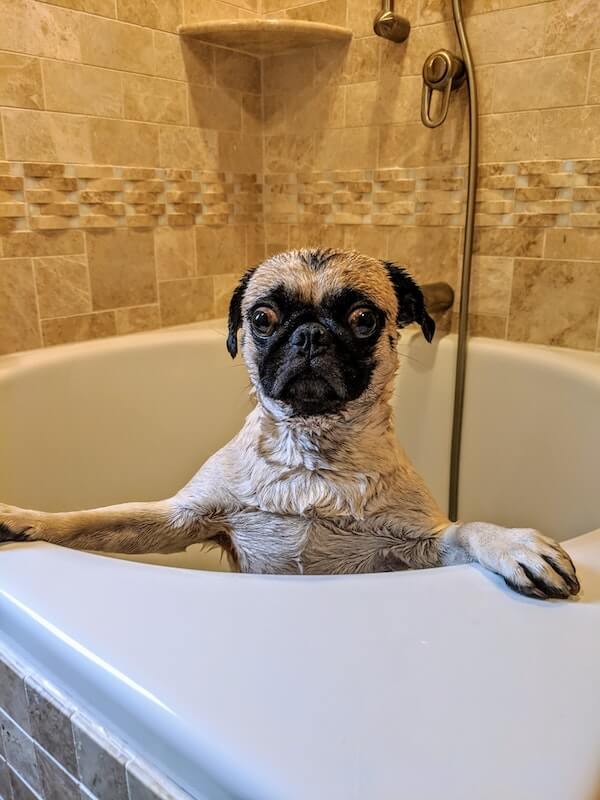
Image Source: pupford.b-cdn.net
Preparing for a Peaceful Bath
Before you even think about turning on the faucet, proper preparation is key to managing a dog afraid of baths. The environment and your approach can significantly influence your dog’s reaction.
Choosing the Right Location
The location for the bath can make a big difference. Consider:
- The bathtub: For smaller dogs, this might be the most manageable. Ensure the tub has a non-slip mat to prevent falls, which can be a major source of fear.
- A large sink or basin: For very small breeds, a kitchen or utility sink can work. Again, a mat is crucial.
- Outdoors (weather permitting): A kiddie pool or a designated grooming tub can be less intimidating than an enclosed bathroom for some dogs. However, this might expose them to more outdoor stimuli.
Gathering Your Supplies
Having everything within reach before you start is vital to avoid leaving a distressed dog unattended.
- Dog-specific shampoo and conditioner: Human products can irritate a dog’s skin and coat.
- Towels: Plenty of absorbent towels are needed to dry your dog thoroughly.
- Non-slip mat: Essential for the tub or shower floor.
- Cotton balls: To gently place in your dog’s ears to prevent water from entering, which can cause discomfort or infection.
- Treats: High-value treats that your dog absolutely loves are critical for positive reinforcement for dogs.
- A brush or comb: For pre-bath grooming.
- A small cup or pitcher: For rinsing.
- Optional: A special lick mat or puzzle toy: To distract your dog during the bath.
Pre-Bath Grooming
A quick brush before the bath can work wonders.
- De-tangling: Remove any mats or tangles. Water can make mats tighter and more painful to remove, and brushing a wet, matted dog is difficult.
- Loose hair removal: Brushing helps remove loose fur, meaning less hair in your drain and a cleaner coat to start with.
Gradual Desensitization: The Foundation of Success
The most effective way to help a bath-averse dog is through gradual desensitizing dogs to water. This involves slowly introducing your dog to the elements associated with bathing in a positive way, without actually bathing them.
Step 1: The Bathroom as a Happy Place
- Positive association: Make the bathroom a place for good things.
- Treats and praise: Simply spend time in the bathroom with your dog. Offer treats and praise for calm behavior.
- No bath: Crucially, do not associate the bathroom with any pressure or negative experiences during this phase.
Step 2: Introducing Bathing Sounds and Sights
- The sound of water: Turn on the faucet or shower for short periods while your dog is present, offering treats and calm praise. Start with just a trickle, then gradually increase the flow.
- The empty tub: Let your dog explore the dry, empty tub or sink. Place treats inside, or toss them in for your dog to retrieve. Let them hop in and out on their own terms.
- The sound of running water without the bath: Some dogs are scared of the sound of running water. Practice running water in the bathroom while you are elsewhere with your dog, and reward calm behavior.
Step 3: Introducing Water, Slowly
- A wet cloth: Start by wiping your dog with a damp cloth. Make it a pleasant experience, associating it with treats.
- A small amount of water: Once comfortable with the cloth, try wetting just a small part of their paw or leg with a cup of water. Immediately follow with a high-value treat and praise.
- Gradual expansion: Slowly increase the area you wet, always pairing it with positive reinforcement.
Making Bath Time Less Stressful
Once you’ve started desensitization, you can begin introducing the actual bath, still prioritizing comfort and positivity.
Setting the Mood
- Calm demeanor: Your own calm attitude is contagious. Speak in a soft, reassuring voice.
- Playful distraction: If your dog enjoys puzzle toys, smear some peanut butter or a favorite treat on a lick mat and stick it to the side of the tub. This keeps their mind occupied.
The Bathing Process
- Water temperature: Lukewarm water is best. Test it on your inner wrist.
- Gentle introduction:
- Start by wetting only the paws and legs. Offer treats.
- Gradually work your way up, wet their body section by section.
- Avoid spraying water directly at their face or ears. Use a washcloth for these areas.
- Shampooing:
- Apply a small amount of dog shampoo and lather gently.
- Massage their coat, making it a positive touch experience.
- Rinse thoroughly, ensuring no shampoo residue remains, which can cause irritation.
- Head and Face: This is often the most sensitive area.
- Use a damp washcloth to gently wipe their face and around their eyes.
- If you need to rinse their head, tilt their head back slightly to keep water away from their eyes and ears.
- Cotton balls in the ears are a good preventative measure.
Rinsing Techniques
- Pitcher or cup: This is often less frightening than a showerhead.
- Low water pressure: If using a shower attachment, keep the pressure very low.
- Thoroughness: Ensure all soap is rinsed away.
Post-Bath Care: The Reward for Bravery
The time after the bath is just as important as the bath itself for calming a scared dog and reinforcing positive associations.
Drying Off
- Towels: Gently pat your dog dry with absorbent towels. Avoid vigorous rubbing, which can be uncomfortable.
- “Shake off” invitation: Some dogs enjoy a good shake. You can encourage this by giving them a cue or a bit of playful encouragement, but don’t force it.
- Hair dryer (optional and cautiously): If your dog tolerates it, a low-heat, low-speed setting on a dog-specific or quiet human hair dryer can speed up drying. Always introduce this gradually and keep it far from your dog’s skin.
The Reward
- Abundant praise: Shower your dog with verbal praise and affection.
- High-value treats: Offer those special treats they love.
- Playtime: Engage in a fun activity your dog enjoys. This helps end the experience on a high note.
Addressing Specific Fears and Anxiety
Some dogs have deeper-seated fears. Here’s how to tackle them.
The Fear of Sound
- White noise: Running a fan or a quiet radio in the bathroom can help mask the sound of running water.
- Play audio: Play calming music or sounds associated with positive experiences for your dog during bath preparation.
The Fear of Being Restrained
- Minimal restraint: Avoid holding your dog down forcefully. Focus on rewarding them for staying put.
- Non-slip surfaces: Ensure they have good traction so they don’t feel like they’re going to slide.
- Support: If your dog is a senior or has mobility issues, a bath support can help them feel more secure.
The Fear of Being Wet
- Start with less water: Begin with a damp cloth, then progress to just wetting a small area.
- Warm water: Ensure the water is comfortably warm, as cold water can be shocking and unpleasant.
Alternative Bathing Methods
If a full submersion bath is too much, consider these alternatives.
Waterless Shampoo and Wipes
- For light cleaning: These are excellent for quick touch-ups between full baths or for dogs who are extremely fearful.
- How to use: Apply the waterless shampoo or wipe down their coat, brushing to distribute and remove dirt.
Grooming Sprays
- Deodorizing and detangling: Many sprays can help freshen up your dog’s coat and make brushing easier, reducing the need for a full bath.
Professional Grooming
- When to consider: If your dog’s fear is severe or you’re struggling to manage it, a professional groomer can be a valuable resource. They have experience with anxious dogs and specialized equipment.
Consistency and Patience: The Keys to Success
Making bath time easier for dogs is a process that requires time and consistent effort.
- Regularity: Aim for regular, short grooming sessions, even if they don’t involve a full bath, to keep your dog accustomed to handling.
- Patience: Never punish or scold your dog for being afraid. This will only worsen their anxiety. Celebrate small victories.
- Consistency: Stick to your positive reinforcement plan. Every bath, or even grooming session, is an opportunity to build trust.
Troubleshooting Common Bath Time Problems
| Problem | Solution |
|---|---|
| Excessive barking/whining | Use high-value treats and praise consistently. Introduce water and sounds gradually. Distract with a lick mat. |
| Attempting to escape | Ensure a non-slip surface. Never forcefully restrain. Use a tether if necessary, but ensure it’s secure and doesn’t add to their stress. |
| Trembling/shaking | Stop if the dog is overly distressed. Go back to earlier desensitization steps. Ensure water is warm and avoid sudden movements. |
| Aggression (growling/nipping) | This is a clear sign of extreme fear. Reassess your approach and consult a professional trainer or behaviorist. Do not push the dog beyond its limits. |
| Fear of being lifted | For small dogs, let them step into the tub or sink if possible. For larger dogs, use a ramp or assist gently, rewarding each step. |
Frequently Asked Questions
Q1: How often should I bathe my dog?
A1: The frequency depends on your dog’s breed, coat type, activity level, and any skin conditions. Generally, most dogs benefit from a bath every 1-3 months. Over-bathing can strip natural oils from their skin.
Q2: My dog is terrified of the hairdryer. What can I do?
A2: Introduce the hairdryer very gradually. Start by letting your dog see and smell it while it’s off. Then, turn it on at a distance, rewarding calm behavior. Slowly move it closer and use it for very short bursts. Always use the lowest heat and speed setting and never point it directly at their face.
Q3: Is it okay to use a human shampoo on my dog?
A3: No, it is not recommended. Human shampoos have a different pH balance than dog skin and can cause dryness, irritation, and other skin issues. Always use a shampoo specifically formulated for dogs.
Q4: My dog hates having its paws touched, especially when wet. How can I manage this?
A4: Paw sensitivity often needs its own desensitization program. Start by gently touching your dog’s paws when they are dry and relaxed, rewarding them with treats. Gradually introduce a damp cloth to their paws, then a small amount of water. Be patient and make it a positive experience.
Q5: My dog gets very anxious even before the bath starts. What’s the best approach?
A5: This indicates anticipatory anxiety. Focus heavily on the initial desensitization steps, making the idea of a bath less scary. Use calming aids like pheromone diffusers or calming treats before and during the process. Keep your own demeanor extremely calm and positive.
By implementing these strategies, you can gradually transform bath time from a battle into a bonding experience, even for the most water-averse pups. Remember that patience, consistency, and lots of positive reinforcement are your most powerful tools.