
Can a dog slip on hardwood floors? Absolutely, yes. Hardwood floors, while beautiful, can be a hazard for dogs, especially older pets, those with mobility issues, or even young puppies still learning coordination. The smooth, slick surface offers little purchase for paws, leading to frustrating slips, tumbles, and potential injuries like sprains, strains, or even fractured bones. The good news is that there are many effective dog anti-slip solutions available to help your furry friend navigate their home safely and confidently.
Image Source: s3.amazonaws.com
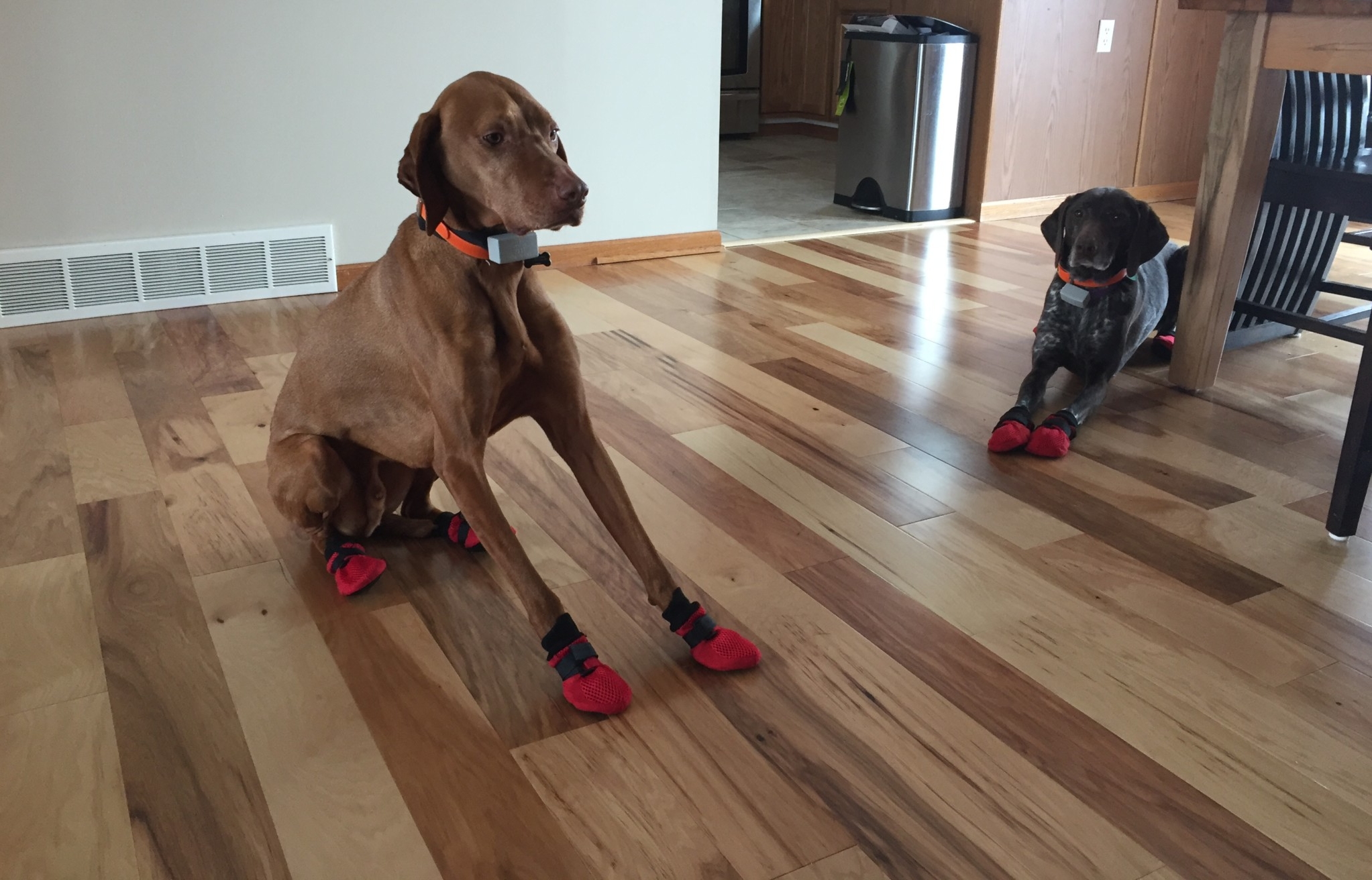
Why Do Dogs Slip on Hardwood?
Dogs rely on their paws for grip and stability. When the surface is too smooth, their claws can’t dig in, and their paw pads slide. This is particularly true for breeds with naturally slick paw pads or those whose nails have grown too long, preventing proper pad contact with the floor. Factors contributing to slipping include:
- Paw Pad Condition: Dry, cracked, or overly smooth paw pads have less natural grip.
- Nail Length: Overgrown nails prevent the paw pads from making full contact with the floor.
- Age and Health: Senior dogs, dogs with arthritis, or those recovering from surgery often have reduced muscle strength and less control, making them more prone to slipping.
- Breed Predisposition: Some breeds, particularly those with large, smooth paws or breeds prone to joint issues, are more susceptible to slipping.
- Floor Finish: Highly polished or waxed hardwood floors are inherently more slippery.
Enhancing Dog Traction: A Multi-faceted Approach
Improving dog traction on hardwood floors requires a combination of strategies, addressing both the dog and the environment. The goal is to provide surfaces and aids that offer reliable grip for your pet.
1. Paw Care for Better Grip
Maintaining your dog’s paws is crucial for preventing slips. This involves regular grooming and care.
Dog Nail Trimming: The Foundation of Grip
Dog nail trimming is perhaps the most fundamental step. Overgrown nails lift the paw pad off the floor, reducing the surface area that can grip.
- How often? Most dogs need their nails trimmed every 3-6 weeks. Listen for the click-clack sound on hard surfaces; if you hear it, it’s time for a trim.
- Tools: Use sharp, quality dog nail clippers or a nail grinder.
- Technique: Trim only the tip of the nail. Avoid cutting the quick, which contains blood vessels and nerves. If you accidentally cut the quick, styptic powder can help stop the bleeding.
- Acclimation: If your dog is nervous about nail trims, introduce it gradually with positive reinforcement.
Paw Pad Health: Nourishing for Traction
Dry, rough paw pads can also contribute to slipping.
- Paw Balms: Applying a good quality paw balm for traction can help keep paw pads moisturized and supple. Look for natural ingredients like beeswax, shea butter, or coconut oil.
- When to Apply: Apply balm after walks or before bedtime.
- Avoidance: Keep paws away from harsh chemicals or extreme temperatures that can dry them out.
2. Non-Slip Solutions for the Home Environment
Beyond paw care, modifying your home environment with various dog anti-slip solutions is essential.
Rug Runners for Dogs: Creating Safe Pathways
Strategic placement of rug runners for dogs can transform slick hallways and high-traffic areas into safe zones.
- Material: Opt for runners made of durable, non-slip materials like rubber-backed cotton, sisal, or low-pile synthetic fibers.
- Placement: Position them in areas where your dog frequently walks, such as hallways, leading to their food and water bowls, and by doors.
- Securing: Ensure runners are securely in place. Consider using double-sided carpet tape or rug grippers underneath to prevent shifting, which can be a tripping hazard itself.
- Washability: Choose runners that are easy to clean, as dog accidents can happen.
Dog Stair Treads: Securing Steps
If your home has stairs, making them safe is paramount. Dog stair treads provide individual grip for each step.
- Types: Stair treads come in various materials, including carpeted, rubber, or vinyl.
- Adhesion: Most treads have adhesive backing for easy installation. Ensure the surface of the stair is clean and dry before applying.
- Coverage: Cover each step to ensure a consistent, non-slip surface as your dog ascends or descends.
- Maintenance: Periodically check that the treads are still firmly attached.
Area Rugs and Mats: Targeted Grip
In addition to runners, strategically placed area rugs and mats can offer localized dog traction.
- Placement: Use them near furniture your dog likes to jump on and off, near their sleeping area, and in any spot where they frequently stand or change direction.
- Backing: Ensure all rugs and mats have a non-slip backing to prevent them from sliding.
3. Paw Wear for Enhanced Grip
For dogs who need extra help or for particularly slippery situations, specialized paw wear is an excellent option.
Non-Slip Dog Socks: Gentle and Effective
Non-slip dog socks are a popular choice for providing immediate dog traction.
- Features: These socks typically have rubber or silicone grips on the soles.
- Comfort: Ensure they fit snugly but not too tight, and are made of breathable material.
- Use Cases: Ideal for dogs with mild to moderate slipping issues, especially indoors.
- Washability: Most can be machine washed, making them easy to maintain.
Paw Grips for Dogs: Adhesive Traction
Paw grips for dogs are adhesive pads that stick directly to the bottom of your dog’s paws.
- Application: They are typically made of a durable, rubber-like material with a strong adhesive.
- Durability: While they offer excellent grip, their lifespan can vary depending on your dog’s activity level.
- Alternatives: Consider them for specific occasions or for dogs who dislike wearing socks.
Dog Boots for Hardwood: Comprehensive Protection
Dog boots for hardwood offer a more comprehensive solution, covering the entire paw.
- Benefits: They protect paws from scratches, provide excellent traction, and can help cover minor injuries.
- Fit: Proper fitting is crucial. Boots that are too loose will slip off, and boots that are too tight can cause discomfort or restrict circulation. Measure your dog’s paw carefully according to the manufacturer’s instructions.
- Material: Look for boots with rubber or grippy soles designed for indoor use. Breathable materials are important to prevent moisture buildup.
- Acclimation: Many dogs need time to get used to wearing boots. Start with short periods and offer treats and praise.
Dog Booties Hardwood Floors: Choosing the Right Pair
When selecting dog booties hardwood floors can be navigated safely, consider these factors:
- Sole Grip: The sole should have a textured pattern for maximum traction.
- Ankle Support: Adjustable straps ensure a secure fit without being constricting.
- Comfort: Soft, padded interiors can enhance comfort.
- Durability: For regular use, choose durable materials.
Creating a Dog-Friendly Home Layout
Beyond specific products, consider how your home’s layout might be contributing to the problem and how you can adapt it.
High-Traffic Zones: Designing for Safety
Identify the areas in your home where your dog spends the most time or moves the fastest. These are prime spots for slipping.
- Entryways: Hallways and areas near doors are often the most traversed. Ensure these are well-covered with runners.
- Kitchens and Dining Areas: Dogs often stand or move around while eating or waiting for scraps.
- Living Room and Family Areas: Wherever your dog typically plays or relaxes, ensure good traction.
Furniture Placement: Accessible and Safe Entry
Think about how your dog interacts with furniture.
- Elevated Beds: If your dog struggles to get on or off furniture, consider ramps or provide more accessible, lower-level resting spots with good traction.
- Obstacle Courses: Avoid creating unintentional “obstacle courses” where your dog might need to make sudden turns on a slippery surface.
Additional Considerations for Slippery Floors
When implementing dog anti-slip solutions, remember a few extra tips.
Consistency is Key
Apply your chosen solutions consistently throughout your home. A single patch of slick floor can still pose a risk.
Observe Your Dog
Pay attention to your dog’s behavior. Do they hesitate to walk in certain areas? Do they seem anxious? These are clues that they are not feeling secure.
Consult Your Veterinarian
If your dog’s slipping is sudden, severe, or accompanied by other symptoms like lameness or a change in gait, consult your veterinarian. It could indicate an underlying medical condition, such as arthritis, hip dysplasia, or neurological issues, that needs professional attention. They can also offer personalized advice on managing your dog’s mobility and comfort.
Table: Comparing Paw Grip Solutions
Here’s a quick comparison of different dog anti-slip solutions:
| Solution | Best For | Pros | Cons |
|---|---|---|---|
| Dog Nail Trimming | All dogs, preventative care | Essential for natural grip, inexpensive, no extra equipment needed. | Requires regular maintenance, potential for injury if done incorrectly. |
| Paw Balms | Dry or rough paw pads | Improves paw health, can enhance natural grip. | Not a primary solution for severe slipping, requires regular application. |
| Rug Runners | High-traffic areas, hallways, pathways | Provides consistent, wide coverage, relatively inexpensive. | Can shift if not secured, need regular cleaning, can be a tripping hazard if loose. |
| Dog Stair Treads | Homes with stairs | Targeted grip on steps, easy to apply. | Can wear out over time, may not cover the entire step edge. |
| Non-Slip Socks | Indoor use, mild to moderate slipping, dogs who dislike boots | Comfortable, easy to put on, provides good immediate grip. | Can wear out quickly with heavy activity, may shift if not fitted properly. |
| Paw Grips | Targeted grip, short-term use, dogs sensitive to socks | Excellent traction, discrete. | Short lifespan, can be time-consuming to apply, adhesive may be an issue for some dogs. |
| Dog Boots | Severe slipping, dogs needing full paw protection, increased outdoor traction | Offers maximum traction and protection, adjustable fit. | Can be expensive, requires proper fitting, some dogs dislike wearing them. |
Frequently Asked Questions (FAQ)
Q1: How do I know if my dog is slipping too much on the floor?
A1: Signs include your dog struggling to get up, sliding when they try to walk or turn, reluctance to move across certain areas, or visible signs of fear or anxiety when on hard surfaces. You might also notice them splaying their paws out unnaturally.
Q2: Can I use human anti-slip products on my dog?
A2: It’s best to stick to products specifically designed for dogs. Human products might not be made with the right materials, could be toxic if ingested, or might not fit a dog’s paw properly, potentially causing harm or discomfort.
Q3: My dog’s paws seem sweaty after wearing socks or boots. Is this normal?
A3: Some moisture can be normal, especially if your dog is active. However, excessive sweatiness or dampness could indicate the material isn’t breathable enough or the fit is too tight, trapping heat and moisture. Ensure you’re using breathable materials and that the fit is snug but not constricting. Allow your dog’s paws to air out regularly.
Q4: How do I get my dog to wear boots or socks without fuss?
A4: Introduce them gradually. Start by letting your dog see and sniff the boots/socks. Then, put them on for very short periods (a few seconds) while offering high-value treats and praise. Gradually increase the duration. Don’t force them; positive reinforcement is key. Some dogs never fully tolerate boots, so having other dog anti-slip solutions available is important.
Q5: Are there any natural remedies to improve dog traction?
A5: While a good paw balm with natural ingredients can help keep paw pads healthy and supple, which indirectly aids grip, there aren’t many “natural remedies” that directly create traction like physical aids do. Maintaining clean, trimmed nails and healthy paw pads is the most natural way to improve grip.
By implementing these comprehensive dog anti-slip solutions, you can significantly improve your dog’s safety and comfort on hardwood floors, allowing them to move freely and confidently throughout your home. Remember, a little effort in providing the right dog traction can prevent significant pain and injury for your beloved companion.