
Can you keep a dog warm in a kennel during cold weather? Absolutely! Keeping your dog warm in their kennel, whether indoors or outdoors, is crucial for their health and comfort during chilly months. This guide will walk you through the best strategies and products to ensure your furry friend stays toasty.
The winter months can be tough on our canine companions, especially if they spend a significant amount of time in a kennel or crate. Just like us, dogs can suffer from the cold, leading to discomfort, illness, and even hypothermia in severe cases. Ensuring their living space is adequately warm is paramount for their well-being. This article delves into practical solutions and essential tips to help you effectively combat the cold and keep your dog snug and safe in their kennel. We’ll explore various aspects, from choosing the right dog bedding to providing supplemental heat sources, and ensuring draft protection for kennels is paramount.
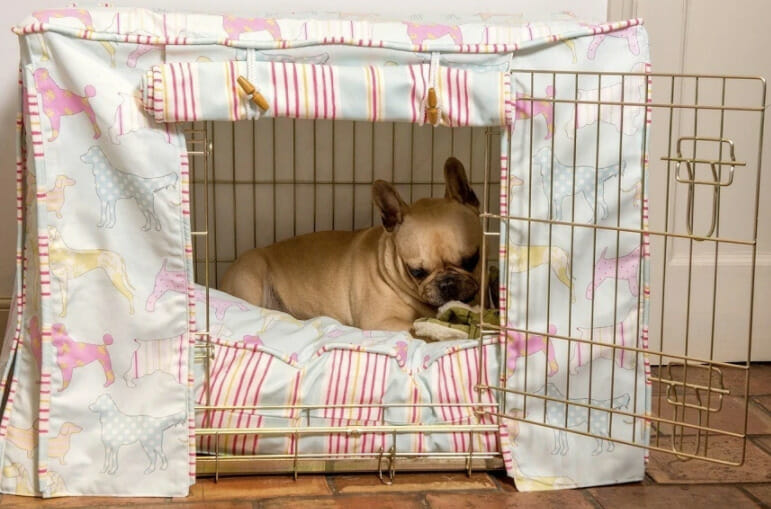
Image Source: www.doggietoys.deals
Creating a Cozy Kennel Environment
The foundation of a warm kennel lies in creating a comfortable and insulated space. This involves understanding your dog’s needs and modifying their environment accordingly.
The Importance of Proper Dog Bedding
Dog bedding is more than just a soft surface; it’s a critical element in regulating your dog’s body temperature. In a kennel, especially one that might be on a cold floor or in a drafty area, the right bedding can make all the difference.
- Insulating Materials: Look for bedding made from materials that trap body heat effectively. Fleece, wool blends, and even memory foam can provide excellent insulation. Avoid thin, synthetic materials that offer little warmth.
- Elevated Beds: For outdoor kennels, an elevated bed can be a game-changer. It lifts your dog off the cold ground, preventing heat loss through conduction. Many elevated beds also have breathable surfaces that can help regulate temperature in warmer weather, but in winter, the key is choosing one with a thick, insulating cushion.
- Washable Options: It’s essential to keep your dog’s bedding clean, especially in colder, damp weather when bacteria and mold can thrive. Opt for beds with removable, machine-washable covers.
Choosing the Right Type of Bedding
There’s a wide array of dog bedding options available, each suited for different needs and environments.
Standard Cushioned Beds
These are the most common types of dog beds. When choosing for warmth, prioritize thicker, plusher options.
- Orthopedic Beds: While great for joint support, many orthopedic beds also offer excellent insulation due to their dense foam. Look for ones with a thick fleece or plush cover.
- Bolstered Beds: Beds with raised edges can provide a sense of security for dogs and also help trap body heat, creating a snug, den-like environment.
Specialty Winter Bedding
For extra warmth, consider specialized options:
- Fleece Dog Blankets: A simple yet effective solution, a soft fleece dog blanket can be added to any existing bed or placed directly on the kennel floor for an instant warmth boost. They are lightweight, washable, and provide immediate comfort.
- Thermal Dog Mats: These mats are designed to reflect your dog’s own body heat back to them. They are often lightweight, portable, and require no electricity, making them a safe and energy-efficient option. A thermal dog mat can be used on its own or layered under a regular bed for enhanced warmth.
Enhancing Kennel Insulation and Draft Protection
Beyond bedding, the structure of the kennel itself plays a vital role in keeping your dog warm.
Draft Protection for Kennels
Drafts are the enemy of warmth. Even a small breeze can significantly lower the ambient temperature inside a kennel, making your dog uncomfortable and vulnerable to the cold.
- Location is Key: Position the kennel away from prevailing winds. If it’s an outdoor dog shelter, consider its placement relative to buildings or natural windbreaks like fences or dense shrubs.
- Covering the Kennel: For outdoor kennels, a waterproof and insulated cover is essential. These covers often have flaps that can be adjusted to block wind while still allowing for ventilation. Ensure the cover doesn’t completely seal off airflow, as this can lead to moisture buildup and respiratory issues.
- Sealing Gaps: Inspect the kennel for any gaps or cracks where cold air can enter. Use pet-safe sealants or weatherstripping to close these up.
Insulated Dog House Options
If your dog spends time in an outdoor dog shelter, an insulated dog house is highly recommended.
- Materials Matter: Look for dog houses made from materials with good insulating properties, such as wood or double-walled plastic. Avoid metal houses, which can become extremely cold.
- Proper Sizing: An oversized kennel can be harder to keep warm, as your dog’s body heat will be dispersed over a larger area. The kennel should be large enough for your dog to stand, turn around, and lie down comfortably, but not so large that it’s difficult to heat.
- Internal Dividers: Some insulated dog houses come with internal dividers that can create a smaller, warmer sleeping area.
Supplemental Heat Sources for Kennels
While good insulation and bedding are primary, sometimes supplemental heat is necessary, especially in extreme cold.
Heated Dog Bed Options
A heated dog bed is a fantastic way to provide consistent, gentle warmth.
- Electric Heated Beds: These beds plug into a standard outlet and provide a steady, low level of heat. Safety features like chew-resistant cords and automatic shut-off timers are crucial. Always choose beds specifically designed for pets, as human heating pads can be too hot and dangerous.
- Self-Heating Beds: These beds contain special materials that reflect the dog’s body heat back to them. They are a safe, electricity-free alternative, perfect for use in crates or travel.
Dog Kennel Heater Considerations
For more robust heating needs, a dog kennel heater might be considered, but with extreme caution.
- Safety First: If you opt for an electric heater, ensure it’s designed for outdoor or kennel use, with safety features like tip-over protection and overheat guards. Never use a space heater not intended for pet environments.
- Placement: Position the heater safely away from bedding and the dog itself, ensuring it heats the general environment without direct contact.
- Ventilation: Always ensure adequate ventilation when using any type of heater to prevent carbon monoxide buildup or overheating.
When is a Dog Kennel Heater Necessary?
A dog kennel heater is generally only necessary in extreme cold or for dogs with specific health conditions that make them more susceptible to the cold. For most breeds with proper bedding and insulation, it’s not required.
The Role of Thermal Dog Mats
As mentioned earlier, a thermal dog mat is an excellent, low-risk way to add warmth. These mats work by reflecting the dog’s own body heat.
- No Electricity Needed: This makes them incredibly safe, eliminating any risk of burns or electrical hazards.
- Versatile Use: They can be used in crates, carriers, on top of existing beds, or even placed on cold floors.
Adapting to Different Dog Breeds and Sizes
Not all dogs have the same tolerance for cold. Breed, age, size, and coat type all play a role.
Understanding Breed Sensitivities
- Short-Coated Breeds: Dogs with short or thin coats (e.g., Greyhounds, Whippets, Boxers, Bulldogs) are much more sensitive to the cold and will require more extensive warming measures.
- Double-Coated Breeds: Breeds with thick double coats (e.g., Siberian Huskies, Malamutes, German Shepherds) are naturally more resistant to cold. However, even these breeds can get too cold if their coat gets wet or if they are in extreme temperatures for prolonged periods.
- Small Breeds: Smaller dogs have a higher surface area to volume ratio, meaning they lose heat more quickly than larger dogs. They often need extra help staying warm.
- Puppies and Senior Dogs: Young puppies and senior dogs have less efficient thermoregulation and are more vulnerable to the cold. They will require extra attention to staying warm.
Tailoring Solutions for Your Dog
- Layering Bedding: For a small dog or a short-coated breed, layering a fleece dog blanket over a padded bed or a thermal dog mat can provide significant extra warmth.
- Indoor vs. Outdoor: If your dog is primarily an indoor dog, their winter dog crate should be placed away from drafty windows or doors. For outdoor dog shelter, the need for insulation and protection from wind and snow is paramount.
Additional Tips for Cold Weather Dog Care
Beyond the kennel itself, there are other aspects of cold weather dog care that contribute to your dog’s overall warmth and comfort.
Keeping Bedding Dry
Moist bedding can quickly lead to a dog getting cold.
- Waterproof Covers: For outdoor kennels, ensure bedding is protected from moisture with waterproof covers or by using materials that don’t absorb water easily.
- Regular Checks: If your dog is outside, check their bedding frequently, especially after rain or snow, and replace it if it becomes damp.
Providing Adequate Nutrition and Hydration
A well-nourished dog can generate more body heat.
- Calorie Intake: In very cold weather, your dog might need slightly more calories to maintain their body temperature, especially if they are active outdoors. Consult your veterinarian about adjusting their diet.
- Water Access: Ensure your dog always has access to unfrozen water. Heated water bowls are available for outdoor dogs to prevent freezing.
Limiting Time in the Cold
Even with the best preparations, prolonged exposure to extreme cold can be detrimental.
- Supervised Outings: Limit the time your dog spends outside in their kennel or for potty breaks during very cold weather.
- Indoor Time: Bring your dog inside for periods of warmth and comfort.
Common Questions About Keeping Dogs Warm in Kennels
Here are some frequently asked questions to help clarify common concerns.
Frequently Asked Questions (FAQ)
Q1: Can my dog sleep in a kennel outside in winter?
A1: Yes, but only if the kennel is properly insulated, protected from wind and moisture, and equipped with adequate warm bedding. The breed, age, and health of your dog are critical factors. Some breeds are simply not suited for outdoor living in winter.
Q2: What is the safest way to heat a dog kennel?
A2: The safest methods involve passive warmth: excellent insulation, draft protection, and warm, dry bedding. If supplemental heat is necessary, a safe, pet-specific electric heated dog bed or a thermal dog mat is generally recommended. Avoid placing space heaters in or near the kennel.
Q3: How can I tell if my dog is too cold in their kennel?
A3: Signs include shivering, whining, seeking out warm spots, lethargy, and tucking their tail. If you notice these signs, it’s time to increase the warmth of their environment.
Q4: What kind of dog bedding is best for warmth?
A4: Thick, plush bedding made from insulating materials like fleece, faux fur, or wool blends is ideal. Elevated beds with thick cushions are also good for outdoor kennels to keep dogs off the cold ground. Layering a fleece dog blanket or thermal dog mat can significantly boost warmth.
Q5: Is a dog kennel heater safe for an outdoor dog shelter?
A5: Only if it is specifically designed for outdoor pet use, with multiple safety features. Improperly used heaters can be a fire hazard or cause burns. Many owners find that a well-insulated kennel with proper bedding eliminates the need for a dedicated heater.
Q6: How do I prevent my dog’s water from freezing in their kennel?
A6: For outdoor kennels, use a heated water bowl designed for pets, or regularly check and replace the water to ensure it’s not frozen. Insulating the water bowl can also help.
Q7: My dog is digging into their bedding. Is this a problem?
A7: Digging or nesting behavior is natural for dogs. If they are digging into their bedding, it might be their way of trying to create a warmer, more insulated nest. Ensure the bedding is appropriate for the temperature and provides good warmth. A fleece dog blanket can be particularly good for this nesting behavior.
Q8: Can I use a regular blanket in my dog’s kennel?
A8: Yes, a regular blanket can help, but a fleece dog blanket or a specifically designed pet blanket will offer better insulation and durability. Ensure it’s clean and dry to provide the most warmth.
Q9: How much do insulated dog houses typically cost?
A9: The cost can vary widely, from around $100 for a basic insulated plastic house to several hundred dollars for a high-quality wooden insulated dog house. Prices depend on size, materials, and features.
Q10: What is a thermal dog mat?
A10: A thermal dog mat is a pet accessory that uses reflective materials to capture and redirect your dog’s body heat back to them, providing warmth without electricity. They are a safe and energy-efficient way to add comfort.
By implementing these strategies, you can ensure your dog remains warm, healthy, and happy throughout the winter months, no matter the conditions outside their kennel. Prioritizing insulation, comfortable dog bedding, and appropriate cold weather dog care will make all the difference.