
Does your dog’s water bowl quickly develop a slimy coating? Yes, it’s common for dog water bowls to get slimy. This slimy film, often called dog bowl slime, is a mixture of bacteria, saliva, and food particles that can build up rapidly. Keeping your dog’s water bowl clean is crucial for their health and prevents issues like dog water bowl algae or unpleasant dog bowl biofilm. This guide will delve into how to keep dog water bowls clean, the causes of this slime, and the best ways to prevent and eliminate it for optimal dog water bowl hygiene.
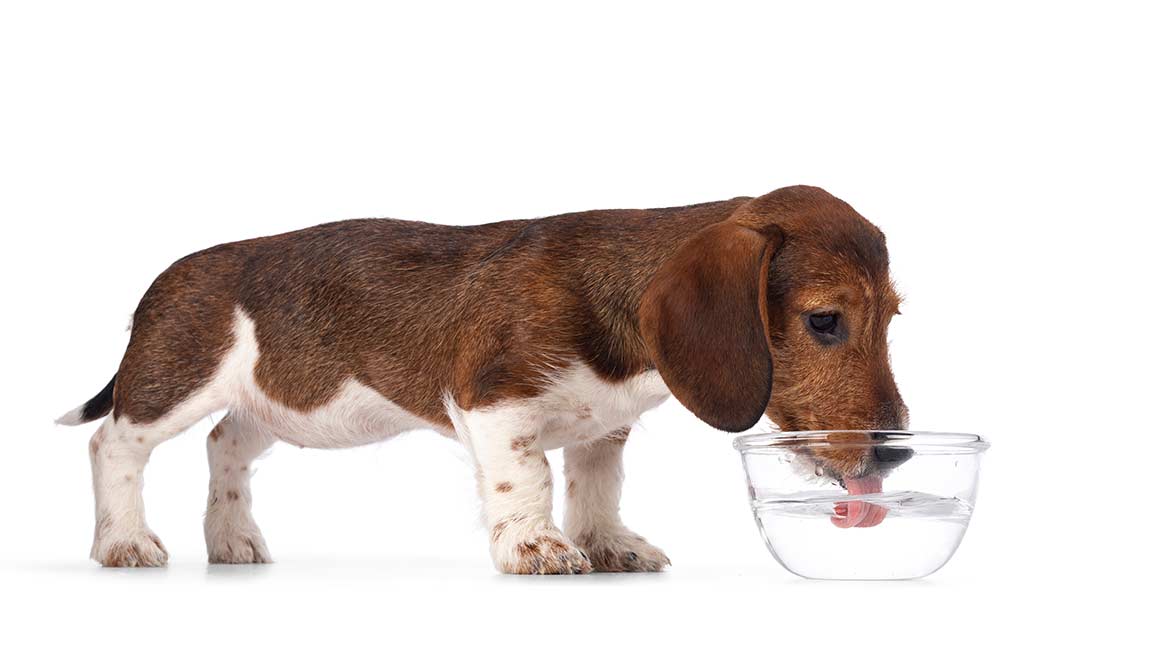
Image Source: goldendoodles.net
Why Do Dog Water Bowls Get Slimy?
The slimy texture you find in your dog’s water bowl is a sign of bacterial growth. Several factors contribute to this:
Bacterial Colonization
Water, especially when left standing, is a breeding ground for bacteria. Dogs’ mouths contain a diverse range of bacteria, and when they drink, these bacteria transfer to the bowl. Even a small amount of saliva left behind can start the process.
Biofilm Formation
This slimy layer is essentially a biofilm. A biofilm is a community of microorganisms, like bacteria and fungi, that adhere to a surface and secrete a protective slime layer. This slime, often called dog bowl slime, helps them stick to the bowl and protects them from disinfectants and drying out.
Factors Encouraging Slime
- Warm Temperatures: Bacteria thrive in warmer environments. A bowl left in direct sunlight or a warm room will likely develop slime faster.
- Stagnant Water: Water that isn’t regularly refreshed or moved allows bacteria to multiply undisturbed.
- Food Debris: Small bits of kibble or other food that fall into the water bowl can provide nutrients for bacteria.
- Bowl Material: Some materials are more prone to bacterial growth than others. Ceramic and stainless steel are generally easier to clean and less porous than plastic.
The Health Risks of a Slimy Dog Water Bowl
A slimy water bowl isn’t just unsightly; it poses real health risks to your canine companion.
Bacterial Infections
The bacteria that create the slime can cause various infections in dogs, including:
- Gastrointestinal Upset: Vomiting and diarrhea can occur if a dog ingests too much harmful bacteria.
- Dental Issues: Some bacteria can contribute to plaque buildup and gum disease.
- Skin Irritations: If a dog’s face constantly touches a slimy bowl, it can lead to irritation or hot spots around their mouth and chin.
The Importance of Dog Water Bowl Hygiene
Regular dog water bowl maintenance is a cornerstone of preventative care for your pet. It ensures they have access to clean, safe drinking water, which is essential for their overall health, energy levels, and digestion.
How to Prevent Dog Water Bowl Slime
Prevention is always better than cure when it comes to dog water bowl slime. Here are practical strategies to stop it before it starts.
1. Daily Water Refresh
This is the simplest and most effective way to combat slime.
- Empty and Rinse: Every day, empty the old water and give the bowl a quick rinse.
- Fresh Water: Refill with fresh, cool water. This disrupts any nascent bacterial colonies and prevents the water from becoming stagnant.
2. Regular Washing
Beyond the daily rinse, a more thorough cleaning is necessary.
- Frequency: Aim to wash the water bowl thoroughly at least once every 2-3 days. If you have multiple dogs or a dog that tends to get food in their water, daily washing might be even better.
- Method: Use hot, soapy water. A dedicated sponge or brush for the dog bowls is a good idea to avoid cross-contamination.
3. Choosing the Right Bowl Material
The material of your dog’s water bowl plays a significant role in how easily slime forms and how easy it is to clean.
Stainless Steel Bowls
- Pros: Non-porous, durable, easy to clean, resistant to chipping and scratching, which can harbor bacteria.
- Cons: Can be noisy, some dogs might not like the metallic taste.
Ceramic Bowls
- Pros: Heavy (less likely to tip), often aesthetically pleasing, non-porous when glazed, easy to clean.
- Cons: Can chip or crack, which creates surfaces for bacteria to hide; can be heavy to lift.
Plastic Bowls
- Pros: Lightweight, inexpensive, come in many colors and styles.
- Cons: Porous, prone to scratches that harbor bacteria, can absorb odors, some dogs may develop “plastic acne” around their mouths from contact. If you use plastic, opt for high-quality, BPA-free materials.
Glass Bowls
- Pros: Non-porous, easy to clean, durable.
- Cons: Can break, might be heavier.
Table: Bowl Material Comparison
| Material | Porosity | Ease of Cleaning | Durability | Bacterial Resistance | Recommendation |
|---|---|---|---|---|---|
| Stainless Steel | Low | High | High | High | Excellent |
| Ceramic | Low (glazed) | High | Medium | High | Very Good |
| Glass | Low | High | Medium | High | Very Good |
| Plastic | High | Low | Low | Low | Use with Caution |
4. Bowl Placement
Where you place the water bowl can influence cleanliness.
- Avoid Direct Sunlight: Sun can warm the water and encourage algae growth, contributing to slime.
- Keep Away from Food Area (if possible): While not always feasible, keeping the water bowl slightly separate from the eating area can reduce the amount of food debris that falls into it.
- Elevated Bowls: Some argue that elevated bowls can reduce the amount of debris that gets into the water, but this is not a universally proven method for slime prevention.
5. Water Quality
While not a direct cause of slime, using filtered water can contribute to overall hygiene. However, regular tap water is usually fine if the bowl is cleaned frequently.
How to Eliminate Dog Bowl Slime: The Best Way to Clean
When slime does appear, it’s time for a more rigorous cleaning to eliminate dog bowl slime effectively.
Step-by-Step Cleaning Process
- Empty and Scrape: Discard the old water. Use a sponge or brush to scrape away any visible slime or residue.
- Hot, Soapy Water Wash: Fill the bowl with hot water and add a few drops of mild dish soap.
- Scrub Thoroughly: Use a dedicated sponge, brush, or even a scouring pad (for stubborn slime on durable bowls) to scrub all interior surfaces, paying attention to the rim and bottom. For hard-to-reach areas, a bottle brush can be useful.
- Rinse Well: Rinse the bowl thoroughly with clean water to remove all soap residue. Any leftover soap can be harmful to your dog.
- Sanitize (Optional but Recommended): For a deeper clean and to kill lingering bacteria, you can sanitize the bowl.
- Vinegar Soak: Fill the bowl with a solution of 1 part white vinegar to 4 parts water. Let it soak for 30 minutes to an hour. Vinegar is a natural disinfectant and deodorizer. Rinse thoroughly after soaking.
- Diluted Bleach (Use with Extreme Caution): If you choose to use bleach, dilute it significantly (1 teaspoon of bleach per gallon of water). Soak the bowl for 5-10 minutes, then rinse extremely well with plenty of clean water to ensure no bleach residue remains. Never mix bleach with vinegar or other cleaners.
- Dishwasher: Many stainless steel and ceramic bowls are dishwasher safe. Check the manufacturer’s instructions. A hot cycle with a heated dry can effectively sanitize.
- Air Dry: Allow the bowl to air dry completely before refilling. This helps prevent moisture from lingering, which can encourage new bacterial growth.
Eliminating Dog Bowl Slime: Key Tools
- Dedicated Sponge/Brush: Keep a separate cleaning tool just for dog bowls.
- Bottle Brush: Useful for cleaning the inside of narrow-mouthed bowls or water dispensers.
- Scouring Pad: For tougher grime on durable materials.
- Mild Dish Soap: Avoid harsh detergents.
Dealing with Specific Issues: Dog Water Bowl Algae and Dog Water Bowl Biofilm
While slime is the most common issue, sometimes you might encounter other problems.
Dog Water Bowl Algae
Algae can grow in water bowls, especially if they are placed in sunlight or if the water is frequently left unchanged. Algae can contribute to slime and make the water unappealing.
Prevention:
* Place bowls out of direct sunlight.
* Refresh water daily.
* Clean the bowl regularly.
Elimination:
* The thorough cleaning process described above, especially the vinegar soak, is effective against algae.
* Scrubbing with a brush will physically remove algae.
Dog Water Bowl Biofilm
As mentioned, the slime itself is a biofilm. Once a biofilm is established, it can be more persistent.
Prevention:
* The key is to disrupt the biofilm before it becomes established. Daily rinsing and regular deep cleaning are crucial.
* Using smoother, less porous bowl materials (like stainless steel or glazed ceramic) makes it harder for biofilm to adhere.
Elimination:
* Mechanical scrubbing is essential to break down the physical structure of the biofilm.
* Sanitizing agents like vinegar or a very diluted bleach solution (used with extreme caution and thorough rinsing) can kill the microorganisms within the biofilm.
Dog Water Bowl Maintenance: A Routine for Health
Establishing a consistent dog water bowl maintenance routine is key to preventing slime and ensuring your dog’s health.
Daily Checklist
- Check water level and top up if needed.
- Quick rinse of the bowl.
- Inspect for any debris or slime.
Weekly Checklist
- Thoroughly wash the water bowl with hot, soapy water.
- Sanitize the bowl (e.g., vinegar soak).
- Allow to air dry completely.
- Consider washing the dog’s food bowl at the same time.
Monthly Checklist
- Inspect the water bowl for any scratches or damage that could harbor bacteria. Replace if necessary.
- Deep clean any water dispensers or fountains according to manufacturer instructions.
Frequently Asked Questions (FAQ)
Q1: How often should I clean my dog’s water bowl?
A1: It’s best to rinse and refill your dog’s water bowl daily. For a thorough wash, aim for every 2-3 days, or even daily if your dog tends to get a lot of food or debris in their water.
Q2: Can I use bleach to clean my dog’s water bowl?
A2: Yes, but with extreme caution. Use a very diluted solution (1 teaspoon of bleach per gallon of water), soak for only 5-10 minutes, and rinse very thoroughly with plenty of clean water multiple times. Ensure no bleach residue remains, as it is toxic to dogs. Vinegar is a safer, natural alternative for sanitizing.
Q3: What is the best material for a dog water bowl?
A3: Stainless steel and glazed ceramic are generally considered the best materials because they are non-porous, durable, and easy to clean, which helps prevent dog bowl slime.
Q4: My dog won’t drink from a clean bowl. What should I do?
A4: Some dogs are particular. Ensure the bowl is thoroughly rinsed after washing to remove any soap or sanitizer residue. If you’ve switched materials, it might take your dog a few days to adjust.
Q5: Is dog bowl slime dangerous?
A5: Yes, the slime is made of bacteria and other microorganisms that can cause gastrointestinal upset or other health issues if ingested in large quantities. Maintaining dog water bowl hygiene is important to prevent these risks.
By implementing these simple, research-backed tips, you can effectively prevent and eliminate that unpleasant dog water bowl slime, ensuring your furry friend always has access to clean, healthy drinking water.