
Can you keep your garage warm enough for your dog during winter? Yes, you absolutely can and should if your dog spends time there, even if it’s just a temporary resting spot. Keeping your garage warm for your dog is crucial for their health and comfort during the colder months. Garages, especially those not attached to a heated house, can quickly become frigid, posing serious risks to a dog’s well-being, from frostbite to hypothermia. This guide will explore the best ways to create a cozy and safe winter haven for your canine companion.
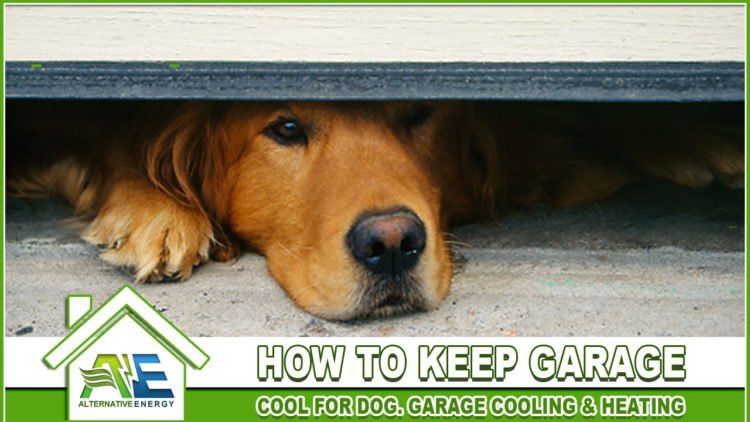
Image Source: powersolarphoenix.com
Ensuring a Safe and Warm Environment
When thinking about keeping your garage warm for your dog, safety and consistent warmth are the primary goals. Your dog relies on you to provide a comfortable living space, and a cold garage is far from ideal. We’ll delve into various garage heating solutions for pets and how to effectively implement them.
Insulating a Garage for Dog Safety
Before you even think about heating, the first and most important step is insulating a garage for dog safety. Insulation acts like a cozy blanket for your garage, preventing heat from escaping and cold from seeping in. Without proper insulation, any heating efforts will be far less effective and more costly.
Why Insulation Matters
- Temperature Regulation: Insulation helps maintain a stable temperature, keeping it warmer in winter and cooler in summer.
- Energy Efficiency: A well-insulated garage requires less energy to heat, saving you money on utility bills.
- Moisture Control: Insulation can help prevent condensation, which can lead to mold and mildew, creating an unhealthy environment for your dog.
- Sound Dampening: It can also reduce noise from the outside, creating a calmer space for your pet.
Common Insulation Materials and Methods
There are several ways to insulate your garage, ranging from DIY projects to professional installations.
DIY Garage Insulation for Dogs
If you’re looking for DIY garage insulation for dogs, there are several accessible options:
- Spray Foam Insulation: This is highly effective but can be a bit more involved for DIY. It expands to fill every gap, creating a superior barrier.
- Rigid Foam Boards: These are easy to cut and fit between studs or attach to existing walls. They offer good R-value (resistance to heat flow) for their thickness.
- Fiberglass Batts: Similar to what you might find in home walls, these are cost-effective and readily available. However, they need to be handled with care due to fiberglass fibers.
- Bubble Wrap Reflective Insulation: This is a more budget-friendly option and can add a layer of thermal resistance, especially when combined with other methods. It works by reflecting radiant heat.
Installation Tips for DIY Insulation:
- Seal Air Leaks: Before insulating, thoroughly inspect for gaps and cracks around windows, doors, and where walls meet the floor or ceiling. Use caulk or weatherstripping to seal these.
- Ventilation: While you want to seal for insulation, ensure proper ventilation to prevent moisture buildup and gas accumulation if you plan to use any heating devices. Small, controlled vents can be beneficial.
- Wall and Ceiling Coverage: Aim to insulate all walls and the ceiling of the portion of the garage your dog will occupy. If the garage is attached to your house, ensure the shared wall is also well-insulated.
Professional Insulation Services
For the most effective and long-lasting insulation, consider professional services. They can assess your garage’s specific needs and apply a range of solutions, including blown-in insulation or professionally installed spray foam.
Creating a Dedicated Dog Space
Once your garage is well-insulated, designate a specific area for your dog that is as far as possible from the main garage door. This “dog zone” should be protected from drafts and have a comfortable resting place.
Dog Houses or Enclosures
If your dog will be spending significant time in the garage, consider a well-insulated dog house or a dedicated enclosure within the garage space.
Heated Dog Beds for Garages
A key component of warming a garage for winter dog housing is providing a warm place to sleep. Heated dog beds for garages are an excellent solution.
-
Types of Heated Beds:
- Electric Heated Beds: These plug into an outlet and provide consistent, gentle warmth. Look for models with safety features like chew-resistant cords and low voltage.
- Self-Warming Beds: These beds use reflective materials to trap the dog’s body heat, requiring no electricity. They are a safe and energy-efficient option.
-
Placement is Key: Place the heated bed in a draft-free corner of the dog’s designated area, perhaps within a crate or a small, enclosed dog house inside the garage.
Preventing Cold in Dog Garage Shelters
Even with insulation, preventing cold in dog garage shelters requires a multi-pronged approach.
- Elevated Beds: Keeping your dog off the cold concrete floor is vital. Use elevated beds or platforms to create an extra layer of insulation.
- Draft Barriers: Use blankets, towels, or even pet-safe curtains around the dog’s sleeping area to block any residual drafts.
- Water Bowls: Ensure water bowls are not placed near any drafts and consider heated water bowls to prevent freezing.
Effective Garage Heating Solutions for Pets
Now that the foundation of insulation is laid, let’s explore best garage heating options for animals and how to implement them safely. Climate control for dog garage enclosures is about balancing warmth with safety and efficiency.
Safe Electric Heaters for Dogs in Garages
When considering electric heaters, safety is paramount. You need safe electric heaters for dogs in garages that are specifically designed with pets in mind.
-
Ceramic Heaters with Safety Features:
- Tip-Over Protection: The heater should automatically shut off if it’s knocked over.
- Overheat Protection: This feature prevents the unit from getting too hot.
- Cool-Touch Exterior: The outer casing should remain cool to prevent burns if your dog accidentally touches it.
- Enclosed Heating Elements: The heating elements should be safely enclosed so your dog cannot come into direct contact with them.
-
Radiant Heaters: These heaters warm objects directly rather than the air, which can be effective for a concentrated warm spot without overheating the entire space. Again, ensure they have safety features.
-
Pet-Specific Heaters: Some manufacturers offer heaters designed explicitly for pets, often with lower wattage and enhanced safety measures.
Considerations for Electric Heaters:
- Wattage: Choose a heater appropriate for the size of your garage space and the level of insulation. Overly powerful heaters can be a fire risk, while underpowered ones won’t be effective.
- Thermostat Control: A heater with an adjustable thermostat allows you to set a specific temperature, preventing overheating and conserving energy.
- Placement: Position the heater away from flammable materials (like bedding or stored items) and ensure it’s not directly accessible to your dog. It should be elevated slightly if possible or placed on a stable surface.
- Cord Management: Secure all cords to prevent chewing. Use cord protectors or run them along walls and secure them out of reach.
Portable Heaters for Dog Houses
If your dog has a separate dog house within the garage, portable heaters for dog houses can be an excellent option.
- Small Ceramic Heaters: Many compact ceramic heaters are suitable for small, enclosed spaces. Ensure they have the safety features mentioned above.
- Heated Mats: A heated mat placed inside the dog house can provide a warm surface for your dog to lie on.
Important Note: Never use propane or kerosene heaters in an enclosed garage space with a dog. These produce carbon monoxide and can be lethal. Only use electric heaters with appropriate safety certifications.
Other Warming Methods
- Insulated Curtains or Dividers: Use heavy-duty, insulated curtains or partitions to create a smaller, more manageable heated zone within the garage. This concentrates the heat where your dog spends most of their time.
- Thermal Reflective Materials: While not a primary heat source, lining walls or floors with thermal reflective material can help retain any generated heat.
Maintaining Optimal Temperature and Safety
Regular checks and proactive measures are key to ensuring your garage remains a safe and warm haven.
Monitoring the Temperature
- Thermometer: Place a reliable indoor/outdoor thermometer in your dog’s area. Check it regularly, especially during extreme weather. Aim for a consistent temperature between 50-70°F (10-21°C), depending on your dog’s breed and coat.
- Observe Your Dog: Pay close attention to your dog’s behavior. Signs of being too cold include shivering, whining, restlessness, and seeking out warmer spots.
Safety Checks
- Regular Inspections: Periodically inspect all heating equipment, electrical cords, and insulation for any signs of damage or wear.
- Preventing Access: Ensure your dog cannot reach or chew on any electrical components or heating elements.
- Ventilation: Double-check that ventilation is adequate to prevent the buildup of any fumes, even from electric heaters.
What to Avoid
- Open Flames: Never use candles, fireplaces, or any open-flame heating devices in the garage.
- Unsafe Heaters: Avoid portable propane or kerosene heaters. Also, steer clear of older, uncertified electric heaters without modern safety features.
- Direct Contact with Heating Elements: Ensure your dog cannot directly touch any part of a heater that gets hot.
Frequently Asked Questions (FAQ)
Q1: Is it safe to leave an electric heater on all night in a garage for my dog?
A1: Yes, provided it’s a modern, certified electric heater with multiple safety features like tip-over shut-off, overheat protection, and a cool-touch exterior. It should also have a thermostat to maintain a consistent, safe temperature. Always ensure cords are secured and out of reach.
Q2: Can my dog get too hot in the garage if I use a heater?
A2: It’s possible if the heating is not regulated. Using a heater with a thermostat is crucial. Monitor the temperature with a thermometer and observe your dog’s behavior. If they are panting or seem uncomfortable, the temperature is too high.
Q3: What’s the best way to insulate a garage door for my dog?
A3: You can buy garage door insulation kits that use foam panels or reflective bubble wrap. Ensure a snug fit to prevent drafts. Sealing the edges with weatherstripping is also vital.
Q4: Can I use a dog house heater inside an uninsulated garage?
A4: While a heated dog house can help, it’s not ideal in an uninsulated garage. The cold will still seep in and make the heater work much harder, potentially not keeping the dog warm enough. Insulation is always the first step.
Q5: How can I keep my dog’s water from freezing in a cold garage?
A5: Use a heated water bowl designed for pets. Alternatively, place the water bowl in a well-insulated area, elevated from the floor, and check it frequently to break any ice that might form.
Q6: My garage is attached to my house. Does that make it warmer?
A6: An attached garage can be slightly warmer due to heat transfer from your house, but it’s still not guaranteed to be at a safe temperature for your dog, especially during very cold weather. Proper insulation and supplemental heating are still recommended for the dog’s living space within the garage.
By following these comprehensive steps, you can transform your garage into a warm, safe, and comfortable winter retreat for your beloved canine companion. Remember, the key is a combination of solid insulation, reliable and safe heating methods, and constant vigilance to ensure your dog enjoys a cozy winter.