
Can I keep my dog off the counter? Yes, absolutely! Keeping your dog off the counter is achievable with the right strategies and consistent effort. This guide will delve into effective methods to stop dog on counter behaviors and explore various deterrents for dogs on counters, helping you train dog off counter successfully and prevent dogs from jumping on counters. We’ll also look at why dogs go on counters, discuss humane ways to keep dog off counter, and offer tips for keeping dog out of kitchen and dog proofing counters to address dog behavior counter surfing.
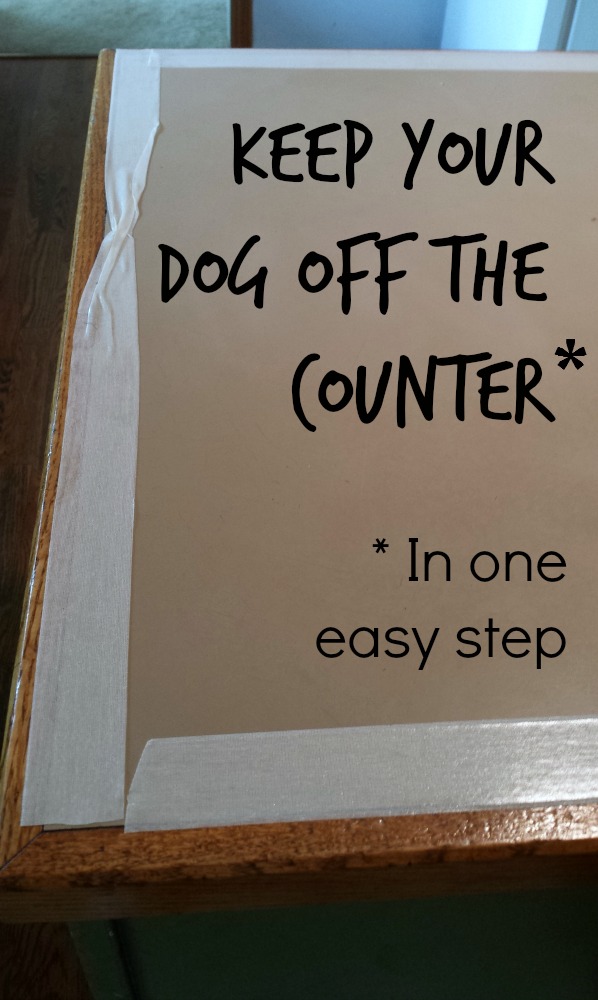
Image Source: www.makesomethingdaily.com
Why Dogs Jump on Counters
Fathoming why dogs go on counters is the first step in solving the problem. Counter surfing, as this behavior is known, is often driven by a dog’s natural instincts and their environment. Dogs are curious creatures with a keen sense of smell. Counters are often where delicious food is stored, prepared, and sometimes dropped.
- Food Motivation: This is the most common reason. Dogs have excellent noses and can smell food from a distance. If they’ve ever found a tasty morsel on the counter, they’ll remember it and likely try again. The allure of dropped crumbs, forgotten snacks, or even just the scent of meat can be irresistible.
- Curiosity and Exploration: Dogs explore the world with their noses and mouths. The counter is a high vantage point, offering new smells and sights. It’s a whole new territory to investigate.
- Boredom and Lack of Stimulation: A bored dog will find their own entertainment. Counter surfing can become a fun activity if a dog isn’t getting enough mental or physical exercise. They might be looking for something to do.
- Seeking Attention: Sometimes, dogs learn that jumping on the counter gets a reaction from their owners, even if it’s a negative one. They might be seeking interaction.
- Access to Resources: In some cases, especially with food-guarding tendencies, a dog might see the counter as a place to hoard or protect food if it feels insecure.
- Thirst: If a dog is thirsty, they might try to lick condensation off dishes or even knock over glasses.
Strategies to Stop Dog Counter Surfing
The key to success is a multi-pronged approach. We need to make the counter unappealing while teaching your dog what you do want them to do.
Making Counters Less Appealing
One of the most effective ways to keep dog off counter is to make the surface itself unpleasant for them. This is where deterrents for dogs on counters come into play.
Physical Deterrents
These are passive methods that discourage your dog from jumping up when you’re not around to supervise.
- Food-Grade Mats with Spikes (Scat Mats): These are plastic mats with blunt plastic nubs. When your dog jumps up, the nubs are uncomfortable under their paws, teaching them that the counter is an unpleasant place to be. They don’t harm the dog but provide a startling sensation.
- Stacked Baking Sheets or Pans: Place empty metal baking sheets or pans on the edge of the counter. When your dog jumps up, they will likely knock these over, creating a loud noise that can startle them and make them retreat. The noise is the deterrent here.
- Aluminum Foil: Many dogs dislike the crinkly sound and feel of aluminum foil. Covering the counter surface with foil can be an effective, temporary deterrent.
- Sticky Mats (like Sticky Paws): These are double-sided adhesive strips that can be placed on the edge of counters. When a dog’s paws touch them, they get stuck, which is unpleasant and startling. Ensure they are safe for your surfaces.
Scent Deterrents
Dogs have sensitive noses, and certain smells can be off-putting.
- Citrus Sprays: Natural citrus scents (lemon, orange, grapefruit) are often disliked by dogs. You can buy commercial citrus-based deterrent sprays or make your own by boiling citrus peels in water and letting it cool. Always test on an inconspicuous area of your counter first to ensure it doesn’t damage the material.
- Vinegar Sprays: A diluted vinegar spray can also be effective. Mix equal parts white vinegar and water. Again, test for surface compatibility. The strong smell can deter many dogs.
- Commercial Dog Repellent Sprays: There are many commercially available sprays designed to deter dogs. Look for pet-safe options that use scents dogs find unpleasant.
Important Note on Deterrents: Always introduce deterrents gradually. If you use a deterrent while you’re home, your dog might associate the punishment with you, not the counter. The goal is for them to learn that the counter itself is the problem.
Management and Prevention
While you’re working on training, it’s crucial to prevent your dog from practicing the unwanted behavior.
- Keep Counters Clear: This is perhaps the most vital step. If there’s no food or interesting items on the counter, there’s less incentive for your dog to jump up. Put away all food, dirty dishes, and anything else that might attract your dog. This is a crucial part of dog proofing counters.
- Supervise Your Dog: When you can’t actively supervise your dog, especially during the training phase, it’s best to confine them to a dog-proofed area of the house (like a crate, a playpen, or a room where they can’t access the kitchen counters). This is a key aspect of keeping dog out of kitchen when necessary.
- Don’t Leave Food Unattended: Even for a moment, never leave food accessible on the counter. This reinforces the idea that the counter is a place where good things can be found.
Training Methods to Train Dog Off Counter
Consistent training is essential. You need to teach your dog that jumping on the counter is not allowed and provide them with acceptable alternatives.
Positive Reinforcement for Alternative Behaviors
This method focuses on rewarding desired behaviors.
- Reward “Four on the Floor”: When your dog is in the kitchen and has all four paws on the floor, praise them and give them a treat. This teaches them that good things happen when they stay grounded.
- Teach a “Place” Command: Train your dog to go to a specific mat or bed in the kitchen and stay there. Reward them generously for staying on their “place.” This gives them a designated spot to be when you’re in the kitchen.
- “Off” Command: When you catch your dog with even one paw on the counter, calmly and firmly say “Off.” As they step down, immediately praise them and give them a treat. The key is to reward the act of getting off, not just to scold them for being on.
Negative Punishment (Removing Something Desired)
This is a common and effective training technique.
- Remove the Reward: If you see your dog jump on the counter, immediately remove any food or interesting items from the counter. This takes away the reward they were seeking.
- Interrupt and Redirect: If you catch them in the act, make a startling noise (like a clap of your hands) to interrupt the behavior. Then, immediately redirect them to an acceptable activity, such as playing with a toy or going to their “place.”
Correction (Use with Caution)
Corrections should be mild and immediate. The goal is to startle and discourage, not to inflict pain or fear.
- Noise Deterrents: As mentioned with the baking sheets, a sudden, loud noise can be effective. You can also use a can of pennies or a shaker can. The moment they jump up, shake the can.
- Water Spray Bottle: A quick squirt of water from a spray bottle can be a deterrent for some dogs. Aim for the body, not the face. It’s important that the dog doesn’t see you spraying them, but rather associates the unpleasant spray with the act of jumping.
Crucial Training Principles:
- Consistency is Key: Everyone in the household must follow the same rules and training methods. Inconsistency will confuse your dog and hinder progress.
- Timing is Everything: The correction or reward must happen immediately when the behavior occurs. Dogs live in the moment, so a delayed reaction won’t be understood.
- Positive Reinforcement First: Always try positive methods before resorting to corrections. Building a positive relationship with your dog is paramount.
- Be Patient: Training dog off counter takes time and repetition. Don’t get discouraged by setbacks.
- Never Punish After the Fact: If you find evidence of counter surfing after it happened (e.g., a mess on the floor), do not punish your dog. They won’t connect the punishment to the action.
Advanced Techniques and Considerations
Sometimes, standard methods need a bit of an upgrade or a different approach.
Impulse Control Training
Teaching your dog to control their impulses is a valuable skill that directly combats counter surfing.
- “Leave It” Command: This command teaches your dog to ignore tempting items. Practice with treats on the floor, then on low surfaces, gradually increasing the difficulty.
- Wait for Food: Teach your dog to wait politely for their food bowl. This instills patience and self-control around food.
Environmental Enrichment
A dog that is mentally and physically stimulated is less likely to seek out trouble.
- Adequate Exercise: Ensure your dog is getting enough physical activity each day. A tired dog is a good dog.
- Mental Stimulation: Provide puzzle toys, food-dispensing toys, and training sessions to keep your dog’s mind engaged. A bored dog is more prone to developing problem behaviors.
- Appropriate Chew Toys: Offer a variety of safe and engaging chew toys. This gives them an outlet for their natural chewing instincts.
Dealing with Specific Scenarios
Preventing Dogs from Jumping on Counters When You’re Not Home
This is where management and passive deterrents are most important.
- Secure Pet Gates: Use pet gates to block off the kitchen entirely if necessary.
- Crate Training: A properly introduced crate can be a safe haven for your dog when you’re out.
- Professional Pet Sitters/Dog Walkers: If you’re gone for long periods, consider having someone check on your dog or take them for a walk.
What If My Dog is a Persistent Counter Surfer?
If you’ve tried various methods and are still struggling, it might be time to consult a professional.
- Certified Professional Dog Trainer (CPDT-KA or CPDT-KSA): A qualified trainer can assess your dog’s specific behavior and provide tailored training plans.
- Veterinary Behaviorist: For severe or complex cases, a veterinary behaviorist can rule out any underlying medical issues and offer advanced behavioral modification strategies.
Summarizing Humane Ways to Keep Dog Off Counter
The core of humane ways to keep dog off counter lies in preventing the behavior, teaching alternatives, and making the counter itself unappealing without causing distress.
- Prevention: Management, clear counters, and supervision.
- Positive Reinforcement: Rewarding good behavior (four on the floor, “place” command).
- Redirection: Interrupting the behavior and offering an alternative.
- Deterrents: Using scent or physical deterrents that the dog finds unpleasant.
- Environmental Enrichment: Providing adequate exercise and mental stimulation.
- Impulse Control: Teaching commands like “leave it” and waiting for rewards.
It’s about teaching your dog what to do rather than just punishing what they shouldn’t do. This builds a stronger bond and a happier, more well-behaved pet.
Common Misconceptions About Dog Counter Surfing
It’s important to address some common myths that can hinder effective training.
- “My dog is just being naughty.” While it might seem like defiance, counter surfing is usually driven by instinct, opportunity, or boredom. It’s rarely malicious.
- “My dog will grow out of it.” Some dogs might, but most need guidance and training to stop this behavior.
- “Yelling scares them straight.” While a startled noise can interrupt, yelling can often create fear and anxiety, potentially leading to other behavioral issues, and the dog might learn to counter surf when you’re not there to yell.
Table: Comparing Deterrent Strategies
| Deterrent Type | Examples | Pros | Cons | Best For |
|---|---|---|---|---|
| Physical | Scat mats, stacked pans, foil, sticky mats | Effective without direct owner intervention | Can be expensive, need regular resetting, potential for startling/fear if not used properly | Preventing access when unsupervised, dogs easily startled by noise/texture |
| Scent | Citrus sprays, vinegar, repellent sprays | Generally low-impact, can be natural/DIY | May not work for all dogs, requires reapplication, can damage surfaces if not tested | Dogs sensitive to smells, supplementing other methods, initial deterrent |
| Management | Gates, crates, supervision, clear counters | Highly effective in preventing practice, builds good habits | Requires active effort from owner, not always practical | All dogs, especially during training, puppies, new dogs, those prone to theft |
| Training Commands | “Off,” “Place,” “Leave It” | Builds communication, teaches alternatives, empowers dog | Requires time, consistency, and positive reinforcement | All dogs, essential for long-term behavior change, reinforcing good choices |
Frequently Asked Questions (FAQ)
Q1: How can I stop my dog from jumping on counters immediately?
Immediate stopping is difficult, but management is key. While you work on training, block access to the kitchen or use strong deterrents when you can’t supervise. Keep counters clear of anything tempting.
Q2: Is it okay to spray my dog with water if they jump on the counter?
A gentle spray of water can be a deterrent for some dogs, but it’s not always effective and can create fear if not used correctly. Ensure the dog doesn’t associate the spray with you, but rather with the counter. Positive reinforcement for staying off the counter is generally preferred.
Q3: My dog only jumps on the counter when I’m not home. What should I do?
This is common. Focus on management: block off the kitchen with gates, crate train your dog, or provide plenty of engaging enrichment in a safe area. Use passive deterrents on the counters as well.
Q4: How long does it take to train a dog off the counter?
Training times vary greatly depending on the dog’s age, breed, temperament, past experiences, and the owner’s consistency. Some dogs respond in a few weeks, while others might take several months. Patience and persistence are crucial.
Q5: Can I use an electronic collar (shock collar) to stop counter surfing?
While some might consider this, most professional trainers and behaviorists strongly advise against using electronic collars for counter surfing. These devices can cause fear, anxiety, and aggression, and they don’t address the underlying reasons for the behavior. Humane, positive methods are always recommended.
Q6: My dog managed to get food from the counter. Should I punish them when I find it?
No. Punishing your dog after the fact is ineffective. They won’t connect the punishment to the action that happened earlier. Clean up the mess without punishing your dog, and focus on better management and prevention to stop it from happening again.
Q7: What if my dog jumps on the counter to try and get my attention?
If attention-seeking is the primary driver, ensure your dog is getting enough positive attention and interaction from you throughout the day. When you see them seeking attention appropriately (e.g., sitting calmly), reward that behavior. If they jump on the counter for attention, calmly remove them and redirect them to an acceptable way of interacting, then give them attention once they are on the floor.
By implementing a combination of management, deterrents, and consistent, positive training, you can effectively keep your dog off the counter and foster a harmonious living environment. Remember, patience, consistency, and a deep understanding of your dog’s motivations are your greatest tools.