
Can I make my dog stop barking in the crate? Yes, you can make your dog stop barking in the crate by implementing a consistent training program that focuses on positive reinforcement and gradual desensitization to crate confinement.
Crate training can be a wonderful tool for dog owners, offering a safe haven for your pet and providing peace of mind when you need to leave them unsupervised. However, many dog owners face a common challenge: their dog barks incessantly when placed in the crate. This puppy barking, or even adult dog barking, can be disruptive and stressful for everyone involved. But don’t despair; with patience and the right approach, you can help your dog become comfortable and quiet in their crate.
This comprehensive guide will walk you through effective strategies and proven techniques to address dog barking solutions for crate confinement, transforming your dog’s crate from a source of anxiety into a secure den.
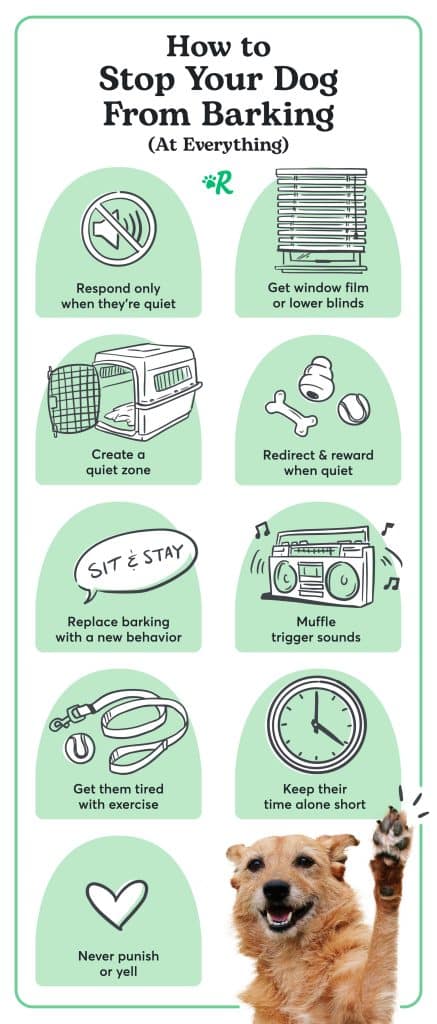
Image Source: www.rover.com
Deciphering Why Dogs Bark in Crates
Before we can stop the barking, it’s crucial to grasp why dogs bark in crates. Barking is a dog’s primary form of communication, and understanding the root cause is the first step to solving the problem.
Common Reasons for Crate Barking:
- Anxiety or Fear: This is often linked to separation anxiety, where a dog feels distressed when left alone. The crate can amplify these feelings if not introduced correctly.
- Boredom: Dogs need mental and physical stimulation. If a dog is not tired or engaged, they may bark to entertain themselves or seek attention.
- Need to Go Potty: Young puppies, especially, may bark to signal they need to be let out for a bathroom break.
- Discomfort or Pain: While less common, a dog might be barking due to physical discomfort, such as an injury or an ill-fitting crate.
- Attention Seeking: If barking has previously resulted in the owner returning, the dog learns that barking gets them attention.
- Frustration: A dog may bark out of frustration if they cannot reach something they want, like you.
The Foundation: Positive Reinforcement Crate Training
The cornerstone of any successful crate training program is positive reinforcement. This means rewarding desired behaviors to encourage them. For crate training, the goal is to make the crate a happy, safe place.
Key Principles of Positive Reinforcement for Crate Training:
- Association: The crate should be associated with good things, like treats, toys, and praise.
- Gradual Introduction: Never force your dog into the crate. Let them explore it at their own pace.
- Rewards: High-value treats (small pieces of chicken, cheese, or special training treats) are excellent motivators.
- Timing: Reward your dog the moment they exhibit a desired behavior (e.g., entering the crate, lying down quietly).
- Consistency: Everyone in the household must follow the same training rules.
Gradual Introduction to the Crate: Building a Positive Association
This is perhaps the most critical phase. Rushing this process is a common mistake that leads to barking.
Steps for Gradual Introduction:
- Make the Crate Appealing:
- Place comfortable bedding inside.
- Toss a few tasty treats or a favorite chew toy inside the crate.
- Leave the crate door open.
- Encourage Exploration:
- Let your dog investigate the crate.
- Praise them softly if they show interest or step inside.
- Do not coax them or force them.
- First Entries:
- When your dog voluntarily steps inside, toss a treat a little further in.
- If they go all the way in, praise them and let them come out on their own.
- Repeat this several times during short training sessions.
- Short Durations with the Door Closed:
- Once your dog is comfortable entering the crate, start closing the door for very short periods (a few seconds).
- As soon as you close the door, give them a high-value treat or a safe chew toy.
- Open the door before they start to fuss or bark.
- Gradually increase the time the door is closed, always pairing it with a rewarding item.
Important Note: If your dog starts to bark or whine, you have progressed too quickly. Go back to the previous step where they were comfortable.
Addressing Barking Through Desensitization and Counter-Conditioning
Desensitization is the process of gradually exposing your dog to a stimulus at a low intensity, while counter-conditioning involves changing your dog’s emotional response from negative to positive. Together, they are powerful tools for calming a dog that barks in the crate.
Desensitization and Counter-Conditioning Steps:
- Associate Crate with Positive Events:
- Feed your dog meals inside or near the crate.
- Give them special chew toys only when they are in the crate.
- Play calming music or white noise when they are in the crate.
- Short, Positive Crate Stays:
- Start with leaving your dog in the crate for just a minute or two.
- Ensure they have a positive distraction, like a stuffed Kong.
- Return before they show any signs of distress.
- Praise and reward them when you return.
- Gradually Increase Duration:
- Slowly extend the time your dog spends in the crate. Aim for gradual increases of 5-10 minutes at a time.
- If barking occurs, it means you’ve increased the duration too much. Backtrack to a shorter time frame.
- Introduce Absence:
- Once your dog is settled in the crate for longer periods with you present, start introducing short absences.
- Begin by stepping out of sight for a few seconds, then return.
- Gradually increase the length of your absences.
- Crucially, always return to a calm dog. If they are barking when you return, wait for a brief pause in barking before opening the crate. This teaches them that quiet behavior is what earns release.
Dealing with Separation Anxiety and Crate Barking
Separation anxiety is a significant factor in crate barking. Dogs with this condition experience genuine distress when separated from their owners. Crate confinement can exacerbate these feelings if the dog perceives the crate as a prison rather than a safe space.
Signs of Separation Anxiety:
- Excessive barking, howling, or whining when left alone.
- Destructive behavior, such as chewing or digging at doors and windows.
- House soiling (urinating or defecating) when left alone.
- Pacing or trembling.
- Excessive greeting behavior upon your return.
Strategies for Dogs with Separation Anxiety:
- Consult a Professional: If you suspect separation anxiety, it’s highly recommended to consult a certified dog behaviorist. They can provide a tailored plan and guide you through the process.
- Manage Departures and Arrivals: Make your comings and goings as low-key as possible. Avoid dramatic goodbyes or overly enthusiastic greetings.
- Provide Mental and Physical Stimulation: Ensure your dog is well-exercised and mentally stimulated before crating. A tired dog is less likely to be anxious.
- Practice “Fake” Departures: Grab your keys, put on your coat, and then sit back down. Repeat this multiple times a day to desensitize your dog to departure cues.
- Gradual Desensitization to Solitude: Similar to crate training, slowly accustom your dog to being alone. Start with very short durations and gradually increase.
Making the Crate More Appealing: Beyond Just Treats
While treats are vital, other elements can enhance the crate’s appeal.
Enhancing Crate Comfort and Appeal:
- The Right Crate: Ensure the crate is the correct size. Your dog should be able to stand up, turn around, and lie down comfortably. If it’s too large, they may use one end as a potty area.
- Comfortable Bedding: Use soft, washable bedding that your dog enjoys. Some dogs prefer plush beds, while others like firmer mats.
- Engaging Chew Toys: Provide safe and durable chew toys that can keep your dog occupied. Stuffed Kongs are excellent for this purpose, as they provide a long-lasting, rewarding activity.
- Covering the Crate: For some dogs, covering the crate with a blanket or sheet can create a den-like atmosphere, reducing visual stimulation and promoting a sense of security. However, ensure there is adequate ventilation.
- Calming Aids: Consider using dog-appeasing pheromone diffusers (like Adaptil) or calming chews in conjunction with training. These can help in calming a dog.
Timing is Everything: When to Interact and When to Ignore
Understanding when to reward and when to ignore is key to avoiding reinforcing unwanted barking.
Interactive Timing Guide:
| Situation | Desired Dog Behavior | Owner’s Action | Why it Works |
|---|---|---|---|
| Crate Introduction | Entering crate willingly | Toss treats, praise softly. | Builds positive association with the crate. |
| Crate with Door Closed | Quietly chewing a toy in crate | Return before barking, praise, give another treat. | Rewards calm behavior and teaches that good things happen when the door is closed. |
| Barking in Crate (Early) | No barking, just settling | Ignore completely. Wait for a pause. | Prevents reinforcing barking with attention. |
| Barking in Crate (Brief) | Brief pause in barking | Open crate immediately, praise, and release. | Rewards even short moments of quiet. |
| Crate with Owner Present | Lying down calmly | Ignore, let them be. | Teaches independence and that not every moment needs interaction. |
| Crate with Owner Absent | Quiet and settled | Return, reward with calm praise and a treat. | Reinforces quiet behavior during your absence. |
| Barking Continues (Severe) | Consult a dog behaviorist for advanced strategies. | Implement professional advice. | Professional guidance is essential for complex behavioral issues. |
Common Pitfalls to Avoid
Even with the best intentions, some mistakes can hinder your progress.
Mistakes to Avoid:
- Punishing Barking: Never punish your dog for barking in the crate. This can increase anxiety and fear, making the problem worse. It can also damage the bond you share.
- Letting Them Out While Barking: This is a surefire way to teach your dog that barking gets them what they want.
- Rushing the Process: Crate training takes time. Be patient and don’t expect overnight results.
- Using the Crate as Punishment: The crate should always be a positive space. Never use it to discipline your dog.
- Inconsistent Training: All household members must be on the same page with the training plan.
- Ignoring Underlying Issues: If the barking is a symptom of separation anxiety, you must address that primary issue.
Advanced Strategies and When to Seek Professional Help
If you’ve tried the above methods and your dog continues to bark excessively, it might be time to seek expert advice.
When to Call a Dog Behaviorist:
- Severe Separation Anxiety: If your dog’s distress is extreme, a dog behaviorist can offer specialized techniques and potentially medication if necessary.
- Aggression Related to Crate Confinement: If your dog shows aggression when you approach the crate or during training sessions.
- Lack of Progress: If you’ve been consistent with training for several weeks with no improvement.
- Medical Concerns: If you suspect pain or illness is contributing to the barking, a veterinarian should be consulted first.
A qualified dog behaviorist can assess your dog’s specific situation, identify the underlying causes of the barking, and develop a personalized training plan. They can also teach you advanced desensitization techniques and help you implement them effectively.
Long-Term Success: Maintaining Calm Crate Behavior
Once your dog is comfortable and quiet in the crate, it’s important to maintain these good habits.
Maintaining Calmness:
- Continue Positive Reinforcement: Periodically reward your dog for calm behavior in the crate, even if they no longer bark.
- Vary Your Routine: Don’t always make crating a prelude to leaving the house. Sometimes put them in for short periods of relaxation with a tasty treat while you are home.
- Provide Appropriate Outlets: Ensure your dog gets enough exercise and mental stimulation outside of crate time.
- Respect Their Space: If your dog is in their crate, and they are calm, resist the urge to constantly interact with them. Let them enjoy their safe space.
Frequently Asked Questions (FAQ)
-
Q: How long should my dog be in the crate?
- A: Puppies generally can stay in a crate for no more than their age in months plus one hour, up to a maximum of 4-5 hours. Adult dogs can typically stay in longer, but it’s important to ensure they have adequate potty breaks and enrichment. Never leave a dog in a crate for an entire workday without arrangements for potty breaks.
-
Q: Is it okay if my dog whines a little at first?
- A: A little whining or a few barks at the very beginning of crate training might be normal. The key is to respond to quiet moments, not to the vocalizations. If the whining is persistent and escalating, you’re likely moving too fast.
-
Q: What if my dog chews at the crate?
- A: If your dog is chewing the crate, it could be a sign of anxiety, boredom, or frustration. Ensure you are using a sturdy, appropriately sized crate and provide plenty of safe chew toys. If the chewing is destructive or driven by anxiety, a dog behaviorist can offer specialized advice.
-
Q: Can I use the crate for potty training?
- A: Yes, the crate is an excellent tool for potty training. Dogs naturally avoid soiling their den. By taking your dog out frequently, especially after waking up, eating, and playing, and rewarding them for eliminating outside, you can effectively potty train.
-
Q: My dog barks when I’m home but not when I leave. What’s going on?
- A: This can sometimes indicate that the dog has learned to bark to get your attention or because they are feeling frustrated by crate confinement when you are present. The goal of training is to make them comfortable and quiet even when you are around but not directly interacting.
By employing a consistent and patient approach, focusing on positive reinforcement, and gradually introducing crate confinement through desensitization, you can effectively address puppy barking and adult dog barking, helping your canine companion feel secure and content in their crate. Remember, the ultimate goal is to create a safe, positive space for your dog, turning a potentially stressful situation into a comfortable routine.