
Does your furry friend’s coat look a bit dull? A shiny, healthy coat is a sign of a happy and well-cared-for dog. What makes a dog’s coat shiny? A combination of good nutrition, proper grooming, and the right products can make your dog’s coat gleam. This guide will walk you through everything you need to know to achieve that coveted shine, focusing on overall dog coat health.
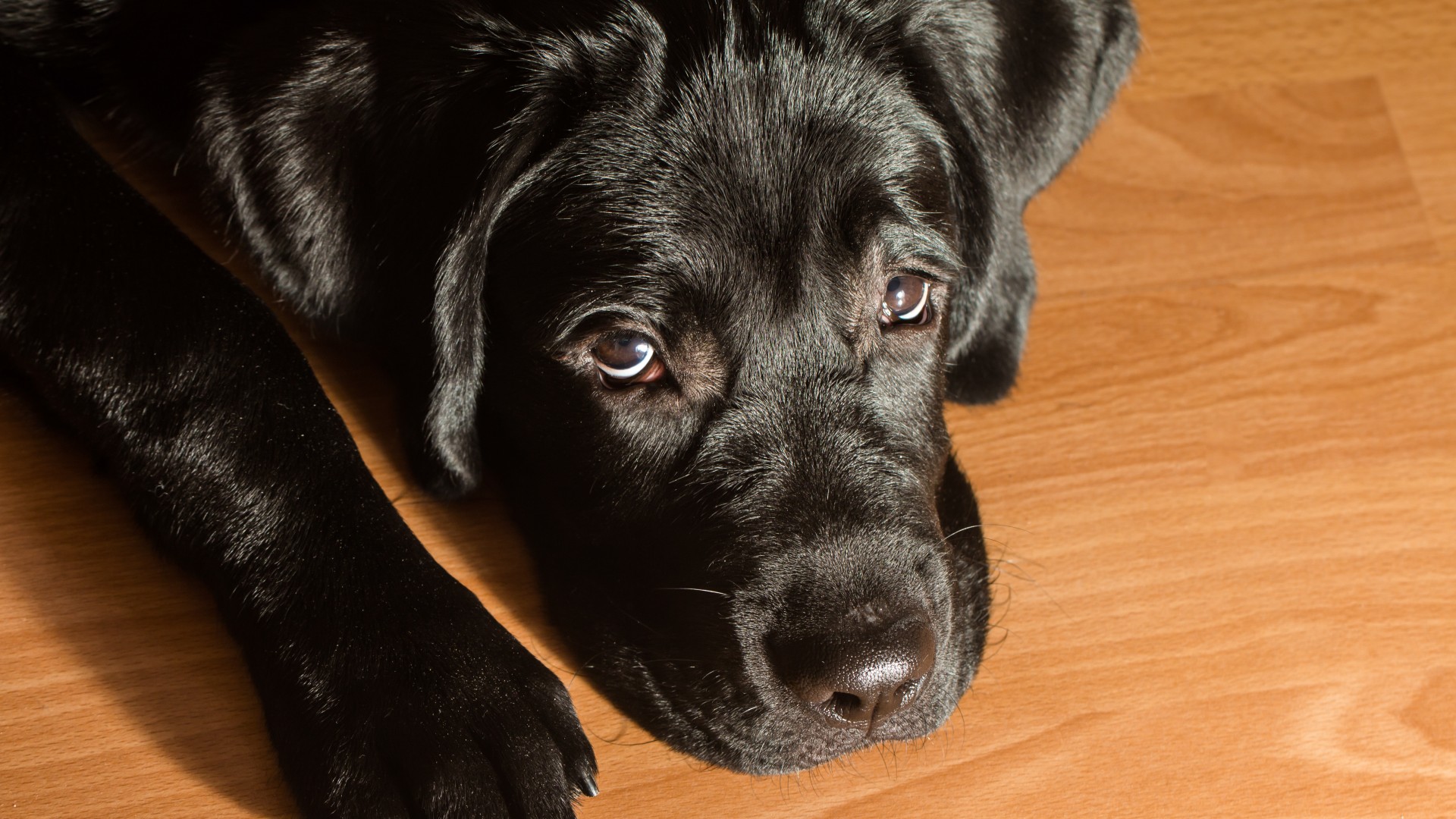
Image Source: cdn.mos.cms.futurecdn.net
The Foundation: Nutrition for a Lustrous Coat
A dog’s coat is often a reflection of its internal health. What you feed your dog plays a massive role in the shine and quality of their fur. A balanced diet is paramount for dog diet coat health.
Essential Nutrients for Shine
Certain nutrients are particularly crucial for promoting a healthy, shiny coat.
- Omega-3 and Omega-6 Fatty Acids: These are vital for skin and coat health. Omega-3s help reduce inflammation and keep the skin hydrated, which in turn leads to a shinier coat. Omega-6s are also important for skin barrier function.
- Protein: Hair is primarily made of protein, so adequate protein intake is essential for hair growth and strength.
- Vitamins: Vitamins A, E, and B vitamins (especially biotin) are crucial for skin and hair health. Vitamin E is an antioxidant that protects skin cells.
- Minerals: Zinc and copper are important for skin and coat pigmentation and overall health.
Boosting Shine Through Diet
Here’s how to ensure your dog is getting these vital nutrients:
High-Quality Dog Food
The simplest way to ensure your dog receives a balanced diet is by choosing a high-quality commercial dog food. Look for brands that list meat as the primary ingredient and have a guaranteed analysis that shows adequate protein and fat levels.
Adding Supplements
Even with good food, sometimes extra support can make a difference.
- Omega-3 for Dogs: Fish oil supplements are a fantastic source of omega-3 fatty acids. You can find them in liquid form, capsules, or even treats. Always choose a reputable brand and consult your veterinarian before adding any new supplements to your dog’s diet. They can advise on the correct dosage based on your dog’s weight and breed.
- Other Dog Coat Supplements: There are many specialized dog coat supplements available. These often combine fish oil with other beneficial ingredients like biotin, zinc, and vitamins. Again, veterinary consultation is key to ensure safety and efficacy.
Natural Food Additions
You can also supplement your dog’s diet with certain natural foods, in moderation:
- Fatty Fish: Cooked salmon or sardines (canned in water, no salt added) are excellent sources of omega-3s.
- Eggs: A cooked egg is a great source of protein, vitamins, and minerals.
- Flaxseed: Ground flaxseed can be added to your dog’s food for omega-3s, but it needs to be ground for your dog to absorb the nutrients.
Important Note: Always introduce new foods gradually to avoid upsetting your dog’s stomach.
Grooming: The Key to a Gleaming Coat
Beyond diet, regular grooming is essential for maintaining a shiny coat. This involves more than just the occasional bath; it’s a consistent routine that keeps your dog’s fur in top condition.
Brushing: The Daily Ritual
Brushing is perhaps the most critical step in achieving a shiny coat. Brush dog coat regularly helps distribute natural oils, remove dead hair and dirt, and stimulates blood circulation to the skin.
Choosing the Right Brush
The type of brush you use depends on your dog’s coat type:
- Short Coats: A bristle brush or a grooming mitt works well for short-haired breeds.
- Medium to Long Coats: Slicker brushes, pin brushes, and metal combs are effective for detangling and removing loose undercoat.
- Double Coats: An undercoat rake or a deshedding tool can be very helpful for breeds with thick undercoats.
Brushing Technique
- Start Gently: Always start with gentle strokes, especially if your dog has sensitive skin or tangles.
- Brush in the Direction of Hair Growth: This helps to smooth the hair and distribute oils.
- Be Thorough: Make sure to brush all over, including the belly, legs, and tail.
- Address Tangles: If you encounter a tangle, try to gently work it out with your fingers or a detangling spray before brushing. Never yank or pull, as this can be painful and damage the coat.
Frequency of Brushing
- Daily for Long-Haired Breeds: Dogs with long or thick coats often benefit from daily brushing to prevent mats.
- Several Times a Week for Shorter Coats: Even short-haired dogs can benefit from brushing a few times a week.
Bathing: Cleanliness and Shine
While over-bathing can strip natural oils, occasional baths are necessary to keep your dog clean and their coat looking its best.
The Right Dog Shampoo for Shine
Using the right dog shampoo for shine is crucial. Look for shampoos that are specifically formulated to enhance coat shine and are made with natural ingredients.
- Moisturizing Shampoos: These help to hydrate the skin and coat, preventing dryness and promoting shine.
- Shampoos with Natural Oils: Ingredients like oatmeal, shea butter, and coconut oil can add moisture and a healthy sheen.
- Avoid Harsh Chemicals: Steer clear of shampoos with sulfates, parabens, and artificial dyes, as these can be drying and irritating.
Bathing Frequency
- As Needed: The frequency of baths depends on your dog’s breed, activity level, and skin condition. Generally, bathing once a month or when they are noticeably dirty or smelly is sufficient for most dogs.
- Over-bathing Caution: Too frequent bathing can strip the coat of its natural oils, leading to dryness, dullness, and potential skin issues.
Using a Dog Coat Conditioner
After shampooing, applying a dog coat conditioner is a game-changer for shine and manageability.
- Benefits of Conditioner: Conditioner helps to smooth the hair cuticle, making the coat softer, shinier, and less prone to tangles and breakage. It also adds moisture.
- How to Use: Apply a small amount of conditioner to your dog’s wet coat, avoiding the eyes and ears. Massage it in, leave it on for a few minutes (as per product instructions), and then rinse thoroughly.
- Leave-In Conditioners: For extra shine and detangling, consider a dog-specific leave-in conditioner spray.
Drying and Finishing Touches
Proper drying is also important.
- Towel Dry: Gently towel dry your dog, pressing out excess water rather than rubbing vigorously, which can cause tangles.
- Blow Drying (Optional): If your dog tolerates it, you can use a dog-specific blow dryer on a cool or low heat setting. Keep the dryer at a distance and move it constantly to avoid overheating the skin. Brushing while drying can help smooth the coat.
- Finishing Sprays: There are many natural dog coat shine sprays available that can be applied to a dry coat for an instant boost of shine and a pleasant scent. Look for ones with natural oils and no harsh chemicals.
Homemade Solutions for Extra Sparkle
Sometimes, simple homemade treatments can work wonders for your dog’s coat.
Homemade Dog Coat Spray
You can create a simple, natural shine spray at home.
Basic Recipe
-
Ingredients:
- 1 cup of distilled water
- 1-2 tablespoons of apple cider vinegar (ACV)
- Optional: A few drops of dog-safe essential oil like chamomile or lavender (use with extreme caution and consult your vet)
-
Instructions:
- Combine the distilled water and ACV in a clean spray bottle.
- If using essential oils, add them carefully.
- Shake well before each use.
- Lightly mist your dog’s coat after brushing or bathing, avoiding their face. The ACV helps to balance pH and add shine.
Coconut Oil Rinse
-
Ingredients:
- 1-2 tablespoons of virgin coconut oil (melted if solid)
-
Instructions:
- After shampooing, apply the melted coconut oil to your dog’s coat.
- Massage it in well, ensuring it reaches the skin.
- Leave it on for 5-10 minutes.
- Rinse thoroughly with warm water. This is a deeply conditioning treatment.
Caution: Ensure all ingredients are safe for canine consumption and topical use. Always do a small patch test on your dog’s skin before widespread application.
Addressing Specific Coat Issues
Sometimes, a dull coat isn’t just about shine; it can indicate underlying issues.
Dry and Brittle Coat
If your dog’s coat feels dry and breaks easily, it could be due to:
- Dehydration: Ensure your dog has constant access to fresh, clean water.
- Environmental Factors: Dry weather or indoor heating can dry out the coat.
- Dietary Deficiencies: Lack of essential fatty acids is a common cause.
- Over-bathing: Too many baths can strip natural oils.
Solutions: Increase omega-3 intake, use moisturizing conditioners, and reduce bathing frequency.
Oily Coat
An oily coat can look dull and feel greasy. This might be caused by:
- Seborrhea: A skin condition that causes excess oil production.
- Inadequate Rinsing: Product residue from shampoos or conditioners.
- Dietary Imbalances: While less common, diet can sometimes play a role.
Solutions: Use a clarifying dog shampoo, ensure thorough rinsing, and consult your vet if the oiliness persists.
Shedding
While some shedding is normal, excessive shedding can impact coat appearance.
- Causes: Seasonal changes, stress, allergies, poor nutrition, or underlying medical conditions.
- Solutions: Regular brushing to remove loose hair, a balanced diet rich in fatty acids, and addressing any underlying health issues with your veterinarian.
Breed-Specific Coat Needs
Different breeds have unique coat types that require tailored care.
Double-Coated Breeds (e.g., Huskies, German Shepherds, Golden Retrievers)
These breeds have a dense undercoat and a longer topcoat.
- Grooming Needs: Regular brushing with an undercoat rake is essential to remove dead hair and prevent matting. Shedding seasons require more frequent and intensive grooming.
- Shine Tips: Focus on distributing the natural oils from the undercoat to the topcoat through thorough brushing.
Wire-Coated Breeds (e.g., Schnauzers, Terriers)
Wire coats have a coarse, wiry outer layer and a softer undercoat.
- Grooming Needs: These coats often benefit from hand-stripping or clipping. Regular brushing helps maintain the texture.
- Shine Tips: A good conditioning spray can add subtle shine without softening the wiry texture too much.
Silky-Coated Breeds (e.g., Yorkshire Terriers, Shih Tzus)
These breeds have long, fine hair that can easily tangle and become dull.
- Grooming Needs: Daily brushing is crucial. Using detangling sprays and good quality conditioners is a must.
- Shine Tips: Regular conditioning and the use of natural dog coat shine products are key. Avoid heavy oils that can weigh down the hair.
Hairless Breeds (e.g., Chinese Crested, Xoloitzcuintli)
Even hairless breeds need coat care for their skin.
- Grooming Needs: Skin needs to be moisturized to prevent dryness and cracking. Gentle cleansing is important.
- Shine Tips: A good quality skin moisturizer or lotion designed for dogs can give their skin a healthy sheen.
Tools and Products for a Shiny Coat
Here’s a quick rundown of essential tools and products:
| Tool/Product | Purpose | Key Features to Look For |
|---|---|---|
| Bristle Brush | For short to medium coats, distributes oils, removes loose hair. | Natural bristles, comfortable grip. |
| Slicker Brush | For medium to long coats, effective at removing tangles and mats. | Fine, flexible wires, rounded tips to prevent skin irritation. |
| Undercoat Rake | For double-coated breeds, removes loose undercoat without damaging the topcoat. | Long, widely spaced teeth, designed to reach the undercoat. |
| Metal Comb | Detangles, checks for fleas, smooths hair. | Wide and narrow teeth options, smooth, rounded teeth. |
| Grooming Mitt | For short-haired dogs, massages skin and removes loose hair. | Rubber or silicone nubs, comfortable to wear. |
| Moisturizing Dog Shampoo | Cleanses while hydrating the skin and coat. | Natural ingredients, no harsh sulfates or parabens. |
| Dog Coat Conditioner | Smooths the cuticle, adds moisture, improves manageability and shine. | Protein-rich, contains natural oils, pH-balanced for dogs. |
| Leave-In Conditioner Spray | For daily use, detangles, adds shine, and protects the coat. | Lightweight, non-greasy formula, dog-safe ingredients. |
| Omega-3 Supplement | Boosts skin hydration and coat luster from the inside out. | High-quality fish oil, reputable brand, correct EPA/DHA levels. |
| Natural Dog Coat Shine Spray | Instant shine booster, often with light conditioning properties. | Natural oils (jojoba, argan), no silicones, pleasant, mild scent. |
When to Seek Professional Help
While home grooming is effective, sometimes a professional touch is best.
- Severe Matting: If your dog’s coat is severely matted, a groomer has the tools and expertise to safely remove them.
- Skin Conditions: If you suspect your dog has a skin condition causing dullness, itchiness, or hair loss, consult your veterinarian.
- Professional Grooming: Regular visits to a professional groomer can ensure your dog’s coat is always in optimal condition. They can identify issues you might miss and provide specialized treatments.
Frequently Asked Questions (FAQ)
Q1: Can I use human conditioner on my dog?
It’s generally not recommended. Human hair products have a different pH balance than a dog’s skin and coat, which can cause irritation or dryness. Always use products specifically formulated for dogs.
Q2: How often should I bathe my dog for a shiny coat?
Bathing frequency varies by breed and lifestyle. For most dogs, bathing every 4-6 weeks is sufficient. Over-bathing can strip natural oils, leading to a dull coat. Focus on regular brushing and a good diet.
Q3: Is coconut oil safe for my dog’s coat?
Yes, virgin coconut oil is generally safe and beneficial for a dog’s coat when used topically in moderation. It’s a great moisturizer. You can also give a small amount orally, but always consult your vet first for dosage.
Q4: My dog’s coat is still dull despite a good diet and grooming. What else could it be?
Persistent dullness can sometimes be a sign of an underlying health issue, such as thyroid problems, allergies, parasites, or nutritional deficiencies that even a good diet might not fully address. It’s important to consult your veterinarian to rule out any medical causes.
Q5: What is the best way to introduce omega-3 supplements?
Start with a very small dose and gradually increase it over a week or two to allow your dog’s digestive system to adjust. Always follow the dosage instructions on the product or as recommended by your vet.
Achieving a shiny, healthy dog coat is a journey that combines consistent care with a focus on your dog’s overall well-being. By prioritizing nutrition, regular grooming, and the right products, you can help your canine companion sport a coat that truly gleams.