
Can you negotiate a dog bite settlement? Yes, you absolutely can negotiate a dog bite settlement, and often it’s the best way to get fair compensation without the lengthy, costly process of a trial. This guide will walk you through the key steps and expert tips for navigating these crucial settlement negotiations.
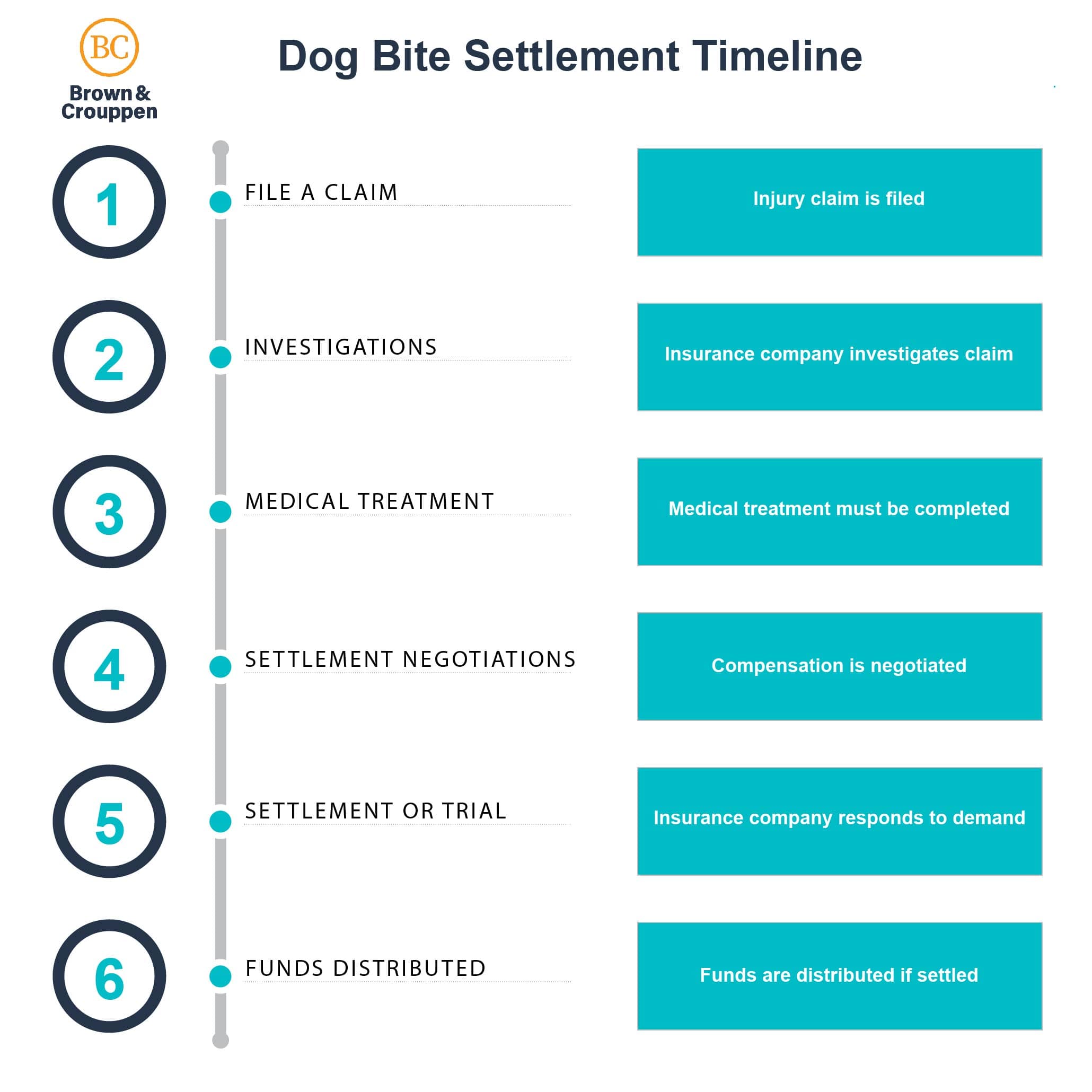
Image Source: www.brownandcrouppen.com
Deciphering Your Dog Bite Claim Value
Before you can negotiate, you need to know what your dog bite claim is worth. This is often referred to as the dog bite claim value. It’s not a simple calculation, as it depends on many factors. The more severe your injuries and the clearer the liability for dog bites, the higher your claim value will likely be.
Key Factors Influencing Claim Value:
- Severity of Injuries: This is paramount. Deep lacerations, broken bones, nerve damage, scarring, and psychological trauma all significantly impact value. The need for ongoing medical treatment also adds to the overall value.
- Medical Expenses: All costs related to your injury are considered. This includes:
- Emergency room visits and ambulance fees
- Hospital stays and surgeries
- Doctor’s appointments and specialist fees
- Medications and prescriptions
- Physical therapy and rehabilitation
- Future medical care costs
- Lost Wages and Earning Capacity: If your injuries prevent you from working, you can claim lost income. If your injuries permanently affect your ability to earn money in the future, this is also factored in.
- Pain and Suffering: This is a more subjective element but a critical part of compensation for dog bites. It accounts for the physical pain, emotional distress, mental anguish, and loss of enjoyment of life you’ve experienced due to the attack.
- Scarring and Disfigurement: Permanent scars or disfigurement can lead to a higher claim value due to their lasting impact on your appearance and self-esteem.
- Property Damage: If the dog bite also damaged your clothing, glasses, or other personal property, these costs can be included.
- Location of the Incident: Laws regarding liability for dog bites vary by state and city, which can affect the claim’s strength and potential value.
- The Dog Owner’s Insurance: The presence and limits of the dog owner’s homeowner’s insurance or renter’s insurance are crucial.
Estimating Your Claim: A Practical Approach
While a lawyer can provide a precise estimate, you can start by gathering all your medical bills and calculating your lost wages. For pain and suffering, insurance companies often use a multiplier based on medical expenses, though many legal professionals consider this too simplistic. A more nuanced approach involves documenting every aspect of your suffering.
The Importance of Legal Representation for Dog Bites
Navigating settlement negotiations can be incredibly complex, especially when dealing with insurance adjusters who are trained to minimize payouts. This is where legal representation for dog bites becomes invaluable. A skilled personal injury lawyer specializing in animal attacks can:
- Accurately Assess Your Claim: They have the experience to properly calculate your dog bite claim value, considering all eligible damages.
- Investigate Liability: They can thoroughly investigate who is responsible for the dog bite, which might include the owner, keeper, or even a property owner if negligence can be proven.
- Gather Evidence: A lawyer will gather all necessary documentation, including medical records, police reports, witness statements, and photos of the injury and the dog.
- Handle Communications: They will manage all communication with the insurance company, preventing you from saying anything that could unintentionally harm your case.
- Negotiate Effectively: Their expertise in settlement negotiations is their strongest asset. They know the tactics insurance companies use and how to counter them to secure the best possible outcome.
- Prepare for a Dog Bite Lawsuit: If negotiations fail, they are prepared to file a dog bite lawsuit and represent you in court.
Building Your Case: Essential Steps Before Negotiation
To strengthen your position during settlement negotiations, you need to build a robust case. This involves meticulous preparation and evidence collection.
1. Seek Immediate Medical Attention:
This is the most critical first step. Even if the bite seems minor, it’s essential to see a doctor.
* Document Injuries: Medical professionals will document the extent of your injuries, which is vital evidence.
* Prevent Infection: Dog bites can easily become infected, requiring prompt treatment.
* Establish Causation: The medical records link your injuries directly to the dog bite incident.
2. Report the Incident:
Inform local animal control or the police about the dog bite.
* Official Record: This creates an official record of the event.
* Animal Information: Animal control may gather information about the dog, such as its vaccination status and breed, which can be relevant to liability for dog bites.
3. Gather Evidence at the Scene (If Possible):
If your condition allows, try to gather as much information as you can.
* Dog Owner’s Information: Get the owner’s name, address, and contact details.
* Witness Information: Obtain names and contact details of anyone who saw the attack.
* Take Photos: Document the location of the attack, the dog (if safe to do so), and your injuries as they develop.
4. Keep Detailed Records:
Maintain a comprehensive log of everything related to the incident and your recovery.
* Incident Details: Date, time, location, how the bite occurred, what you were doing.
* Medical Records: All bills, doctor’s notes, prescription receipts.
* Lost Wages: Pay stubs, letters from employers detailing missed work.
* Pain and Suffering: Jot down notes about how the injury has affected your daily life, sleep, mood, and ability to enjoy hobbies. This is crucial for quantifying compensation for dog bites.
Understanding Liability for Dog Bites
A cornerstone of any dog bite claim is establishing liability for dog bites. This means proving that the dog owner or keeper was negligent or failed in their duty of care. Laws vary by state, but common principles include:
Strict Liability States:
In many states, owners are held strictly liable for their dog’s actions, meaning they are responsible for any damages caused by their dog, regardless of whether the dog had a history of aggression or if the owner was negligent.
“One Bite Rule” States:
In some states, owners are only liable if they knew or should have known that their dog had a propensity to bite or be dangerous (the “one bite rule”). However, this rule often has exceptions, such as when a dog is on the owner’s property and trespassers are injured, or if there are leash laws in effect.
Negligence:
Even in strict liability states, proving negligence can strengthen your case. Negligence can include:
* Failing to properly restrain the dog (e.g., broken fence, unlatched gate).
* Allowing a known aggressive dog to roam free.
* Violating local leash laws.
* Failure to warn visitors about a dangerous dog.
A personal injury lawyer will expertly assess the liability for dog bites in your specific jurisdiction.
The Art of Settlement Negotiations
Once you have a strong case and a clear understanding of your dog bite claim value, you can begin or engage in settlement negotiations.
1. The Demand Letter:
Your lawyer, or you if you’re handling it yourself, will typically send a demand letter to the dog owner’s insurance company. This letter:
* Outlines the Incident: Details how the attack happened.
* States the Liability: Explains why the owner is responsible.
* Itemizes Damages: Lists all the medical expenses, lost wages, and other quantifiable losses.
* Demands Compensation: States the total amount of compensation for dog bites being sought, including a figure for pain and suffering.
2. The Insurance Adjuster’s Response:
The insurance adjuster will review the demand letter and the evidence. They will likely:
* Make a Low Counteroffer: This is a common tactic to test your resolve.
* Request More Information: They may ask for additional documentation or clarification.
* Argue Against Liability or Damages: They might dispute the extent of your injuries or the owner’s responsibility.
3. Counteroffers and Back-and-Forth:
This is where settlement negotiations truly begin.
* Be Patient: Don’t rush to accept the first offer.
* Be Realistic: While you want fair compensation, understand what is achievable.
* Justify Your Demands: Be prepared to explain why your requested amount is justified, using your evidence.
* Use Your Lawyer: If you have legal representation, let them handle the back-and-forth. They are skilled negotiators.
Negotiation Tactics to Consider:
- Anchoring: Presenting your initial demand strategically can influence the negotiation range.
- Silence: Sometimes, after presenting your side, a period of silence can prompt the other party to make a concession.
- Focus on Facts: Stick to objective evidence and avoid emotional arguments.
- Highlight Weaknesses in Their Case: If the owner’s liability for dog bites is undeniable, leverage that.
4. What to Expect Regarding Compensation:
The final settlement amount for compensation for dog bites will depend on the strength of your case and the effectiveness of the negotiations. It can cover:
| Type of Damage | Description |
|---|---|
| Medical Expenses | All past, present, and future costs related to the bite (as detailed earlier). |
| Lost Wages | Income lost due to inability to work. |
| Loss of Earning Capacity | Future income lost if the injury permanently impacts your ability to work. |
| Pain and Suffering | Physical pain, emotional distress, mental anguish, inconvenience. |
| Disfigurement/Scarring | Compensation for visible, permanent marks on the body. |
| Emotional Distress | Anxiety, fear, PTSD, depression resulting from the attack. |
| Loss of Consortium | In some cases, a spouse may claim this for the impact on their relationship. |
| Punitive Damages | Rarely awarded, these are meant to punish extreme negligence or malicious conduct. |
5. When to Accept a Settlement:
You should consider accepting a settlement when:
* The offer fairly compensates you for all your documented losses.
* It accounts for future medical needs and long-term effects.
* You and your attorney agree it’s the best achievable outcome without the risk of trial.
6. When Negotiations Fail: Preparing for a Dog Bite Lawsuit
If settlement negotiations stall or the insurance company makes an offer that is unacceptably low, your next step may be to file a dog bite lawsuit.
* Legal Representation is Crucial: At this stage, having an experienced personal injury lawyer is non-negotiable. They will guide you through the legal process, including discovery, motions, and potentially a trial.
* Trial vs. Settlement: Litigation is time-consuming, expensive, and uncertain. A lawyer will advise you on the likelihood of success at trial and whether continuing to fight for a better settlement or proceeding to court is the wisest course of action.
Common Pitfalls to Avoid During Negotiations
- Speaking to the Insurance Adjuster Directly: Always let your lawyer handle communications. Anything you say can be twisted or used against you.
- Accepting the First Offer: This is rarely the best offer you’ll receive.
- Downplaying Your Injuries or Suffering: Be honest and thorough in documenting your experience.
- Delaying Legal Action: Statutes of limitations apply, meaning you have a limited time to file a claim.
- Failing to Gather Evidence: The stronger your evidence, the better your negotiating position.
Frequently Asked Questions (FAQs)
Q1: How long does a dog bite settlement negotiation typically take?
A1: The timeline can vary significantly. Simple cases with clear liability and minor injuries might settle within a few months. More complex cases involving severe injuries, disputed liability, or extensive medical treatment can take a year or more.
Q2: What if the dog owner doesn’t have insurance?
A2: If the owner lacks insurance, you might still pursue them personally. However, collecting a judgment can be difficult if they don’t have significant assets. A lawyer can explore options like pursuing the owner’s homeowner’s insurance directly or looking for other responsible parties.
Q3: Do I have to go to court for a dog bite settlement?
A3: Most dog bite cases are settled out of court. Litigation is expensive and time-consuming, so both sides often prefer to reach an agreement. However, if a fair settlement cannot be reached, a dog bite lawsuit may be necessary.
Q4: How is pain and suffering calculated in a dog bite claim?
A4: There isn’t a single formula. Lawyers often consider factors like the severity and duration of pain, the impact on daily life, emotional distress, and the need for ongoing treatment. Insurance companies might use a multiplier of medical bills, but skilled negotiators will argue for a value based on the actual human impact of the injury.
Q5: What is the role of a personal injury lawyer in a dog bite case?
A5: A personal injury lawyer is your advocate. They handle evidence gathering, legal research, communication with insurance companies, settlement negotiations, and, if necessary, represent you in a dog bite lawsuit. Their expertise is crucial for maximizing your compensation for dog bites and ensuring your rights are protected.
Negotiating a fair dog bite settlement requires preparation, persistence, and often, expert guidance. By meticulously documenting your injuries, understanding the principles of liability for dog bites, and leveraging the skills of a dedicated personal injury lawyer, you can significantly improve your chances of achieving a positive outcome for your animal attack settlement.