
Can you keep your dog safe from coyotes in your backyard? Yes, you absolutely can, and it involves a multi-faceted approach focusing on prevention, deterrence, and responsible pet ownership. This guide provides essential tips for backyard safety for dogs, ensuring your furry companions remain protected from the presence of urban wildlife.
Coyotes are intelligent and adaptable creatures that are increasingly sharing our suburban and urban environments. While the risk of a direct attack on a healthy adult dog might be lower than many people fear, it’s a very real concern that demands proactive measures. The key to preventing coyote attacks lies in making your property less inviting to them and creating a safe haven for your pets. This involves a combination of coyote proofing yard strategies and active deterring coyotes techniques.
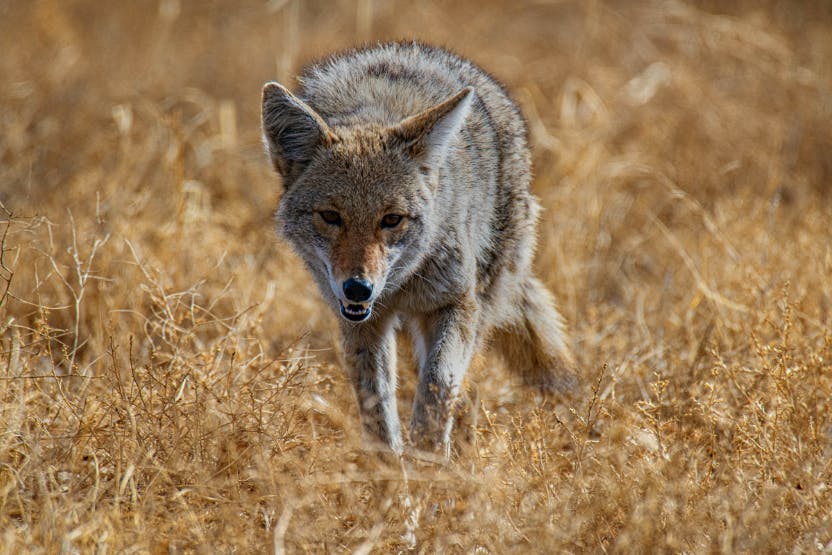
Image Source: images.wagwalkingweb.com
Understanding Coyote Behavior and Risks
Before we dive into protective measures, it’s crucial to grasp a bit about coyote behavior. Coyotes are opportunists. They are attracted to food sources, shelter, and potential prey. Your backyard, if it unintentionally offers these, can become a magnet.
What Attracts Coyotes to Residential Areas?
- Food Sources: Unsecured garbage cans, pet food left outdoors, fallen fruit, and even birdseed can be a significant draw. Coyotes are also attracted to small animals like rodents and rabbits, which may be present in unkempt yards.
- Shelter: Dense shrubbery, woodpiles, and undisturbed areas offer denning and resting sites.
- Water: Pet water bowls left outside, or ponds, can attract them.
- Easy Access: Open gates, gaps in fences, and unsecured entry points make your yard accessible.
Why Are Dogs Vulnerable?
While larger dogs can defend themselves, smaller breeds, puppies, and even curious or playful adult dogs can be vulnerable. Coyotes are predators, and a dog, especially a smaller one, can be perceived as prey. Even with larger dogs, territorial disputes or a coyote’s desire to establish dominance can lead to dangerous encounters. The primary goal is keeping dogs safe from wildlife by minimizing any perceived threat or opportunity for the coyote.
Securing Your Outdoor Space: Coyote Proofing Your Yard
Coyote proofing yard is the cornerstone of protecting your dog. It’s about removing attractants and fortifying your property.
Fence Fortification
A sturdy fence is your first line of defense. However, not all fences are created equal when it comes to deterring coyotes.
- Height: Fences should be at least 6 feet tall, preferably 8 feet. Coyotes can jump surprisingly high.
- Material: Solid wood or vinyl fences are more effective than chain-link, as they provide a visual barrier and make climbing more difficult.
- Gaps: Ensure there are no gaps underneath or between fence panels. Coyotes can dig and squeeze through surprisingly small openings.
- Dig Barriers: Bury hardware cloth (1/2 inch mesh) or solid wire mesh at the base of the fence, extending at least 12 inches underground and then outward at a 90-degree angle. This prevents digging.
- Overhanging Ledges: Consider adding a coyote roller at the top of your fence. This is a rotating pipe that spins when a coyote tries to grip the top to climb over, causing it to lose its footing and fall back.
- Gates: Gates must be self-closing and self-latching, and kept securely closed at all times. Ensure they also have dig barriers at the base.
Eliminating Attractants
This is arguably the most critical step in deterring coyotes.
- Secure Trash Cans: Use heavy-duty plastic or metal garbage cans with tightly fitting lids. Store them in a garage or shed until trash day. Rinse cans to remove food residue.
- Pet Food Management: Never leave pet food or water bowls outdoors overnight. Feed your dog indoors or supervise them closely when they eat outside. Store pet food in airtight containers.
- Compost Bins: Use enclosed compost bins that prevent coyotes from accessing food scraps. Avoid composting meat or dairy products.
- Fallen Fruit: Promptly clean up any fallen fruit from trees in your yard.
- Bird Feeders: While beneficial for birds, bird feeders can attract rodents and insects, which in turn attract coyotes. Consider using feeders with baffles to prevent squirrels and rodents from accessing the seed, and clean up any spilled seed.
- Water Sources: Eliminate any standing water sources, such as bird baths that are constantly full or pet water bowls left out.
Yard Maintenance
A well-maintained yard is less inviting.
- Trim Vegetation: Keep shrubbery trimmed and remove dense, overgrown areas. These can provide hiding places or den sites for coyotes. Keep grass mowed.
- Clear Debris: Remove woodpiles, brush piles, and other debris where coyotes might seek shelter.
Active Deterrents: Making Your Yard Uninviting
Beyond coyote proofing yard basics, active coyote deterrents can be very effective in discouraging them from lingering. The goal is to make your yard a place they learn to avoid.
Motion-Activated Lighting and Sprinklers
Coyotes are often nocturnal or crepuscular (active at dawn and dusk).
- Motion-Activated Lights: Install bright, motion-activated floodlights around your yard and near potential entry points. Sudden bursts of light can startle and deter them.
- Motion-Activated Sprinklers: These devices detect motion and spray a stream of water, which can be a very effective deterrent without harming the animal. Place them strategically in areas where coyotes are often seen.
Auditory Deterrents
Noise can be a powerful deterrent.
- Ultrasonic Devices: While their effectiveness is debated, some ultrasonic devices emit high-frequency sounds that are unpleasant for canids.
- Noise Makers: Store-bought or homemade noisemakers, like air horns or even radios left on a talk station, can be activated when you see a coyote or suspect their presence.
Visual Deterrents
Some visual cues can also help.
- Scarecrows and Reflective Objects: While less reliable, some people find that moving scarecrows or shiny objects like old CDs hung from branches can have a temporary deterrent effect.
- “Hazing” Techniques: This involves making noise and appearing large when you see a coyote. You can clap your hands, shout, wave your arms, or throw objects in their general direction (not at them). The goal is to scare them away and teach them that humans and their pets are not easy targets.
Coyote Repellents
While there are commercial repellents, their effectiveness can vary. Many rely on scent.
- Ammonia-Based Repellents: Ammonia has a strong scent that coyotes dislike. Some people spray it around the perimeter of their yards.
- Predator Urine: The scent of wolf or coyote urine can sometimes deter coyotes, as they may perceive it as a territorial threat.
Important Note on Repellents: Always follow product instructions carefully and be aware that repellents may need frequent reapplication, especially after rain.
Supervising Your Dog Outdoors
Even with the best coyote proofing yard and deterring coyotes strategies, direct supervision is crucial.
Leash Laws for Dogs and Outdoor Supervision
- Leash Laws for Dogs: Adhering to leash laws for dogs is not just about controlling your dog; it’s also about protecting them from potential dangers like coyotes, traffic, and other animals. Always keep your dog on a leash when outside your fenced yard, even for a quick potty break.
- Supervised Yard Time: When your dog is in the backyard, especially at dawn, dusk, or night, supervise them closely. This allows you to intervene immediately if a coyote approaches.
- Never Leave Dogs Unattended: This is a golden rule for securing outdoor pets. Do not leave your dog outside alone, particularly overnight, even in a fenced yard. Coyotes are most active during twilight hours and at night.
Companion Dog Policy
- Don’t Let Small Dogs Out Alone: Even for a moment, small dogs should never be left unattended in the yard, as they are most vulnerable.
- Stay with Your Dog: If you are in the yard with your dog, remain present and aware of your surroundings. Your presence alone can deter coyotes.
Managing Urban Wildlife: A Community Approach
Managing urban wildlife is a shared responsibility. What happens in your neighbor’s yard can affect yours.
Educate Your Neighbors
- Share Information: Talk to your neighbors about the presence of coyotes and the importance of taking precautions.
- Community Efforts: Encourage community-wide efforts for trash management and securing outdoor spaces. A united front is more effective.
Report Sightings
- Local Authorities: Report frequent coyote sightings or any aggressive behavior to your local animal control or wildlife agency. This helps them track coyote populations and patterns.
What to Do If You Encounter a Coyote with Your Dog
Despite all precautions, an encounter may still happen. Here’s how to react:
- Stay Calm: Panicking can escalate the situation.
- Protect Your Dog: Immediately pick up small dogs or place larger dogs behind you.
- Make Noise and Appear Large: This is the “hazing” technique. Yell, clap your hands, wave your arms, and make yourself as big as possible.
- Don’t Turn Your Back: Back away slowly, keeping the coyote in your sight.
- Throw Objects: If the coyote doesn’t retreat, throw objects in their general direction (like a ball or a stick, not aiming to hit them) to scare them off.
- Seek Veterinary Care: If your dog is injured or even if they seem fine after an encounter, it’s wise to have them checked by a veterinarian. They can assess for any minor injuries, signs of stress, or potential transmission of diseases.
Frequently Asked Questions (FAQ)
Q1: Will coyotes attack my dog?
A1: While not all coyotes will attack dogs, it is a potential risk. Coyotes may view smaller dogs as prey or larger dogs as competition, leading to conflict. The risk increases if coyotes are habituated to human presence and food sources.
Q2: What are the best coyote deterrents?
A2: The most effective coyote deterrents are physical barriers like tall, secure fencing, removing attractants (food, water, shelter), and active hazing techniques. Motion-activated lights and sprinklers are also good additions.
Q3: How can I make my yard coyote proof?
A3: Coyote proofing yard involves installing a tall, secure fence with dig barriers, eliminating food sources like unsecured trash and pet food, removing potential shelter like dense brush, and keeping the yard clean.
Q4: Is it safe to leave my dog outside at night?
A4: No, it is not safe to leave your dog outside unsupervised at night, even in a fenced yard. Coyotes are most active during these times and will take advantage of an easy opportunity.
Q5: Can coyotes jump fences?
A5: Yes, coyotes are excellent jumpers and can clear fences up to 6-8 feet. Therefore, fences need to be tall and ideally have additional measures to prevent climbing or digging.
Q6: What should I do if I see a coyote in my yard?
A6: If you see a coyote, stay calm, protect your dog, make loud noises, and wave your arms to make yourself appear larger. Back away slowly without turning your back. Do not feed them or approach them.
Q7: Are coyotes dangerous to humans?
A7: Coyote attacks on humans are extremely rare, especially on adults. However, they can be a risk to children if they become habituated or if a coyote exhibits unusual boldness due to feeding or illness. It’s always best to maintain a safe distance and avoid interactions.
By implementing these comprehensive strategies for coyote proofing yard, employing effective deterring coyotes methods, and practicing responsible pet ownership, you can significantly enhance your backyard safety for dogs and minimize the risk of encounters with urban wildlife. Remember, vigilance and proactive prevention are your most powerful tools in keeping dogs safe from wildlife and preventing coyote attacks.