
Can you repair a relationship with your dog? Yes, absolutely! Repairing a relationship with your dog is entirely possible, even if you feel the bond has been strained or broken. It requires patience, consistency, and a commitment to rebuilding trust.
Over time, our canine companions can develop dog behavior problems. These issues can stem from various factors, including a lack of clear communication, unmet needs, or even past negative experiences. When these problems arise, they can understandably impact the strengthening dog-owner relationship. If you’re wondering how to mend that connection, you’ve come to the right place. This guide will walk you through the essential steps for rebuilding trust with dog and fostering a stronger, happier partnership.
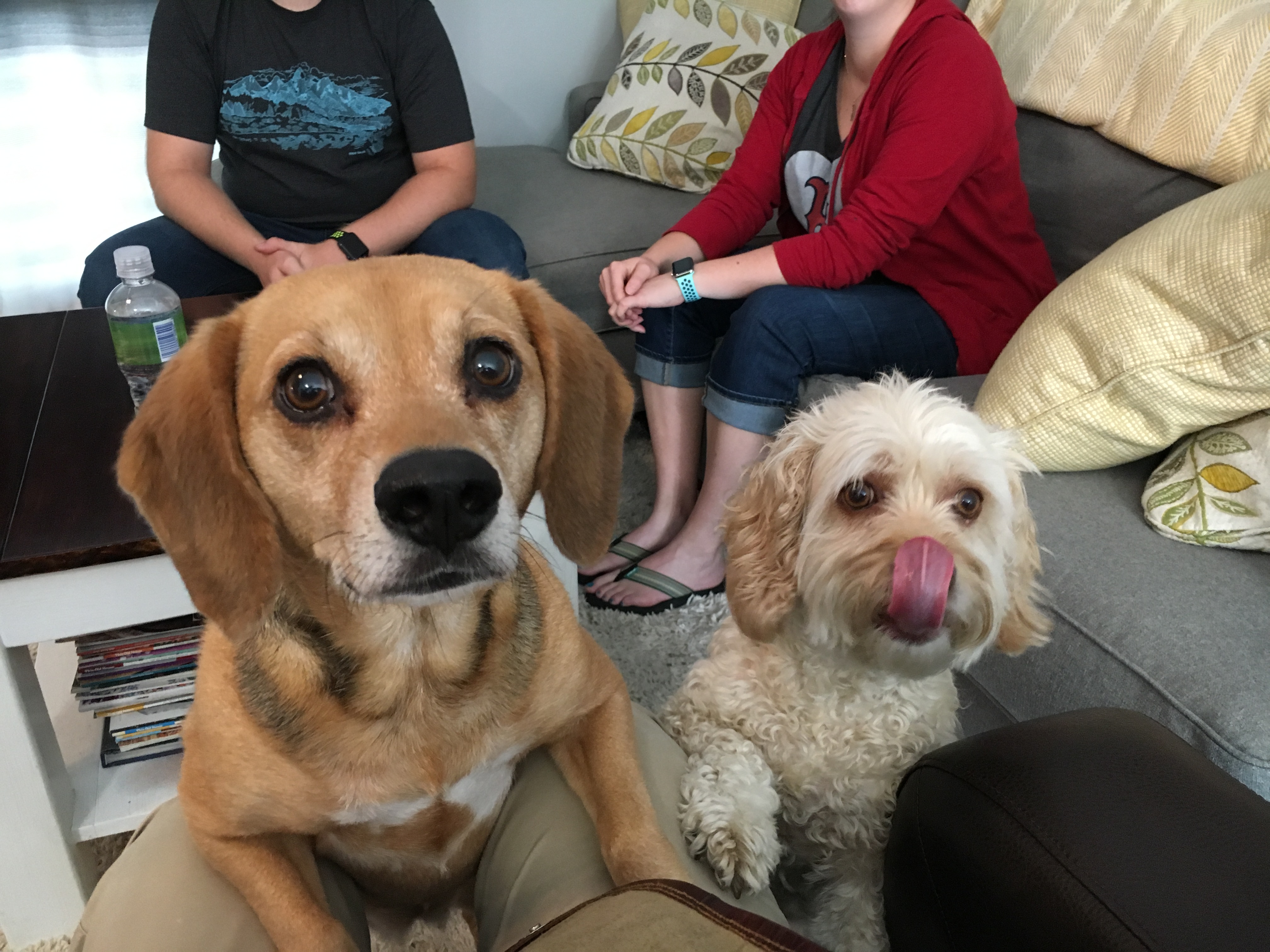
Image Source: www.doggoneproblems.com
Deciphering Dog Communication Signals
Before we dive into specific repair strategies, it’s crucial to grasp how dogs communicate. Their world is largely expressed through body language. Learning to read these dog communication signals is the first step in truly connecting with your dog and preventing future misunderstandings.
Body Language Basics
Dogs use a complex array of signals to convey their emotions and intentions. Paying attention to these subtle cues can prevent situations that might damage your relationship.
- Tail Wags: Not all tail wags mean happiness. A stiff, high wag can indicate arousal or tension, while a slow, low wag might signal uncertainty. A relaxed, sweeping wag is usually a sign of a happy dog.
- Ear Position: Ears pricked forward often mean interest, while ears pinned back can signify fear or submission.
- Eye Contact: Direct, prolonged eye contact can be perceived as a challenge by some dogs. Softening your gaze and looking slightly away can be more reassuring.
- Mouth and Lips: A relaxed, slightly open mouth with a gently panting tongue usually indicates a content dog. A tightly closed mouth, lip licking, or a yawn can be signs of stress or anxiety.
- Body Posture: A loose, wiggly body is a happy dog. A stiff, frozen posture, with a tucked tail or lowered head, suggests fear or apprehension.
Common Misinterpretations
Many relationship issues arise from misinterpreting these signals. For instance, a dog showing a whale eye (where you can see the whites of their eyes) or lip licking is often trying to tell you they are uncomfortable. If we miss these signals and push them further, it can lead to escalation.
Addressing Dog Obedience Issues
Dog obedience issues are often at the root of strained relationships. These aren’t necessarily signs of a “bad” dog, but rather a dog who hasn’t learned what’s expected or is struggling with anxiety or fear.
The Foundation of Positive Reinforcement Training
Positive reinforcement training is the cornerstone of rebuilding trust. This method focuses on rewarding desired behaviors, making them more likely to occur again. It’s about teaching your dog what you want them to do, rather than punishing them for what they do wrong.
- Rewards: High-value treats, enthusiastic praise, favorite toys, or a good belly rub can all be powerful motivators.
- Timing is Key: Rewards must be delivered immediately after the desired behavior. This helps your dog make the connection between their action and the reward.
- Consistency: Everyone in the household needs to use the same cues and reward systems. This avoids confusing your dog.
Common Obedience Challenges and Solutions
Let’s look at some common obedience issues and how positive reinforcement can help:
- Leash Pulling:
- Technique: Stop walking the moment your dog pulls. Only resume when the leash is slack. Reward for walking nicely beside you.
- Benefit: Teaches the dog that pulling stops the fun, while loose-leash walking continues it.
- Not Coming When Called:
- Technique: Start in a quiet, enclosed area. Use an enthusiastic tone and a high-value reward. Never call your dog to punish them.
- Benefit: Builds a positive association with recall.
- Jumping Up:
- Technique: Ignore jumping behavior (turn away, cross your arms). Reward when all four paws are on the floor. Ask for a “sit” before greeting people.
- Benefit: The dog learns that jumping gets them ignored, but sitting gets them attention.
Fixing Damaged Bond with Dog: Rebuilding Trust
When the bond with your dog feels fractured, it’s a sign that trust has been compromised. Fixing damaged bond with dog requires a deliberate, compassionate approach.
The Power of Predictability and Routine
Dogs thrive on predictability. A consistent routine helps them feel secure and reduces anxiety. This predictability builds trust because your dog learns what to expect from you and their environment.
- Feeding Times: Feed your dog at the same times each day.
- Walks and Potty Breaks: Maintain a consistent schedule for exercise and elimination.
- Playtime: Dedicate specific times for interactive play.
Reintroduction of Positive Experiences
Actively seek out positive interactions that replace negative associations.
- Gentle Handling: If your dog is sensitive to touch, start with short, gentle petting sessions. Always watch their dog communication signals for signs of comfort or discomfort.
- Play: Engage in games your dog enjoys. This could be fetch, tug-of-war (with rules!), or scent games.
- Treat Puzzles and Lick Mats: These provide mental stimulation and a positive outlet for energy.
Creating a Safe Space
Ensure your dog has a designated “safe space” where they can retreat and feel secure. This could be a crate, a comfy bed, or a corner of a room. Never force your dog out of their safe space, and don’t allow others to disturb them there.
Addressing Specific Behavior Issues
Sometimes, the damage to the relationship stems from specific dog behavior problems. Knowing how to address these effectively is crucial.
Dog Aggression Solutions
Dog aggression solutions require careful assessment and often professional help. Aggression is usually a symptom of fear, anxiety, or frustration, not a dog being “mean.”
- Identify Triggers: What situations or stimuli cause the aggressive behavior? Keep a log to pinpoint patterns.
- Management: While working on the behavior, manage the environment to prevent the dog from practicing the aggression. This might involve using baby gates, leashes, or avoiding certain situations.
- Professional Guidance: Consult a certified professional dog trainer or a veterinary behaviorist. They can provide tailored strategies and, if necessary, discuss medical interventions.
Common Aggression Scenarios and Approaches:
| Scenario | Potential Cause | Initial Approach |
|---|---|---|
| Resource Guarding | Fear of losing valuable items (food, toys) | Management (feed separately, supervise play), desensitization and counter-conditioning to associate the presence of others with good things, teach a solid “trade” command. Never try to forcibly take items away. |
| Fear Aggression | Past trauma, lack of socialization | Identify and avoid triggers, create distance from scary things, use positive reinforcement training to build positive associations with the trigger at a distance where the dog is not reacting, rebuilding trust with dog through predictable, gentle interactions. |
| Leash Reactivity | Frustration, fear, barrier frustration on walks | Management (avoiding triggers), desensitization at a distance, teaching alternative behaviors (like “look at me” or “sit”), using appropriate equipment (harnesses that don’t restrict shoulder movement). |
Anxious Dog Behavior
Anxious dog behavior can manifest in many ways: excessive barking, destructive chewing, pacing, house soiling, or clinginess. Addressing anxiety is key to fixing damaged bond with dog.
- Environmental Enrichment: Provide plenty of mental and physical stimulation. Puzzle toys, training sessions, and varied walks can help.
- Calming Aids: Consider calming supplements, pheromone diffusers, or thunder shirts after consulting with your veterinarian.
- Counter-Conditioning and Desensitization: Gradually expose your dog to mild versions of their anxiety triggers while pairing them with positive experiences.
- Professional Help: For severe anxiety, a veterinary behaviorist can diagnose and treat underlying medical conditions and recommend behavioral modification plans.
Reactive Dog Training
Reactive dog training focuses on dogs who overreact to stimuli like other dogs, people, or cars. This often stems from fear, frustration, or a lack of appropriate coping mechanisms.
- Find the Threshold: Determine the distance at which your dog notices the trigger but doesn’t react. Work at this distance.
- Positive Association: As the trigger appears at a distance, reward your dog with high-value treats. When the trigger disappears, the treats stop.
- “Look at That” Game: Teach your dog to look at the trigger and then look back at you for a reward. This changes their emotional response to the trigger.
- Emergency U-Turn: Have a plan to quickly and calmly turn around and walk away if you encounter a trigger too closely.
Strengthening the Dog-Owner Relationship Through Play and Training
The journey of rebuilding trust with dog is an ongoing process, and integrating positive activities can significantly accelerate it.
The Joy of Play
Play is a powerful tool for strengthening dog-owner relationship. It’s a shared activity that builds communication and mutual enjoyment.
- Interactive Games:
- Fetch: A classic for a reason. Focus on clear cues for dropping the ball and returning.
- Tug-of-War: Ensure your dog knows “drop it” and never lets them win if they break the rules (e.g., growling or mouthing your hand). This game can build confidence and provide a great energy outlet.
- Hide-and-Seek: Great for scent work and building anticipation.
- Enrichment Activities:
- Scent Work: Hiding treats or toys around the house or yard.
- Puzzle Toys: These challenge your dog mentally and provide a rewarding activity.
Advanced Training and New Skills
Once basic obedience is solid, consider teaching your dog new, fun tricks. This continues to reinforce positive reinforcement training and keeps your dog mentally stimulated.
- “Shake a Paw” or “High Five”
- “Roll Over”
- “Play Dead”
These activities are not just about obedience; they are about shared success and building a language between you and your dog.
Patience and Persistence: The Keys to Success
Rebuilding trust with dog is rarely a quick fix. It demands patience, consistency, and a willingness to adapt your approach based on your dog’s responses. There will be good days and bad days. Celebrate the small victories and learn from the setbacks.
- Manage Expectations: Progress might be slow, and that’s okay. Focus on consistent effort rather than immediate perfection.
- Self-Care: Dealing with challenging behaviors can be emotionally taxing. Ensure you are also taking care of yourself. Consider seeking support from friends, family, or a professional.
- Celebrate Progress: Acknowledge every step forward, no matter how small. This reinforces your commitment and keeps motivation high.
When to Seek Professional Help
While this guide offers comprehensive strategies, there are times when professional intervention is essential.
- Severe Aggression: If your dog exhibits serious aggression (biting, lunging with intent), seek immediate help from a qualified professional.
- Intense Anxiety: If your dog’s anxiety is debilitating or impacting their quality of life, professional guidance is crucial.
- Lack of Progress: If you’ve tried various methods consistently and aren’t seeing improvement, a professional can offer new perspectives and techniques.
A certified professional dog trainer (CPDT-KA, CPDT-KSA), a veterinary behaviorist (DACVB), or an animal behaviorist (CAAB) can provide tailored plans for dog behavior problems, dog aggression solutions, and anxious dog behavior, ultimately aiding in fixing damaged bond with dog.
Frequently Asked Questions (FAQ)
Q1: How long does it take to rebuild trust with a dog?
A1: The timeline varies greatly depending on the severity of the trust issues, the dog’s personality, and the consistency of your efforts. It can take anywhere from a few weeks to many months or even longer. The focus should be on consistent, positive interactions rather than a specific timeframe.
Q2: My dog bit me. Is the relationship ruined?
A2: A bite is a serious concern, and it means trust has been significantly damaged. However, it doesn’t necessarily mean the relationship is ruined forever. You’ll need to identify why the bite occurred, address the underlying cause (often fear or pain), manage the environment to prevent future incidents, and work with a professional to rebuild trust safely and effectively.
Q3: Can I use punishment to fix my dog’s behavior issues?
A3: Punishment is generally not recommended for fixing damaged bond with dog or addressing dog behavior problems. It can create fear, anxiety, and aggression, further eroding trust. Positive reinforcement training is far more effective and humane, fostering a stronger, healthier relationship.
Q4: My dog seems to ignore me. What does this mean?
A4: A dog that seems to ignore you might be confused, anxious, or simply not motivated by what you’re offering. It could also mean they haven’t fully grasped what you’re asking. Ensure your cues are clear, your rewards are motivating, and you’re paying attention to your dog’s dog communication signals to ensure they aren’t overwhelmed or stressed. Consistent, positive interactions will help improve responsiveness.
Q5: How can I help my reactive dog on walks?
A5: For reactive dog training, the key is to manage distance and create positive associations. Identify your dog’s threshold (the distance at which they notice a trigger without reacting) and work from there. Reward calm behavior when triggers are present at a distance. Avoid forcing interactions, and always have an escape plan (like an emergency U-turn) if you encounter a trigger too closely. Consulting a professional trainer specializing in reactivity is highly recommended.