
Can I secure my dog door from intruders? Yes, absolutely! Securing a dog door is crucial for maintaining home security and preventing unwanted visitors, both human and animal. This guide will delve into five effective methods to ensure your dog door remains a secure passage for your pet, not a gateway for trouble.
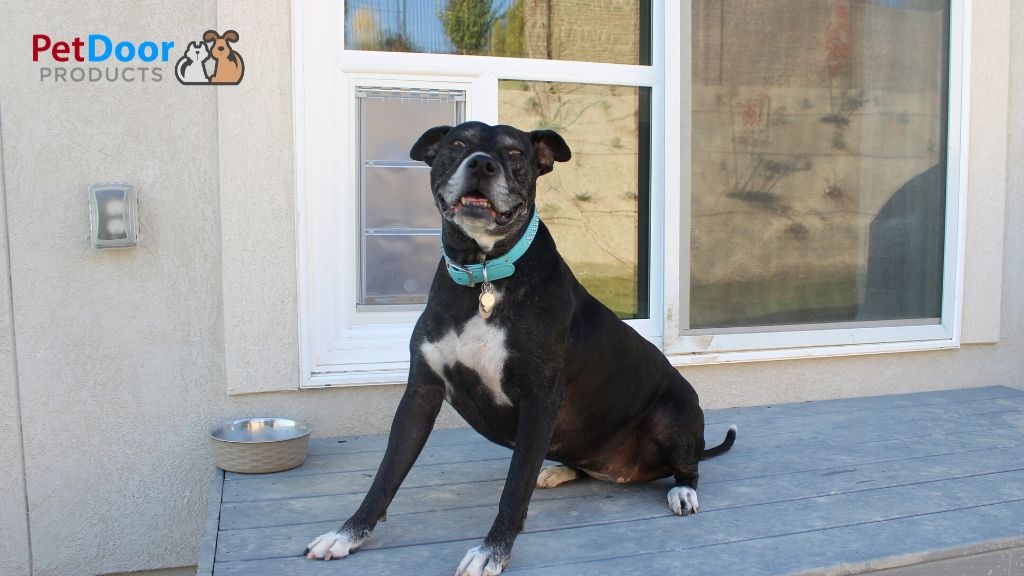
Image Source: petdoorproducts.com
The Growing Need for Dog Door Security
Dog doors offer incredible freedom and convenience for pet owners, allowing furry companions to come and go as they please. However, this very convenience can sometimes be a vulnerability. In an increasingly security-conscious world, ensuring your home’s entry points are safe is paramount. This includes the often-overlooked pet door. Whether you’re concerned about deterring pests, preventing animal entry from wildlife, or safeguarding against human intrusion, there are robust solutions available. This article explores practical, research-backed strategies to bolster your dog door’s defenses, ensuring peace of mind and a secure home environment.
Why Dog Door Security Matters
- Preventing Unwanted Animal Entry: Wild animals, stray dogs, or even curious neighborhood pets can see an unsecured dog door as an invitation. This can lead to property damage, spread of disease, or even confrontations.
- Deterring Pests: Small animals like raccoons, opossums, or rodents can easily slip through standard dog doors, causing significant nuisance and potential health hazards.
- Human Intrusion: In some cases, an unsecured or poorly designed dog door could theoretically be exploited by human intruders. While less common, it’s a possibility that cannot be entirely dismissed.
- Protecting Your Pet: An unsecured door could allow aggressive animals to enter your home and harm your pet, or conversely, allow your pet to wander into unsafe situations.
- Energy Efficiency: Many modern dog doors have features to improve insulation, but a poorly secured or damaged door can still allow drafts, increasing energy costs.
5 Proven Ways to Secure Your Dog Door
Securing a dog door involves a multi-layered approach, combining robust hardware with smart practices. Here are five key strategies:
1. Install a High-Quality, Lockable Pet Door
The first line of defense is the dog door itself. Opting for a dog door with built-in security features is a proactive step.
Types of Lockable Pet Doors
- Sliding Panels: These doors feature a solid panel that slides down to cover the opening. Many come with integrated locks or key-operated mechanisms.
- Latch and Bolt Systems: Some higher-end doors incorporate heavy-duty latches and bolts that secure the flap firmly in place, often from both the inside and outside.
- Electronic Locks: Advanced electronic pet doors use microchips or RFID collars to grant access only to your pet, automatically locking when not in use.
Key Features to Look For:
- Durable Materials: Look for doors made from sturdy, weather-resistant materials like aluminum, heavy-duty plastic, or reinforced composites.
- Secure Locking Mechanism: Ensure the lock is robust and difficult to tamper with. Consider models with internal locking pins or solid bolts.
- Draft Exclusion: While not directly security, good draft exclusion often indicates a well-built, tightly sealing door, which can be harder for small pests to manipulate.
- Manufacturer Reputation: Choose brands known for producing reliable and secure pet door products.
Installing a Reinforced Pet Door
When installing a new pet door, ensure it’s fitted correctly and snugly into its frame. Gaps can be exploited by small animals. Some manufacturers offer “reinforced pet doors” specifically designed with security in mind, often featuring thicker materials and more secure mounting options.
2. Utilize Secondary Security Measures (Locks and Bolts)
Even the most secure pet door can be enhanced with additional layers of protection.
External Locking Options
- Padlocks and Hasps: For doors with external locking points, a sturdy padlock can add an extra layer of security. Ensure the hasp is securely bolted into the door frame.
- Custom Brackets and Bars: Some homeowners create custom metal brackets or bars that can be inserted into the door frame or the pet door’s track to physically block it.
Internal Locking Options
- Sliding Bolts: Simple, robust sliding bolts installed on the inside of the pet door frame can effectively prevent it from being opened.
- Barricade Rods: A sturdy wooden dowel or metal rod placed in the track of a sliding pet door can prevent it from being opened from the outside.
- Keyed Deadbolts: Some pet doors are designed to accommodate a small, integrated deadbolt that can be locked with a key.
Implementing Pet Door Locking Mechanisms
When choosing and installing these secondary locks, consider the following:
- Ease of Use: The locks should be easy for you to operate but difficult for intruders to bypass.
- Durability: Choose locks made from strong materials that won’t easily break or rust.
- Visibility: Make sure the locks are visible and don’t create an obvious point of weakness that an intruder might target first.
3. Leverage Smart Home Technology: Pet Door Alarms and Sensors
The advent of smart home technology offers innovative solutions for pet door security. A pet door alarm can provide real-time alerts and enhance your overall home security system.
Types of Pet Door Alarms
- Contact Sensors: These are small devices that attach to the pet door and its frame. When the door is opened, the sensors separate, triggering an alert.
- Motion Sensors: While typically used for larger entry points, some smaller motion sensors can be strategically placed near the pet door to detect movement.
- Integrated Smart Pet Doors: Many modern smart pet doors come with built-in connectivity that allows them to integrate with your home security system or send notifications directly to your smartphone.
Benefits of Pet Door Alarms
- Instant Alerts: Receive notifications on your phone if the pet door is opened unexpectedly.
- Remote Monitoring: Some systems allow you to check the status of your pet door from anywhere.
- Deterrence: The presence of visible sensors or alerts can deter potential intruders.
- Activity Logging: Some smart systems keep a log of when the door was opened, which can be useful for tracking your pet’s movements or identifying unusual activity.
Setting Up Your Pet Door Safety Tips
- Placement: Ensure sensors are correctly aligned for accurate detection.
- Connectivity: Verify the Wi-Fi or Bluetooth connection is stable for reliable alerts.
- Battery Life: Keep batteries charged or replaced regularly for uninterrupted security.
4. Reinforce the Existing Pet Door and Frame
Sometimes, the issue isn’t the lock but the integrity of the door itself or its surrounding frame. Reinforcing these areas can significantly improve security.
Strengthening the Pet Door Flap
- Dual Flaps: Many pet doors offer dual flaps for better insulation, but they can also provide a more secure barrier.
- Reinforced Flaps: Consider replacing standard flaps with heavier-duty, reinforced options if available for your model.
- Pet Door Safety Tips: Regularly inspect the flap for wear and tear, as a damaged flap is easily bypassed.
Fortifying the Frame
- Secure Mounting: Ensure the pet door is mounted securely to the wall or door using appropriate screws and anchors. Loose mounting creates weak points.
- Frame Reinforcement: For ultimate security, consider adding metal bracing or corner brackets to the exterior of the pet door frame where it meets the wall or door. This makes it much harder to pry open.
- Bolting Through: Ideally, the mounting screws for the pet door should go through the frame and into solid wood or studs in the wall.
Making Your Pet Door More Secure
- Material Choice: If you are custom-building or modifying a pet door, choose robust materials like thick polycarbonate or aluminum.
- Sealing Gaps: Use weatherstripping or sealant to close any small gaps around the installed pet door, preventing both drafts and the entry of small pests.
5. Establish a Routine for Securing Your Pet Door
The most advanced security measures are only effective if used consistently. Establishing a routine is key to maintaining dog door security.
Daily Checks and Habits
- Locking at Night: Make it a habit to engage the lock on your pet door every night before you go to bed.
- Securing When Away: If you leave your home for extended periods, ensure the pet door is locked. This is particularly important if you are away for vacations or long workdays.
- Post-Pet Use Check: After your pet has used the door, do a quick visual check to ensure it has closed properly and the lock is engaged (if applicable).
Seasonal Security Review
- Winter Security: During colder months, check that the door’s seals are intact and that ice hasn’t compromised the locking mechanism.
- Spring/Summer Pest Season: As warmer weather arrives, be extra vigilant about preventing animal entry. Small critters are more active and will readily exploit any weakness.
- Regular Inspections: Periodically inspect the entire pet door assembly – the flap, frame, and any locking mechanisms – for damage, wear, or signs of tampering.
Employing Animal Deterrents (Indirectly)
While not directly securing the door itself, certain animal deterrents in your yard can reduce the likelihood of animals approaching the door in the first place.
- Motion-Activated Lights: Bright lights that switch on when movement is detected can startle and deter wildlife.
- Ultrasonic Devices: These emit high-frequency sounds, inaudible to humans and most pets, that can deter rodents and other small animals.
- Yard Maintenance: Keep your yard clean and free of food sources (like fallen fruit or accessible garbage cans) that attract pests.
Frequently Asked Questions (FAQ)
Q1: Will a standard dog door keep out larger animals like raccoons?
A standard dog door flap is often not sufficient to keep out larger animals like raccoons or coyotes. These animals can push through flimsy flaps or even chew through weaker materials. For deterring larger animals, you’ll need a reinforced pet door with a sturdy locking mechanism.
Q2: Can I install a dog door myself?
Yes, many dog doors are designed for DIY installation. However, it requires basic carpentry skills and the right tools. If you’re not comfortable with cutting into an exterior door or wall, it’s best to hire a professional. Proper installation is crucial for both security and weatherproofing.
Q3: What is the best way to secure a dog door for a large dog?
For larger dogs, you need a sturdier, larger pet door. Look for models made from reinforced aluminum or heavy-duty plastic. Ensure the locking mechanism is substantial and consider adding secondary locks like a sliding bolt or a bar across the opening for added security.
Q4: Are electronic pet doors worth the investment for security?
Electronic pet doors, which use microchip or RFID technology, offer a high level of security by ensuring only your pet can enter. They are particularly useful for preventing other animals from entering your home. While the initial investment is higher, the enhanced security and convenience can be well worth it.
Q5: How do I stop my dog from constantly going in and out?
While this is more about pet training than security, you can manage your dog’s use of the door by supervising their access, especially during specific times. Some smart pet doors even allow you to set schedules for when the door is accessible, effectively controlling your dog’s comings and goings.
Conclusion
Securing your dog door is an essential aspect of comprehensive home security. By choosing high-quality, lockable pet doors, employing secondary locking mechanisms, leveraging smart technology, reinforcing existing structures, and maintaining a diligent routine, you can effectively protect your home from intruders, both human and animal. Prioritizing dog door security ensures your pet’s freedom doesn’t compromise your home’s safety.