
Can you soothe a dog with a collapsed trachea naturally? Yes, you can implement several natural approaches to soothe a dog with a collapsed trachea, focusing on environmental adjustments, gentle care, and natural remedies to manage symptoms and improve their comfort.
A collapsed trachea in dogs is a progressive and often painful condition. It occurs when the cartilage rings that give the windpipe its structure weaken and flatten, causing the airway to narrow or even close off. This leads to that characteristic honking cough, difficulty breathing, and distress for your furry friend. While veterinary care is crucial for diagnosis and management, many owners seek natural ways to provide relief and improve their dog’s quality of life. This in-depth guide explores expert tips and natural remedies to help soothe your dog and manage their collapsed trachea symptoms.
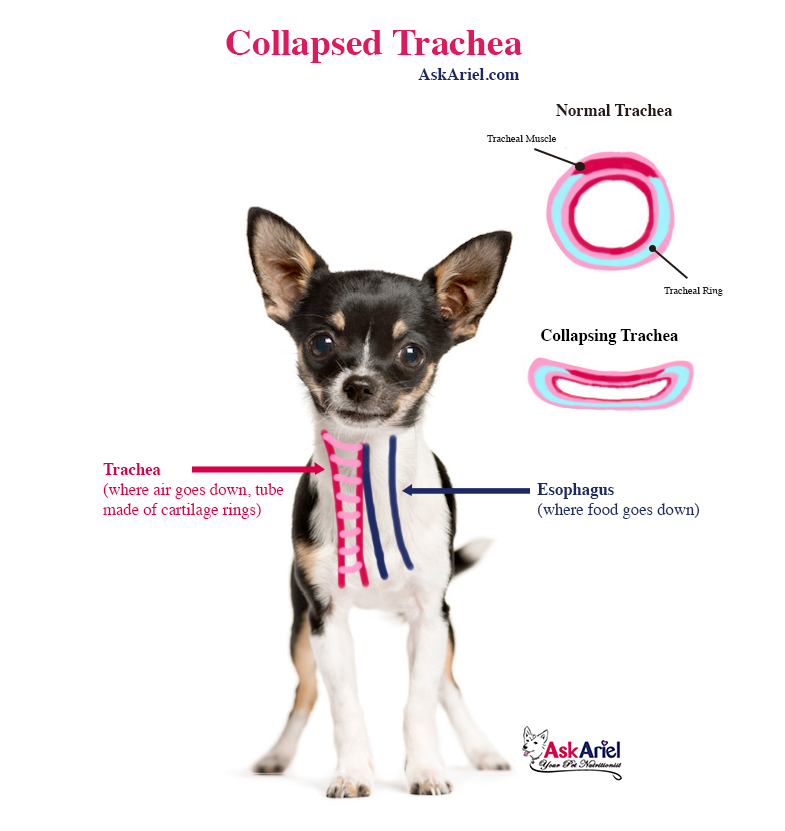
Image Source: www.askariel.com
Deciphering Collapsed Trachea in Dogs
Before delving into natural remedies, it’s important to grasp what a collapsed trachea truly means for your dog. The trachea, or windpipe, is a tube made of C-shaped cartilage rings that keeps it open, allowing air to flow freely to the lungs. In tracheal collapse, these rings lose their rigidity and can flatten, narrowing the passage. This narrowing causes the air to move turbulently, irritating the tracheal lining and triggering that distinctive cough.
Factors Contributing to Collapsed Trachea
Several factors can contribute to the development of tracheal collapse:
- Genetics: Certain breeds, particularly toy breeds like Yorkshire Terriers, Chihuahuas, Pomeranians, and Poodles, have a higher predisposition to this condition.
- Age: Older dogs are more susceptible as cartilage naturally weakens with age.
- Obesity: Excess weight puts added pressure on the trachea and can worsen the condition.
- Conformational Issues: Dogs with shorter muzzles and brachycephalic (flat-faced) breeds may have anatomical predispositions.
- Other Health Issues: Conditions like heart disease, chronic bronchitis, or kennel cough can exacerbate tracheal collapse.
Recognizing the Signs
Early recognition of symptoms is vital for effective management. The most common signs include:
- Honking Cough: Often described as sounding like a goose honk, this is the hallmark symptom. It’s frequently triggered by excitement, exercise, drinking, or pressure on the neck.
- Gagging: Your dog may seem like they are choking or trying to dislodge something from their throat.
- Labored Breathing: You might notice increased effort when your dog breathes, especially after exertion.
- Exercise Intolerance: Dogs with collapsed tracheas may tire more easily and avoid activities they once enjoyed.
- Blue Gums or Tongue (Cyanosis): In severe cases, difficulty breathing can lead to a lack of oxygen, causing a bluish tint to the mucous membranes. This is a medical emergency.
Natural Approaches for Dog Tracheal Collapse Relief
The goal of natural remedies is to minimize irritants, reduce inflammation, support the respiratory system, and calm your dog. These methods aim to provide supportive care for collapsing trachea dogs.
Environmental Adjustments for a Softer Lifestyle
Creating a calm and supportive environment is paramount.
Reducing Tracheal Irritation
- Harnesses Over Collars: Never use a neck collar for walks. Always opt for a harness that fits well and distributes pressure across the chest and shoulders, avoiding any pressure on the neck.
- Humidified Air: Dry air can irritate the trachea. Consider using a humidifier in rooms where your dog spends a lot of time, especially during dry seasons or if you use central heating or air conditioning.
- Avoiding Irritants: Steer clear of smoke (cigarette, fireplace, etc.), strong perfumes, air fresheners, and dusty environments. These can all trigger coughing fits.
Managing Exercise and Excitement
- Gentle Exercise: Short, slow walks are better than long, strenuous ones. Avoid situations that cause panting or excitement.
- Calm Routines: Minimize over-excitement. Try to keep your dog in a relaxed state, especially during warmer weather or when they are prone to coughing.
- Avoid High-Necked Sweaters: If your dog wears clothing, ensure it doesn’t constrict the neck area.
Supportive Care and Comfort Measures
Providing comfort and ensuring your dog feels safe is a key part of managing their condition.
Calming a Dog with Tracheal Collapse
- Soothing Presence: Simply being near your dog, offering gentle pets, and speaking in a calm, soft voice can be incredibly reassuring.
- Comfortable Resting Spots: Ensure your dog has soft, elevated bedding so they don’t have to strain to lie down or get up.
- Avoid Stressors: Recognize what triggers your dog’s coughing and try to avoid those situations as much as possible. This might include avoiding other energetic dogs or specific visitors.
Breathing Support for Dogs with Collapsing Trachea
- Cool Temperatures: Overheating can exacerbate breathing difficulties. Keep your dog cool, especially in warmer months. Never leave them in a hot car.
- Elevated Head: When resting, help your dog maintain an elevated head position. You can achieve this by placing a pillow or bolster under their head and neck.
Natural Remedies for Collapsed Trachea in Dogs
While not a substitute for veterinary advice, certain natural remedies can offer symptomatic relief. Always consult your veterinarian before introducing any new supplements or remedies, as they can interact with existing medications or have contraindications.
Herbal Support for the Respiratory System
Several herbs are known for their beneficial effects on the respiratory tract.
Soothing Cough in Dogs with Tracheal Collapse
- Marshmallow Root: This herb is a demulcent, meaning it coats and soothes irritated mucous membranes, including those in the trachea. It can help reduce the intensity of the cough.
- How to Use: Available in tinctures or dried form. Dosage will depend on the product and your dog’s weight; always follow product instructions or veterinary guidance.
- Slippery Elm: Similar to marshmallow root, slippery elm forms a soothing gel-like substance that can coat the throat and ease irritation.
- How to Use: Often given as a powder mixed with water to form a gruel. It can be given by mouth or mixed into food.
- Licorice Root (Deglycyrrhizinated – DGL): DGL licorice can help soothe mucous membranes and has anti-inflammatory properties. Important: Ensure it is deglycyrrhizinated (DGL) as regular licorice can have adverse effects on blood pressure and potassium levels.
- How to Use: Available in chewable tablets or powder.
- Thyme: Thyme is an expectorant and antispasmodic, which can help loosen mucus and calm the cough reflex.
- How to Use: A small amount of fresh or dried thyme can be added to food. Alternatively, a weak thyme tea can be offered.
Other Beneficial Natural Ingredients
- Honey: A teaspoon of raw, local honey can coat the throat and soothe a cough. It also has natural antibacterial properties. Note: Do not give honey to puppies under one year old due to the risk of botulism.
- How to Use: Can be given directly from a spoon or mixed into a small amount of warm water or broth.
- Ginger: Ginger has anti-inflammatory properties and can help with nausea, which some dogs may experience with severe coughing.
- How to Use: A very small amount of grated fresh ginger or ginger powder can be added to food. Start with a tiny amount to gauge your dog’s tolerance.
Nutritional Support
A balanced diet plays a role in overall health, including respiratory function.
Omega-3 Fatty Acids
These essential fatty acids have anti-inflammatory properties that can help reduce inflammation in the airways.
- Sources: Fish oil (salmon oil, krill oil) is a rich source of EPA and DHA.
- How to Use: Available in liquid or capsule form. Dosage should be based on your dog’s weight and the concentration of EPA/DHA in the product. Always choose high-quality, purified sources to avoid contaminants.
Antioxidants
Antioxidants help combat free radical damage, which can be exacerbated by inflammation and stress.
- Sources: Vitamin E, Vitamin C, and various berries (like blueberries) can be good sources. Some commercial dog foods are also fortified with antioxidants.
- How to Use: While some antioxidants can be supplemented, it’s often best to focus on a high-quality diet rich in whole foods. Always consult your vet before supplementing with high doses of vitamins.
Alternative Treatments for Dog Trachea Issues
Beyond herbs and diet, other complementary therapies can offer support.
Acupuncture
Acupuncture can help relax muscles, reduce pain and inflammation, and improve breathing by stimulating specific points on the body.
- How it Works: Fine needles are inserted into precise points to promote the flow of vital energy (Qi) and restore balance.
- Finding a Practitioner: Seek a certified veterinary acupuncturist (cV.Ac.) who is experienced in treating respiratory conditions.
Chiropractic Care
For some dogs, spinal misalignments can contribute to nerve irritation or muscle tension that may indirectly affect breathing.
- How it Works: A veterinary chiropractor uses manual adjustments to correct subluxations and restore proper joint function.
- Finding a Practitioner: Look for a veterinarian who is also certified in animal chiropractic care.
Ozone Therapy
In some cases, ozone therapy may be considered by integrative veterinarians to support the immune system and reduce inflammation.
- How it Works: Involves introducing ozone gas into the body through various methods to improve oxygen utilization and reduce oxidative stress.
- Consultation: This is an advanced therapy and should only be discussed with an experienced integrative veterinarian.
Managing Dog Tracheal Collapse Symptoms: A Holistic Approach
Effectively managing collapsed trachea symptoms involves a multi-faceted approach, combining environmental changes, dietary considerations, and natural remedies. The aim is to provide the best possible comfort and reduce the frequency and severity of coughing episodes.
Creating a Supportive Home Environment
Your home should be a sanctuary for your dog.
Air Quality and Temperature Control
- Clean Air: Ensure good ventilation. Regularly clean air filters in your HVAC system.
- Temperature Regulation: Avoid extreme temperatures. Keep your dog in a cool, comfortable environment, especially during exercise or when excited.
Bedding and Resting Areas
- Soft Surfaces: Provide plush, supportive bedding. Orthopedic beds can be beneficial for older dogs or those with joint issues, further enhancing comfort.
- Elevated Beds: Beds that are slightly elevated can help keep pressure off the neck and make it easier for your dog to get up and down.
Diet and Hydration
What your dog eats and drinks can significantly impact their health.
Weight Management
- Crucial for Obesity: If your dog is overweight, weight loss is one of the most impactful steps you can take. Even a small reduction in weight can ease pressure on the trachea.
- Diet Plan: Work with your veterinarian to create a safe and effective weight loss plan, often involving a specialized diet and controlled portions.
Hydration
- Water Availability: Ensure fresh, clean water is always accessible.
- Hydrating Foods: Incorporating small amounts of low-sodium broth or pureed, dog-safe vegetables can help with hydration and provide nutrients.
Supplementation Strategies
When choosing supplements, quality and dosage are key.
Dosage Guidelines and Considerations
- Veterinary Guidance: Always consult your veterinarian before starting any new supplement. They can recommend appropriate dosages based on your dog’s weight, age, breed, and overall health.
- Purity and Quality: Opt for reputable brands that prioritize purity and transparency in their ingredients.
- Gradual Introduction: Introduce supplements one at a time to monitor for any adverse reactions.
Managing Flare-Ups
Even with the best preventative care, flare-ups can occur.
What to Do During a Coughing Fit
- Stay Calm: Your anxiety can transfer to your dog.
- Remove Excitement: If excitement triggered the cough, try to remove the source of excitement or move your dog to a quiet space.
- Cool Air: Move to a cooler area or use a fan to blow cool air towards your dog.
- Hydration: Offer a small amount of cool water if they can drink it without gagging.
- Avoid Pressure: Ensure nothing is pressing on their neck.
When to Seek Immediate Veterinary Care
- Severe Distress: If your dog is struggling to breathe, panting heavily, or seems extremely uncomfortable.
- Cyanosis: Blue or purple gums or tongue indicate a lack of oxygen and are a medical emergency.
- Persistent Coughing: If the coughing is severe, prolonged, or accompanied by lethargy.
Non-Medical Relief for Dog Tracheal Collapse
Focusing on comfort and minimizing triggers can provide significant non-medical relief.
Comfort Measures
- Gentle Petting: Many dogs find soft petting soothing.
- Quiet Environment: Minimize loud noises and sudden movements that might startle or excite your dog.
- Routine: Predictable routines can reduce anxiety for some dogs.
Avoiding Triggers
- Neck Pressure: As mentioned, harnesses are crucial. Avoid any toys or activities that involve pulling around the neck.
- Excitement: Learn to recognize your dog’s “excitement triggers” and find ways to manage them.
- Environmental Factors: Keep the air clean and the temperature moderate.
Supportive Care for Collapsing Trachea Dogs
This encompasses all the gentle, proactive measures you can take daily.
- Regular, Gentle Grooming: Keep your dog clean, but avoid any rough handling around the neck area.
- Positive Reinforcement: Reward calm behavior with praise and gentle affection.
Table: Natural Remedies and Their Potential Benefits
| Natural Remedy | Potential Benefit | How to Use | Important Considerations |
|---|---|---|---|
| Marshmallow Root | Soothes irritated mucous membranes, reduces cough | Tincture or dried form, mixed with water or food. Dosage varies. | Consult vet for dosage. Can affect absorption of other medications. |
| Slippery Elm | Coats and soothes throat lining, relieves irritation | Powder mixed with water to form a gruel, given by mouth or in food. | Best given between meals to avoid interfering with nutrient absorption. Consult vet for dosage. |
| DGL Licorice Root | Anti-inflammatory, soothes mucous membranes | Chewable tablets or powder. | Must be Deglycyrrhizinated (DGL). Avoid in dogs with heart or kidney issues without vet approval. |
| Honey (Raw, Local) | Coats throat, soothes cough, antibacterial properties | Teaspoon given directly or mixed with warm water/broth. | Not for puppies under 1 year. Ensure it is raw and local. |
| Omega-3 Fatty Acids | Reduces inflammation | High-quality fish oil or krill oil supplements. | Choose purified sources. Consult vet for appropriate dosage based on EPA/DHA content. |
| Thyme | Expectorant, antispasmodic, helps calm cough | Small amount of fresh or dried herb in food, or weak thyme tea. | Use sparingly. |
| Ginger | Anti-inflammatory, helps with nausea | Tiny amount of fresh grated ginger or powder in food. | Start with a minuscule amount to assess tolerance. |
Frequently Asked Questions (FAQ)
Q1: Can my dog with a collapsed trachea still go for walks?
A1: Yes, but walks should be short, slow, and at a cool temperature. Avoid any excitement or pulling on the leash. Always use a harness, never a collar.
Q2: How much honey can I give my dog?
A2: A teaspoon once or twice a day is generally safe for adult dogs. Always ensure it’s raw, local honey and never give it to puppies under one year old.
Q3: Are natural remedies safe for my dog?
A3: Natural remedies can be very helpful, but it’s crucial to consult your veterinarian before giving them to your dog. They can advise on the correct dosage and potential interactions with any existing medications.
Q4: My dog’s cough is getting worse, even with these natural methods. What should I do?
A4: If your dog’s symptoms worsen, or they show signs of severe respiratory distress (heavy panting, blue gums), seek immediate veterinary attention. Natural remedies are supportive, not a replacement for veterinary care when needed.
Q5: Can diet alone help manage a collapsed trachea?
A5: Diet, particularly weight management if your dog is overweight, can play a significant role in managing collapsed trachea symptoms. However, it’s usually most effective when combined with other supportive measures and veterinary guidance.
By implementing these expert tips and natural remedies, you can significantly improve the comfort and quality of life for your dog suffering from a collapsed trachea. Remember, consistency and a deep understanding of your dog’s individual needs are key to providing the best possible care.