
Can you start a mobile dog grooming business from home? Yes, you absolutely can! A mobile dog grooming business allows you to bring professional pet grooming services directly to your clients’ doors, offering unparalleled convenience for pet owners and a unique entrepreneurial opportunity for you. This guide will walk you through every step of launching your own mobile pet salon, from initial planning to ongoing success.
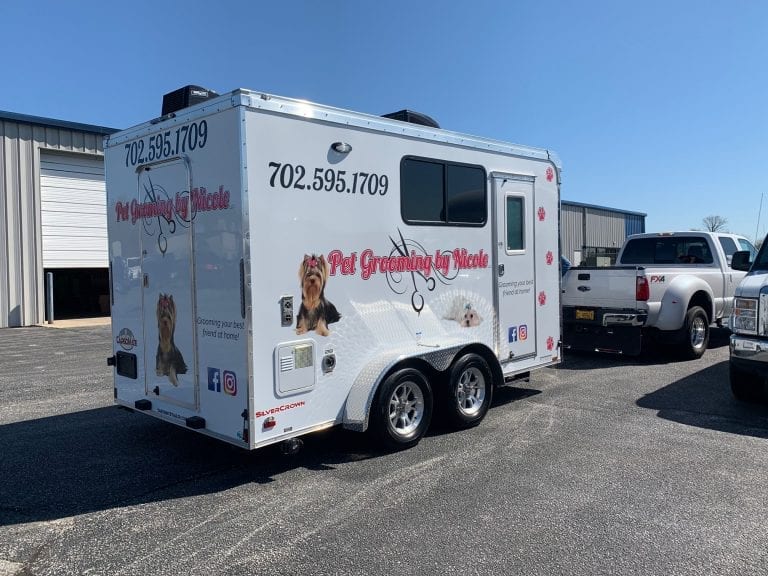
Image Source: wagntails.com
Laying the Foundation: Your Dog Grooming Business Plan
Before you even think about buying a grooming van or selecting clippers, the first and most crucial step is to create a solid dog grooming business plan. This document is your roadmap, detailing your business goals, strategies, and financial projections. It’s essential for securing funding, guiding your decisions, and staying focused.
Executive Summary
This section provides a brief overview of your entire business plan. It should highlight your mission, the services you’ll offer, your target market, and your competitive advantage.
Company Description
Detail what your mobile dog grooming business will be. Will you focus on specific breeds or offer a full range of pet grooming services? Describe your business structure (sole proprietorship, LLC, etc.) and your core values.
Services Offered
Clearly list the grooming services you will provide. This can include:
- Bathing and conditioning
- Haircuts and styling
- Nail trimming and filing
- Ear cleaning and plucking
- Teeth brushing
- De-shedding treatments
- Flea and tick treatments
- Specialty spa treatments
Market Analysis
Research your local market. Who are your potential customers? What are their demographics and needs? Identify your competitors, both mobile and brick-and-mortar groomers, and analyze their strengths and weaknesses. This will help you carve out your niche.
Marketing and Sales Strategy
How will you reach your target audience? This section will outline your advertising, promotion, and sales tactics. We’ll delve deeper into marketing a dog grooming business later.
Management Team
Describe your experience and qualifications. If you have partners or employees, outline their roles and expertise.
Financial Projections
This is a critical part of your business plan. It includes:
- Startup costs (van, equipment, licensing, insurance, initial marketing)
- Operating expenses (fuel, supplies, maintenance, salaries if applicable)
- Revenue forecasts (based on your pricing and expected client volume)
- Profit and loss statements
- Cash flow projections
The Heart of Your Business: The Mobile Dog Grooming Van
The dog grooming van conversion is arguably the most significant investment you’ll make. It’s your mobile salon, and its functionality, safety, and appearance are paramount.
Choosing the Right Vehicle
Consider a cargo van, a step van, or even a trailer. Factors to consider include:
- Size: Enough space for grooming, equipment storage, and comfortable operation.
- Fuel Efficiency: Important for ongoing operating costs.
- Reliability: You need a vehicle that won’t break down.
- Budget: New vs. used, and conversion costs.
Essential Van Conversions and Features
A professional mobile pet salon requires specific modifications:
- Water System: Hot and cold running water is essential. This includes a fresh water tank and a greywater tank.
- Power Source: A generator or a powerful inverter system to power grooming tools, water heaters, and lighting.
- Grooming Tub: A stainless steel tub with a ramp or easy access for dogs of all sizes.
- Grooming Table: A sturdy, adjustable grooming table that can swivel and tilt.
- Ventilation and Heating/Cooling: Crucial for the comfort and safety of both groomer and dog. Excellent ventilation is key to managing hair and odors.
- Storage: Ample, secure storage for canine grooming equipment, shampoos, conditioners, towels, and other supplies.
- Lighting: Bright, efficient lighting throughout the salon.
- Safety Features: Non-slip flooring, secure restraints for the grooming table, and good emergency exits.
- Water Heater: An on-demand water heater is ideal.
Sourcing Your Conversion
You have a few options:
- DIY Conversion: If you have the skills and time, this can be the most cost-effective. However, it requires significant knowledge of plumbing, electrical systems, and vehicle modification.
- Professional Conversion Companies: Many companies specialize in building out mobile grooming vans. This is often the most expensive option but ensures professional quality and adherence to safety standards.
- Buying a Pre-Converted Van: You might find used mobile grooming vans for sale. Thoroughly inspect these to ensure they are in good condition and meet your needs.
Equipping Your Mobile Grooming Business
The right canine grooming equipment will make your job easier, safer, and more efficient. Invest in quality tools that will last.
Essential Grooming Tools
- Clippers: High-quality, professional-grade clippers with various blade attachments. Cordless clippers offer greater mobility.
- Shears and Scissors: A range of straight, curved, and thinning shears. Invest in a good pair of left-handed shears if you are left-handed.
- Brushes and Combs: Slicker brushes, pin brushes, metal combs, dematting tools.
- Dryers: High-velocity dryers are essential for efficient drying. A stand dryer can also be useful.
- Nail Clippers/Grinders: Guillotine-style clippers, scissor-style clippers, and Dremel-style nail grinders.
- Shampoos and Conditioners: A variety of professional-grade products for different coat types and skin sensitivities.
- Towels: Absorbent, durable towels. Microfiber towels are excellent.
- Muzzles and Restraints: For the safety of both the groomer and the dog during potentially stressful procedures.
- Ear Cleaning Solutions and Cotton Balls/Pads: For safe ear cleaning.
- Styptic Powder: To stop minor bleeding from nail trims if needed.
Safety and Hygiene Equipment
- Disinfectants: For cleaning the van and equipment between clients.
- Gloves: Disposable gloves for hygiene.
- First-Aid Kit: For both humans and animals.
- Fire Extinguisher: For safety in the van.
Navigating the Legal Landscape: Licensing and Permits
Proper licensing for mobile dog grooming is crucial to operate legally and avoid penalties. Regulations can vary significantly by state, county, and even city.
Business Registration
- Business Name: Register your business name.
- Legal Structure: Decide on your business structure (sole proprietorship, LLC, S-corp, etc.) and register accordingly.
- Employer Identification Number (EIN): Obtain an EIN from the IRS if you plan to hire employees or operate as a corporation or partnership.
State and Local Licenses and Permits
- General Business License: Most jurisdictions require a general business license.
- Mobile Vendor/Food Truck Permits: Your mobile grooming van may fall under regulations similar to mobile food vendors. Research local zoning laws and permit requirements.
- Health and Sanitation Permits: Some areas may require inspections or permits related to sanitation and animal welfare.
- Vehicle Registration and Inspections: Ensure your van is properly registered and meets any specific inspection requirements for commercial vehicles.
Insurance
- General Liability Insurance: Protects your business from claims of bodily injury or property damage.
- Professional Liability Insurance (Errors & Omissions): Covers claims related to mistakes or negligence in your grooming services.
- Commercial Auto Insurance: For your grooming vehicle.
- Animal Bailee Insurance: Covers loss or damage to the animals in your care.
Setting Your Prices: Dog Grooming Pricing Strategies
Establishing fair and competitive dog grooming pricing is vital for profitability. Your prices should reflect the quality of your services, your overhead, and your local market.
Factors Influencing Pricing
- Breed and Size of Dog: Larger dogs and those with complex coats typically require more time and product, thus higher prices.
- Coat Condition: Matting, shedding, and overall coat health will impact the time and effort needed.
- Services Requested: Basic bath and brush vs. a full breed-specific groom.
- Time Spent: Track how long each groom typically takes.
- Supplies Used: Cost of shampoos, conditioners, and other products.
- Overhead Costs: Vehicle expenses, insurance, marketing, equipment maintenance.
- Your Experience and Skill Level: Experienced groomers can often command higher prices.
- Local Market Rates: Research what other groomers in your area charge.
Pricing Models
- By Breed/Size: A common method, often with variations based on coat type.
- By Time: Charge an hourly rate, which can be good for unique situations but can be less predictable for clients.
- A La Carte: Offer individual services (e.g., nail trim, ear cleaning) as add-ons.
Creating a Pricing Menu
Develop a clear, easy-to-understand pricing menu. It’s a good idea to have base prices and then clearly state any additional charges for de-matting, special handling, etc.
Example Pricing Menu (Illustrative)
| Service | Small Dog (Under 20 lbs) | Medium Dog (20-50 lbs) | Large Dog (50-80 lbs) | Extra Large Dog (80+ lbs) |
|---|---|---|---|---|
| Bath & Brush | $45 – $60 | $60 – $80 | $80 – $100 | $100+ |
| Full Groom | $65 – $85 | $85 – $110 | $110 – $140 | $140+ |
| De-Shedding Treat | +$15 – $25 | +$25 – $40 | +$40 – $60 | +$60+ |
| Nail Trim | $15 | $20 | $25 | $30 |
| Ear Cleaning | $10 | $10 | $10 | $10 |
| Teeth Brushing | $10 | $10 | $10 | $10 |
Note: Additional charges may apply for severe matting, difficult temperaments, or specialized styling.
Marketing Your Dog Grooming Business
Effective marketing a dog grooming business is key to attracting and retaining clients. Since you’re mobile, your reach and visibility are different from a storefront.
Building Your Brand and Online Presence
- Professional Logo and Branding: Create a memorable logo and consistent brand identity.
- Website: A professional website is essential. Include your services, pricing, contact information, photos of your work, and an online booking system.
- Social Media: Platforms like Facebook, Instagram, and TikTok are perfect for showcasing before-and-after photos, client testimonials, and behind-the-scenes glimpses of your work. Use relevant hashtags like #mobile-dog-grooming, #dog-groomer, #[your-city]-dogs.
- Online Directories: List your business on Google My Business, Yelp, and other local directories.
Local Marketing Strategies
- Vehicle Branding: Your grooming van is a moving billboard! Ensure it’s professionally wrapped with your logo and contact information.
- Local Partnerships: Collaborate with veterinarians, pet supply stores, dog walkers, and dog trainers. Offer them referral incentives.
- Community Events: Participate in local pet fairs, farmers’ markets, or community events. Offer free nail trims or consultations.
- Flyers and Business Cards: Distribute these in pet-friendly areas.
- Loyalty Programs: Encourage repeat business with punch cards or discount programs.
- Referral Programs: Incentivize existing clients to refer new customers.
Client Experience
- Punctuality and Professionalism: Arrive on time, dressed professionally, and communicate clearly with clients.
- Customer Service: Be friendly, approachable, and responsive to client needs and concerns.
- Aftercare Advice: Provide clients with tips on maintaining their dog’s coat between grooms.
Starting a Home-Based Dog Grooming Business vs. Mobile
While this guide focuses on mobile grooming, it’s worth noting the differences if you’re also considering a starting a home-based dog grooming business.
| Feature | Mobile Dog Grooming | Home-Based Dog Grooming |
|---|---|---|
| Startup Cost | Higher (Van conversion, equipment) | Lower (Home grooming space, equipment) |
| Overhead | Higher (Fuel, vehicle maintenance, insurance) | Lower (Utilities, home maintenance) |
| Client Reach | Wider (Can travel to clients) | Localized (Clients come to you) |
| Convenience | High for clients (service at their door) | High for groomer (no travel) |
| Flexibility | Can be time-consuming due to travel | More control over schedule |
| Regulations | Specific vehicle and mobile business permits | Home zoning laws, business permits, animal welfare |
| Branding | Vehicle is a key marketing tool | Home appearance and online presence are key |
A mobile business offers a significant competitive advantage by bringing convenience directly to the customer.
Building a Successful Mobile Dog Grooming Business
Mobile dog grooming startup success hinges on continuous learning and adaptation.
Continuous Education
- Grooming Techniques: Stay updated on the latest grooming trends and techniques. Attend workshops and seminars.
- Product Knowledge: Learn about different shampoos, conditioners, and grooming aids.
- Animal Behavior: Enhance your skills in handling different dog temperaments and identifying signs of stress or illness.
Client Retention
- Personalized Service: Remember client preferences and dog personalities.
- Follow-up: Send appointment reminders and thank-you notes.
- Address Feedback: Actively seek and respond to client feedback.
Financial Management
- Bookkeeping: Keep meticulous records of income and expenses. Use accounting software.
- Tax Planning: Understand your tax obligations and set aside funds accordingly.
- Profitability Analysis: Regularly review your financial performance to identify areas for improvement.
Frequently Asked Questions (FAQ)
Q1: What are the biggest challenges when starting a mobile dog grooming business?
The biggest challenges often include the high initial investment for the van and equipment, managing the logistics of travel and scheduling, vehicle maintenance, and marketing effectively to build a consistent client base. Weather can also be a factor affecting your daily schedule.
Q2: How much does it cost to start a mobile dog grooming business?
Startup costs can range widely, from $20,000 to $100,000 or more, depending on the quality of the vehicle, the extent of the conversion, the equipment purchased, and initial marketing efforts. A used van with a basic conversion might be on the lower end, while a brand-new, fully equipped step van could be at the higher end.
Q3: Do I need a special license to groom dogs from a van?
Yes, you will likely need various licenses and permits beyond standard business licenses. This can include mobile vendor permits, specific health or sanitation permits, and potentially specialized vehicle inspections depending on your local regulations. It is crucial to research your specific city, county, and state requirements thoroughly.
Q4: How do I find clients for my mobile grooming business?
Effective marketing is key. This includes creating a professional website and social media presence, branding your van, partnering with local vets and pet stores, participating in community events, offering referral programs, and focusing on providing excellent customer service to encourage word-of-mouth referrals.
Q5: Is mobile dog grooming profitable?
Yes, mobile dog grooming can be very profitable. The convenience factor often allows groomers to charge premium prices. Profitability depends on your pricing strategy, efficient scheduling, cost management, and your ability to attract and retain clients.
Q6: What is the average salary for a mobile dog groomer?
Salaries vary greatly based on location, experience, client volume, and pricing. However, many experienced mobile dog groomers can earn a comfortable living, with potential for six-figure incomes in successful, well-established businesses.
Starting a mobile dog grooming business is a rewarding venture that combines a passion for animals with entrepreneurship. By carefully planning, investing wisely, and committing to excellent service, you can build a thriving mobile pet salon.